Table of Contents >> Show >> Hide
- Why People Fake Their Love For Certain Foods And Drinks
- 30 Foods And Drinks People Are Only Pretending To Like
- 1. Oysters
- 2. Black Coffee
- 3. IPA Beer
- 4. Kombucha
- 5. Blue Cheese
- 6. Olives
- 7. Anchovies
- 8. Caviar
- 9. Sparkling Water
- 10. Celery Juice
- 11. Black Licorice
- 12. Cilantro
- 13. Matcha
- 14. Grapefruit
- 15. Dark Chocolate Above 85%
- 16. Liver
- 17. Sardines
- 18. Truffle Oil
- 19. Beets
- 20. Bone Broth
- 21. Natural Wine
- 22. Campari And Bitter Aperitifs
- 23. Martini With Almost No Vermouth
- 24. Bloody Marys
- 25. Brussels Sprouts, Especially The Charred Kind
- 26. Kale Smoothies
- 27. Tonic Water
- 28. Sea Urchin
- 29. Pulp-Heavy Fresh Juice
- 30. Plain Greek Yogurt
- What These Foods Actually Reveal About Taste
- How To Tell Whether You Truly Like Something Or Just Like The Idea Of Liking It
- Experiences People Have With These “Pretend To Like” Foods And Drinks
- Conclusion
- SEO Tags
Let’s begin with a peace treaty: not everyone is pretending. Some people truly love oysters, black coffee, bitter cocktails, funky cheese, and sparkling water that tastes like a TV in another room. Good for them. They are stronger than the rest of us.
But there is also a long, awkward tradition of nodding enthusiastically while chewing something that tastes like a dare. We do it at brunch, at wine bars, at office lunches, at wellness cafés, and during that one suspiciously expensive tasting menu where everyone suddenly becomes a poet. “Mmm,” someone says, while clearly fighting for emotional stability. “So complex.”
This is the social theater of food: the performance of liking things because they signal health, adulthood, sophistication, adventurousness, or elite taste. Some foods are genuinely delicious once your palate adjusts. Others remain, for many people, tiny edible trust exercises.
So here it is: a funny but honest look at 30 foods and drinks people are often only pretending to like, plus why these items keep showing up on plates, menus, and Instagram stories anyway.
Why People Fake Their Love For Certain Foods And Drinks
Food isn’t just nutrition. It’s identity. We use it to signal who we are, who we want to be, and which table we’d like to sit at. That is why people sometimes “learn” to love foods that are bitter, briny, sour, funky, or texturally confusing. The point is not always pleasure at first bite. Sometimes the point is belonging.
There are a few classic reasons this happens. First, some flavors are acquired tastes. Bitter foods and drinks like coffee, dark chocolate, and certain cocktails can become more enjoyable over time, especially when they are connected with routine, culture, or reward. Second, some foods carry a health halo. If it sounds green, fermented, probiotic, artisanal, or imported in a tiny jar, people are more willing to suffer through it with dignity. Third, some foods are social currency. Ordering oysters, caviar, natural wine, or an aggressively hoppy IPA can feel like wearing a tiny edible tuxedo.
And then there is texture. Texture is where many relationships go to die. Slimy, chewy, gritty, fishy, medicinal, or mysteriously foamy foods ask a lot from the average mouth. You do not merely eat them. You negotiate with them.
Now let’s get to the list.
30 Foods And Drinks People Are Only Pretending To Like
1. Oysters
The mascot of “I swear I enjoy this.” Oysters are glamorous, expensive, and tied to date-night bravado. But for a lot of people, slurping a cold, slippery shellfish feels less like dining and more like losing a bet with the ocean. Fans love the mineral, briny flavor. Skeptics taste seawater and regret.
2. Black Coffee
Black coffee is the official beverage of adulthood cosplay. It is bitter, intense, and often introduced with the phrase, “You’ll get used to it.” Many people genuinely do. Others are simply holding the mug like a prop while wishing it contained vanilla cream and emotional support.
3. IPA Beer
There was a long stretch when ordering the hoppiest IPA on the menu felt like a personality trait. For enthusiasts, IPAs offer citrus, pine, resin, and layered bitterness. For everyone else, it tastes like a grapefruit had a grudge.
4. Kombucha
Kombucha has wellness branding so strong it could probably get elected somewhere. It promises fermentation, probiotics, and virtue. It also often tastes like sparkling vinegar that got really into yoga.
5. Blue Cheese
Blue cheese is an edible argument. Its fans call it bold, tangy, earthy, and rich. Its critics think it tastes like the fridge staged a rebellion. The smell alone has ended many promising charcuterie-board relationships.
6. Olives
Olives are salty little confidence tests. People who love them really love them. People who don’t often keep trying because olives are everywhere: martinis, salads, snack boards, pasta, party trays, and Mediterranean-inspired everything.
7. Anchovies
Anchovies are proof that strong flavor and tiny packaging can still cause maximum drama. In balanced dishes they bring savory depth. On their own, they can taste like a salt bomb from a very emotional sea captain.
8. Caviar
Caviar is luxury in bead form. It is less about hunger and more about ceremony, rarity, and status. Some people truly appreciate its buttery brine and pop. Others are paying a lot of money to chew tiny fish opinions.
9. Sparkling Water
Plain sparkling water is the emperor’s new beverage. Devotees swear it is refreshing, clean, and crisp. Detractors maintain it tastes like angry water that remembers being soda and resents the downgrade.
10. Celery Juice
Celery juice became one of those drinks people speak about in the tone usually reserved for spiritual breakthroughs. But stripped of miracle marketing, it is still very green, very vegetal, and very close to tasting like a lawn with ambition.
11. Black Licorice
Black licorice is the candy equivalent of a villain origin story. A few loyalists adore its herbal punch. Everyone else acts polite because candy is supposed to be fun, not taste like antique medicine and unresolved tension.
12. Cilantro
Cilantro is the classic food-divides-families ingredient. For some people it tastes bright and citrusy. For others it tastes suspiciously like soap. That is not pickiness. That is one of the most famous flavor disputes on Earth.
13. Matcha
Matcha is stylish, photogenic, and spiritually superior to whatever was in your drive-thru cup. A great matcha can be grassy, creamy, and pleasantly bittersweet. A bad one tastes like a lawn clipping dissolved in self-righteousness.
14. Grapefruit
Grapefruit has the reputation of being healthy, grown-up, and chic. It also tastes like breakfast is mad at you. Some people love the sharp, bitter-sour snap. Others keep eating it because it looks good next to cottage cheese in magazine diets from 1987.
15. Dark Chocolate Above 85%
There is dark chocolate, and then there is dark chocolate that tastes like a hardwood floor with a backstory. People often pretend the higher the cacao percentage, the higher the moral character. That is not always how taste works.
16. Liver
Liver inspires the kind of silence usually heard before a breakup. It is rich, mineral-heavy, and deeply polarizing. Plenty of cultures turn it into beloved dishes. Plenty of diners spend the entire meal trying not to make a face.
17. Sardines
Sardines are nutritious, practical, and wildly efficient. They are also the food most likely to make your lunch table ask questions. Fans appreciate the richness and saltiness. Critics feel ambushed by fish intensity before noon.
18. Truffle Oil
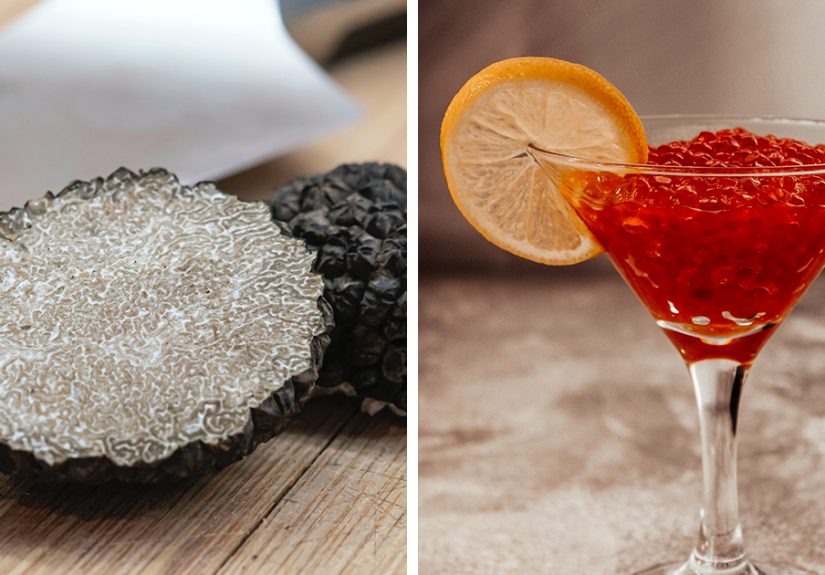
Truffle oil had a period where it appeared on every menu like a celebrity with excellent publicists. In small doses, it can add aroma and drama. In larger doses, it tastes like someone sprayed perfume on your fries and called it luxury.
19. Beets
Beets are gorgeous. They are jewel-toned, earthy, wholesome, and deeply committed to staining everything they touch. For many people, the flavor reads as elegant and sweet. For others, it lands closer to “garden, but make it personal.”
20. Bone Broth
Bone broth is marketed as comfort, collagen, and old-world wisdom in a mug. Sometimes it is delicious. Sometimes it is just hot savory liquid that people sip solemnly because wellness culture gave it a very serious résumé.
21. Natural Wine
Natural wine can be fascinating, funky, alive, and wildly expressive. It can also taste like cider that spent a semester abroad and came back smug. People often pretend to love it because nobody wants to be the person who says, “This kind of tastes off.”
22. Campari And Bitter Aperitifs
Bitter red aperitifs are elegant in theory and aggressive in practice. Once diluted, chilled, and balanced, they can be wonderful. Straight to the untrained palate, though, they can feel like a medicinal flashback wearing Italian tailoring.
23. Martini With Almost No Vermouth
The ultra-dry martini is frequently ordered with the confidence of someone who has seen at least three black-and-white movies. But many people do not actually enjoy that level of spirit-forward severity. They enjoy the idea of it. Different hobby.
24. Bloody Marys
A Bloody Mary is either brunch genius or cold soup with trust issues. Its admirers love the savory spice and tomato depth. Its enemies remain unconvinced that celery, vodka, and garnish architecture should share a glass.
25. Brussels Sprouts, Especially The Charred Kind
Modern Brussels sprouts have had a glorious rebrand, usually involving roasting, salt, and bacon. They can be fantastic. Still, a surprising number of people are mainly pretending because “I’m an adult who eats vegetables now” is powerful social fuel.
26. Kale Smoothies
Kale smoothies are the fitness equivalent of paying your taxes on purpose. You feel virtuous. You feel committed. You do not always feel joy. The fruit is usually doing heroic rescue work while kale keeps reminding you that health has a flavor.
27. Tonic Water
Tonic water is what happens when bitterness gets carbonation and a colonial backstory. In a good gin and tonic, it makes sense. On its own, many people drink it with the haunted expression of someone who expected Sprite and met consequences instead.
28. Sea Urchin
Sea urchin, or uni, is a delicacy for many seafood lovers. At its best it is creamy, sweet, briny, and luxurious. At its worst, for the uninitiated, it is a soft orange mystery that tastes like the ocean whispered too closely.
29. Pulp-Heavy Fresh Juice
Fresh juice sounds universally lovable until the texture enters the room. Some people adore the thickness because it feels natural and substantial. Others feel like they are chewing a beverage and would like to file an official complaint.
30. Plain Greek Yogurt
Plain Greek yogurt has been carried to fame by protein goals and breakfast influencers. It can be tangy, creamy, and satisfying. It can also taste like sour drywall until honey, fruit, or granola arrive to save the day.
What These Foods Actually Reveal About Taste
The funny thing is that this list is not really about bad food. It is about complicated food. Many of these items are bitter, sour, fermented, briny, earthy, pungent, or texturally unusual. That means they demand more from the eater than simple sweetness, salt, or crunch.
And that is why they become social symbols. The more difficult a flavor is, the more it can become a badge of maturity or sophistication. You are not just drinking black coffee. You are announcing that your palate has survived things. You are not just ordering oysters. You are informing the table that you and the Atlantic have an understanding.
But taste is personal. Genetics, culture, memory, repeated exposure, and context all shape what seems delicious or disgusting. A food one person experiences as elegant and nuanced may land for someone else as swampy, metallic, or aggressively medicinal. Both reactions can be real. Both can be honest.
That is also why “pretending to like” certain foods is so common. People assume there must be something refined or grown-up they are missing. So they keep trying. Sometimes that works and a real preference develops. Sometimes they just become very skilled at saying, “Interesting finish.”
How To Tell Whether You Truly Like Something Or Just Like The Idea Of Liking It
Here is a simple test: if nobody was watching, would you still order it? Not at the trendy restaurant. Not during the tasting menu. Not because a wellness podcast mentioned it. Just you, alone, hungry, with your own money and no need to impress anyone.
If the answer is yes, congratulations. You love it. If the answer is no, that is also fine. You do not need to earn adulthood by pretending to enjoy bitter foam, shellfish slime, or a drink that tastes like a scented candle dissolved in tonic.
The goal of good eating is not to seem impressive. It is to enjoy your food. And maybe to stop nodding respectfully while chewing something that clearly hates you back.
Experiences People Have With These “Pretend To Like” Foods And Drinks
Almost everyone has a story like this. You are at brunch, someone orders oysters for the table, and suddenly the whole mood changes. Nobody wants to be the weak link. The platter arrives on a mountain of ice like a seafood pageant finalist. Everyone starts using words like “clean,” “minerally,” and “finish.” Meanwhile, one person at the table is secretly thinking, I just swallowed a cold wave.
Or maybe it happens in a coffee shop. You started with caramel, moved to lattes, then cappuccinos, then Americanos, and eventually found yourself drinking black coffee because somewhere along the way it began to feel like the correct answer on an adulthood exam. Do you love it? Maybe. Or maybe you love the ritual, the smell, the mug, and the identity of being “a black coffee person,” which is not quite the same thing.
Then there is the craft-beer phase. Someone hands you an IPA with the enthusiasm of a missionary. You take a sip and taste grapefruit peel, pine needles, and a small amount of emotional damage. Everyone else nods approvingly. So you nod too, as if your mouth is not currently being audited.
Health trends create their own special category of pretending. People drink celery juice, kombucha, or kale smoothies with a level of optimism usually seen in election years. It is not always that they enjoy the flavor. It is that they enjoy what the drink represents: discipline, wellness, effort, control, a fresh start on Monday.
Dinner parties offer another classic scenario. The host presents a cheese board with blue cheese, olives, cured fish, and artisanal crackers that look like roofing material. You take a polite bite of everything because social survival matters. Then you spend the rest of the night hovering near the mild cheddar like it is an emotional support animal.
Fancy restaurants may be the grandest stage of all. Nobody wants to be the person who sends back the natural wine because it tastes weird or admits that caviar is not changing their life. So people learn the language of edible diplomacy. “That’s really unique.” “So earthy.” “Very expressive.” Translation: I respect what is happening here, but I would also like fries.
The truth is, these experiences are incredibly common, and they are oddly human. We are social eaters. We want to belong. We want to seem open-minded. We want to believe our palate is evolving. Sometimes it really is. Sometimes we are just being polite in nicer shoes.
And honestly, there is something funny and kind of charming about that. Food is not only about flavor. It is about context, memory, aspiration, and the stories we tell about ourselves. Just maybe do yourself a favor and keep one genuinely beloved snack nearby, in case the oysters, kombucha, or aggressively bitter cocktail start acting up again.
Conclusion
The idea that people are “pretending” to like certain foods and drinks is funny because it contains a grain of truth. Some tastes really are acquired. Some are cultural. Some are biological. And some are just fashionable enough to make people lie politely in public.
Still, the best takeaway is simple: your palate does not need a publicist. If you adore oysters, black coffee, blue cheese, or Campari, enjoy them proudly. If you think they taste like salt, soap, bitterness, or elegant despair, that is allowed too. Good taste is not about performance. It is about honesty, pleasure, and knowing when to order the burger instead.