Table of Contents >> Show >> Hide
- Why some foods got more expensive in 2023 (even as inflation cooled)
- The 2023 price-pressure list: foods that were most likely to cost more
- Eggs (a.k.a. the 2023 roller coaster)
- Poultry (chicken and turkey)
- Beef (especially steak and roasts)
- Cereals and bakery products (bread, flour, pasta, and boxed breakfast)
- Nonalcoholic beverages (coffee, juice, soda, bottled drinks)
- Snacks, sauces, and “other food at home” (the pantry’s expensive little secrets)
- Sugar and sweets (baking basics and treats)
- Produce (especially items tied to California’s growing regions)
- Quick look: what drove costs upand what helped shoppers cope
- But waitdid grocery prices really rise in 2023?
- How to shop smarter when certain foods surge
- Extra: 2023 grocery experienceswhat it felt like in real life (about )
If your 2023 grocery bill felt like it had its own “glow-up” (without asking your permission), you weren’t imagining it.
After a brutal 2022 spike in food-at-home prices, shoppers walked into 2023 hoping for a calm, boring year. And to be fair,
grocery inflation did cool compared with the prior yearbut “cool” is relative when a carton of eggs recently behaved like a
luxury accessory.
The truth is that “foods will cost more in 2023” wasn’t one single headlineit was a patchwork. Some categories stayed stubbornly high,
some popped up seasonally, and a few even eased by year-end. What mattered at the checkout was timing, weather, disease outbreaks,
transportation costs, and how much pressure producers and retailers were feeling across the supply chain.
This guide breaks down the grocery categories that saw the most price pressure in 2023, why they got pricier,
and the practical “swap strategies” that helped real households keep dinner on the table without treating every grocery run like a
small financial crisis.
Why some foods got more expensive in 2023 (even as inflation cooled)
1) Farm inputs stayed pricey: feed, fertilizer, and fuel
Food prices don’t rise because grocery stores wake up and choose chaos (though it can feel that way). When the cost of animal feed,
fertilizer, diesel, electricity, packaging, and transportation stays elevated, those costs ripple forward.
Add in global disruptions from the past few yearsincluding pandemic-era aftershocks and international conflict affecting commoditiesand
the baseline cost of producing and moving food remained higher than “normal.”
2) Disease and weather can “spike” a category fast
Two classic 2023 examples: highly pathogenic avian influenza (bird flu) hammering egg and poultry supply, and extreme weather events
disrupting produce regions at the exact wrong time. When supply drops quickly and demand doesn’t fall much, prices can jump in a hurry.
3) Processing and labor bottlenecks still mattered
Meat, dairy, and packaged foods depend on processing plants, cold storage, trucking networks, and labor. Even modest disruptions
(higher wages, staffing gaps, maintenance issues, transportation constraints) can translate into higher shelf pricesespecially for
categories with slim margins and lots of steps between farm and fridge.
The 2023 price-pressure list: foods that were most likely to cost more
In early 2023, USDA’s Food Price Outlook projected continued increases for grocery-store food overall, and singled out several categories
where price pressure looked especially strongeggs, dairy, cereals/bakery, sugar/sweets, and more.
Meanwhile, regional weather shocks (hello, California storms) added another layer of “surprise pricing.”
Below are the categories that most often showed up in “why is this so expensive?” grocery-cart conversations in 2023plus what was
happening behind the scenes.
Eggs (a.k.a. the 2023 roller coaster)
Eggs were the headline-maker because they combined three things that love to create chaos:
inelastic demand (people still buy eggs), tight supply (fewer laying hens),
and fast-moving retail pricing. Bird flu forced flock reductions, which squeezed supply and helped push prices to
painful levelsespecially in the first part of the year.
By the end of 2023, egg prices had eased compared with the previous year’s peak, but that didn’t erase the lived experience of paying
eye-watering prices earlier in the yearparticularly around baking seasons and local shortages. If you ever paid “steak money” for
eggs, congratulations: you survived one of 2023’s most dramatic grocery plotlines.
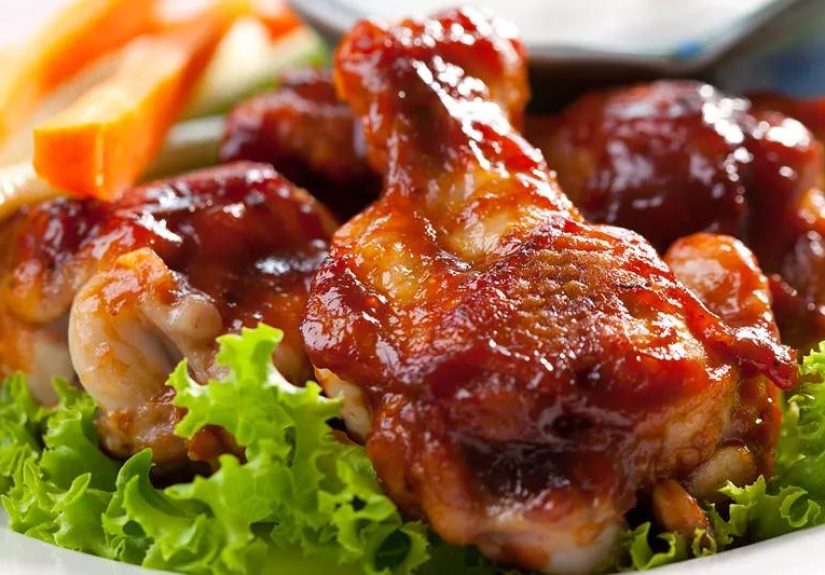
Poultry (chicken and turkey)
Poultry prices felt pressure from feed costs, labor and processing costs, and the broader bird flu environment affecting the industry.
Even when your specific chicken supply wasn’t directly hit, the overall market tension often translated into higher prices for popular
items like boneless skinless breasts, wings, and ground turkey.
Beef (especially steak and roasts)
Beef prices tend to reflect cattle cycles, feed conditions, and herd size. Tight supplies and elevated cattle prices can keep retail beef
expensive, and consumers notice quickly because beef is often the most expensive “default protein” in the cart.
In 2023, cattle-market dynamics pointed toward continued price pressuremeaning even when some cuts went on sale, the overall “beef budget”
stayed higher than many shoppers wanted.
Cereals and bakery products (bread, flour, pasta, and boxed breakfast)
Bread and cereal aren’t just “wheat plus vibes.” They include processing, packaging, and transportationso this category can stay elevated
even when commodity prices soften. In 2023, cereals and bakery products continued to run higher than shoppers were used to, especially
compared with pre-2020 pricing.
The sneaky part: these are the items you buy automatically. You don’t “splurge” on tortillasyet they still raise your total.
That’s why bakery and cereal inflation can feel like a budget leak you can’t find.
Nonalcoholic beverages (coffee, juice, soda, bottled drinks)
Beverage prices get pushed around by packaging costs (hello, aluminum), transportation, and commodity inputs like coffee.
If you buy bottled anything regularly, 2023 was a reminder that convenience pricing adds up fast.
Snacks, sauces, and “other food at home” (the pantry’s expensive little secrets)
This is where the grocery bill quietly becomes a thriller. “Other food at home” includes items like snacks, candy, condiments, and sauces
that don’t fit neatly into the major categories. These purchases are frequent, often branded, and easy to toss in the cart.
In 2023, this category was one of the more persistent climbersmeaning your “just a few things” trip could still come out weirdly pricey.
Sugar and sweets (baking basics and treats)
Sugar and sweets can rise for a mix of agricultural conditions, global supply constraints, processing, and transportation.
When sugar costs more, it shows up everywherebaking supplies, candy, cereal, flavored yogurts, and a surprising number of “healthy”
snack bars that are basically protein-shaped desserts (we said what we said).
Produce (especially items tied to California’s growing regions)
Produce pricing in 2023 wasn’t just about “inflation.” It was also about weather. Severe California storms and flooding affected crops and
disrupted harvest timing. Shoppers were warned to expect higher prices for items like strawberries, lettuce, broccoli, cauliflower, celery,
cherries, tomatoes, and even products made from processed tomatoes (think tomato sauce and foods that use it).
The result: produce could swing week to week. One trip, strawberries are “fine.” The next trip, they’re priced like they were hand-carried
from the garden by a unicorn.
Quick look: what drove costs upand what helped shoppers cope
| Category | Why it got pricier in 2023 | Budget-friendly moves |
|---|---|---|
| Eggs | Bird flu supply shocks + strong demand | Buy store brand, watch price cycles, bake with alternatives when possible |
| Poultry | Feed + processing costs; market tightness | Swap cuts (thighs vs breasts), buy family packs, freeze portions |
| Beef | Cattle supply cycles; elevated cattle prices | Choose value cuts, use beans/lentils for some meals, shop sales and markdowns |
| Bread & cereal | Packaging + processing + transport | Store brands, bulk where possible, rotate breakfast options (oats, eggs when cheap) |
| Beverages | Packaging costs + transport; coffee volatility | Brew at home, buy concentrate, choose larger containers over single-serve |
| Produce | Weather shocks; supply timing | Buy in-season, use frozen, swap varieties (spinach for pricey lettuce) |
But waitdid grocery prices really rise in 2023?
Here’s where the story gets interesting (and why two people can argue about the same receipt like it’s a courtroom drama).
Early-2023 forecasts expected larger increases for food-at-home prices, reflecting uncertainty and strong price momentum coming out of 2022.
As the year unfolded, some categories cooled faster than expected.
By the end of 2023, official consumer price data showed food-at-home prices rose more modestly compared with the previous year’s surge,
while restaurants stayed more expensive. Some categories increased (like cereals/bakery and nonalcoholic beverages), while others eased
(like dairy overall, and eggs by year-end after their earlier spike).
Translation: many shoppers still experienced “higher prices in 2023,” especially for specific foods at specific timesbecause
the pain was uneven. A category can be down year-over-year at the end of the year and still feel brutal for months earlier.
Your grocery bill is not a neat, tidy average. It’s a weekly reality show with surprise plot twists.
How to shop smarter when certain foods surge
Use a “price anchor” list for your household staples
Keep a short list of the items you buy constantly (eggs, milk, bread, chicken, rice, produce favorites). Track what “normal-ish” looks like
at your usual store. When a staple spikes, you’ll spot it instantlyand you’ll know when a sale is actually a sale.
Swap within the category instead of abandoning it
If chicken breasts jumped, thighs often offered better value. If lettuce was pricey, cabbage or spinach might be cheaper.
If beef was a budget-buster, ground turkey, beans, or a blended “half meat, half beans” chili could save money without feeling like
you’re eating sad dinners on purpose.
Frozen is not a consolation prize
Frozen fruit and vegetables can be cheaper, last longer, and reduce food wasteespecially during volatile produce seasons.
In a year like 2023, frozen berries can be the difference between “smoothies all week” and “wow, raspberries are now a luxury item.”
Watch the “quiet” categories: snacks, sauces, and drinks
People focus on meat and eggs, but pantry extras can quietly inflate your total. If your grocery bill feels high even when you “barely bought food,”
check the snacks, bottled drinks, and impulse condiments. Those are the tiny budget ninjas.
Extra: 2023 grocery experienceswhat it felt like in real life (about )
If you want to understand 2023 grocery prices, don’t start with a spreadsheet. Start with the moment you walked into the store, grabbed a basket
(because “I’m only getting a few things”), and then realized you were carrying the emotional weight of a full cart by aisle three.
One of the most common 2023 experiences was shelf shock: you weren’t just reacting to one expensive itemyou were reacting to
the way multiple “ordinary” items stacked up. Bread costs more. Cereal costs more. Coffee costs more. A quick stop becomes a $40 event, and you
leave wondering whether the register accidentally scanned your soul.
Eggs became the symbol of the year because they weren’t just expensivethey were inconsistent. You’d see a price that made you rethink
breakfast as a concept, then a few weeks later it would ease, then spike again in another store. People adapted in funny, practical ways:
buying smaller cartons, switching brands, baking less often, or choosing recipes where eggs play a supporting role instead of starring as the main
character. Some home cooks got surprisingly creativethink oats and yogurt breakfasts, pancakes that stretch fewer eggs, or “breakfast for dinner”
nights where the eggs were used strategically like rare coins.
Produce had its own storyline. Shoppers who normally bought specific salad greens started making “weather-based” choices instead:
cabbage slaw instead of lettuce, frozen broccoli instead of fresh, apples instead of berries when prices jumped. You could almost feel people doing
mental math in front of the bins: “Do I want strawberries, or do I want to pay my phone bill?”
Another classic 2023 coping move was the strategic protein shuffle. When beef felt high, families leaned harder into chicken,
turkey, beans, lentils, and eggs (when eggs weren’t being dramatic). Then when chicken went up, people rediscovered value cuts and
“stretch meals”soups, stews, casseroles, tacos, and stir-fries where a smaller amount of meat still feeds everyone because the vegetables,
rice, or beans do more of the heavy lifting.
And then there were the “quiet inflators”: snacks, bottled drinks, sauces, and convenience items. Plenty of shoppers didn’t change their
main meals muchbut they trimmed the edges. Fewer single-serve drinks. Fewer impulse chips. More store brands. More “we have snacks at home”
energy. It wasn’t glamorous, but it worked.
The most realistic lesson from 2023 is this: you don’t have to shop perfectly to shop better. A few small habit changesbuying frozen produce,
swapping proteins, watching the snack aisle, and timing purchases around salescan soften the impact when certain foods surge.
And yes, you’re allowed to celebrate when eggs go on sale. That’s not “being dramatic.” That’s being financially literate.