Table of Contents >> Show >> Hide
- Why Would the Government Pay You to Remove Your Lawn?
- What Is a Lawn Removal Rebate Program?
- How the Government Paid Me to Remove My Lawn: Step by Step
- Pros and Cons of Getting Paid to Remove Your Lawn
- Tips for Maximizing Your Lawn Removal Rebate
- Real-Life Lessons From Removing My Lawn
- Is Getting Paid to Remove Your Lawn Worth It?
When I tell people, “The government paid me to remove my lawn,” they usually pause, squint, and ask if I’m joking. After all, most of us grew up believing a lush, green front lawn was part of the American dream, right up there with a white picket fence and weekend leaf blowing. But thanks to growing water shortages and smarter conservation policies, many cities now hand out real money to homeowners who rip out thirsty turf and replace it with low-water landscaping.
Bob Vila and other home improvement experts have been spotlighting this shift toward turf replacement and xeriscaping. It’s not just a quirky eco-trendit’s now mainstream, with serious cash on the table for anyone willing to trade grass for native plants, gravel, and drip irrigation. In some places, your lawn isn’t just a patch of green; it’s a tiny water hog your local water district is begging you to shrink.
In this guide, we’ll break down what it really means when the “government pays you to remove your lawn,” how these programs work, how much you can earn, and what the process feels like from a homeowner’s perspectivemistakes, mud, neighbor opinions and all.
Why Would the Government Pay You to Remove Your Lawn?
Let’s start with the obvious question: Why on earth would any government agency pay you to get rid of your perfectly good grass?
Lawns Drink a Shocking Amount of Water
Traditional turfgrass lawns look innocent, but they’re incredibly thirsty. In dry regions like the American West, outdoor irrigation often accounts for the majority of a household’s water use. According to water agencies in Southern California, replacing a 1,500-square-foot turfgrass lawn with climate-appropriate landscaping can save tens of thousands of gallons of water per year. That’s not just a trickleit’s a mini-reservoir.
Multiply that by thousands of homes, and suddenly lawn removal becomes a powerful conservation tool. It’s cheaper for cities and water districts to pay you to remove your lawn than to build new reservoirs, desalination plants, or pipelines.
Climate Change and Drought Are Forcing a Rethink
Extended droughts, shrinking snowpacks, and hotter summers have pushed many regions to rethink how outdoor spaces are designed. Water agencies in California, Nevada, and other states have realized that ornamental lawns that nobody actually uses (think: narrow strips along driveways or decorative grass in front of homes) are an easy target.
Enter turf replacement rebatesalso called “cash for grass,” “water smart landscapes,” or “lawn removal incentives.” These programs give homeowners a financial nudge to replace high-water lawns with drought-tolerant plants, mulch, and more efficient irrigation.
What Is a Lawn Removal Rebate Program?
A lawn removal rebate program is essentially a trade: you agree to remove a certain amount of live grass and replace it with an approved low-water landscape, and your local water agency, city, or utility pays you a rebate based on how many square feet you converted.
Different Names, Same Basic Idea
- “Cash for Grass” programs pay you per square foot of lawn removed.
- Turf Replacement Rebates often come from regional water authorities and city utilities.
- Water Smart Landscapes and similar programs are packaged as upgrades to “water-efficient landscaping.”
The branding changes, but the core idea stays the same: less grass, more sustainable landscaping, more water savings.
How Much Money Can You Actually Get?
Rebate amounts vary depending on where you live, but many programs pay a surprisingly generous rate per square foot:
- In parts of Southern California, turf replacement programs commonly start around a few dollars per square foot and can stack with local bonuses, sometimes reaching multiple dollars per square foot for residential customers.
- In areas served by large regional water authorities in the Southwest, “water smart” and desert landscaping rebates have historically paid several dollars per square foot for converting grass to drought-tolerant landscaping.
- Smaller cities and water districts sometimes offer more modest incentivessay, around $0.50 to a few dollars per square footbut that still adds up quickly for a 500–1,000-square-foot lawn.
Do the math: even at $2 per square foot, a 1,000-square-foot lawn could earn you $2,000 in rebates. In higher-paying regions, the rebate can cover a big chunkor sometimes mostof your project costs if you DIY wisely.
What Kind of Landscaping Replaces Your Grass?
Here’s where things get fun. Most programs don’t want you to just scrape off your lawn and replace it with boring concrete or artificial turf from corner to corner. They usually require a combination of:
- Climate-appropriate or native plants that use far less water than turf.
- Mulch or groundcover (gravel, decomposed granite, bark, etc.) to protect soil and reduce evaporation.
- Efficient irrigation like drip systems, bubblers, or smart controllers instead of spray sprinklers.
- Design features such as dry creek beds, permeable paths, or shade trees that boost function and curb appeal.
The goal is a landscape that’s not just low-water, but also attractive and long-lasting, so your water savings don’t vanish the moment you get bored and reinstall grass.
How the Government Paid Me to Remove My Lawn: Step by Step
Conceptually, it’s simple: remove lawn, get money. In reality, there’s a processand there are definitely a few “learn from my mistakes” moments baked in. Here’s what it looked like from a homeowner’s perspective.
Step 1: Check Eligibility Before You Touch a Single Blade of Grass
This is the biggest rookie mistake: ripping out your lawn first and applying for the rebate later. Most programs require pre-approval. That means you apply while the grass is still there, so the agency can verify the size of your lawn and reserve funds for your project.
In my case, I filled out an online application, uploaded photos of my front yard, and measured the area of grass I wanted to remove. A few weeks later, I got the magical “Notice to Proceed” email letting me know my rebate reservation was approved and how much money was set aside for my project.
Step 2: Dream Up a Drought-Tolerant Design
This part is surprisingly fun. Many rebate programs provide design guides, plant lists, and sometimes even free or discounted professional design help. I scrolled through pages of native plants, decor ideas, and sample layouts like a kid scrolling an online store.
I chose a mix of low-water shrubs, flowering perennials, and a couple of small trees, plus a dry creek bed of river rock. The idea was to create a yard that looked intentional and welcoming, not like I’d simply given up and poured gravel everywhere.
Step 3: Remove the Lawn (AKA: The Sweaty Part)
Next came the not-so-glamorous part: actually getting rid of the grass. Options include:
- Physically removing sod with a sod cutter or shovel (lots of labor, immediate results).
- Sheet mulching (layering cardboard, compost, and mulch over the lawn so it dies underneathslower but less intense labor).
- Hiring a contractor to do the removal and rough grading.
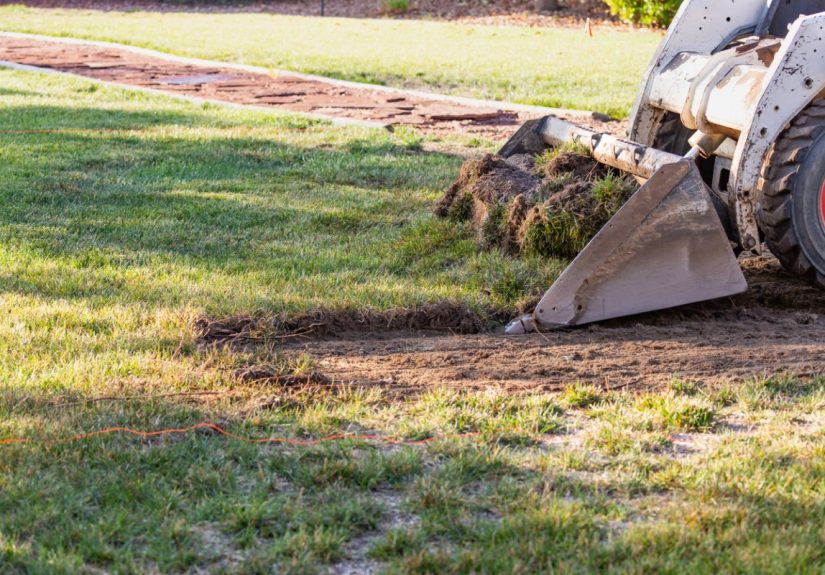
I went the DIY route to stretch my rebate dollars, renting a sod cutter and bribing friends with pizza. We removed the turf, leveled the soil, and capped old sprinkler heads where we no longer needed them.
Step 4: Install Plants, Mulch, and Drip Irrigation
Once the grass was gone, the fun really started. I ran new drip lines to plant zones, laid down mulch to keep the soil cool and moist, and planted my chosen mix of shrubs, perennials, and groundcovers.
The transformation was dramatic. Overnight, my cookie-cutter lawn became a textured, layered landscaperocks, plants at different heights, and paths that actually invited you to walk through the yard instead of just admire it from the sidewalk.
Step 5: Final Inspection and Rebate Check
Most programs require a final inspection. A water district representative visited, checked that I’d removed the agreed amount of turf, confirmed my plant coverage and irrigation setup, and snapped a few “after” photos.
A few weeks later, a glorious rebate check appeared in my mailbox. It didn’t cover every single cost, but it shaved thousands of dollars off the project and made the entire thing feel like a very smart financial decision instead of just an eco-friendly splurge.
Pros and Cons of Getting Paid to Remove Your Lawn
Before you start drafting your goodbye speech to your grass, it’s worth weighing the benefits and potential drawbacks.
Big Benefits
- Lower water bills: Once your plants establish, your irrigation needs drop dramatically compared with turf, and your monthly bill reflects it.
- Less maintenance: No more weekly mowing, edging, and fertilizing. Your weekends suddenly open up.
- Environmental wins: You save water, reduce fertilizer and pesticide runoff, and can support pollinators with flowering plants.
- Better curb appeal: A well-designed low-water landscape can look far more interesting than uniform grass.
- Cash incentive: The rebate helps offset upfront costs and makes it easier to justify the project.
Potential Drawbacks
- Upfront cost and labor: Even with a rebate, there’s real money and effort involvedespecially if you DIY.
- Learning curve: You’ll need to understand drip irrigation, plant spacing, and seasonal care.
- HOA and neighborhood expectations: Some communities still cling to the “golf course lawn” aesthetic. You may need to explain (patiently) that your yard is intentional and compliant.
- Time to fill in: Young plants can look a bit sparse at first. It may take a year or two before your landscape feels truly lush.
For many homeownersespecially in drought-prone regionsthe pros easily outweigh the cons. But going in with realistic expectations makes the process far less stressful.
Tips for Maximizing Your Lawn Removal Rebate
1. Don’t Remove Grass Before You Apply
This is worth repeating: most programs only pay for lawn that’s still present when you apply. If you already removed the grass, it’s usually not eligible. Take photos, measure carefully, and wait for your official “go” before you start demolition.
2. Read the Fine Print
Every program has specific rules about plant coverage, irrigation methods, and what materials are allowed. Some require a certain percentage of plant canopy at maturity; others prohibit large areas of bare rock or artificial turf. Skim the guidelines before you buy a single plant.
3. Stack Rebates and Resources
In some areas, regional water districts partner with local cities or utilities, meaning you might have access to stacked incentives or bonus rebates for planting trees or using native species. Look for:
- Bonus dollars per square foot for switching to native plants.
- Extra incentives for adding shade trees.
- Free or discounted design consultations.
- Workshops on drip irrigation and low-water gardening.
4. Think Long-Term Maintenance
Design your new yard with future you in mind. Group plants by water needs, avoid super-fussy species, and choose mulch and groundcovers that suppress weeds instead of inviting them. A little planning now prevents your yard from turning into a “before” photo in a future Bob Vila article about what not to do.
5. Document Everything
Take plenty of before, during, and after photos. Keep your receipts for plants, irrigation parts, and materials, in case your program requires proof of purchase. Photos also come in handy if you ever want to brag to friends with the line, “Want to see how the government paid me to remodel my front yard?”
Real-Life Lessons From Removing My Lawn
On paper, my lawn-removal story looks neat and tidy: applied, got approved, tore out grass, installed a lovely xeriscape, cashed a rebate check, lived happily ever after. In reality, it felt more like a sitcom episode with extra dirt. Here are some of the experiences and lessons that might help you if you decide to follow a similar path.
Neighbors Will Have Opinions (Lots of Them)
The first week I started tearing out the lawn, my front yard looked like a construction site crossed with a dust bowl. Neighbors slowed down as they drove by. A few walked over with questions like, “Everything okay?” and “You’re not putting in gravel only, right?”
Once I explained that the city was literally paying me to replace the grass with a water-efficient landscape, the tone shifted. Instead of suspicion, I started hearing, “Wait, they’ll pay me too?” and “Can you send me the link to that program?” Don’t be surprised if your messy transition phase becomes a neighborhood conversation starter.
Your Back Will Feel It (But Only Once)
Removing turf by hand is no joke. Renting a sod cutter helps, but there’s still hauling, leveling, and spreading mulch. I treated it like a workout plan: “Day 1: destroy front lawn. Day 2: ice my knees.”
If that doesn’t sound appealing, hiring out the heavy labor and focusing on planting and design can still make financial sense, especially if your local rebate is generous. Just build labor into your budget from the start so you’re not surprised later.
The “Ugly Phase” Is Temporary
There’s a moment in every landscape project where you look at your yard and think, “Oh no, what have I done?” For me, it was after the grass was gone but before most of the plants were in. The bare soil and scattered irrigation tubing did not exactly scream “curb appeal.”
But within a few weeksonce plants were installed, mulch spread, and rocks set in placethe yard started to make sense. After a full season of growth, it looked like it had been there for years. Be patient with that awkward middle stage; it’s part of the process.
You’ll Start Noticing Everyone Else’s Lawns
Once you go through a turf replacement project, you’ll never look at grass the same way again. You’ll find yourself mentally calculating how much money your neighbors could get if they converted their own lawns and how much water you’re collectively using on areas nobody ever sits on.
You may also gain a new appreciation for well-designed low-water landscaping. Instead of seeing rocks and shrubs as a downgrade, you’ll notice how much texture, color, and interest a good xeriscape can add to a street.
The Savings Don’t Stop With the Rebate
The rebate check is a nice headline (“The government paid me to remove my lawn!”), but the quieter, long-term win is on your utility bill. With less outdoor watering, your monthly water costs drop. Over several years, those savings add upessentially giving you a silent, ongoing rebate for as long as you keep your yard water-smart.
And then there’s time. No more mowing, edging, and fertilizing every weekend. Instead, maintenance mostly means occasional pruning, checking drip lines, and pulling the rare weed. You trade in loud Saturday morning yard work for a quick stroll with a pair of pruning shears.
It Feels Good to Align Your Yard With Your Values
One of the unexpected benefits was psychological. It felt good knowing my yard was part of a solution instead of a small piece of a big problem. Instead of automatically clinging to a traditional lawn just because “that’s how it’s always been,” I got to rethink what my outdoor space was forbeauty, habitat, shade, and lower resource use.
That doesn’t mean every square foot of grass is evil. If you have kids who play on the lawn or pets who zoom around, it makes sense to keep a functional patch. But many of us maintain turf we never actually use. Turning those unused areas into climate-appropriate landscaping is a smart, satisfying upgrade.
Is Getting Paid to Remove Your Lawn Worth It?
So, is it worth it to join the ranks of people who can casually announce, “The government paid me to rip out my grass” at dinner parties?
If you live in a region with turf replacement or cash-for-grass rebates, the answer is often yesespecially if your lawn is mostly decorative and your water bills are high. The upfront work and learning curve are real, but the combination of immediate rebate money, long-term water savings, reduced maintenance, and environmental benefits makes a compelling case.
In the end, trading a traditional lawn for a thoughtfully designed low-water landscape isn’t just a trend Bob Vila writes aboutit’s a smart, practical home improvement that can pay you back in multiple ways. And honestly, it’s hard not to enjoy the look on people’s faces when you explain that, for once, you got paid not to water your lawn.