Table of Contents >> Show >> Hide
- How this fan ranking works (and what “funny” means here)
- What makes a horror movie hilarious (without killing the dread)
- The Funniest Horror Films of the 2010s, Ranked by Fans
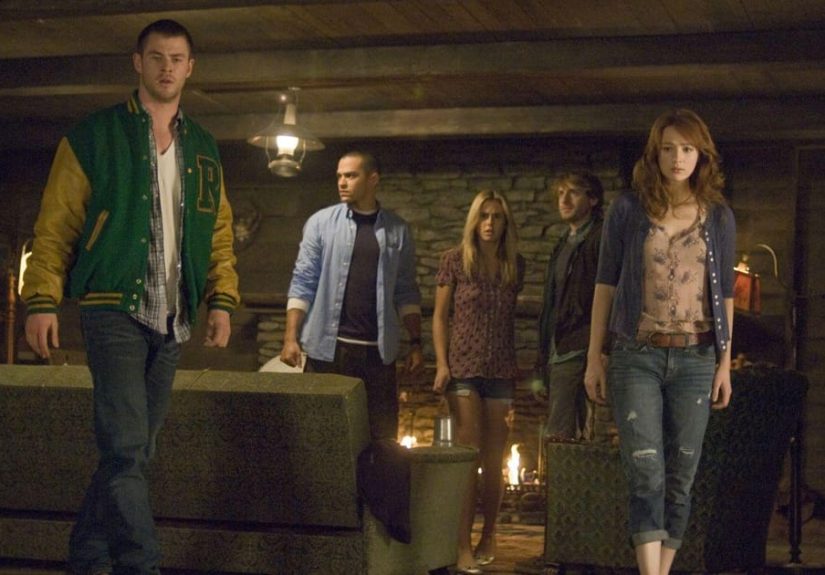
- The Cabin in the Woods (2012)
- Happy Death Day (2017)
- Ready or Not (2019)
- What We Do in the Shadows (2014)
- Krampus (2015)
- Piranha 3D (2010)
- Little Monsters (2019)
- Mom and Dad (2017)
- Bad Milo! (2013)
- Get Out (2017)
- You’re Next (2011)
- Rubber (2010)
- Split (2016)
- Countdown (2019)
- The House That Jack Built (2018)
- Midsommar (2019)
- 100 Bloody Acres (2012)
- REC 3: Génesis (2012)
- The Killing of a Sacred Deer (2017)
- Mother! (2017)
- What fans consistently love about funny horror in the 2010s
- Bonus: 500+ Words of Viewing Experiences Fans Actually Relate To
- Conclusion
Horror and comedy aren’t supposed to be friends. One is the cinematic equivalent of hearing a floorboard creak when you’re home alone.
The other is laughing so hard you snort… also when you’re home alone (no judgment). And yet the 2010s somehow turned “funny horror”
into a full-blown buffet: slashers with punchlines, monster movies with manners, and social thrillers that make you laugh right before
you realize you should probably stop laughing.
This fan-ranked list celebrates the 2010s horror films that earned the biggest laughs without surrendering the scares. Some are
obvious horror-comedies. Others are darker, drier, and more “I can’t believe I’m laughing at this” than “ba-dum-tss.” That range is the
whole point: the decade proved that funny horror can be goofy, satirical, mean, clever, or all of the above in one perfectly timed scream.
How this fan ranking works (and what “funny” means here)
The rankings below follow a fan-voted order (the most “people have spoken” version of ranking you can get without renting a stadium).
To keep the list grounded in real-world reception, the commentary also reflects how these movies are commonly discussed across major
audience-rating and film-coverage platforms: the titles that people rewatch, quote, recommend for group movie nights, and argue about
in the comments like it’s a competitive sport.
Also: “funny” in horror doesn’t always mean “jokes every 15 seconds.” Sometimes it’s the absurdity of the premise, the chaos of a
set-piece, the satire underneath the scares, or that one character whose survival strategy is basically “panic, but with confidence.”
What makes a horror movie hilarious (without killing the dread)
1) Comedy that comes from the setup, not a stand-up routine
The funniest horror movies don’t pause the plot to tell jokes. They build situations where the laughter is inevitable: a tradition,
a misunderstanding, a curse, a “simple” game night that turns into a full-contact sport.
2) A straight face in a ridiculous situation
Dead-serious performances make absurdity funnier. When the characters treat the nonsense as totally normal, your brain can’t decide
whether to scream or giggleso it does both.
3) Satire sharp enough to draw blood
The 2010s loved social commentary. Plenty of the decade’s funniest horror films use humor as a Trojan horse: you laugh, the message
gets inside, and then you spend the drive home thinking about it.
The Funniest Horror Films of the 2010s, Ranked by Fans
-
The Cabin in the Woods (2012)
A “let’s go to a cabin” setup becomes a genre demolition derby: familiar horror tropes get flipped, labeled, and launched like a
science project with a grudge. The humor lands hardest if you’ve watched enough horror to recognize the rulesbecause this movie
knows the rules, loves the rules, and then sets the rulebook on fire for fun. It’s playful, brutal, and weirdly affectionate toward
the very clichés it skewers. -
Happy Death Day (2017)
A masked killer meets a time loop, and suddenly the scariest thing on campus isn’t the murdererit’s having to relive the same day
until you fix your life choices. The comedy comes from escalation: every reset adds frustration, confidence, and a little more
“fine, I guess I’m detective now.” It’s a slasher that understands timing, both in scares and in punchlines, and it keeps the pace
moving like it’s late for class. -
Ready or Not (2019)
A wedding night turns into a lethal game of hide-and-seek, and the real joke is that the people doing the hunting are rich, armed,
and hilariously incompetent. The comedy is sharp, the violence is gleefully chaotic, and the tension stays high because the heroine
refuses to be a passive target. If you like your laughs served with frantic sprinting, panicked whispers, and “are you kidding me?”
levels of bad luck, this is your movie. -
What We Do in the Shadows (2014)
Vampires as roommates is already a great idea. Vampires as roommates being filmed like a low-budget documentary is even better.
The humor is dry, character-driven, and packed with little details about immortal weirdos trying to function in modern society:
chores, social rules, petty arguments, and the eternal struggle of being undead and still somehow disorganized. It’s cozy-chaotic,
like a haunted house where everyone forgot to pay the electric bill. -
Krampus (2015)
Holiday horror with a mischievous streak: the movie bottles up family stress, seasonal nostalgia, and winter isolationthen lets
mythical punishment stomp through it like it owns the place. The humor is dark and mischievous, threaded through creepy toy-like
monsters and “this is why we don’t invite everyone to Christmas” energy. It’s a seasonal treat if you want scares with a side of
wicked, twinkly chaos. -
Piranha 3D (2010)
This one knows exactly what it is: a shameless, over-the-top creature feature with spring-break chaos and gore dialed up to
“please don’t spill your popcorn.” The comedy comes from the audacitybig, splashy set-pieces that are so outrageous you end up
laughing as a defense mechanism. It’s not subtle, it’s not polite, and it’s absolutely not here to be sensible. -
Little Monsters (2019)
A zombie outbreak is bad. A zombie outbreak during a children’s field trip is worse. The twist is that an adult (very loudly)
pretending everything is a game becomes the most heroic form of lying. The humor mixes sweetness and panic: cheerful performances,
kid-friendly distractions, and a growing pile of “we have to keep this together for the children” absurdity. It’s heartfelt, funny,
and surprisingly tense when the rules stop being pretend. -
Mom and Dad (2017)
The nightmare premiseparents suddenly turning violent toward their kidsgets filtered through manic energy and pitch-black
comedy. The tone is frantic and uncomfortable in a way that’s weirdly compelling, especially when the chaos ramps up faster than
anyone can explain. It’s the kind of movie that makes you laugh and then immediately check your emotional settings like, “Is my
empathy on airplane mode?” -
Bad Milo! (2013)
Stress becomes literal in the grossest way possible: a creature that manifests from digestive misery and takes revenge on the
sources of anxiety. Yes, it’s bodily. Yes, it’s ridiculous. And yes, that’s why it’s funny. The movie plays like a workplace
nightmare with monster-movie consequences, using discomfort (both emotional and gastrointestinal) to fuel the laughs. -
Get Out (2017)
The humor here is razor-edged: awkward social interactions, “well-meaning” comments that land like darts, and comedic relief that
actually makes the tension sharper. The laughs aren’t randomthey’re part of the story’s critique, exposing how unsettling
politeness can be when it masks something darker. It’s a film that can make you smirk, then immediately realize you’re holding
your breath. -
You’re Next (2011)
A home invasion story that quietly refuses to behave like a typical home invasion storyespecially once it reveals who’s actually
prepared. The humor is dry and self-aware: bickering, shocking reversals, and moments where the expected “horror logic” gets
replaced by competent survival instincts. It’s satisfying in a way that makes audiences laugh out of surprise and relief, like
watching a plan finally work in a genre where plans usually die first. -
Rubber (2010)
A tire becomes sentient and starts killing people. If your brain just asked, “Why?” congratulationsyou’re already in the movie.
The comedy is meta and strange: it pokes at storytelling, audience expectations, and the sheer silliness of cinematic “because
reasons.” It’s goofy on the surface, but there’s a smug little intelligence underneath, like it’s laughing with you and at you at
the same time. -
Split (2016)
Not a traditional comedy-horror, but it contains uncomfortable, nervous laughterthose moments where a scene feels both bizarre
and frightening because the character in control can change at any second. The film uses tonal whiplash as a tool: moments of odd
behavior or unsettling sincerity that can trigger an uneasy chuckle before the dread clamps down again. It’s more “darkly funny”
than “funny-funny,” and it earns that distinction. -
Countdown (2019)
A horror premise built from modern habits: we download things, click “agree,” and hope the consequences aren’t supernatural.
The humor comes from recognitionour relationship with apps, addiction to certainty, and the way fear spreads like a notification.
It leans into a tongue-in-cheek tone while still delivering jump-scare energy, like a cautionary tale that also wants to roast your
screen time. -
The House That Jack Built (2018)
This is bleak, provocative, and absolutely not a crowd-pleaser in the traditional sense. The comedy is pitch-black and often
stems from discomfortwatching a character rationalize monstrous behavior with a confidence that’s almost absurd. If your sense of
humor leans toward “this is horrifying, but the audacity is unreal,” the film’s grim satire may land. If not, it will likely feel
more punishing than funny. -
Midsommar (2019)
Daylight horror with a dose of relationship satire: the awkwardness, the social cues, the “please don’t do that in front of
strangers” momentsthen the ritual nightmare begins. The humor is dark and situational, rooted in the absurdity of being trapped
in a community where everyone smiles while things get progressively more wrong. It’s not a joke machine, but it has moments that
hit like a grim, cathartic punchline. -
100 Bloody Acres (2012)
A horror setup with an entrepreneurial twist: two brothers run an organic fertilizer business with a secret ingredient that’s…
extremely illegal. The humor is character-basedawkward decisions, escalating panic, and the way desperation turns into slapstick
violence. It plays with “rural horror” expectations while keeping the tone brisk and mischievous, like a crime story that wandered
into a slaughterhouse and forgot how to leave. -
REC 3: Génesis (2012)
A wedding is already stressful. Now add an outbreak and the kind of chaos that turns romantic ceremony into full-blooded sprint
survival. The film leans into over-the-top mayhemgory set-pieces so outrageous they become darkly funny, especially when the
wedding imagery collides with relentless violence. It’s a wild ride that doesn’t ask you to take it seriously, and that’s why the
laughs show up. -
The Killing of a Sacred Deer (2017)
The humor here is icy and unsettling: characters speak in flat, odd rhythms that make ordinary conversations feel surreal. The
result can be strangely funny in a “what planet are we on?” way, even as the story tightens into dread. It’s not comedic in the
conventional sense, but the deadpan tone and moral weirdness can provoke laughter that immediately turns into anxietylike you
laughed by accident. -
Mother! (2017)
A fever-dream allegory that escalates into chaos so extreme it becomes darkly absurd. The humor is not “ha-ha,” but the audacity
of the symbolism and the relentless piling-on can make viewers laugh in disbelief, especially on a rewatch when you realize how
intentionally everything is staged. It’s the kind of movie where the reaction isn’t “That was funny,” but “I can’t believe they
did that,” followed by nervous laughter and a long stare.
What fans consistently love about funny horror in the 2010s
- High-concept premises: Time loops, deadly family traditions, killer apps, and “what if a tire had a vendetta?”
- Genre-awareness: Movies that know the clichés and weaponize them for both tension and laughs.
- Comedy under pressure: The funnier it gets, the more you realize the characters are still in real danger.
- Satire with teeth: Social commentary that hits harder because it’s delivered with wit.
- Memorable chaos: Scenes that are so wild you remember them for yearsand recommend them immediately.
Bonus: 500+ Words of Viewing Experiences Fans Actually Relate To
Watching funny horror is a different kind of experience than watching straight horror, because the emotion-switching is the main event.
One minute your shoulders are up around your ears, bracing for something awful, and the next minute you’re laughingsometimes loudly,
sometimes quietly, sometimes with the guilty realization that you just laughed at a moment that probably shouldn’t be funny. That’s the
genre’s special skill: it makes your brain do cardio.
Funny horror also hits harder in groups. In a living room, the laughs become contagious, and the scares become communal. Someone
inevitably yells “DON’T OPEN THAT,” someone else says “I would simply leave,” and suddenly the movie becomes interactive without
anyone touching the remote. Films like Ready or Not and Happy Death Day thrive in that environment because their
pacing invites reactions: a near-miss, a sudden reversal, a perfectly timed line that breaks the tension like a safety valve.
Then there’s the “rewatch factor” that fans love. Straight horror can be intense to revisit; funny horror often becomes a comfort pick
(a comfort pick that occasionally contains decapitations, sure, but still). On a rewatch, you start noticing craft: how
The Cabin in the Woods plants little genre jokes in the background, how What We Do in the Shadows builds humor from
character habits, how the tone of Get Out uses awkwardness as a weapon. The second time through, you’re not just reacting;
you’re catching patterns, timing, and little choices that make the whole thing sharper.
Fans also tend to have a “personal funny horror spectrum.” Some people want the goofiest stuff possiblegive them a ridiculous
premise and let the absurdity fly. Others want horror first and comedy second: they prefer movies where the jokes make the fear more
intense by contrast. That’s why one person calls Midsommar darkly hilarious and another person says, “I didn’t laugh once, I
just aged ten years.” Both reactions can be true. Funny horror is less about universal jokes and more about how you process tension.
And let’s not ignore the strangely satisfying emotional arc these movies deliver. Funny horror often starts with a familiar setup,
then turns survival into a weird kind of empowerment. The heroine stops being a victim and becomes a problem. The “rules” get exposed.
The monster gets mocked. Even when the story goes bleak, the humor can make the experience feel catharticlike you stared into the
abyss and the abyss slipped on a banana peel.
If you’re building your own funny-horror marathon, the experience usually works best in waves: start with something crowd-friendly
and high-energy (like Happy Death Day), then go meta (The Cabin in the Woods), then go cozy-weird
(What We Do in the Shadows), then finish with a darker, stranger option if your group is still brave (or foolish). The best
part is the post-movie conversation: arguing whether something was hilarious or horrifying, quoting lines, and discovering that your
friend’s definition of “fun” includes significantly more blood than you expected.
Conclusion
The 2010s didn’t just produce great horror moviesthey produced funny horror that actually lasts. These films prove you can laugh
without defanging the fear, and you can scare people without draining the fun. Whether you want clever meta-commentary, chaotic
survival games, or dark satire that makes you laugh and then reconsider your entire personality, the decade has a title (or twenty)
ready to ruin your sleep in the most entertaining way possible.