Table of Contents >> Show >> Hide
- What “Tone” Really Means (and Why It’s Not a Magic Setting)
- Meet Your Thigh Team: What You’re Training
- The Best Strength Exercises to Tone Thighs
- 1) Squat Pattern (Quads + Glutes + Inner Thigh Support)
- 2) Lunge Pattern (Quads + Hamstrings + Glutes + Balance)
- 3) Step-Ups (Quads + Glutes + “Real Life” Strength)
- 4) Hip Hinge Moves (Hamstrings + Glutes = Back-of-Thigh Definition)
- 5) Side-to-Side Training (Outer Thigh/Glute Med + Knee Control)
- 6) Inner Thigh Finishers (Adductors, Done Smart)
- How Often to Train for Toned Thighs
- Cardio That Supports Thigh Toning (Without Stealing Your Strength)
- A Simple, Effective “Tone Thighs” Workout Blueprint
- Nutrition for Thigh Definition (No Weird Rules Required)
- Recovery: The Secret Ingredient People Skip (Then Wonder Why Their Legs Hate Them)
- Common Mistakes That Stall Thigh-Toning Results
- How Long Until You See Thigh-Toning Results?
- of Real-World “Thigh Toning” Experiences (What It Looks Like in Actual Life)
- Conclusion
“Toning your thighs” sounds like a single mission, but it’s really a two-part strategy: build (or maintain) muscle in your legs
and reduce the layer of body fat that can hide that muscle. The fun twist? You can absolutely get stronger, more athletic thighs
without living in the gym or surviving on sadness salads.
This guide breaks down what “toned” actually means, the most effective thigh exercises (with form cues that keep knees happy),
and how to combine strength, cardio, recovery, and nutrition so your legs can do their job: carry you through life like the
dependable legends they are.
What “Tone” Really Means (and Why It’s Not a Magic Setting)
Muscles don’t “tone” the way your phone adjusts brightness. In fitness terms, a “toned” look usually comes from:
- Stronger, slightly larger muscle fibers in the quads, hamstrings, glutes, and inner/outer thighs.
- Lower overall body fat, so muscle definition is more visible.
- Better posture and movement, which can make legs look (and feel) more powerful.
One big myth to retire: you can’t “spot reduce” fat from your thighs by doing 500 inner-thigh squeezes while watching TV.
Your body decides where it loses fat based on genetics, hormones, and overall habits. What you can do is train the muscles
you want to emphasize and create a sustainable routine that supports overall fat loss, if that’s a goal.
Meet Your Thigh Team: What You’re Training
Your thighs are a powerhouse made of multiple muscle groups:
- Quadriceps (front of thigh): straightening the knee, climbing stairs, standing up from chairs.
- Hamstrings (back of thigh): bending the knee, hip extension, sprinting, stabilizing the knee.
- Adductors (inner thigh): bringing the leg toward midline, stabilizing hips and knees.
- Abductors (outer hip/thigh area): moving the leg outward, controlling knee alignment.
- Glutes (honorary thigh MVPs): hip extension, power, and keeping your knees from caving in.
The Best Strength Exercises to Tone Thighs
If you only remember one thing, make it this: progressive resistance training is the fastest way to change how your thighs
look and perform. Start with bodyweight, master form, then gradually add challenge (more reps, more weight, slower tempo, deeper range,
harder variations).
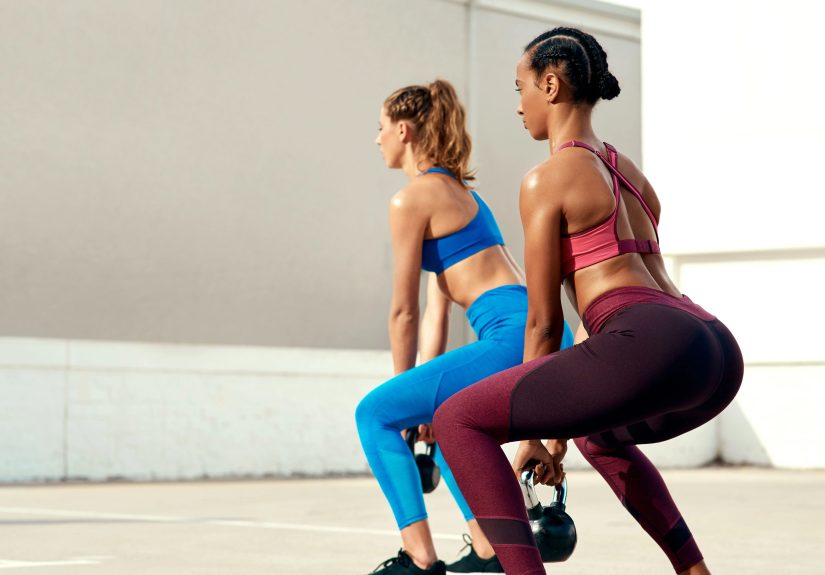
1) Squat Pattern (Quads + Glutes + Inner Thigh Support)
Why it works: Squats train the big muscles that give thighs shape and strength.
- Beginner: Chair squat (tap a chair, stand back up).
- Progress: Goblet squat (hold a dumbbell/kettlebell at chest).
- Challenge: Front squat or split squat (if you have experience).
Form cues: Keep chest tall, brace your core like you’re about to laugh, and let knees track in line with toes
(not collapsing inward).
2) Lunge Pattern (Quads + Hamstrings + Glutes + Balance)
Lunges are a thigh-toning classic because they train one leg at a timegreat for strength, symmetry, and stability.
- Beginner: Reverse lunge (often kinder to knees than forward lunges).
- Progress: Walking lunge (adds coordination and control).
- Challenge: Deficit lunge (front foot elevated slightly) or dumbbell lunges.
Form cues: Tall torso, step long enough that your front shin stays mostly vertical at the bottom.
Start unweighted until your form feels smooth and confident.
3) Step-Ups (Quads + Glutes + “Real Life” Strength)
Step-ups are basically “stairs, but intentional.” They’re excellent for thighs because they mimic daily movementwithout pretending
you’ll never need to climb a staircase again.
- Use a stable bench or sturdy step. Start low; increase height as strength improves.
- Drive through the whole foot (especially the heel/midfoot), not just the toes.
- Control the lowering phaseno dramatic flop back down.
4) Hip Hinge Moves (Hamstrings + Glutes = Back-of-Thigh Definition)
Many people hammer quads and forget hamstrings. If you want balanced, athletic thighs, hinges are non-negotiable.
- Beginner: Hip hinge drill + glute bridge.
- Progress: Romanian deadlift (dumbbells or barbell).
- Challenge: Single-leg Romanian deadlift (balance + strength).
Form cues: Push hips back like you’re closing a car door with your butt, keep spine neutral,
and feel a stretch in the hamstringsnot your lower back.
5) Side-to-Side Training (Outer Thigh/Glute Med + Knee Control)
If knees cave inward during squats or lunges, your outer hip muscles are asking for attention.
- Lateral lunge: step wide, sit into the hip, keep the other leg straight.
- Side step with band: small steps, constant tension.
- Clamshells: great accessory move for hip stability.
6) Inner Thigh Finishers (Adductors, Done Smart)
Inner thighs get trained in squats and lunges, but direct work can help with stability and “complete the set.”
- Copenhagen plank (modified): start with knee supported on a bench.
- Standing adduction with band/cable: controlled movement, no swinging.
- Sumo squat: wider stance emphasizes inner thigh involvement.
How Often to Train for Toned Thighs
A practical, results-friendly schedule:
- Strength training: 2–3 days per week (lower body focus 2 days, optional full-body day).
- Cardio: aim for weekly movement targets (walks, cycling, swimming, intervalsmix it up).
- Rest: give hard-worked muscles time to recover (often 48 hours between tough lower-body sessions).
For most people, sets of 8–12 reps work well for building muscle when the last few reps feel challenging with good form.
If you’re newer, even 1–2 solid sets per exercise can be effectiveconsistency matters more than doing “the most.”
Cardio That Supports Thigh Toning (Without Stealing Your Strength)
Cardio helps with heart health, work capacity, and can support overall fat loss. The trick is choosing types and amounts that don’t leave
your legs too cooked to lift well.
Low-Impact Cardio (Great for Consistency)
- Incline walking: sneaky glute/hamstring work with low joint stress.
- Cycling: quad-friendly, easy to scale intensity.
- Elliptical or swimming: joint-friendly options when knees need a break.
HIIT (Use Like Hot Sauce, Not a Beverage)
High-intensity interval training can be efficient, but it’s demanding. If you’re new, keep it to 2–3 sessions per week
with recovery days between, and start with short work intervals. If you have medical concerns, check with a clinician before diving in.
A Simple, Effective “Tone Thighs” Workout Blueprint
Here are two lower-body sessions you can rotate. Adjust weights so the last 2 reps feel tough while your form stays sharp.
Workout A: Squat + Step + Finish
- Warm-up (5–8 minutes): brisk walk + leg swings + bodyweight squats
- Goblet squat: 3 sets × 8–12 reps
- Step-ups: 3 sets × 8–10 reps each leg
- Glute bridge (or hip thrust): 3 sets × 10–15 reps
- Band side steps: 2 sets × 12–20 steps each direction
- Optional finisher: 5–10 minutes incline walking
Workout B: Hinge + Lunge + Inner Thigh
- Warm-up (5–8 minutes): light cycling + hip hinges + lunges without weight
- Romanian deadlift: 3 sets × 8–12 reps
- Reverse lunge: 3 sets × 8–10 reps each leg
- Lateral lunge: 2–3 sets × 6–10 reps each side
- Standing band adduction: 2 sets × 10–15 reps each side
- Calf raises (bonus): 2–3 sets × 10–15 reps
Want a third strength day? Make it full body (push, pull, core, plus one leg move) so your thighs get stimulus without
being hit hard three times in a row.
Nutrition for Thigh Definition (No Weird Rules Required)
You don’t need a dramatic diet to support thigh toning. You need enough protein, whole-food carbohydrates for training energy,
and healthy fats for hormones and satiety.
- Protein: include a source at each meal (eggs, Greek yogurt, tofu, chicken, beans, fish).
- Carbs: choose quality sources (oats, rice, potatoes, fruit, whole grains) to fuel workouts.
- Fiber + color: veggies and fruit help recovery and keep digestion happy.
- Hydration: especially on leg daycramps are not a personality trait.
Recovery: The Secret Ingredient People Skip (Then Wonder Why Their Legs Hate Them)
Muscle is built when you recover from training, not while you’re mid-squat contemplating your life choices.
- Sleep: aim for consistent, adequate sleepyour body does a lot of repair work here.
- Rest days: light walking or gentle mobility can help you feel better without grinding you down.
- Progression: increase challenge gradually. Sudden spikes in volume are a fast pass to soreness and setbacks.
Common Mistakes That Stall Thigh-Toning Results
- Chasing spot reduction: thigh exercises strengthen thighs, but fat loss is whole-body.
- Only doing cardio: it’s great for health, but muscle definition comes from resistance training.
- Going heavy too soon: form first, then load. Your knees will send thank-you notes.
- Ignoring hamstrings and glutes: balanced training improves aesthetics and performance.
- No plan to progress: if nothing changes (reps, weight, tempo), your body has no reason to adapt.
How Long Until You See Thigh-Toning Results?
Many people notice strength and “tightness” changes in 3–6 weeks if they’re consistent. Visible definition can take longer,
depending on starting point, genetics, stress, sleep, and nutrition. Track progress by:
- Noting strength gains (heavier goblet squat, smoother lunges, higher step-ups).
- Measuring how clothes fit and how stairs feel (seriously, stairs don’t lie).
- Taking occasional photos in the same lighting (if that’s helpful for you).
of Real-World “Thigh Toning” Experiences (What It Looks Like in Actual Life)
Here’s the part most guides skip: “toning thighs” doesn’t happen in a pristine gym montage where you’re always motivated and never stuck
behind someone filming a “leg day aesthetic” in the only squat rack. It happens in messy, normal lifewhere your calendar is rude and your
muscles are honest.
Experience #1: The Stair Surprise. A lot of people start thigh training because they want more definition, but the first win they
notice is functional: stairs feel easier. One week you’re huffing up two flights like you’re carrying groceries made of bricks. A month later,
you’re still carrying groceries (because adulthood), but you’re less winded and your knees feel more stable. That’s the “step-up effect” in
disguise: you trained a movement pattern that shows up everywherestairs, curbs, hiking trails, and that awkward moment you have to climb into a
pickup truck like it’s Mount Everest.
Experience #2: The “My Jeans Fit Different” Plot Twist. People often expect thigh work to only shrink things. But strength training can
change shape before it changes size. The first difference might be that your thighs feel firmer and your legs look more athletic, even if the scale
is being dramatic. Some notice their jeans fit better through the hips because stronger glutes and thighs support posture. Others realize they’ve been
underestimating food and sleepbecause suddenly leg day demands a snack and a bedtime. The lesson: your body adapts to what you repeatedly ask it to do,
and it prefers clear instructions (workout plans) over random panic sessions.
Experience #3: The Form “Aha” Moment. Many thigh-training journeys include a chapter called “Why Do My Knees Feel Weird?”
The happy ending is almost always the same: better form and better hip strength. When people learn to keep their torso tall on lunges, control the
descent, and stop letting knees cave inward, everything improvescomfort, strength, and confidence. It’s also when workouts stop feeling like punishment
and start feeling like practice. You’re not “doing lunges.” You’re training balance, control, and power. That mental shift is huge.
Experience #4: The Consistency Breakthrough. The best thigh results rarely come from heroic workouts. They come from showing up
twice a week for months. People who succeed usually build a “minimum effective dose” routine: two lower-body sessions they can do even on busy weeks,
plus walking or cycling they actually enjoy. Then, when life gets chaotic, they don’t quitthey just do the minimum and keep the habit alive.
That’s not boring. That’s elite.
If you take anything from these experiences, let it be this: thigh toning is less about chasing a perfect look and more about building a body that
feels capable. Definition is a bonus. Strength is the main character.
Conclusion
The best ways to tone thighs aren’t secret, trendy, or hidden behind an influencer’s “link in bio.” They’re built on evidence-based basics:
strength train your legs (squat, lunge, hinge, step), add cardio you can stick with, recover like it matters (because it does), and fuel your body
with balanced meals. Give it a few consistent weeks and your thighs will start respondingwith more power, more stability, and yes, more definition.