Table of Contents >> Show >> Hide
- Why Choose Wood Wall Paneling?
- 1. Shiplap: The Modern Farmhouse Favorite
- 2. Tongue-and-Groove: Clean Lines and Tight Joints
- 3. Beadboard: Classic Cottage Charm
- 4. Board and Batten: Bold, Architectural Grid
- 5. Raised Panel: Traditional and Elegant
- 6. Flat (Shaker-Style) Panels: Simple and Modern
- 7. Reclaimed Wood Planks: Rustic with a Story
- 8. Slatted & Acoustic Wood Panels: Sleek and Sound-Softening
- Choosing the Right Wood Paneling for Your Space
- Practical Tips for Installing Interior Planking
- Real-Life Experiences with Wood Wall Paneling
- 1. Start Small Before You Panel the Whole House
- 2. Paint Color Matters More Than You Think
- 3. Pre-Finished Panels Save Time (and Your Shoulders)
- 4. Paneling Can Improve SoundBut Only to a Point
- 5. Don’t Underestimate the Power of Good Tools
- 6. Think About Future Changes
- 7. Paneling Can Add ValueWhen Done Thoughtfully
- Conclusion
Wood wall paneling is having a major comeback. What used to scream “grandma’s
basement” is now all over design magazines, Pinterest boards, and your
neighbor’s new “modern farmhouse” living room. The good news? Today’s interior
planking comes in tons of styles, from classic beadboard to sleek slatted
panels, so you can find a look that fits your home instead of fighting it.
In this guide, we’ll walk through eight popular types of wood paneling for
walls, explain how they’re built, where they look best, and what to know
about costs, durability, and installation. Whether you’re dreaming up an
accent wall behind your bed or paneling an entire hallway, consider this
your crash course in interior planking.
Why Choose Wood Wall Paneling?
Before we get into the different panel styles, it helps to know why wood
paneling has become such a go-to again:
- Instant character: Paneling adds texture and shadow lines that plain drywall just can’t match.
- Wall protection: Panels help shield vulnerable walls from scuffs, dents, and everyday chaos from kids, pets, and furniture bumps.
- Flexible style: Depending on the design, wood paneling can look coastal, cottage, farmhouse, traditional, or ultra-modern.
- Conceals imperfections: Got lumpy plaster or patched drywall? Paneling can hide that without a full skim coat.
- Material options: Real wood, MDF, engineered planks, and even acoustic slat panels let you match your budget and performance needs.
Installed professionally, many wood paneling projects fall in the same range
as other wall upgrades, with national averages around a couple thousand
dollars for an entire room depending on materials and labor. Budget-friendly
options like pine and MDF panels are on the low end, while hardwoods and
custom millwork live at the premium end of the scale.
1. Shiplap: The Modern Farmhouse Favorite
If you’ve watched more than five minutes of home reno TV, you’ve met
shiplap. Traditionally used on the exterior of barns and
boats, shiplap boards have a rabbeted (notched) edge that lets one board
overlap the next to create a tight, shadowed joint.
Best For
- Casual spaces: living rooms, mudrooms, entryways.
- Farmhouse, coastal, or cottage-inspired interiors.
- Accent walls behind beds, fireplaces, or TV units.
Pros
- Distinct horizontal (or vertical) lines create strong visual interest.
- Often easier and cheaper to install than more intricate profiles.
- Works with painted or stained finishes.
Cons
- Overused in some markets, so it can feel trendy if you go overboard.
- Gaps can collect dust if not sealed and painted well.
- Improper installation can lead to warped boards or visible nail holes.
For a modern look, try wide planks with minimal gaps and a soft white or warm
greige paint color instead of stark bright white.
2. Tongue-and-Groove: Clean Lines and Tight Joints
Tongue-and-groove paneling looks similar to shiplap at a
glance, but it’s engineered differently. Each board has a “tongue” on one
edge and a “groove” on the other. The tongue fits snugly into the groove of
the neighboring board, locking them together like puzzle pieces.
Best For
- Spaces where a tighter, more precise joint is important.
- Ceilings, tall walls, and rooms where expansion and contraction are a concern.
- Rustic cabins and refined, painted paneling alike.
Pros
- Tight seams help minimize visible gaps as the wood moves.
- Works great vertically, horizontally, or even on ceilings.
- Excellent for both stain-grade and paint-grade finishes.
Cons
- Typically a bit more expensive than basic shiplap boards.
- Installation requires more precision; misaligned boards can telegraph down the wall.
- Repairs can be trickier because boards interlock.
If you want the clean, continuous look of wood planks without the pronounced
gaps that shiplap often shows, tongue-and-groove is a great fit.
3. Beadboard: Classic Cottage Charm
Beadboard paneling is made up of narrow vertical planks with
a ridge, or “bead,” between each board. It’s the go-to for cottage kitchens,
cozy bathrooms, and mudrooms that need both charm and durability.
Best For
- Wainscoting in bathrooms, dining rooms, and entries.
- Cottage, coastal, or bungalow-style interiors.
- Cabinet backs, kitchen islands, and built-ins.
Pros
- Instantly warms up a room and adds timeless texture.
- Available in real wood, MDF, and even moisture-resistant PVC.
- Often sold in large panels that go up quickly for DIYers.
Cons
- All those grooves can mean more surfaces to dust and paint.
- In very modern interiors it can look too traditional if overused.
- Cheaper, thin panels may dent more easily.
For high-moisture spaces, look for vinyl or PVC beadboard that resists
swelling and warping but still gives you that classic vertical line.
4. Board and Batten: Bold, Architectural Grid
Board and batten paneling uses wide flat “boards” with thin
vertical strips called “battens” that cover the seams. Inside, it creates a
strong grid pattern that feels architectural and tailored, even if it’s just
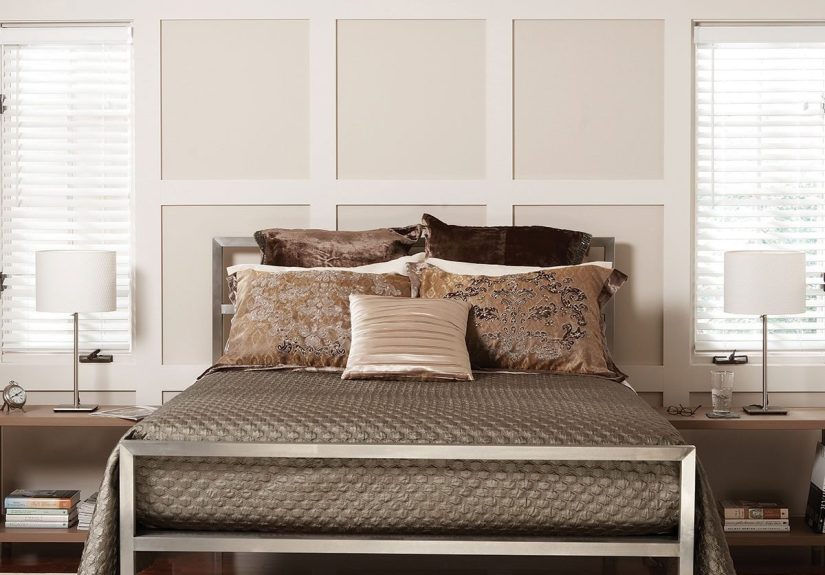
MDF and paint on top of drywall.
Best For
- Feature walls in bedrooms, dining rooms, and stairways.
- Rooms where you want a high-end, custom look.
- Transitional or traditional interiors.
Pros
- Highly customizable: you choose the height, spacing, and layout.
- Can be installed using simple stock boards or MDF strips.
- Looks more expensive than it often is, especially when DIYed.
Cons
- Requires careful measuring and layout to keep lines square and even.
- More caulking and painting due to all the edges and seams.
- Can feel formal if you prefer a very relaxed aesthetic.
A half- or two-thirds-height board and batten wall painted in a saturated
color (think deep green or navy) is a great way to add drama without darkening
the whole room.
5. Raised Panel: Traditional and Elegant
Raised panel woodwork is what many people picture when they
think of old-world libraries and formal dining rooms. This style uses frames
and center panels that are beveled or “raised,” creating depth and shadow.
Best For
- Formal living and dining rooms.
- Home offices, studies, and libraries.
- Historic or classic homes where you want architectural continuity.
Pros
- Instantly elevates a room and feels custom and built-in.
- Pairs beautifully with crown molding, chair rails, and traditional trim.
- Works well in stain-grade hardwoods or painted finishes.
Cons
- Usually one of the most expensive paneling options due to labor and detail.
- Not ideal if you prefer a super minimal or contemporary look.
- DIY-friendly only for very confident woodworkers with the right tools.
6. Flat (Shaker-Style) Panels: Simple and Modern
Flat panels, often called Shaker-style when used on doors
and cabinets, use recessed panels framed by simple stiles and rails. On walls,
they create a subtle grid that feels refined but not fussy.
Best For
- Modern, transitional, and Scandinavian-inspired interiors.
- Hallways, entryways, and bedrooms where you want quiet texture.
- Homes that blend traditional architecture with modern furnishings.
Pros
- Crisp lines without heavy ornamentation.
- Versatile: works with both bold colors and soft neutrals.
- Easier to dust and paint than highly profiled paneling.
Cons
- Still more labor-intensive than basic planked paneling.
- Requires precise carpentry to avoid crooked or gappy corners.
- Can look flat if you don’t balance it with other textures in the room.
7. Reclaimed Wood Planks: Rustic with a Story
For maximum character, reclaimed wood planks are hard to
beat. These boards are salvaged from old barns, factories, and other
structures, complete with nail holes, knots, and patina.
Best For
- Accent walls in living rooms, bedrooms, and home offices.
- Rustic, industrial, or eclectic interiors.
- Spaces where you want a focal point with lots of texture.
Pros
- Every board is unique, so no two walls will look the same.
- Eco-friendly choice that reuses existing materials.
- Instant warmth and visual interest, especially when balanced with sleek furnishings.
Cons
- Boards may be uneven, warped, or full of surprises (like hidden nails).
- Can be more expensive than new wood, especially if carefully milled and cleaned.
- Requires sealing and sometimes bug treatment before installation.
To keep reclaimed walls from feeling too heavy, use them on a single accent
wall and pair with light paint, lots of natural light, and simple furniture.
8. Slatted & Acoustic Wood Panels: Sleek and Sound-Softening
The newest star of the paneling world is the slatted or acoustic
wood panel. These panels are made from narrow wood slats mounted on
a felt or acoustic backing. They add modern, linear texture and can help with
sound absorption when installed correctly.
Best For
- Home offices, media rooms, and studios.
- Modern and mid-century inspired interiors.
- Hallways or entry walls where you want a sculptural feature.
Pros
- Instant high-end, designer look with minimal construction.
- Prefabricated panels go up faster than building slats one by one.
- Felt backing can help soften echoes and improve acoustics.
Cons
- Often pricier than basic wood planks, especially for large walls.
- Cutting around outlets and corners takes patience and good tools.
- Can look busy if used on every wall in a small room.
If budget is a concern, consider using slatted panels on just one focal wall
and painting the other walls a coordinating color to stretch your design
dollars.
Choosing the Right Wood Paneling for Your Space
With so many interior planking options, how do you choose? Start with three
key questions:
- What’s my style? Farmhouse fans usually gravitate toward shiplap or beadboard. Lovers of clean lines may prefer Shaker-style flat panels or slatted designs.
- How much texture do I want? Beadboard and reclaimed wood bring a lot of visual movement. Flat panels and tongue-and-groove offer a quieter backdrop.
- What’s my budget and skill level? Large MDF panels and simple DIY board and batten are more budget-friendly and approachable. Raised paneling and custom slats are best left to pros.
Also think about moisture, especially in bathrooms or basements. In damp
areas, moisture-resistant MDF, engineered wood, or PVC beadboard may be
better choices than solid pine or hardwood.
Practical Tips for Installing Interior Planking
- Plan your layout first: Measure wall height and width, then sketch where boards, battens, or slats will land. This helps you avoid awkward slivers of panel at the edges.
- Find your studs: Use a stud finder and mark them clearly so you can nail or screw panels securely.
- Acclimate the wood: Let boards sit in the room for a few days so they adjust to temperature and humidity before installation.
- Prime and paint smart: Many people like to prime and paint paneling before installation, then do a final coat in place to cover nail holes and caulked seams.
- Don’t skip caulk: Caulking gaps where panels meet trim gives you that crisp, finished look you see in magazines.
Real-Life Experiences with Wood Wall Paneling
Design blogs and TV shows make wall paneling look like a magical two-hour
transformation. In real life, it’s still one of the most satisfying DIY
projectsbut there are a few things homeowners learn the hard way. Here are
experience-based insights that can help you avoid common headaches.
1. Start Small Before You Panel the Whole House
Many people fall in love with shiplap on Instagram and immediately plan to
cover every wall in sight. Then they realize that all that horizontal line
work can make a small room feel busy. A smart move is to start with a single
accent wall or one wainscoted hallway. You’ll get a feel for how the style
changes the space before fully committing. If you still love it after living
with it for a few months, you can always expand.
2. Paint Color Matters More Than You Think
The same panel style can look totally different depending on the color you
choose. Bright white beadboard feels beachy and light; deep gray or navy
board and batten feels dramatic and cozy. Homeowners who regret their
paneling rarely dislike the actual woodworkthey just picked a color that
fights the room’s natural light or existing finishes. Always test large paint
swatches on your paneling and look at them morning, afternoon, and evening
before making a final decision.
3. Pre-Finished Panels Save Time (and Your Shoulders)
Hand-painting miles of grooves is nobody’s idea of a fun weekend. That’s why
many people now choose pre-primed or even pre-finished planks and slat
panels. With pre-finished options, installation becomes more like snapping
together a giant puzzle and less like entering a painting marathon. You may
still need touch-ups at nail holes and cut edges, but it’s far easier than
coating every surface from scratch.
4. Paneling Can Improve SoundBut Only to a Point
One pleasant surprise for many homeowners is that adding wood paneling often
makes rooms feel quieter and less echoey. The grooves, slats, and fibers
break up sound more than flat drywall. Acoustic slat panels take this a step
further with felt backing that absorbs sound reflections. That said, don’t
expect a fully soundproof room just because you added paneling. For serious
sound control, you still need insulation, rugs, curtains, and sometimes
additional acoustic treatments.
5. Don’t Underestimate the Power of Good Tools
People who have the best experience with interior planking tend to have one
thing in common: they use the right tools. A level, a miter saw or quality
miter box, a nail gun (even a small brad nailer), and a good caulk gun can
mean the difference between a weekend victory and a month-long project you
regret. Cutting hardwood or dense MDF around outlets and corners with a dull
hand saw is a fast track to frustration. Renting or borrowing tools can make
the job faster and cleaner.
6. Think About Future Changes
Another lesson that often pops up a few years later: plan your paneling with
future changes in mind. If you think you might move furniture, wall-mount a
TV, or add sconces later, consider running extra blocking or conduit behind
the paneling now. It’s much easier to add backing and wiring before the
boards go up than to fish through a finished wall later. Your future self
will be grateful when you decide to upgrade your lighting or rearrange the
room.
7. Paneling Can Add ValueWhen Done Thoughtfully
Good-quality wall paneling that suits the style of the home often reads as a
premium upgrade to buyers. Real estate agents frequently point out custom
millwork, wainscoting, and paneled accent walls in listing photos. The key is
balance: paneling that looks intentional and well-executed feels like a
selling feature, while cheap, poorly installed panels can have the opposite
effect. Choose a style that fits your home’s architecture and have it
installed cleanly, even if that means taking a little more time or hiring a
pro for tricky details.
Ultimately, the most successful wood paneling projects come from treating
the walls like a long-term investment rather than a quick trend. When you
choose the right style, material, and layout for your home, interior
planking can quietly elevate your space every single day.
Conclusion
Wood wall paneling has evolved far beyond the dark basement rec room of the
past. From airy shiplap and classic beadboard to dramatic raised panels,
rustic reclaimed planks, and sleek acoustic slats, there’s an interior
planking style for every taste and budget. The key is matching the look to
your home’s architecture, your personal style, and the way you actually use
the room.
Start with a single accent wall or wainscoting project, pay attention to
layout and prep, and don’t rush the finishing details. Done well, wood
paneling doesn’t just decorate your wallsit becomes part of the character
of your home for years to come.