Table of Contents >> Show >> Hide
- First: What “Best Temperature” Actually Means
- The Best Internal Temperature for Beef Tenderloin (With a Foolproof Chart)
- The Best Cooking Method Depends on Your Goal
- Whole Tenderloin vs. Filet Mignon: Temperature Rules Stay, Timing Changes
- The Thermometer Technique That Prevents Tenderloin Tragedy
- Prep Steps That Make Temperature Control Easier
- Specific Examples: Three “Nail It” Game Plans
- Troubleshooting: When Your Tenderloin Has Opinions
- So… What’s the Best Temperature for Beef Tenderloin?
- Experiences & Real-World Lessons: The Temperature Moments You Remember
Beef tenderloin is the luxury sedan of the beef world: smooth, tender, and a little too expensive to “wing it.” The good news? If you can read a thermometer, you can cook a tenderloin that tastes like a steakhouse special without needing a culinary degree (or a trust fund).
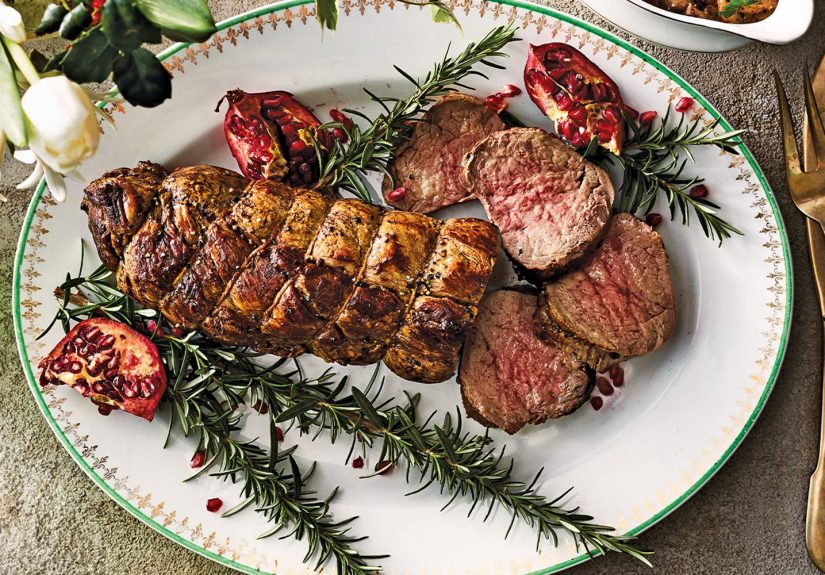
Here’s the big idea: the best temperature for beef tenderloin depends on the doneness you want, but for most people the “sweet spot” is medium-rarerosy, buttery, and still juicy. And because tenderloin is very lean, temperature control matters more than bravado.
First: What “Best Temperature” Actually Means
When people ask for the best temperature for beef tenderloin, they usually mean one (or both) of these:
- Target internal temperature (the number your thermometer reads in the thickest part).
- Oven/grill temperature (the heat level you cook at).
The internal temperature is the real boss. Oven temperature is just the vehicle that gets you there.
The Best Internal Temperature for Beef Tenderloin (With a Foolproof Chart)
Because tenderloin is lean and tender (not fatty and forgiving), it shines at lower final temps. Most cooks aim for medium-rare: 130–135°F as the final resting temperature.
Beef Tenderloin Temperature Chart (Pull Temp vs. Final Temp)
Pro tip: Tenderloin keeps cooking after you remove it from heat. That’s called carryover cooking, and it’s why smart cooks pull early and rest.
| Doneness | Pull From Heat At | Final Temp After Rest | What It’s Like |
|---|---|---|---|
| Rare | 120–125°F | 125–130°F | Deep red center, very soft, ultra-juicy |
| Medium-Rare (Most Popular) | 125–130°F | 130–135°F | Warm rosy pink, tender, best balance |
| Medium | 135–140°F | 140–145°F | Pink fading, firmer, less juicy |
| Medium-Well | 145–150°F | 150–155°F | Mostly gray, noticeably drier |
| Well Done | 155–160°F+ | 160°F+ | Very firm; tenderloin’s “why me?” zone |
A Quick Food Safety Reality Check (Without the Drama)
US food-safety guidance commonly cites 145°F plus a 3-minute rest for whole cuts like steaks and roasts. Many steakhouse-style results land below that, especially at medium-rare. If you choose lower temps, the risk tradeoff is yoursso buy quality meat, handle it carefully, and use a thermometer like it’s your job.
The Best Cooking Method Depends on Your Goal
There isn’t one “right” way to cook beef tenderlointhere’s the right way for your schedule and crust preferences. The internal temp targets stay the same; the method just changes how you get there.
Method 1: Classic Roast (Hot Oven, Simple, Great Crust)
If you want a handsome, holiday-worthy roast with minimal fuss, go classic.
- Oven temperature: Often 425°F (or even higher in some recipes for a shorter roast).
- Pull temperature: 125–130°F for medium-rare.
- Rest: 10–20 minutes, tented loosely with foil.
Why it works: High heat browns the outside and cooks the interior relatively fast. The key is not overshootingbecause once tenderloin is overcooked, it doesn’t “bounce back” with fat like ribeye does.
Method 2: Slow Roast / Reverse Sear (Maximum Evenness, Minimal Gray Band)
If you’ve ever sliced a roast and thought, “Why is there a thick gray ring around my beautiful pink center?” reverse searing is your new best friend.
- Oven temperature: Around 225°F (low and slow).
- Cook until: 120–125°F (then rest briefly).
- Finish: Sear hard in a screaming-hot pan or blast in a very hot oven to brown.
- Final temp goal: 130–135°F for medium-rare.
Why it works: Gentle heat gives you more control and more even doneness from edge to center. Then you add crust at the end, like a mic drop.
Method 3: Grill (Smoky Flavor + Steakhouse Vibes)
Grilling a whole tenderloin is fantastic when you combine direct heat (for sear) with indirect heat (to finish). Think: “tan first, then chill.”
- Sear: 5–10 minutes total, turning to brown all sides.
- Finish indirectly: Lid closed, no direct flame under the roast.
- Pull temperature: 125–130°F for medium-rare.
Hot tip: Wind, cold air, and grill hot spots can mess with timing. A probe thermometer saves you from guessing games.
Whole Tenderloin vs. Filet Mignon: Temperature Rules Stay, Timing Changes
Filet mignon is basically tenderloin in tuxedo formindividual steaks cut from the tenderloin. The doneness temperatures don’t change, but carryover cooking can be a bit more dramatic on thicker steaks.
For Filet Mignon (Thick Steaks)
- Target final temp: 130–135°F (medium-rare).
- Pull temp: Usually 5°F lower than your final target.
- Best approach: Sear + finish in oven, or reverse sear for precision.
The Thermometer Technique That Prevents Tenderloin Tragedy
If you take only one thing from this article, take this: measure the internal temperature in the thickest part, in the true center.
Where to Insert the Thermometer
- Whole tenderloin: Insert from the side into the center of the thickest section.
- Avoid: Touching the pan, skewering into a fat pocket, or sitting too close to the surface.
- Check multiple spots: If one end is thinner, it will cook faster.
How Much Will the Temp Rise While Resting?
Often about 5°F (sometimes a bit more with very high-heat roasting). That’s why pulling at 125–130°F is so common for a final medium-rare finish.
Prep Steps That Make Temperature Control Easier
Tie It (Yes, Like You’re Wrapping a Present)
Tenderloin has a thinner “tail” end. Tying (and sometimes tucking the tail) helps the roast cook evenly so the skinny end doesn’t sprint to well-done while the center is still warming up.
Salt Ahead for Better Texture
Salting in advance (even just a few hours) helps the meat retain moisture and seasons beyond the surface. It’s not magicit’s just good cooking science.
Room Temperature Before Cooking? Not Required
You’ll hear advice to “bring it to room temp.” In practice, the interior temperature doesn’t rise much even after a long sit, and it can introduce food-safety issues if the meat is left out too long. Focus on thermometer accuracy and smart technique instead.
Specific Examples: Three “Nail It” Game Plans
Game Plan A: Easy Oven Roast (Great for Holidays)
- Preheat oven to 425°F.
- Season and tie the tenderloin.
- Roast until the center hits 125–130°F for medium-rare.
- Rest 10–20 minutes, slice, serve.
What you’ll get: A browned exterior, a tender pink center, and guests who suddenly think you own fancy serving platters.
Game Plan B: Reverse Sear (Most Even Pink Inside)
- Cook at 225°F until it reaches 120–125°F.
- Rest 10 minutes.
- Sear aggressively in a hot pan or blast briefly in a very hot oven.
- Stop when it lands at 130–135°F (medium-rare).
Game Plan C: Grill Sear + Indirect Finish (Smoky, Special)
- Sear over direct high heat, turning to brown all sides.
- Move to indirect heat, close the lid.
- Pull at 125–130°F for medium-rare.
- Rest and slice.
Troubleshooting: When Your Tenderloin Has Opinions
“It’s Overcooked!”
It happens fast because tenderloin is lean. Next time, pull 5°F earlier and trust the rest period. If you’re already over: slice thin, serve with sauce (chimichurri, red wine reduction, horseradish cream), and pretend it was “intentional elegance.”
“The Outside Is Brown but the Center Is Under!”
That’s a heat management issue. Finish at a lower temp after searing (or use reverse sear). Also confirm your thermometer placementbeing near the surface can read hotter than the center.
“Why Is It Dry Even at Medium?”
Tenderloin doesn’t have much fat, so medium can feel dry compared to fattier cuts. Medium-rare is usually the best texture. Also: don’t skip resting, and avoid slicing too early (you’ll lose juices onto the cutting board like it’s trying to escape).
So… What’s the Best Temperature for Beef Tenderloin?
If you want the single best answer for maximum tenderness and juiciness, it’s this:
Cook beef tenderloin to a final internal temperature of 130–135°F (medium-rare).
To get there reliably, pull it from the oven/grill at 125–130°F, then rest. That’s the temperature zone where tenderloin tastes like itself: incredibly tender, juicy, and worth every penny.
Experiences & Real-World Lessons: The Temperature Moments You Remember
Beef tenderloin has a funny way of turning a calm kitchen into a suspense movie. Not because it’s hardbecause it’s fast. The experience most people have the first time is the “confidence curve”: you season it, it looks gorgeous, and then you realize you have no idea what’s happening inside that roast. This is exactly why the thermometer becomes the hero of the story.
One common experience is chasing the perfect medium-rare and learning, the hard way, that tenderloin doesn’t wait politely. With fattier cuts, you can overshoot a little and still get something juicy. Tenderloin is like, “Oh, we’re doing 10 degrees higher? Cool, I’ll be dry now.” That’s why cooks who nail it tend to talk less about minutes and more about numbers. The moment you switch from “roast for 35 minutes” to “pull at 128°F,” cooking becomes calmer. It’s not just better resultsit’s better vibes.
Another relatable moment: the first time you rest the meat properly and realize you’ve been slicing too soon your whole life. People often expect resting to be optional, like parsley. Then they slice immediately, juices flood the board, and the tenderloin looks like it just gave a motivational speech and sweat through its suit. When you rest 10–20 minutes, the slices stay moist, the center looks cleaner, and the whole roast feels more “expensive” on the plate.
There’s also the “crust vs. center” learning curve. Many cooks start with a blazing-hot oven because they want that steakhouse exterior, but then they see a thick gray band. The reverse sear experience is usually a revelation: low heat gives a wide, even pink interior, and the final sear gives the crust. The first time you cut into a reverse-seared tenderloin, it feels like cheatingin a good way. Like you found a shortcut that still gets you the trophy.
And then there’s the emotional rollercoaster of carryover cooking. You pull the tenderloin at 125°F, and a small voice says, “This seems… under.” Then you rest it, the temp climbs, and suddenly the slices are perfect. That’s a real experience: learning to trust the process instead of panic-roasting. It’s also why a probe thermometer feels like having a calm friend in the kitchen who keeps you from doing something dramatic.
Finally, the most universal tenderloin experience: cooking for a crowd with mixed doneness preferences. Someone wants rare, someone wants medium-well, and you want peace. The lesson many cooks land on is simple: aim the roast at medium-rare (because it’s best for texture), then keep a hot pan or grill ready to quickly kiss a few slices for the “more done” folks. Everyone wins, no one argues, and the tenderloin doesn’t get punished for someone else’s childhood steak trauma.
If you take the real-world wisdom from all these experiences, it’s this: tenderloin rewards precision, not stress. Cook to temperature, rest with patience, slice with confidenceand enjoy the rare moment in life when a single number (130–135°F) can make so many people happy.