Table of Contents >> Show >> Hide
If musical theater had a “hard mode,” Stephen Sondheim wrote the instruction manual… in perfect rhyme… while juggling a melody that somehow makes your brain sweat and your heart cry at the same time.
And because theater fans are contractually obligated to rank everything (including “best Act I finales” and “most devastating 11 o’clock numbers”), we’re doing the impossible:
ranking the best Sondheim musicals the way fans tend to do itloudly, lovingly, and with a tiny bit of chaos.
This list blends what fans consistently celebrate across decades: repeat revivals, iconic songs that escaped into pop culture, awards buzz, and that unmistakable Sondheim “Waitdid he just rhyme that?” feeling.
Will everyone agree? Absolutely not. But disagreement is basically the national anthem of musical theater discourse.
How Fans Usually “Rank” Sondheim (Without Throwing Playbills)
Fan rankings aren’t scientific, but they are predictable. The shows that rise to the top usually have a few things in common:
they’re endlessly quotable, musically addictive, emotionally sharp, and they keep coming back in big productionsbecause audiences keep showing up.
Add a legendary cast album or a breakout song and you’ve got the kind of musical fans will defend like it’s their cousin.
- Rewatch value: the plot lands differently on your second, third, and “I know every lyric” listen.
- Signature songs: the ones people belt in cars and whisper in breakups.
- Staging potential: directors love them because they can be intimate or epic (sometimes both in one scene).
- Cultural footprint: references, revivals, awards, and the unstoppable force of theater kids.
The Rankings
Note: Sondheim wrote music and lyrics for most of these, and he also wrote lyrics-only for a couple of landmark classics. Fans argue about whether those “count”so we’re including them and letting the comment section imaginary-fight it out.
-
Sweeney Todd: The Demon Barber of Fleet Street
The fan favorite that proves a musical can be hilarious, horrifying, and heartbreakingly humansometimes in the same verse.
It’s a revenge thriller with operatic bite, a score that feels like fog rolling in, and comedy so dark it should come with a tiny flashlight.
Fans love it because it’s impeccably crafted and emotionally brutal in the best way.- Why fans rank it high: towering score, razor-sharp storytelling, and zero wasted notes.
- Gateway moment: when you realize you’re humming a song about pies. You’re in now.
-
Into the Woods
The fairy-tale mash-up that starts as a witty bedtime story and ends as a thoughtful existential group project.
Fans adore how it “grows up” in Act IIshowing consequences, grief, responsibility, and the messy aftermath of getting what you want.
Also, it’s somehow deeply philosophical while still containing jokes about hair and cows. Talent.- Why fans rank it high: big feelings, bigger lessons, and a score that never stops being clever.
- Perfect for: people who want laughter and emotional damage.
-
Company
The original “relationships are complicated” musicaltold like a series of snapshots that add up to one big question:
what does commitment mean, and why is everyone either terrified of it or already exhausted by it?
Fans rank it high because it feels modern no matter how many decades pass, and because it captures adult loneliness with surgical precision.- Why fans rank it high: it’s honest, funny, and quietly devastating.
- Fan thesis: you don’t “get” Company onceyou get it differently at 22, 32, 42, and “my knees crack now.”
-
Sunday in the Park with George
Sondheim’s masterpiece about making art, losing people, and trying again anyway.
Fans love it because it’s both intellectually dazzling and emotionally direct: creativity has a cost, connection is hard, and finishing the hat is basically a life philosophy.
It’s a show people reverethen recommend with a gentle warning: “Bring tissues and maybe a snack.”- Why fans rank it high: it turns “art” into drama without feeling like homework.
- Best vibe: luminous, bittersweet, and weirdly inspiring.
-
Follies
Glamour, regret, nostalgia, and one of the greatest collections of showstoppers ever put in a single musical.
Fans love Follies because it’s both a party and a reckoning: the past is seductive, the present is complicated, and the “ghosts of who you were” are very loud.
It’s also a Sondheim showcase for powerhouse performersespecially women who can deliver a lyric like it’s a mic drop in slow motion.- Why fans rank it high: it’s theatrical fireworks with emotional shrapnel.
- Fan-favorite energy: “I survived, and I’m still here.”
-
A Little Night Music
Elegant, romantic, and quietly savagelike a champagne toast that ends with someone reading your diary out loud.
Fans rank it high for its waltz-driven score, razor wit, and the way it turns desire into a sophisticated comedy of errors.
Plus, it produced a song that became a mainstream phenomenon (which is rare for musical theater and basically illegal for something this smart).- Why fans rank it high: lush music, sharp character writing, and pure grown-up drama.
- Great for: fans who like their comedy classy and their heartbreak well-dressed.
-
Merrily We Roll Along
Once a famous Broadway stumble, now a beloved cult favorite that fans champion like an underdog sports team that finally won the championship.
The reverse timeline is a sucker punch: you start with success and disillusionment, then travel backward to see the optimism that built it all.
Fans love how it turns into a story about friendshipwhat it costs, what it gives, and what happens when ambition changes the math.- Why fans rank it high: it rewards repeat listens, and the emotional arc hits harder every time.
- Warning: you may text an old friend afterward. That’s normal.
-
Assassins
The show that proves Sondheim could take a deeply uncomfortable subject and make it theatrical, provocative, and strangely humanwithout glamorizing it.
Fans who love it tend to love it fiercely: it’s a dark American carnival of history, ideology, and broken dreams.
It’s not the first show you recommend to Grandma on a cheerful Sunday, but it’s one fans return to when they want theater that bites back.- Why fans rank it high: bold concept, unforgettable numbers, and a daring point of view.
- Best for: people who like their musicals complicatedand their applause slightly haunted.
-
Passion
A divisive favoritemeaning fans either call it “underrated genius” or stare into the middle distance for a while and say, “It’s… a lot.”
That intensity is the point: it’s intimate, obsessive, and emotionally relentless.
Fans who rank it highly tend to be the ones who admire Sondheim’s willingness to write a musical that refuses to flatter the audience.- Why fans rank it high: it’s fearless, adult, and musically intricate.
- Best mood: candlelit introspection with a side of existential trembling.
-
Pacific Overtures
The “theater nerd’s theater nerd” pickand we mean that as a compliment.
It’s ambitious, stylized, and historically sweeping, with a structure that breaks your expectations on purpose.
Fans rank it highly when they want Sondheim at his most inventive: using form, perspective, and musical language to tell a story that feels unlike any other Broadway show.- Why fans rank it high: daring structure and a score that’s endlessly fascinating.
- Try it if: you love musicals that feel like they invented new rules mid-performance.
-
A Funny Thing Happened on the Way to the Forum
Proof that Sondheim could write a flat-out comedy that doesn’t apologize for being sillywhile still being musically sharp.
This one is often ranked lower by “serious” fans and higher by people who value joy, chaos, and farce that moves like a runaway chariot.
If you want Sondheim without the emotional gut-punch (…mostly), this is a terrific entry point.- Why fans rank it high: it’s endlessly rewatchable and genuinely funny.
- Best for: nights when you want laughter first and philosophy later.
-
Gypsy (Lyrics by Sondheim)
Sondheim didn’t write the music here, but his lyrics helped give this classic its bite, rhythm, and character clarity.
Fans who include it in Sondheim rankings do so because you can already hear the precision and wit that would define his later work.
And because “early Sondheim” is still Sondheimlike finding a vintage album from your favorite band and realizing the genius was always there.- Why fans keep it on the list: historic impact and lyrical craft.
- Bonus joy: spotting the Sondheim fingerprints before the full Sondheim era begins.
-
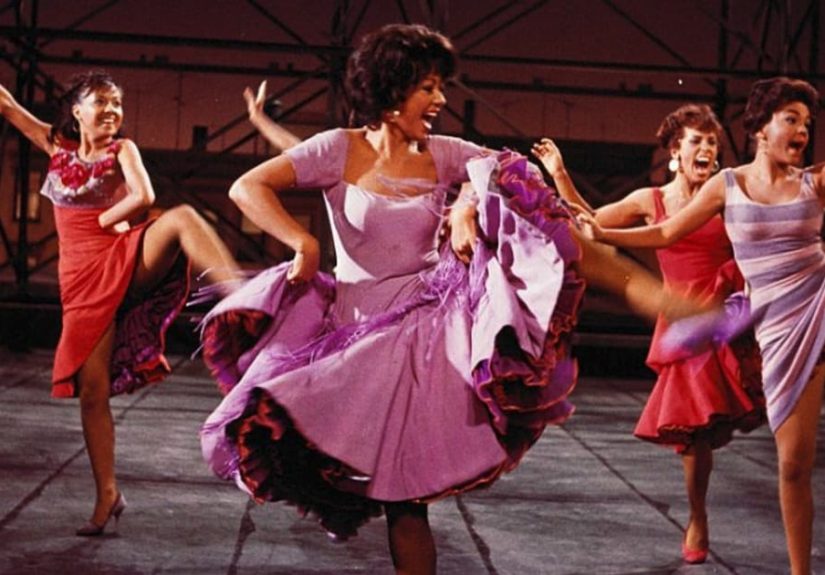
West Side Story (Lyrics by Sondheim)
Another lyrics-only contribution, but what a contribution.
Fans argue about whether it belongs on “best Sondheim musicals” listsand then immediately quote the lyrics as evidence, which is kind of the whole point.
Even when he wasn’t writing the music, his words carried character, urgency, and poetry that still lands with force.- Why fans include it: cultural legacy and lyrical brilliance.
- Best for: anyone who wants to see Sondheim’s early craft at arena scale.
Honorable Mentions
These shows have passionate fan bases and regularly pop up in “most underrated” conversationsaka the place theater fans go to adopt a musical and insist everyone else is sleeping on it.
- Anyone Can Whistle short original run, long afterlife, and a cult following that won’t quit (respectfully).
- Do I Hear a Waltz? Sondheim on lyrics duty again, with plenty of craft to admire.
- Deep-cut rabbit holes if you love the “process” as much as the product, these are where fandom gets delightfully nerdy.
How to Start Listening (Without Needing a Musical Theater PhD)
New to Sondheim? Start with your preferred emotional setting:
- Want a thrilling story? Start with Sweeney Todd.
- Want clever and relatable? Try Company.
- Want fairy tales with consequences? Go Into the Woods.
- Want something breathtakingly artistic? Choose Sunday in the Park with George.
- Want laughter? Forum is your friend.
Bonus: Fan Experiences That Happen When Sondheim Gets Under Your Skin (About )
Sondheim fandom has a very specific vibe: you start out thinking you’re “just going to sample a cast album,” and three days later you’re debating whether a lyric is tragic or merely emotionally efficient.
One of the most common fan experiences is the slow, inevitable realization that these shows age with you. Company hits one way when you’re youngerlike a clever puzzle about adulthoodand another way later, when you’ve watched friends pair off, break apart, start over, and announce engagements with the same energy people use to announce weather updates.
Then there’s the “Act II surprise” phenomenon. Fans love telling newcomers, “Act I is fun,” while carefully hiding the emotional ambush that comes later.
Into the Woods is famous for this. People walk in expecting fairy-tale sparkle and walk out thinking about responsibility, community, and the terrifying power of a wish.
It’s a shared rite of passage: you laugh, you gasp, you quietly whisper, “Oh. Oh no,” and then you immediately want to talk about it with someone who’s already been through it.
Another classic fan experience is the “lyric ping.” A Sondheim line will pop into your head while you’re doing something painfully normalwashing dishes, sitting in traffic, answering an emailand suddenly you’re in a full internal monologue.
The words don’t just rhyme; they diagnose. Fans tend to describe it as getting emotionally read by a composer who is not even in the room, which is both impressive and mildly rude.
And yes, the cast-album addiction is real. You start recognizing motifs. You catch the musical jokes. You realize a melody was telling you something before the character admitted it out loud.
That’s when you stop being a casual listener and become the person who says, “No, you have to hear how the harmony shifts there,” to someone who definitely did not ask.
(They may still thank you later.)
Finally, there’s the very wholesome, very fan-coded moment when you discover how much care goes into the work.
Learning about drafts, rewrites, and cut songs doesn’t ruin the magicit deepens it. It turns “genius” from a lightning strike into a craft you can respect.
And once you’ve had that experience, you don’t just rank Sondheim shows; you start appreciating why they endure.
Final curtain call: whichever title you put at #1, the real win is thisSondheim wrote musicals that keep meeting fans where they are, then nudging them somewhere braver.
If you’re ranking by love, that’s hard to beat.