Table of Contents >> Show >> Hide
- Step 1: Pause the panic and confirm what’s real
- Step 2A: If you’re running high, assume insulin delivery is the problem until proven otherwise
- Step 2B: If you’re running low, assume too much insulin may have been delivered
- Step 3: Quick pump troubleshooting checklist (the “spot the obvious gremlin” edition)
- Step 4: When to call for help immediately
- Step 5: Call the right people in the right order
- Step 6: Build a “Plan B” kit so a pump failure doesn’t become a life event
- Step 7: Prevent the next malfunction (without becoming a pump detective full-time)
- Step 8: After the incident, do the “boring but important” follow-up
- Quick FAQ
- Conclusion: A malfunction plan beats a malfunction panic
- Experiences from the real world (composite stories) 500+ words
Your insulin pump is basically a tiny robot pancreas that works 24/7until it decides to audition for a drama series.
Occlusion alarms. “No Delivery.” Random beeping at 2 a.m. Or the classic: your glucose climbs like it’s training for Everest.
The good news: most pump “malfunctions” are fixable fast if you follow a calm, repeatable plan. The important news:
because pump therapy uses rapid-acting insulin, an interruption can turn into high ketones and diabetic ketoacidosis (DKA) faster
than people expect. So let’s build your “do this next” playbook.
Quick safety note: This is general education, not personal medical advice. Always follow your clinician’s sick-day/pump-failure plan
if you have one. If you feel seriously unwell, trust your gut and get urgent help.
Step 1: Pause the panic and confirm what’s real
When something feels off, you’re trying to answer one key question: Am I getting insulintoo little, too much, or none at all?
Start here:
- Check your glucose with a fingerstick if you use a CGM and the number seems suspicious (compression lows, sensor errors, lag after meals/exercise).
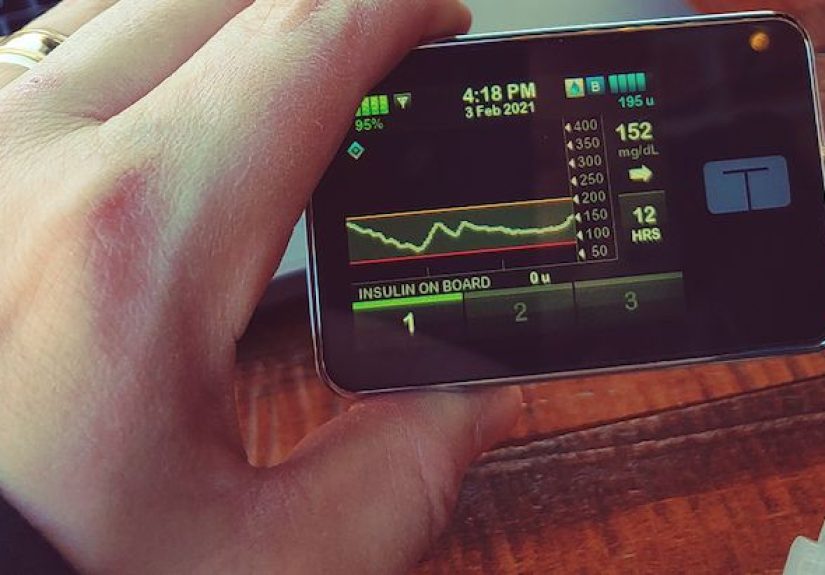
- Look at your pump screen: alarms, “suspend,” low reservoir, low battery, time/date reset, or delivery errors.
- Check your body: symptoms matter. Highs often feel like thirst, frequent urination, fatigue, nausea, stomach pain, or fruity breath. Lows can feel shaky, sweaty, confused, or “I suddenly hate everyone.”
- Inspect your site/pod/set: loose adhesive, kinked tubing, bent cannula, blood under the site, dampness (leak), or a site that hurts/itches more than usual.
Now pick the path that matches your situation: running high (possible under-delivery) or running low (possible over-delivery).
If you’re not sure, treat the urgent risk first: severe low glucose is an immediate emergency; rising glucose with ketones can become one quickly.
Step 2A: If you’re running high, assume insulin delivery is the problem until proven otherwise
With pumps, unexplained hyperglycemia is often an “insulin didn’t get in” situationset failure, site failure, occlusion, a cannula doing yoga under your skin,
or insulin that got cooked in a hot car.
1) Check for ketones (yes, even if you “feel fine”)
A widely used rule of thumb from diabetes educators: if your glucose is very high and not coming down after a correction,
suspect an infusion set/site problem and check ketones. Some guidance flags concern when glucose is
over 300 mg/dL twice within about 2 hours after a correction bolus and still rising. If ketones are present, treat it urgently.
2) Give insulin by injection if highs are stubborn
If you suspect your pump isn’t delivering correctly, the fastest way to remove doubt is to use a pen or syringe for a correction dose
(based on the plan your clinician gave you). This is the moment for backup insulin. The pump can’t “undo” missed insulinbut you can replace it safely.
3) “Change out everything” (because it’s faster than guessing)
When you have unexplained highs, many pump support teams and diabetes educators recommend a full reset of the delivery chain:
replace the infusion set/pod, swap tubing if you use it, and use fresh insulin. Why so dramatic? Because tiny problems hide well:
a bent cannula, an air bubble, a partially blocked connector, or adhesive lifting just enough to leak.
4) Hydrate and monitor closely
High glucose can dehydrate you. Sip water (or sugar-free fluids), and recheck glucose at the interval your care plan recommends.
If ketones are elevated, follow your sick-day instructions. If you’re vomiting, very drowsy, breathing rapidly, or confused,
don’t “wait it out.”
5) Know when to stop troubleshooting and get urgent help
If you have moderate to high ketones, symptoms of DKA, or glucose that won’t come down despite injected insulin,
contact your clinician urgently or go to emergency care. DKA is treatablebut not a DIY project.
You correct a 320 mg/dL reading, wait, and it climbs to 360 mg/dL. You feel thirsty and slightly nauseated.
You check ketones: positive. You take a correction by pen per your plan, replace the infusion set with a new site,
use a fresh insulin vial, and call your diabetes team for guidanceespecially if ketones don’t clear quickly.
Step 2B: If you’re running low, assume too much insulin may have been delivered
Not all malfunctions cause highs. A damaged infusion set, incorrect settings, accidental bolus, or pump/pod issues can contribute to unexpected lows.
Treat low glucose firstalways.
1) Treat the low (fast carbs first)
- If you’re low and able to swallow: use fast-acting carbs (glucose tabs/gel/juice), then recheck based on your usual “15-15” style plan.
- If you’re severely low, confused, or unconscious: use glucagon if available and call 911 (or local emergency services).
2) Stop insulin delivery while you stabilize
If you suspect ongoing over-delivery, suspend insulin delivery (or disconnect/remove the pod if appropriate and safe for your system).
Once you’re stable, you can evaluate what happened: recent boluses, activity, alcohol, site location, and whether the device behaved normally.
Step 3: Quick pump troubleshooting checklist (the “spot the obvious gremlin” edition)
If you’re stable (no severe low, no rising ketones), run through these common causes:
Infusion set / pod / site
- Kinked/bent cannula or site pressed by tight clothing or sleeping position.
- Leaking (dampness, insulin smell, adhesive lifting).
- Inflamed site (redness, itching, pain) that can reduce absorption.
- Occlusion in tubing/connectors or a blocked pathway.
Insulin & reservoir
- Insulin damaged by heat/freezing (insulin left in a hot car is basically “vibes,” not medicine).
- Air bubbles or an incompletely primed line.
- Low reservoir or cartridge seated incorrectly.
Pump system basics
- Battery/charging issues, loose charger connection, or low battery warnings.
- Settings changed accidentally (basal profile, time/date, max bolus limits).
- Communication issues between pump, CGM, and controller/phone if you use an automated insulin delivery system.
If your pump throws a specific alarm (like an occlusion alarm), follow the manufacturer’s troubleshooting steps and replace the components they recommend.
If it repeats, stop guessing and call the pump company’s support linethey’re built for this moment.
Step 4: When to call for help immediately
Some situations are “call now” situations, not “let me Google this while my pump beeps like a microwave.”
Get emergency care (or call 911) if you have signs of DKA
- High glucose with moderate/high ketones
- Vomiting, severe abdominal pain, or can’t keep fluids down
- Rapid breathing, confusion, extreme drowsiness
- Symptoms that are quickly worsening
Get emergency care for severe hypoglycemia
- Seizure, loss of consciousness, or inability to swallow safely
- Repeated lows that don’t respond as expected
Step 5: Call the right people in the right order
- Manufacturer support (pump/pod company): troubleshooting, error codes, replacement process, safety checks.
- Your diabetes clinician/team: guidance for backup dosing, ketone management, and whether you should temporarily switch to injections.
- Pharmacy: urgent fills for pens, syringes, long-acting insulin, ketone strips, or glucagon if you’re missing anything.
Pro tip: if a device fails, ask support to document the issue and provide a reference/case number. It’s boring paperworkuntil it saves your week.
Step 6: Build a “Plan B” kit so a pump failure doesn’t become a life event
The best time to prepare for pump failure is when your pump is working perfectly and you feel unstoppable.
Aim for a kit you can use within 10 minutes.
Backup supplies to keep at home (and a mini version for travel)
- Rapid-acting insulin pen/vial + pen needles or syringes
- Long-acting insulin (only if prescribed for backup) and a written plan from your clinician for when/how to use it
- Ketone testing supplies (blood ketone meter or urine strips)
- Extra infusion sets/pods, reservoirs/cartridges, tubing, inserter (if needed)
- Skin prep + adhesive supports (especially if sweat, workouts, or humidity are your nemesis)
- Batteries/charger, plus a backup cable or power bank
- Fast carbs + glucagon
- A card (paper or phone note) with your pump settings: basal rates, insulin-to-carb ratios, correction factors, target ranges
If you’ve never written down your settings, do it today. Future-you will be gratefulpossibly while wearing pajamas at an airport.
Step 7: Prevent the next malfunction (without becoming a pump detective full-time)
Do site changes at smart times
- Change your infusion set/pod when you can monitor for a few hours (not right before bed).
- After a site change, check glucose more often to catch silent delivery issues early.
Rotate sites like it’s your job
Site rotation helps insulin absorb more consistently and lowers the risk of irritated tissue that can mess with delivery.
Protect your insulin
Avoid extreme heat or freezing. If insulin has been exposed, consider replacing itespecially when you’re troubleshooting unexplained highs.
Watch for patterns
If highs happen repeatedly after workouts, during sleep, or with certain clothing, the culprit may be pressure on the site or tubing.
If a specific set type kinks often, ask your clinician about alternatives.
Step 8: After the incident, do the “boring but important” follow-up
- Write down what happened: time, glucose/ketones, alarms, actions taken, and what fixed it.
- Check for recalls or safety notices related to your device model (your manufacturer can help).
- Report serious device problems to the FDA’s MedWatch programespecially if it led to injury, hospitalization, or a near-miss.
- Review your backup plan with your diabetes team so dosing decisions during a pump break are clear and safe.
Quick FAQ
How fast can ketones develop if my pump stops delivering insulin?
It varies, but pump users can develop ketones more quickly because there’s no long-acting insulin “in the background.”
That’s why checking ketones during stubborn highs is a big deal.
Should I “just take long-acting” if my pump breaks?
Only do this with a clinician-provided plan. The timing and dose depend on your total daily insulin, your pump settings, and how long you’ll be off the pump.
Guessing can cause severe hypoglycemia later.
If my pump seems okay again, can I go back to normal?
If the problem was clearly a set/site issue and you replaced itand your glucose and ketones are improvingyou may be able to resume normal pump therapy.
If the device itself is glitching, repeating alarms, or behaving unpredictably, use backup delivery and contact support.
Conclusion: A malfunction plan beats a malfunction panic
Insulin pump issues are scary mostly because they can escalate quicklyespecially when insulin delivery stops silently.
Your best defense is a simple routine: confirm glucose, check ketones when highs are stubborn, correct by injection if needed, replace the delivery chain,
and know the emergency signs. Add a backup kit and written settings, and you’ve turned a pump failure from a catastrophe into an inconvenience.
(Still annoying. But manageable.)
Experiences from the real world (composite stories) 500+ words
The following stories are composites based on common situations pump users and diabetes educators describe. No identifying detailsjust the kind of “yep, that happened”
moments that make you better prepared next time.
1) The “It’s fine, I’ll just go to sleep” site change
Jamie changed their infusion set at 10:45 p.m. because the reservoir was low and tomorrow was “busy.” Famous last words. At 2:30 a.m., Jamie woke up feeling
like a raisin: thirsty, foggy, and annoyed at the concept of time. Glucose: 340 mg/dL. The pump? No alarms. The site? Looked normaluntil the set came out,
revealing a cannula that was bent like a tiny paperclip. Lesson learned: do site changes when you can watch the trend for a few hours, and don’t assume “no alarm”
means “all good.” A quick check after a set change is like buckling your seatbelt. Slightly annoying. Highly worth it.
2) The stealthy occlusion that waited for leg day
Alex wore a tubed pump clipped to gym shorts and felt incredibly responsible. Halfway through squats, the tubing got tuggednothing dramatic, just a little pull.
Two hours later: unexplained highs. Alex tried a pump correction and waited. Still climbing. Ketones were starting to show up. The fix wasn’t magical: injection correction,
new infusion set, fresh site, hydrate, and a call to the diabetes team to confirm next steps. The funny part? Alex had been blaming “that protein bar” like it was a villain.
The real culprit was mechanical. Now Alex routes tubing differently and avoids sites that get compressed during workouts. Diabetes loves a plot twist.
3) The “My insulin went on vacation in my car” surprise
Priya did everything rightchanged the pod, checked the adhesive, even used a new site. Still: stubborn highs. The pump/pod wasn’t alarming, but the glucose graph
looked like a rocket launch. Priya finally replaced the insulin vial andlike magicthe next correction actually worked. Later, it clicked: the insulin had spent an afternoon
in a warm bag during errands. Insulin is tough, but it’s not invincible. Now Priya keeps backup insulin at home and uses a small insulated pouch for travel days.
It’s not glamorous, but neither is rage-bolusing insulin that’s basically become decorative.
4) The accidental bolus (a.k.a. “Buttons are real”)
Morgan’s pump was tucked under a jacket while carrying groceries. At some point, a button press turned into an unexpected bolus. An hour later, Morgan felt shaky and sweaty:
low glucose and dropping. The response was textbook: fast carbs, recheck, suspend delivery temporarily, and keep monitoring. After stabilizing, Morgan reviewed pump history,
confirmed the extra bolus, and adjusted how the pump was carried (and enabled extra confirmation settings where possible). The takeaway: when lows are unexplained,
check pump history like you’re reading a mystery novel. The “who did it” is often right there.
5) The calmest person in the room had a backup plan
Sam’s pump displayed an error and wouldn’t restart. Instead of spiraling, Sam pulled out a pre-packed kit: pen needles, rapid-acting insulin, ketone strips,
and a note with pump settings and clinician instructions. Sam corrected by injection, checked ketones (negative), called the manufacturer for replacement steps,
and messaged the diabetes team to confirm the plan for a short pump break. Was it inconvenient? Absolutely. But the situation stayed controlled because the decisions
were pre-made. That’s the real secret sauce: the backup plan isn’t just suppliesit’s reducing “thinking under stress.”