Table of Contents >> Show >> Hide
- BHG’s Best Kitchen Sinks: A Quick Rundown of the Standouts
- How to Choose the Right Kitchen Sink (Without Guessing and Hoping)
- Sink Materials, Explained Like You’re Actually Going to Live With It
- The Features That Matter More Than the Marketing
- Installation and Budget: What to Expect
- Care and Cleaning Tips That Keep Your Sink Looking New
- The “Don’t Do This” List: Common Sink Shopping Mistakes
- Bottom Line: The Best Kitchen Sink Is the One That Matches Your Life
- Experiences: What It’s Like Living With “The Best Kitchen Sinks” Day to Day (Real-World Stories)
- Experience #1: The single-bowl undermount that saved weeknight cleanup
- Experience #2: The workstation sink that turned “prep” into a smoother routine
- Experience #3: The farmhouse fireclay sink that was beautiful… and demanded respect
- Experience #4: Composite sinks and the joy of not hearing every spoon
A kitchen sink is the one place in your home that sees everything: the pasta pot you swore you’d soak “right away,”
a mountain of coffee mugs, a suspiciously muddy basil plant, and at least one fork that vanishes into the garbage disposal
like it’s being recruited for a secret mission. So when Better Homes & Gardens (BHG) rounds up the best kitchen sinks,
it’s not just about looksit’s about picking a daily workhorse that won’t make you regret your life choices every time you rinse rice.
In BHG’s updated lineup, the winning sinks cover the most common real-world needs: easy-clean stainless steel undermounts,
multitasking workstation sinks, classic farmhouse (apron-front) fireclay, and durable granite composite options for busy kitchens.
Below is a practical, BHG-inspired guide that helps you choose the right sink for your space, your habits, and your tolerance
for water spots.
BHG’s Best Kitchen Sinks: A Quick Rundown of the Standouts
BHG’s top picks span styles and materials, so you can match your sink to how you actually use your kitchen (not how you
pretend you use your kitchen on Pinterest).
-
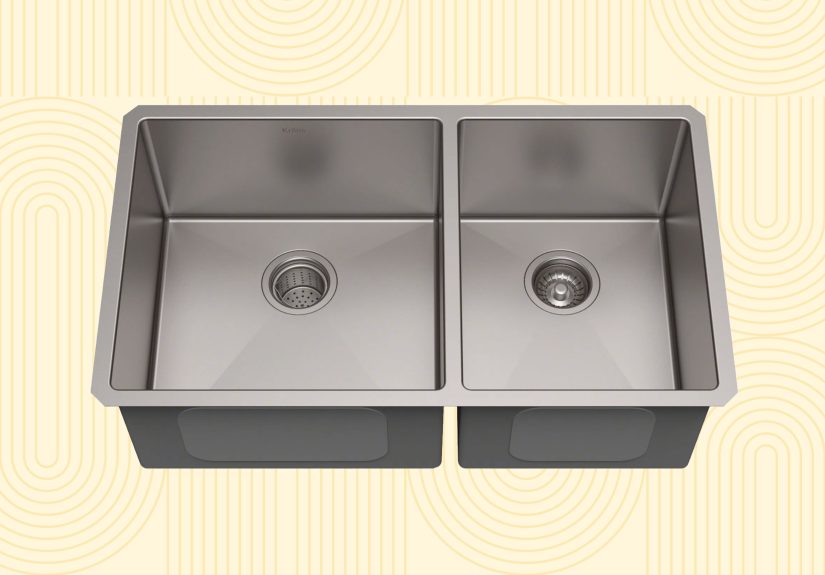
Best single-bowl undermount: A deep stainless steel undermount that maximizes usable basin space and keeps
countertop edges sleek. -
Best double-bowl undermount: A two-basin setup with a lower divider that makes multitasking easier without
turning sheet pans into a balancing act. -
Best workstation sink: A ledge-style sink that comes with accessories like a colander and roll-up mat so your
sink area becomes a prep station, not just a washing station. -
Best apron-front farmhouse: A fireclay farmhouse sink with a timeless look and a deep basin built for big pots,
big pans, and big “I’ll deal with it later” energy. - Best single-bowl drop-in: A top-mount (drop-in) stainless sink that’s simpler to install and works with more countertop types.
- Best double-bowl drop-in: A granite composite double-bowl option that brings color choices and durability to a traditional drop-in format.
The “best” sink isn’t universalit’s the one that fits your cabinet, your countertop, and your daily rhythm. If your kitchen is
basically a home restaurant, a roomy single bowl may feel like freedom. If you’re a “wash on one side, dry on the other” person,
a double bowl can feel like sanity.
How to Choose the Right Kitchen Sink (Without Guessing and Hoping)
1) Start with the cabinet, not the vibe
Before you fall in love with a sink online, measure the base cabinet it will sit in (and check the manufacturer’s minimum cabinet size).
Undermount sinks, especially deeper or wider single-bowl models, often require a larger minimum cabinet. And farmhouse sinks may require
cabinet modifications or specialized supportsbecause “extremely heavy” is not just a dramatic description, it’s a real installation fact.
2) Pick your bowl configuration based on how you actually cook
Single bowl sinks are great if you wash large cookware, roast pans, and oversized cutting boards. They’re also a win for
busy households because you can stack dishes without instantly running out of room (not that I’m endorsing stacking… I’m just acknowledging reality).
Double bowl sinks shine if you like separating tasks: washing in one basin, rinsing or air-drying in the other, or soaking
in one while you keep a clean zone. A low-divider double bowl can give you the best of both worlds: separation, plus enough “bridge space”
for longer items.
3) Decide on mounting style: undermount vs. drop-in
Undermount sinks install under the countertop for a clean edge you can wipe crumbs into with one swipe. They’re especially popular
with stone or solid-surface countertops. The catch: undermount installation needs precision and proper sealing, so it’s often more
expensive (and less forgiving) than a top-mount setup.
Drop-in (top-mount) sinks sit in a cutout and rest on the countertop with a rim. They’re typically easier to install and can work
with more countertop materials, making them a practical choice for replacements or budget-conscious remodels.
4) If you want a workstation sink, commit to the workflow
Workstation sinks are designed around sliding accessoriescutting boards, drying racks, colandersacross integrated ledges.
They’re fantastic for meal preppers, small kitchens that need every inch of usable surface, and anyone who wants their sink
to multitask as hard as they do. Just make sure you’ll actually use the accessories; otherwise you’re paying for an
“I own a colander” flex.
5) Think about depth (because backs and splash zones are real)
Many everyday kitchen sinks land in the neighborhood of 8–10 inches deep. Deeper sinks handle big pots and hide dirty dishes
better (aesthetic peace!), but they can also be less comfortable for shorter users. If multiple people cook and clean, aim for a depth
that doesn’t turn dishwashing into an unwanted strength-training program.
Sink Materials, Explained Like You’re Actually Going to Live With It
Stainless steel: the practical MVP
Stainless steel remains the most popular choice for a reason: it’s durable, easy to maintain, and generally resists heat and stains.
It also works with almost any kitchen stylefrom modern to farmhousewithout demanding attention like an overconfident backsplash.
What to watch for: stainless can show water spots, and cheaper models can be noisy. BHG notes that gauge matters (lower number = thicker steel),
often recommending premium 16- or 18-gauge for a strong, quieter feel. Consumer testing, however, suggests gauge alone isn’t the whole story
insulation and sound-deadening pads can make a big difference in real-life noise.
Fireclay: farmhouse charm with serious durability
Fireclay sinks are beloved for their crisp, classic lookespecially in apron-front (farmhouse) styles. They’re often nonporous and resist stains,
scratches, rust, fading, and high temperatures. If you want a bright, clean focal point that still feels timeless, fireclay is a strong contender.
The tradeoff: heavy impacts can cause cracks, and those cracks generally can’t be repaired. Translation: if you routinely drop cast-iron skillets
like you’re auditioning for a cooking show blooper reel, be extra cautious.
Enameled cast iron: classic, heavy, and beautifully stubborn
Enameled cast iron has that old-school, high-end feel: glossy, substantial, and built to last. It’s also one of the heaviest sink materials,
which means installation needs proper support. It’s generally easy to clean, but the enamel can chip or scratch if heavy objects hit it hard.
Granite/quartz composite: tough, stylish, and quietly confident
Composite sinks (often granite or quartz blended with resins) are known for being highly resistant to everyday wearscratches, stains, smudges,
and even color fading in many product lines. They also tend to be quieter than thin stainless steel. If you like the idea of a colored sink that
doesn’t look like it’s trying too hard, composite is a smart choice.
Maintenance is usually simple: mild soap, gentle sponges, and occasional deeper cleaning for stubborn stains (manufacturer guidance often includes
vinegar-based solutions, and in some cases diluted bleach solutionsused carefully and rinsed well).
Porcelain: smooth, bright, and chip-aware
Porcelain sinks can be heat- and stain-resistant with a dense, smooth surface that cleans up well. They also offer color options, but many designers
recommend classic white for longevity. The main caution: porcelain can chip if something heavy drops in. (So yes, it’s beautifuljust don’t treat it
like a demolition bucket.)
The Features That Matter More Than the Marketing
Sound control: pads, coatings, and smart engineering
If you’ve ever turned on the faucet and felt like you were standing inside a steel drum, you already understand the value of sound deadening.
Many quality sinks use rubberized pads and insulation systems to reduce noise and vibration. Some brands even emphasize these technologies
as core featuresbecause quiet kitchens are underrated luxuries.
Drainage design: slopes and corners
The best sinks don’t just hold waterthey help water leave. Look for gently sloped bottoms that guide water toward the drain, plus corners that are
rounded enough to clean easily without sacrificing usable space. Tight corners look sharp, but they can collect grime like it’s their hobby.
Accessories that earn their keep
Bottom grids protect the sink surface and keep cookware from sitting directly in pooled water. Roll-up mats and colanders can extend your prep space.
And a well-designed strainer basket is one of those small upgrades you’ll appreciate every time you don’t have to fish onion bits out of the drain.
Installation and Budget: What to Expect
Pricing varies widely, but many mainstream sinks fall into a few common ranges: basic models can be a couple hundred dollars, while premium materials,
larger sizes, and workstation designs can climb significantly higher. Workstation sinks and farmhouse sinks often cost morenot just for the sink,
but for the installation complexity and cabinetry considerations.
If you’re replacing an existing sink, a drop-in model can be the path of least resistance. If you’re remodeling with stone countertops, undermount
tends to deliver the sleekest lookjust budget for professional installation if you want the best seal and fit.
Care and Cleaning Tips That Keep Your Sink Looking New
Stainless steel
- Clean regularly with dish soap and a soft sponge, then rinse well.
- Dry after use to reduce water spots (your future self will thank you).
- Avoid abrasive pads and steel wool; they can scratch the finish.
- Be cautious with cleaners containing chloride (bleach); if used, rinse immediately to prevent corrosion.
- Polish with a stainless steel cleaner occasionally, wiping with the grain for best results.
Composite (granite/quartz)
- Daily cleaning is usually mild soap and water with a nonabrasive sponge.
- For stubborn stains, follow your manufacturer’s guidanceoften vinegar-based cleaners or targeted deep-clean methods.
- Rinse well and dry if your water is mineral-heavy to reduce surface film.
Fireclay and enameled surfaces
- Use gentle cleaners and avoid harsh abrasives that can dull the finish over time.
- Consider a sink grid to protect the base from heavy cookware and reduce impact risk.
The “Don’t Do This” List: Common Sink Shopping Mistakes
- Not measuring the cabinet: The sink may fit the countertop cutout but fail the cabinet reality check.
- Ignoring faucet holes: Some sinks come with pre-drilled holes; others don’t. Match your faucet plan.
- Buying extra-deep without thinking ergonomics: Great for pots, not always great for backs.
- Assuming gauge guarantees quiet: Sound pads and coatings can matter as much as thickness.
- Skipping accessories: A grid or strainer basket is cheap insurance for daily wear and tear.
Bottom Line: The Best Kitchen Sink Is the One That Matches Your Life
BHG’s best kitchen sink picks emphasize what matters most: functionality, durability, and a design that makes everyday tasks easier.
If you want the cleanest look and easiest counter wipe-down, go undermount. If you want simpler installation and broad compatibility,
go drop-in. If you want statement style with serious capacity, consider a farmhouse apron-front. And if your kitchen is basically
a command center, a workstation sink can be the upgrade that makes you feel weirdly excited to rinse strawberries.
Choose the sink that fits your space and your habits, and you’ll end up with a kitchen upgrade you notice every single day
in the best way.
Experiences: What It’s Like Living With “The Best Kitchen Sinks” Day to Day (Real-World Stories)
The funny thing about sink shopping is that it feels abstract until you’ve lived with the choice for a few weeksthen it becomes
as personal as your coffee order. Here are a few real-life, sink-centered experiences that mirror why BHG-style picks are so practical.
Experience #1: The single-bowl undermount that saved weeknight cleanup
A friend redid their kitchen and chose a deep single-bowl undermount stainless sink after years of wrestling a small double bowl.
The first week, they called it “the sink that ended arguments.” Why? Their roasting pan finally fit without angling it like a puzzle piece,
and washing a stockpot didn’t require splashing water onto the counter. The undermount edge was the quiet hero: crumbs and flour could be wiped
straight into the basin with one swipe, which made nightly cleanup feel faster. The only surprise was water spottingstainless is durable,
but it will show mineral spots if you let water air-dry. Once they started doing a quick towel wipe after the last rinse, the sink stayed
noticeably shinier with almost no extra effort. Their takeaway: for busy cooks, capacity matters more than having “two zones.”
Experience #2: The workstation sink that turned “prep” into a smoother routine
Another household went all-in on a workstation sink with a sliding colander and roll-up rack. At first it felt a little… theatrical,
like they were about to host a cooking show. But it quickly became the most used feature in the kitchen. The colander let them rinse produce
without stealing counter space, and the rack doubled as a drying station for glasses while the basin stayed free for washing.
The biggest benefit was mental, not just functional: the sink became a system. Dirty dishes could sit in the basin while prep stayed up top,
which reduced the “clutter panic” that makes some people abandon cooking halfway through. The only caution they mentioned was accessory storage
if you buy a workstation sink, plan a nearby spot to stash the boards and racks so they don’t end up leaning awkwardly behind the toaster
like misplaced gym equipment.
Experience #3: The farmhouse fireclay sink that was beautiful… and demanded respect
A remodeler who loves classic design picked a fireclay apron-front sink because it looked timeless and photographed beautifully.
In daily life, it delivered: the basin was deep enough for big pots, and the bright surface made the whole kitchen feel cleaner.
But they also learned the “heavy object rule” quickly. Fireclay is tough, yet an accidental drop can create damage you can’t simply buff out.
They added a bottom grid, and it changed everything: cookware felt more stable, the sink surface stayed protected, and the sound level improved.
Their advice was refreshingly honest: “If you’re careful with your cookware, it’s an amazing sink. If you’re a chaos cook, get stainless.”
Experience #4: Composite sinks and the joy of not hearing every spoon
A family with kids chose a granite/quartz composite sink after getting tired of the “clang concert” of stainless steel.
The difference was immediatecomposite absorbed sound better, and it didn’t show water spots in the same way. They also loved that it came in a darker tone,
which hid minor messes between cleanings (again: reality). The learning curve was about cleaning products: they initially tried a harsh scrubby pad and realized
they didn’t need it. Mild soap did most of the work, and occasional deeper cleaning handled stubborn stains. Their verdict: composite was the most “low drama”
option they’d ever ownedquiet, sturdy, and forgiving.
The shared lesson across all these experiences is simple: the best kitchen sinks aren’t just “best” on a list. They’re the ones that match how you live,
how you clean, and what you’re willing to maintain. Pick a sink that supports your daily routine, and you’ll feel the upgrade every time you turn on the tap.