Table of Contents >> Show >> Hide
- How Popular Mechanics Picked and Tested These Log Splitters
- What to Consider Before You Buy a Log Splitter
- At-a-Glance: Popular Mechanics’ 8 Best Log Splitters of 2025
- The 8 Best Log Splitters of 2025 (Popular Mechanics Picks)
- 1) Best Overall: WEN 6.5-Ton Electric Log Splitter (Model 56208)
- 2) Best Gas-Powered: Champion Power Equipment 90720 7-Ton Gas Log Splitter
- 3) Best Electric: YARDMAX 9-Ton Electric Log Splitter (YS0952)
- 4) Best Hydraulic (Manual): Sun Joe LJ10M 10-Ton Hydraulic Log Splitter
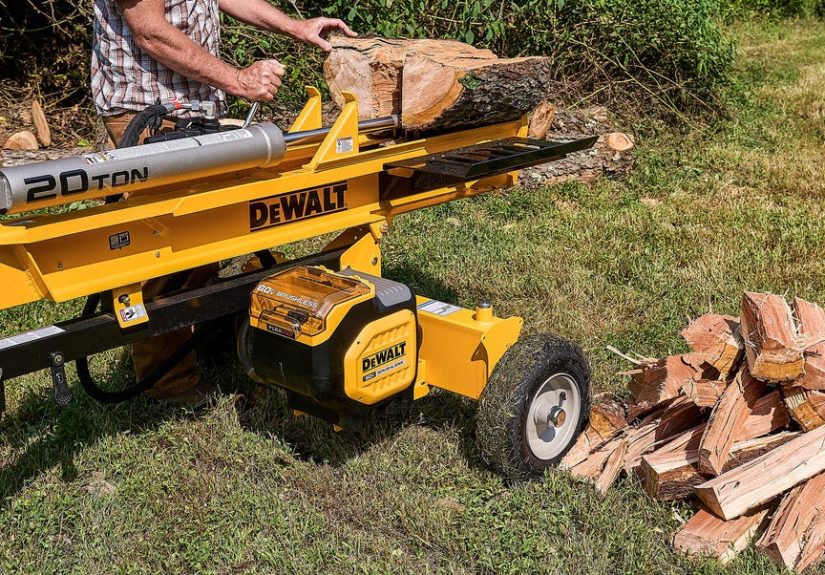
- 5) Best Premium: DEWALT 60V MAX* 20-Ton Log Splitter (DXGLXT2000)
- 6) Best Handheld: Logosol Smart Splitter (Manual, Rated Up to 14 Tons)
- 7) Best Splitting Wedge: Estwing Sure Split Wedge (E-5)
- 8) Best for Kindling: Kindling Cracker Firewood Splitter
- Safety and Maintenance Tips (Because Fingers Are Non-Refundable)
- FAQ: Quick Answers Before You Commit
- of Real-World Log-Splitting Experience (The Part No One Puts on the Box)
- Final Take
There are two kinds of people in winter: the ones who romanticize chopping wood like a rugged folklore hero, and the ones who have actually
chopped wood and know it’s mostly “why does my back feel 97 years old?” mixed with “how did that log just laugh at my axe?”
That’s where log splitters come in. And yesbefore anyone starts a comment thread titled “Back in my day,” a “log splitter” can mean anything from
a full-on hydraulic machine to a brilliantly simple wedge you smack with a sledge. Popular Mechanics’ 2025 roundup embraces that whole spectrum,
because the best tool depends on how much wood you burn, how gnarly your rounds are, and how committed you are to the hobby of “lifting heavy things
repeatedly for fun.”
How Popular Mechanics Picked and Tested These Log Splitters
Popular Mechanics’ editors and testers focused on real-world usability: how many logs you can process in an hour, how safely the tool keeps your
hands away from the danger zone, how well it’s built, and whether it’s portable enough to actually get used (instead of becoming a very expensive
garage sculpture). The result is a list that includes electric and gas-powered splitters, plus manual options that trade speed for simplicity.
What to Consider Before You Buy a Log Splitter
1) Power source: corded electric, cordless electric, gas, or “human-powered”
Corded electric log splitters are the plug-and-go crowd-pleasers: quieter, lower maintenance, and great for typical homeowner-sized
roundsespecially if you’re splitting in a neighborhood where your neighbors don’t want to hear your engine’s entire life story.
Cordless/battery electric splitters are the premium convenience play: quiet like electric, but with the freedom to work away from an outlet.
Gas log splitters shine when you need portability and don’t want a cord limiting your setup, though they bring fuel, maintenance, and noise.
Manual splitters (hydraulic, handheld, wedges, kindling tools) can be surprisingly effectiveespecially for smaller loads, kindling, or when you
want a workout that doesn’t require a gym membership.
2) Splitting force and log size
“Tons” is the headline number, but it’s not the whole story. Straight-grained, freshly cut rounds split easier than knotty, twisted, or ultra-dense hardwoods.
If you routinely deal with big, stubborn rounds, higher force (and a stable bed/cradle) saves time and frustration. If you mainly split standard fireplace wood,
a well-designed mid-power electric unit can be plenty.
3) Cycle time and ergonomics
If you’re splitting a weekend’s worth of wood, a few seconds per cycle won’t feel life-changing. If you’re processing a cord, it absolutely will.
Ergonomics matter too: a low bed reduces lifting, while a stand can save your back. Two-hand safety controls can feel slower at firstbut they’re often
the difference between a productive day and an ER story you’d rather not star in.
At-a-Glance: Popular Mechanics’ 8 Best Log Splitters of 2025
| Pick | Type | Best For | Headline Specs |
|---|---|---|---|
| WEN 6.5-Ton Electric Log Splitter (Best Overall) | Corded electric | Most homeowners | 6.5 tons; up to 20.5″ L / 10″ dia; ~20s cycle |
| Champion 90720 7-Ton Gas Log Splitter (Best Gas-Powered) | Gas | Portable splitting without a cord | 7 tons; up to 19″ L; ~20s cycle; auto-return |
| YARDMAX 9-Ton Electric Log Splitter (Best Electric) | Corded electric | More punch in an electric format | 9 tons; up to 20.5″ L / 12.6″ dia; stroke limiter |
| Sun Joe LJ10M (Best Hydraulic) | Manual hydraulic | Simple, no power required | Up to 10 tons; up to 18″ L / 8″ wide |
| DEWALT 60V MAX* 20-Ton Log Splitter (Best Premium) | Cordless electric hydraulic | Big power, low noise | 20 tons; up to 25″ L; 16/22s motor speeds |
| Logosol Smart Splitter (Best Handheld) | Manual (striking-weight splitter) | Low-tech, low-fuss splitting | Rated up to 14 tons; ~21–27 lb class |
| Estwing Sure Split Wedge (Best Splitting Wedge) | Manual wedge | Traditional splitting with smarter geometry | 5-lb wedge with fins; made in USA |
| Kindling Cracker (Best for Kindling) | Manual kindling splitter | Fast, safer kindling | 12″ tall; 6.5″ ring; cast iron |
The 8 Best Log Splitters of 2025 (Popular Mechanics Picks)
1) Best Overall: WEN 6.5-Ton Electric Log Splitter (Model 56208)
If you want one machine that’s sized and priced for normal human life, WEN’s 6.5-ton electric splitter is the sweet spot.
It’s powerful enough for typical fireplace rounds, yet simple enough that you’re not reading a 90-page manual like it’s a mystery novel.
Popular Mechanics calls out its safety-minded, two-hand control setup and homeowner-friendly design.
- Best for: Regular firewood splitting without gas maintenance
- Why it stands out: Balanced power + stand option to save your back
- Key specs: 6.5 tons; handles logs up to about 20.5″ long and 10″ in diameter; ~20-second cycle
2) Best Gas-Powered: Champion Power Equipment 90720 7-Ton Gas Log Splitter
Need portability without hunting for an outlet (or dragging an extension cord that always finds the one puddle in the yard)? The Champion 90720 is a compact
gas splitter built around a low-profile frame that’s easier to load than taller designs. It’s not a massive tow-behind beast, but it’s a practical choice for
homeowners who want gas convenience in a more manageable footprint.
- Best for: Splitting where power access is limited
- Why it stands out: Low-profile loading, auto-return, rugged wheels
- Key specs: 7 tons; up to 19″ log length (and roughly 50 lb logs); ~20-second cycle time
3) Best Electric: YARDMAX 9-Ton Electric Log Splitter (YS0952)
When you want electric convenience but need a bit more “oomph,” the YARDMAX 9-ton is a serious step up. Popular Mechanics highlights its two-hand safety controls
and the ability to limit the stroke so you’re not wasting time retracting the ram farther than necessaryan underrated feature if you’re splitting shorter pieces.
It’s heavy, but that weight also contributes to a planted, stable feel.
- Best for: Homeowners splitting tougher rounds who still want electric
- Why it stands out: Stroke limiter + adjustable speed range
- Key specs: 9 tons; up to about 20.5″ long and 12.6″ diameter; forward cycle range roughly 7–16 seconds (with return about 7 seconds)
4) Best Hydraulic (Manual): Sun Joe LJ10M 10-Ton Hydraulic Log Splitter
This is the “I don’t want gas, cords, batteries, or drama” pick. The Sun Joe LJ10M uses manual hydraulic force generated by long handles, giving you meaningful
splitting power without a motor. It’s slower than powered models, but it’s also simpler, quieter, and surprisingly satisfyinglike a mechanical advantage lesson
that turns into firewood.
- Best for: Small-to-medium splitting jobs and off-grid use
- Why it stands out: No fuel/cords; log cradle; portability
- Key specs: Up to 10 tons; handles logs up to about 18″ long and 8″ wide
5) Best Premium: DEWALT 60V MAX* 20-Ton Log Splitter (DXGLXT2000)
DEWALT’s 60V MAX* splitter is the “treat yourself (and your ears)” option: big splitting force without the roar of a gas engine. Popular Mechanics’ testing noted
its quiet operation and confident splitting power. This style of high-force electric hydraulic splitter is especially appealing if you want serious capability
while keeping setup and maintenance closer to “charge battery, press button” than “rebuild carburetor, question life choices.”
- Best for: Larger properties and frequent splitting with low noise
- Why it stands out: 20-ton force, push-button start, auto-return, multiple speed modes
- Key specs: 20 tons; splits logs up to about 25″ long; 9″ wedge; 7 GPM pump; motor speeds around 16 and 22 seconds
6) Best Handheld: Logosol Smart Splitter (Manual, Rated Up to 14 Tons)
The Logosol Smart Splitter is the clever middle ground between “full machine” and “swing an axe until you see the afterlife.” It uses a guided striking weight
and wedge system (typically mounted on a sturdy stump), helping you split with controlled, repeatable strikes and less wild, off-axis chaos. Popular Mechanics
lists it as a strong handheld/manual option with a high rated force for its category.
- Best for: People who want a compact splitter without a motor
- Why it stands out: Controlled striking action; compact storage
- Key specs: Often rated around 14 tons; wood length roughly in the ~21″ range depending on setup
7) Best Splitting Wedge: Estwing Sure Split Wedge (E-5)
If you like the traditional approachbut want help from smarter geometrythe Estwing Sure Split wedge is a classic upgrade. Estwing’s design uses a fast-tapered
head to start easier, plus fins that encourage extra wedge action so the tool keeps doing work deeper into the split. It’s simple, tough, and refreshingly
unbothered by batteries, cords, and modern problems.
- Best for: Manual splitting fans, backup toolkits, and “no-maintenance” people
- Why it stands out: 5-lb wedge design with fins for extra splitting action
- Key specs: 5 lb; designed for use with a sledge; made in the USA
8) Best for Kindling: Kindling Cracker Firewood Splitter
Kindling is where most people hurt themselves, because small pieces invite bad habits: holding, pinching, and getting fingers too close to sharp things.
The Kindling Cracker flips the process: you place the wood inside a sturdy cast-iron ring and strike it from above, keeping your hands away from the blade.
It’s not for big rounds, but for kindling it’s one of the cleanest “why didn’t I buy this sooner?” tools.
- Best for: Quick, safer kindling for fireplaces, fire pits, wood stoves
- Why it stands out: Hands stay away from the wedge; simple and durable
- Key specs: About 12″ tall with a ~6.5″ ring opening; heavy cast iron construction
Safety and Maintenance Tips (Because Fingers Are Non-Refundable)
Log splitters are wonderfully efficient at splitting wood. Unfortunately, they’re also wonderfully efficient at splitting the wrong things if you get careless.
The safest routine is boring on purpose: stable footing, clear work area, eye protection, gloves, and sturdy footwear. Keep bystanders (especially kids) far away,
and don’t try to “help” a jammed log with your hands while the machine is energized.
- Use built-in safety features: Two-hand controls exist for a reasonuse them.
- Don’t split more than one piece at a time: Odd stacking can kick pieces out unexpectedly.
- Avoid loose clothing: Anything that can snag is a bad idea around moving parts.
- Skip sketchy designs: Consumer safety warnings have flagged dangerous auger-style splitters lacking proper controls and guardschoose modern, guarded designs.
- Basic upkeep: Check fasteners, inspect hoses, keep wedges clean, and follow the manufacturer’s maintenance schedule.
FAQ: Quick Answers Before You Commit
Is an electric log splitter powerful enough for hardwood?
Often, yesespecially for typical stove and fireplace sizesif your rounds are reasonably straight-grained and within the machine’s rated capacity.
For large, knotty, twisted hardwood rounds, higher-force machines (and sturdier beds/cradles) reduce stalling and re-splitting.
Do I need gas, or can I stay electric?
If you split near the house, electric is hard to beat for convenience and noise. If your wood pile is far from power, gas (or a premium cordless electric splitter)
becomes more attractive. Many people choose electric for most work and keep a manual wedge as an always-ready backup.
Why does cycle time matter so much?
Because splitting is repetitive. Even a few seconds saved per cycle adds up fast when you’re processing a pile. Faster cycles also make the workflow feel smoother
less waiting, more stacking, fewer “I guess I’ll stare into the middle distance while the ram retracts” moments.
of Real-World Log-Splitting Experience (The Part No One Puts on the Box)
The first surprise when you start using a log splitterespecially an electric oneis how quickly your brain rewrites what “a lot of firewood” means.
With an axe, 20 rounds feels like a life event. With a splitter, 20 rounds is basically a warm-up set. You stop pacing yourself like you’re running a marathon
and start thinking in systems: where the rounds go, where the splits land, where the stacked wood lives, and how to avoid the chaotic pile that inevitably forms
when you get “just one more log” ambitious.
The second surprise is that the wood itself has a personality. Straight-grained rounds behave like polite citizens: they split clean, fall aside, and don’t cause drama.
Knotty rounds act like they’re contesting your authority. This is where extra force helpsbut technique matters too. If a round keeps refusing to split, rotating it
so a different face meets the wedge can change everything. Sometimes the “secret” is simply to split from the cleaner end grain first, or to take a stubborn round
down in stages instead of demanding a perfect two-piece split on the first attempt.
A corded electric splitter also teaches you a lesson about workflow you didn’t ask for: the extension cord is either your best friend or your greatest prankster.
Keep it routed away from the work zone, and suddenly everything is calm. Let it wander near your feet, and it will find the exact spot you step back into while
carrying a freshly split piece. People joke about “cord management,” but it’s genuinely part of safe splittingright up there with not reaching into the wedge area.
The big quality-of-life upgrade is height. A splitter with a stand (or a setup that keeps the work closer to waist height) can turn a long session from “I’m fine”
into “why does my lower back hate me?” If you’re processing a lot of wood, the most valuable feature might not be raw tonnageit might be how little you bend,
how little you lift, and how smoothly you can move pieces from round → split → stack. The best sessions feel like a rhythm: load, split, stack, repeat.
Manual options have their own charm. A wedge or a smart manual splitter is slower, but it’s also oddly meditative: you’re still doing work, just with a safer,
more controlled motion than full-force axe swings. And the Kindling Cracker? That’s the tool that turns “kindling day” from a fussy chore into a quick, satisfying
routineespecially if you keep a small bin near the stove and top it off whenever you’re outside.
The final, slightly humbling truth: a log splitter doesn’t remove effortit rearranges it. You’ll spend less energy splitting and more energy handling and stacking.
Which is honestly a great trade. Splitting becomes predictable. Your firewood pile grows. And you get to keep the lumberjack fantasyjust with fewer blisters and
a much better success rate.
Final Take
Popular Mechanics’ 2025 picks cover every kind of wood-burner: from the “I just need weekend firewood” homeowner to the “I’m processing serious volume” upgrader,
plus manual tools that make kindling and occasional splitting safer and simpler. Choose the power source that matches your work site, pick enough force for your
typical rounds, and prioritize safety features you’ll actually use every time.