Table of Contents >> Show >> Hide
- What “Star and Cross” Means (And Why It Looks So Good)
- Quick Specs: The Stuff You’ll Be Glad You Knew Before Ordering
- Where This Tile Works Best (And Where It Really, Really Doesn’t)
- Design Moves That Make the Star-and-Cross Pattern Look Intentional
- Installation Reality Check: Terracotta Is Not “Set It and Forget It”
- Sealing: The Part Everyone Skips in Their Imagination (But Not in Real Life)
- Cleaning and Maintenance: How to Keep It Gorgeous Without Babying It
- Room-by-Room Ideas That Actually Work
- Ordering Tips: How to Avoid the “Why Is This Box Short?” Moment
- FAQ
- Real-World Experiences (The Part You Don’t Get from a Product Photo)
- Conclusion
Some tiles whisper. This one walks into the room wearing boots and a great coat.
The Terracotta Star And Cross 8 in. Tile is the kind of old-world pattern that instantly makes a space feel
collectedlike you found it on a renovation trip you definitely didn’t take, but could absolutely pretend you did.
It’s earthy, graphic, and a little dramatic (in a good way), and it plays well with everything from modern farmhouse to
moody Belgian-minimalist to “I just want my mudroom to look expensive.”
In this guide, we’ll break down what the tile is, what to expect from real terracotta (spoiler: it’s not a plastic, perfect robot),
where it works best, and how to install and maintain it so it ages gracefully instead of turning into a permanent “oops.”
And yesthere’s a whole section at the end on real-life experiences people commonly have with this exact vibe of tile,
because the only thing more expensive than tile is tile you have to redo.
What “Star and Cross” Means (And Why It Looks So Good)
It’s a pattern with built-in rhythm
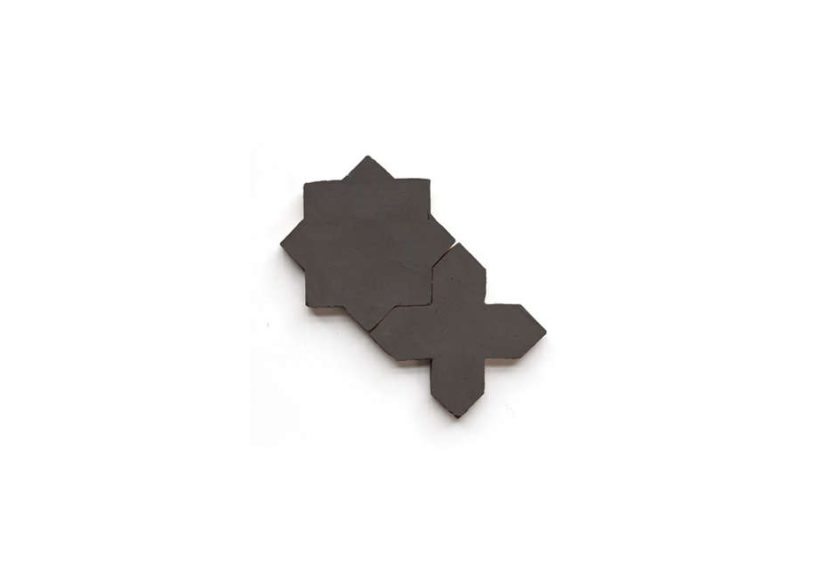
“Star and cross” usually refers to a repeating geometric layout where star-like forms and cross-like connectors create a continuous
pattern across the surface. In some collections, the look is achieved with individual shapes (stars and crosses) that interlock; in others,
the motif is expressed as a pattern on an 8-inch square. Either way, the end result is the same: your floor or wall gets instant movement,
like a stylish quilt made out of baked earth.
Terracotta brings the warmth (and the personality)
Terracotta literally translates to “baked earth,” and that’s not marketing poetryit’s basically the job description. Real terracotta is clay,
fired and finished in a way that highlights natural variation, texture, and that soft, mineral depth you can’t fake with a printed surface.
If you’re used to perfectly uniform porcelain, terracotta can feel like meeting someone who doesn’t use filters: charming, honest, and
occasionally a little chaoticin the best possible way.
Quick Specs: The Stuff You’ll Be Glad You Knew Before Ordering
Size and coverage
An “8 in.” tile is typically an 8″ x 8″ square, and many terracotta lines in this size category are substantially thick compared to standard ceramic.
For example, it’s common to see 8″ x 8″ terracotta at about 3/4″ thick, which affects transitions, trim planning, and mortar coverage.
Coverage math matters too: some 8-inch options land around just over one tile per square foot, so your order quantities won’t look like neat
whole numbers. (Tile never does. Tile is allergic to neat numbers.)
Expect variationplan for it on purpose
With handcrafted, unglazed terracotta, variation isn’t a defect; it’s the feature. Color shifts, small chips, thickness differences,
and texture changes can happen within the same batch. The smartest move is to dry-lay and blend tiles from multiple boxes before installing,
so the overall field looks intentional instead of patchy. And yes, ordering extra is normalat least 15% overage is commonly recommended,
and sometimes more if you want the installer to “cherry-pick” the most visually consistent pieces for prominent areas.
Color story: not just “orange” anymore
While classic terracotta leans warm and sun-baked, many modern “reproduction” terracotta collections include darker, blackened,
or smoky clay bodies designed to mimic aged European surfaces. That’s where the Star and Cross pattern really shines: the geometry feels crisp,
while the clay keeps it grounded and organic.
Where This Tile Works Best (And Where It Really, Really Doesn’t)
Great places to use star-and-cross terracotta
- Entryways and mudrooms: Hides daily life better than white anything.
- Kitchens: Gorgeous with wood cabinets and unlacquered brassjust take sealing seriously.
- Fireplace surrounds: Terracotta is heat-friendly and gives a hearth instant presence.
- Backsplashes: Especially behind a range, where the pattern becomes functional art.
- Bathrooms and standard showers: Possible with the right sealing approach and careful detailing.
- Radiant heat floors: Many terracotta materials are compatible and feel amazing underfoot.
Places to avoid (unless you love regret)
Terracotta is porous. That’s not an insultit’s geology. But it does mean certain wet environments are poor matches.
Steam showers, pools, and fountain areas are commonly called out as “don’t do it” zones for terracotta material guidelines.
Outdoors can work in the right climate and application, but freeze-thaw exposure can be a dealbreaker depending on the product and location.
Design Moves That Make the Star-and-Cross Pattern Look Intentional
1) Let the pattern be the star (pun fully intended)
If you’re using the Star and Cross layout on a floor, keep surrounding finishes calmer: warm white walls, natural oak,
simple cabinet fronts, and hardware that doesn’t compete. The tile becomes the “statement piece,” and everything else becomes the supporting cast.
2) Use borders to “frame” the geometry
A simple borderlike plain terracotta field tile or a contrasting edgecan make the pattern feel custom and architectural.
This works especially well in small rooms (powder baths, laundry rooms) where the pattern might otherwise feel busy.
3) Grout color is not a minor decision
Want the pattern to pop? Use grout that contrasts slightly. Want a softer, vintage look? Choose a grout tone closer to the tile body.
With handmade terracotta, wider grout joints are often more forgiving and can better accommodate size variation.
Installation Reality Check: Terracotta Is Not “Set It and Forget It”
Start with the boring stuff: substrate and methods
Tile fails for boring reasons: movement, poor prep, wrong mortar, rushed cure times. The best practice is to follow recognized installation
methods and build a properly designed, constructed, and prepared substructure. If you’re paying for beautiful tile, pay for the boring parts too.
They’re the reason the beautiful part stays beautiful.
Pre-seal is your best friend (especially before grouting)
Many terracotta tiles are sold unsealed, and sealing is not optional if you want stain resistance and easier cleanup.
A common approach is to apply multiple coats of a suitable sealer before grouting, which helps prevent grout pigment and haze from bonding
to the porous surface. Depending on the product and finish you’re aiming for, you may apply additional coats after grouting as well.
Grouting porous tile requires a different tempo
Porous clay can suck moisture out of grout quickly, which changes working time and cleanup behavior.
Pros often lightly dampen highly porous tile (without leaving standing water) and work in manageable sections so grout can be cleaned on time.
Translation: this is not the day to “speed-run” your installation with a playlist and blind optimism.
Plan transitionsthis tile can be thick
Thicker terracotta means you’ll likely need transition strips or careful floor build-up planning where the tile meets wood,
carpet, or lower-profile materials. Tell your installer the tile thickness early so you’re not surprised when your doorway becomes a tiny step.
Sealing: The Part Everyone Skips in Their Imagination (But Not in Real Life)
Penetrating vs. topical sealers
For unglazed terracotta, penetrating sealers are commonly used to stabilize the surface and reduce absorption while keeping the look natural.
Topical sealers can add sheen and more dramatic “wet look” color, but they can also change maintenance needs and may show wear patterns over time.
If you want a mellow, old-world patina, a more natural finish is usually the move. If you want a polished vibe, choose that on purpose and commit.
Outdoor installs: sealing is basically mandatory
In exterior settings, moisture exposure (rain, irrigation, humidityand in some regions freeze-thaw) makes sealing even more important.
The goal is to reduce water intrusion and staining so the clay doesn’t deteriorate or discolor unevenly.
Do test patches like a responsible adult
Always test sealing and cleaning products in an inconspicuous area first, and avoid mixing systems from different manufacturers.
That tiny test patch can save you from a whole-room finish you hate but now technically “own.”
Cleaning and Maintenance: How to Keep It Gorgeous Without Babying It
Daily/weekly care
- Sweep or vacuum before wet cleaning (grit is tiny sandpaper).
- Use pH-neutral cleaners for unglazed tile when routine washing is needed.
- Avoid harsh acids and aggressive chemicals that can damage grout and finishes.
Spills and stains: speed matters
Terracotta can develop a beautiful patina over timeespecially on floors. But if you don’t want “patina” to mean “olive oil constellation,”
wipe spills quickly, particularly in kitchens. A good sealing system buys you time; it doesn’t grant immortality.
Re-sealing schedule
Re-sealing depends on traffic, cleaning habits, and whether you used a penetrating or topical system. High-traffic areas may need refresh coats sooner.
Your best clue is behavior: if water stops beading (or the surface darkens immediately when damp), it may be time to refresh.
Room-by-Room Ideas That Actually Work
Kitchen floor: warm + graphic
Pair the Star and Cross pattern with simple shaker cabinets, warm white walls, and a few black accents (or unlacquered brass).
The tile becomes the room’s “rug,” only it can’t be dragged outside and shaken when life happens. (You’ll clean it. Like an adult.)
Laundry room: make chores feel fancy
A patterned terracotta floor makes even a basic laundry room feel designed. Add open shelving, a butcher-block folding counter, and a wall sconce,
and suddenly you’re not doing laundryyou’re starring in a home tour.
Fireplace surround: instant architecture
Star-and-cross terracotta around a fireplace reads classic and custom, especially when you keep the mantel simple and let the tile do the talking.
Bonus: soot and ash are less visually offensive on earthy clay than on bright white finishes.
Backsplash behind a range: art that works
A bold, geometric backsplash gives you a focal point without needing open shelving clutter. Just be sure your heat and splash details are handled
correctly, and seal appropriately for cooking oils and sauces.
Ordering Tips: How to Avoid the “Why Is This Box Short?” Moment
- Order extra (at least 15%). Cuts, breakage, and future repairs are normal realities.
- Blend boxes. Dry-lay from multiple cartons to distribute variation evenly.
- Confirm thickness and transitions. Especially if you’re meeting hardwood or existing floors.
- Ask about lead times. Specialty terracotta can be stocked or made-to-order depending on the line.
Pricing varies wildly by maker and finish. A widely cited reference point for this style of tile has been sold per-tile (not per square foot),
and prices can change over timeso treat any old price tag as a historical artifact, not a guarantee.
FAQ
Is unglazed terracotta too porous for a kitchen?
It can work beautifully in kitchens, but it’s not “install and ignore.” The difference between dreamy and disastrous is usually
a solid sealing system plus quick cleanup habits. If you want a truly carefree surface, porcelain that looks like terracotta may be a better fit.
If you want the real thing, commit to the care.
Can I use it in a shower?
Some terracotta guidelines allow use in standard showers with proper waterproofing details and a penetrating sealer.
However, steam showers and constant-immersion environments are typically off-limits. If your shower produces clouds like a spa commercial, skip terracotta.
Do I need wider grout joints?
Often, yes. Handmade or reproduction terracotta is rarely perfectly uniform. A slightly wider grout joint can accommodate size variation
and keep the layout looking intentional instead of “trying too hard to be perfect.”
Will it scratch?
Like many natural materials, it can show wearespecially in gritty, high-traffic areas. But terracotta tends to wear in a way that looks lived-in,
not ruined. Use mats, sweep often, and embrace a little patina as part of the charm.
Real-World Experiences (The Part You Don’t Get from a Product Photo)
Here’s what homeowners, designers, and installers commonly experience after living with a Star and Cross terracotta lookespecially in an 8″ format.
Think of this as the “what it’s like to date this tile” section. It’s charming, but it has needs.
1) The day you unbox it, you’ll either fall in love or panic.
The first reaction is often, “Wait… are they supposed to look like this?” Because yesreal terracotta can arrive with tonal variation,
dusty residue from shipping, and surface differences that would be unacceptable in factory-perfect porcelain. The second reaction, usually after a dry lay,
is, “Oh. Okay. This is actually gorgeous.” The pattern starts to read like a whole field instead of individual pieces, and those variations become the
reason the floor looks authentic instead of printed.
2) Sealing feels like extra work… until you see your first spill.
People who seal properly tend to describe the tile as “surprisingly practical.” People who rush sealing tend to describe the tile with words you can’t
put on a family blog. In kitchens, the common “aha” moment is oil: a single drip can darken porous clay instantly if the surface isn’t protected.
With a good sealer, you still wipe spillsbut you’re wiping them off the surface, not out of the tile’s personality.
3) Grout haze is the villain of the storyunless you plan for it.
Installers often mention that porous tile changes the grouting workflow. Cleanup timing matters more. Sections must stay smaller.
And pre-sealing can make the difference between a smooth day and an afternoon spent scrubbing while questioning every life choice you’ve ever made.
The people who have the best experiences usually work with installers familiar with terracotta, or they obsessively follow manufacturer guidance.
4) The pattern makes small spaces feel designed (not just finished).
A common homeowner comment about star-and-cross geometry is that it “does the decorating for you.” In powder rooms, laundry rooms,
entryways, and little pantry vestibules, the pattern creates instant intention. You can keep everything else simplepaint, a mirror, one cute light fixture
and the room still feels like it belongs in a magazine. The 8″ format helps here because it’s large enough to read clearly, but small enough to feel detailed.
5) Patina becomes part of the relationship.
On floors, especially, terracotta tends to develop a lived-in look over time. Some people love this“It looks better every year.”
Others prefer a more consistent surface and choose sealers/finishes that reduce tonal shifts. The most satisfied homeowners are the ones who decide up front
which story they want: “perfect and uniform” or “warm and evolving.” Terracotta leans naturally toward the second story, and it’s happiest when allowed to be itself.
6) Rugs, mats, and sweeping are not optionalthey’re the cheat codes.
People with pets (or kids, or bothaka “confetti cannons with opinions”) often say the tile is easier when they put down a doormat,
use runners in the heavy-traffic lane, and sweep more often than they think they should. The tile’s color and pattern hide a lot,
but grit can still act like sandpaper over time. Regular sweeping is the low-effort habit that pays off the most.
7) The compliments are constant.
This is the fun part: star-and-cross terracotta is a conversation starter. Guests notice it. It photographs well.
And it has that rare quality of looking both historic and current. It can read European farmhouse, Spanish revival, modern rustic, or minimalist
depending on what you pair it with. Many homeowners describe it as the one finish in their home that always gets asked aboutright before someone says,
“I want this in my house,” and you get to reply, “Yes. But promise you’ll seal it.”
Conclusion
The Terracotta Star And Cross 8 in. Tile is not a “neutral background” tile. It’s a statement with soulwarm, graphic, and
beautifully imperfect. If you embrace the natural variation, plan your layout, respect sealing, and follow best-practice installation methods,
you’ll end up with a surface that feels timeless and lived-in, not trendy and temporary. Treat it like the craft material it is, and it will reward you
with a space that looks designed on day oneand even better after real life happens.