Table of Contents >> Show >> Hide
- What Exactly Is a Bamboo Cloche Light?
- Why Bamboo Cloche Lights Work So Well in Real Homes
- Choosing the Right Bamboo Cloche Light
- Where Bamboo Cloche Lights Look Their Best
- How to Hang Bamboo Cloche Lights Like You Know What You’re Doing
- Styling Tips: Make Bamboo Cloche Lights Look Expensive (Even If They Aren’t)
- Care and Cleaning: Keep the Glow, Lose the Dust
- Buying Smarter: What to Look for Before You Click “Add to Cart”
- Conclusion: The Warmest Way to Upgrade a Room
- Experiences That (Very) Commonly Happen After You Install Bamboo Cloche Lights
If your ceiling could talk, it would probably ask for a little jewelry. Not the “bling that blinds you” kindmore like the
effortlessly cool accessory that makes the whole room look intentional. Enter bamboo cloche lights:
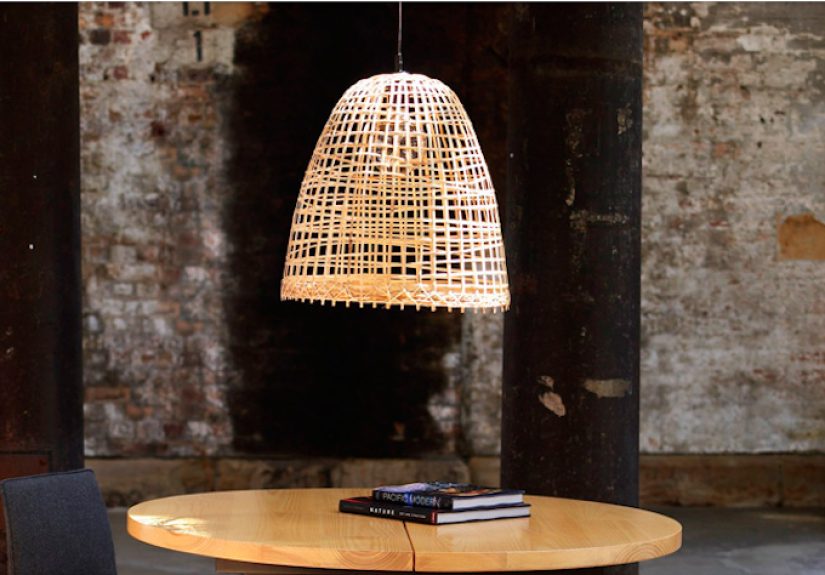
bell-shaped (that’s the “cloche” part) woven bamboo pendants that glow like a sunset in lamp form and cast those
delightful shadow patterns that make your walls look like they’re wearing lace.
These fixtures sit in the sweet spot between cozy and sculptural. They’re warm, textural, and surprisingly versatileequally
at home in a coastal kitchen, a modern farmhouse entryway, or a minimalist bedroom that needs one “I’m not boring, I swear”
moment. Let’s break down what bamboo cloche lights are, why they work, how to choose the right one, and how to hang them
without turning your dining table into an obstacle course.
What Exactly Is a Bamboo Cloche Light?
A cloche is a bell-shaped form (the word is French for “bell”), and in lighting it typically describes a
softly flared shadethink inverted tulip, gentle dome, or bell-jar silhouette. When you pair that shape with bamboo,
you get a pendant that feels airy and grounded at the same time: structured enough to look designed, natural enough to
feel relaxed.
Why bamboo is the star
Bamboo shades are often woven or latticed, which means the light doesn’t just shineit filters. Depending on the
weave, you’ll get anything from a subtle glow to a dramatic “shadow theater” effect across ceilings and walls. Many popular
bamboo pendants lean into that handmade, slightly imperfect charmeach piece can feel a little unique, like it has a
personality (and a better skincare routine than the rest of us).
Why Bamboo Cloche Lights Work So Well in Real Homes
1) They add texture without adding clutter
Designers love “layering” a room with different materials. Bamboo does a ton of visual workwarmth, texture, softnesswithout
taking up any floor space. It’s like adding a rug… but for your ceiling.
2) They play nicely with multiple styles
The same woven cloche pendant can look:
- Coastal when paired with white walls, linen, and light wood
- Modern farmhouse next to shaker cabinets and matte black hardware
- Boho with plants, vintage textiles, and layered neutrals
- Scandi/Japandi when kept simple with clean lines and calm tones
3) They create “good mood lighting”
Bamboo naturally softens light. Open weaves let brightness through while still warming it up; tighter weaves feel more
ambient and intimate. Translation: fewer harsh overhead vibes, more “come in, kick off your shoes, stay awhile.”
Choosing the Right Bamboo Cloche Light
Step 1: Pick the right size (so it looks intentional)
Scale is everything. Too small and it looks like a random afterthought. Too large and your room feels like it’s wearing a hat
indoors. As a practical starting point:
- Over a kitchen island: one larger cloche for a small island, or two to three medium pendants for longer islands
- Over a dining table: a single statement cloche centered, or a pair for longer rectangular tables
- In an entryway: go a little bigger than you thinkentries love drama
Step 2: Decide how much light you want (weave matters)
Bamboo cloche shades come in a range of “light behaviors”:
- Open weave / split cane: brighter, airier, more shadows; bulb can be more visible
- Medium weave: balanced; soft glow plus some patterning
- Tight weave / lined shade: moodier; less glare; fewer dramatic shadows
If you love that patterned projection, pick an open or lattice design. If you want a calmer, more uniform glow, choose a tighter weave
or a shade with an inner diffuser.
Step 3: Choose the right bulb (the secret sauce)
With woven shades, the bulb isn’t just a bulbit’s the co-star. A few guidelines:
- Color temperature: 2700K–3000K for warm, inviting light (especially living rooms, bedrooms, dining)
- Brightness: pick lumens based on the jobambient vs. task lighting
- Bulb finish: frosted bulbs reduce glare if the weave is open and the bulb is visible
- Dimmers: bamboo pendants + dimmer = instant “restaurant energy” at home
Step 4: Check ratings for bathrooms or covered patios
Want a bamboo cloche in a bathroom or a covered porch? Make sure the fixture is rated appropriately. In general:
- Dry-rated: standard indoor rooms
- Damp-rated: humid areas like bathrooms (away from direct spray) or covered outdoor spaces
- Wet-rated: direct exposure to water (rain, shower zones)
Bamboo itself can be sensitive to moisture over time, so ventilation and the correct fixture rating matter. When in doubt, prioritize
a damp-rated pendant and keep it away from direct water.
Where Bamboo Cloche Lights Look Their Best
Kitchen islands: the classic “wow” zone
Bamboo cloche pendants are incredible over islands because they add texture to all the hard surfaces (stone, tile, cabinetry).
A commonly recommended hanging range is 30–36 inches between the bottom of the pendant and the countertop.
It keeps sightlines open while still delivering useful light.
If you’re hanging multiple pendants, a frequent spacing guideline is roughly 24 inches apart (adjust for your fixture diameter).
The goal: each pendant gets breathing room, and your island doesn’t look like it’s wearing a bead curtain.
Dining tables: instant warmth, zero effort
A bamboo cloche over a dining table is the lighting equivalent of serving bread while it’s still warm. It makes everything feel more inviting.
The typical rule of thumb for dining is also around 30–36 inches above the tabletop, depending on ceiling height and fixture scale.
Entryways: the “hello, I have taste” moment
In an entry, bamboo works beautifully because it softens the first impression. Choose a shape with presencemore cloche, less tiny dome.
If you have a two-story foyer, consider a larger silhouette or a multi-tier woven look to keep the space from feeling empty.
Bedrooms: calm, cozy, and a little boutique-hotel
Woven bamboo in a bedroom gives you a gentle glow and subtle shadow texture that feels relaxing at night. Pair it with warm bulbs and layered bedside lighting,
so the ceiling light doesn’t have to do all the emotional labor.
How to Hang Bamboo Cloche Lights Like You Know What You’re Doing
Height rules that keep the peace
- Over counters/tables: aim for 30–36 inches from surface to the bottom of the fixture
- Open walkways: keep enough clearance so nobody “headbutts the vibe” (many installers aim for about 7 feet from floor to bottom)
- Higher ceilings: you can drop a bit lower visually, but maintain functional clearances
Safety and install notes (worth five minutes of your life)
Bamboo shades are lightweight, but the electrical box and mounting still matter. If the fixture is hardwired, consider a licensed electricianespecially if you’re
adding a dimmer, moving junction boxes, or installing in a damp location. Also: don’t put a bulb that runs excessively hot into a tightly woven shade. LEDs are a
smart match for bamboo because they run cooler and use less energy.
Styling Tips: Make Bamboo Cloche Lights Look Expensive (Even If They Aren’t)
Pair bamboo with contrast
Bamboo loves contrast: matte black, aged brass, crisp white, charcoal stone, deep green paint. The shade stays organic and warm, while the surrounding finishes
add definition. This is especially helpful in kitchens where everything can otherwise blur into “beige on beige on beige.”
Repeat materials for cohesion
If your pendant is bamboo, echo that warmth elsewhere: a wood stool, a woven runner, a rattan tray, even a cutting board left out on purpose (yes, that’s a styling move).
Repetition makes the light look like part of a plan.
Use bulbs that flatter the weave
If the shade is open, choose a bulb that looks good exposedthink frosted globe or tasteful filament-style LED. If the shade is tight, focus on brightness and warmth
instead. Either way, dimmability is your best friend.
Care and Cleaning: Keep the Glow, Lose the Dust
Woven shades are gorgeous, but they can collect dust in their little nooks like it’s a hobby. The good news: maintenance is simple if you do it regularly.
- Weekly or biweekly: dust with a microfiber cloth or a soft brush attachment on a vacuum (gentle suction)
- Occasional deeper clean: lightly wipe with a barely damp cloth and mild soap solutionavoid soaking the fibers
- Dry thoroughly: bamboo and moisture aren’t sworn enemies, but they’re definitely not besties
If you notice grime buildup (kitchen pendants, I’m looking at you), a soft brush can help lift dirt from the weavejust be gentle so you don’t snag fibers.
Buying Smarter: What to Look for Before You Click “Add to Cart”
Quick checklist
- Fixture rating: dry vs. damp (important for bathrooms/covered porches)
- Bulb base: common sizes like E26 make replacements easy
- Adjustability: look for a canopy/cord system that fits your ceiling height
- Return policy: woven lights can look different in your space than on a white-background product photo
- Weave quality: check for consistent weaving and a sturdy frame
Conclusion: The Warmest Way to Upgrade a Room
Bamboo cloche lights are one of the easiest upgrades that changes how a space feelsimmediately. They add warmth without heaviness, texture without clutter,
and style without trying too hard. Choose the right size, pair it with a flattering warm LED, hang it at a sensible height, and you’ll get that “soft glow, good mood”
magic every time you flip the switch.
Experiences That (Very) Commonly Happen After You Install Bamboo Cloche Lights
The first experience most people have is the “wait… why does my room look like a magazine now?” moment. It’s not that bamboo cloche lights are secretly sprinkled with
interior-design fairy dustit’s that overhead lighting is usually the biggest visual object in a room, and swapping it changes the whole story. A woven cloche pendant
introduces texture up high, where most rooms are blank. That one move can make a space feel layered and finished, even if the rest of the room is still in its “I just
moved in” era.
Another very common experience: you become oddly invested in the shadows. The weave projects patterns that shift as you walk around, and at night it can turn a plain
ceiling into something that feels alive. People often describe it as cozy or calminglike a subtle lantern effect. If you install the light over a dining table, you’ll
probably notice dinners feel warmer and slower, even on regular weeknights. It’s amazing what happens when your lighting stops screaming and starts whispering.
In kitchens, bamboo cloche lights tend to create a “softened” look. Kitchens can be visually hard: stone counters, tile backsplashes, metal appliances, sharp cabinet lines.
A woven pendant adds a natural counterbalance. A common learning curve is bulb selection. If the weave is open and the bulb is exposed, many homeowners realize quickly that
a super-clear, ultra-bright bulb can feel glary. Switching to a frosted bulb or a warmer temperature often becomes the “ohhh there it is” fixsuddenly the pendant looks
intentional instead of like a spotlight on your countertop crumbs.
People also frequently notice how bamboo pendants affect the sound of a roomnot because the light itself is an acoustic panel, but because once you add a big woven
element, you often start styling with other soft textures to match: a runner, upholstered stools, curtains, a rug. The chain reaction can make a space feel less echo-y and
more comfortable overall. The light becomes the gateway habit. “I’ll just change the pendant” turns into “maybe I’ll add linen curtains,” which turns into “should we paint?”
This is how homes get upgraded: one good decision at a time, followed by a harmless amount of browsing.
Then there’s the cleaning reality. The experience here is usually a split: either you’re the type who notices dust instantly, or you’re the type who only notices dust when
sunlight hits it like an interrogation lamp. Woven shades do collect dust in crevices, but most people find that a quick pass with a soft brush attachment (gentle suction)
every couple of weeks keeps things looking great. In kitchens, a slightly more frequent dusting helps prevent greasy buildup from cooking. The key experience-based takeaway:
it’s easier to keep a bamboo pendant clean than it is to deep-clean it after months of neglect. The weave remembers.
Finally, many people find bamboo cloche lights change how they use dimmers. If you didn’t care before, you will now. With a woven shade, dimming doesn’t just reduce
brightnessit changes the mood, the shadows, and the “glow radius” of the fixture. You’ll probably end up with a go-to setting: brighter for cooking or working, softer for
evenings, lowest for “I am absolutely not doing dishes right now.” And honestly? That’s the best kind of lightinglighting that matches your life, not the other way around.