Table of Contents >> Show >> Hide
- What Makes a Great Book for a 1-Year-Old?
- 20 Best Books for 1-Year-Olds
- 1. Brown Bear, Brown Bear, What Do You See? by Bill Martin Jr. and Eric Carle
- 2. Goodnight Moon by Margaret Wise Brown and Clement Hurd
- 3. The Very Hungry Caterpillar by Eric Carle
- 4. Where’s Spot? by Eric Hill
- 5. Dear Zoo by Rod Campbell
- 6. Pat the Bunny by Dorothy Kunhardt
- 7. Moo, Baa, La La La! by Sandra Boynton
- 8. The Going to Bed Book by Sandra Boynton
- 9. First 100 Words by Roger Priddy
- 10. Where Is Baby’s Belly Button? by Karen Katz
- 11. Peek-a-Who? by Nina Laden
- 12. That’s Not My Puppy by Fiona Watt and Rachel Wells
- 13. Baby Touch and Feel: Animals by DK
- 14. Llama Llama Nighty-Night by Anna Dewdney
- 15. Little Blue Truck by Alice Schertle and Jill McElmurry
- 16. Chicka Chicka Boom Boom by Bill Martin Jr., John Archambault, and Lois Ehlert
- 17. Ten Little Fingers and Ten Little Toes by Mem Fox and Helen Oxenbury
- 18. Global Babies by The Global Fund for Children
- 19. Baby Faces by DK
- 20. Press Here by Hervé Tullet
- How to Choose Between Board, Flap, and Touch-and-Feel Books
- Reading Tips for Parents of 1-Year-Olds
- Experience-Based Notes: What Actually Works When Reading to a 1-Year-Old
- Conclusion
Shopping for books for a 1-year-old is delightfully chaotic. One minute the child is cuddled in your lap like a tiny scholar; the next, they are chewing the corner of Goodnight Moon with the seriousness of a literary critic. That is exactly why the best books for 1-year-olds are not fragile masterpieces with paper pages. They are sturdy board books, lift-the-flap surprises, touch-and-feel adventures, rhyming read-alouds, and simple stories that can survive drool, floor drops, diaper-bag emergencies, and enthusiastic page slapping.
At this age, reading is less about “finishing the story” and more about building warm routines, language exposure, curiosity, and a happy relationship with books. A 1-year-old may point, babble, clap, close the book halfway through, reopen it upside down, and demand the same page fourteen times. Perfect. That is reading, toddler edition.
This guide gathers 20 of the best books for 1-year-olds, including classic board books, interactive lift-the-flap books, sensory touch-and-feel books, bedtime favorites, animal books, first-word books, and playful stories parents will not mind rereading until everyone in the house can recite them in their sleep.
What Makes a Great Book for a 1-Year-Old?
The best baby books for 12-month-olds usually share a few toddler-approved qualities: thick pages, bold pictures, simple words, repetition, rhythm, familiar objects, and some kind of interaction. Flaps invite little fingers to explore. Textures introduce sensory play. Animal sounds make adults look ridiculous, which babies consider premium entertainment.
Look for books that encourage pointing, naming, touching, predicting, and repeating. A good book for this age does not need a complicated plot. In fact, “Where is the puppy?” can be more thrilling than a three-act drama. Books about faces, animals, bedtime, food, family, body parts, vehicles, colors, and everyday routines tend to work beautifully because toddlers are busy connecting words to the world they see every day.
20 Best Books for 1-Year-Olds
1. Brown Bear, Brown Bear, What Do You See? by Bill Martin Jr. and Eric Carle
This classic board book is practically a toddler read-aloud machine. The repeating question-and-answer pattern helps 1-year-olds anticipate what comes next, while Eric Carle’s bold animal art keeps the pages visually exciting. It introduces colors, animals, rhythm, and memory skills without feeling like a lesson. Bonus: it gives grown-ups a dependable script when their brain is running on half a cup of cold coffee.
2. Goodnight Moon by Margaret Wise Brown and Clement Hurd
A gentle bedtime book with a soft, hypnotic rhythm, Goodnight Moon remains one of the best board books for babies and toddlers. Its quiet “goodnight” pattern helps create a calming sleep routine. One-year-olds may not understand every object in the great green room, but they understand repetition, comfort, and the cozy sound of a familiar voice.
3. The Very Hungry Caterpillar by Eric Carle
With bright collage art, counting, food names, days of the week, and tiny holes for curious fingers, The Very Hungry Caterpillar is a terrific choice for toddlers. A 1-year-old may mostly enjoy the fruit pages and the caterpillar’s snack parade, but the book grows with the child. Today it is a board book. Tomorrow it is a counting lesson. Eventually, it becomes a butterfly reveal with dramatic flair.
4. Where’s Spot? by Eric Hill
Where’s Spot? is one of the great lift-the-flap books for 1-year-olds because it turns reading into a game of discovery. Is Spot under the stairs? Behind the door? In the piano? Toddlers love the peekaboo structure, and caregivers can add animal sounds, silly guesses, and suspenseful pauses. The flaps support fine motor practice, though supervision is wise if your toddler treats flaps like snack packaging.
5. Dear Zoo by Rod Campbell
Simple, funny, and wonderfully interactive, Dear Zoo invites toddlers to lift flaps and discover which animal the zoo has sent. The animals are too big, too tall, too fierce, or too jumpy until the perfect pet appears. It is one of the best flap books for toddlers because the structure is predictable, the surprises are quick, and the animal vocabulary is easy to reinforce.
6. Pat the Bunny by Dorothy Kunhardt
For touch-and-feel reading, Pat the Bunny is a classic. It invites babies and toddlers to pat, peek, feel, and participate. The text is simple, but the experience is active. A 1-year-old can explore textures, imitate actions, and enjoy the idea that books are not just things adults read at them; books are things they can do.
7. Moo, Baa, La La La! by Sandra Boynton
Sandra Boynton understands toddler comedy. Moo, Baa, La La La! is short, musical, silly, and loaded with animal sounds. One-year-olds love the rhythm, and adults love that it can be read with full barnyard drama in under two minutes. The “three singing pigs” moment is absurd in the best way, proving that early literacy can be both educational and deeply unserious.
8. The Going to Bed Book by Sandra Boynton
This bedtime board book follows a group of animals as they wash, brush, exercise, and settle down for sleep. It is cozy, funny, and rhythmic, making it ideal for evening routines. The language is simple enough for toddlers, while the humor keeps parents from feeling trapped in bedtime-book purgatory. It is especially good for families building a predictable nightly reading habit.
9. First 100 Words by Roger Priddy
For toddlers who love pointing at pictures, First 100 Words is a strong vocabulary builder. The pages show familiar objects, foods, animals, clothing, toys, and vehicles. You do not have to read it straight through. In fact, most 1-year-olds will not let you. Point, name, pause, repeat, and let your child choose what catches their attention.
10. Where Is Baby’s Belly Button? by Karen Katz
This cheerful lift-the-flap book helps toddlers learn body parts through playful questions. Where are baby’s eyes? Where is baby’s mouth? Where is baby’s belly button? The simple structure is perfect for 1-year-olds, especially because it connects the book to their own body. Expect pointing, giggles, and possibly a dramatic shirt lift when the belly button appears.
11. Peek-a-Who? by Nina Laden
Peek-a-Who? is short, bold, and brilliant for babies who enjoy peekaboo. The cutout pages create suspense, while the rhyming reveals keep the reading lively. It is excellent for teaching prediction because toddlers begin to recognize the pattern quickly. The final mirror-style surprise often earns a delighted reaction, especially from babies who believe their own face is breaking news.
12. That’s Not My Puppy by Fiona Watt and Rachel Wells
The That’s Not My… series is beloved for touch-and-feel exploration, and That’s Not My Puppy is a standout for animal-loving toddlers. Each page introduces a texture: fuzzy, rough, soft, bumpy, or smooth. The repeated sentence pattern helps language development, while the tactile patches keep busy hands involved. It is a great pick for sensory play and early descriptive words.
13. Baby Touch and Feel: Animals by DK
This sturdy touch-and-feel book introduces animals through clear photos and simple textures. DK’s photographic style works well for toddlers who are learning to connect images with real-world creatures. The book supports vocabulary, sensory exploration, and animal recognition. It is also a practical diaper-bag book because each page offers a quick interaction before attention wanders to snacks, socks, or gravity.
14. Llama Llama Nighty-Night by Anna Dewdney
A compact bedtime book with familiar routines, Llama Llama Nighty-Night is a sweet choice for 1-year-olds. The story covers pajamas, brushing teeth, cuddles, and sleep in simple language. It works especially well for toddlers who enjoy routine-based books. Reading it regularly can make bedtime feel less like a negotiation with a tiny lawyer and more like a comforting sequence.
15. Little Blue Truck by Alice Schertle and Jill McElmurry
Little Blue Truck combines trucks, animals, sound effects, and kindness. While some 1-year-olds may not follow the full message, they will enjoy the “beep,” “moo,” “oink,” and “quack” moments. The board book edition is sturdy, and the story remains engaging as toddlers grow. It is a smart pick for children who light up at vehicles and farm animals.
16. Chicka Chicka Boom Boom by Bill Martin Jr., John Archambault, and Lois Ehlert
For alphabet exposure with rhythm, Chicka Chicka Boom Boom is a joyful choice. A 1-year-old does not need to master letters yet, but hearing the musical language and seeing bright letter shapes builds familiarity. The chant-like text makes it fun to read aloud, and the coconut tree chaos adds just enough silliness to keep everyone awake.
17. Ten Little Fingers and Ten Little Toes by Mem Fox and Helen Oxenbury
This tender board book celebrates babies from different places while focusing on something every baby shares: fingers and toes. The repeated refrain is soothing, and the illustrations are warm and expressive. It is one of the best books for 1-year-olds when you want something sweet, inclusive, and easy to pair with toe-counting, finger-wiggling, and cuddles.
18. Global Babies by The Global Fund for Children
Babies love looking at baby faces, and Global Babies offers beautiful photographs of babies from around the world. The book is simple, visually engaging, and excellent for face recognition. It also introduces diversity naturally and warmly. For 1-year-olds, the appeal is immediate: “Baby!” For adults, the value is bigger: a gentle early window into the wider world.
19. Baby Faces by DK
Baby Faces is a wonderful first book because toddlers are fascinated by expressions. Happy, sad, sleepy, surprised, and silly faces invite labeling emotions and imitating looks. The sturdy format works for little hands, and the photographs feel familiar. It is especially useful for quick reading sessions during tummy time, stroller breaks, or those mysterious five minutes before lunch when everyone is emotional.
20. Press Here by Hervé Tullet
Although often enjoyed by slightly older toddlers too, Press Here can be magical for curious 1-year-olds with adult help. The book asks children to press dots, shake pages, clap, and see what “happens” next. It introduces cause and effect through imagination rather than batteries. For families looking for an interactive read that feels like a game, this one is pure fun.
How to Choose Between Board, Flap, and Touch-and-Feel Books
Choose Board Books for Durability
Board books are the everyday heroes of a 1-year-old’s bookshelf. They are thick, easy to turn, and far more likely to survive teething, tossing, and “reading” by sitting on them. Classics like Brown Bear, Brown Bear, Goodnight Moon, and The Going to Bed Book are ideal because they combine durability with rhythm and repetition.
Choose Lift-the-Flap Books for Curiosity
Flap books are perfect for toddlers who love peekaboo, hiding games, and surprises. Where’s Spot?, Dear Zoo, and Where Is Baby’s Belly Button? help children practice anticipation and fine motor skills. The only catch: flaps are tempting to pull. If your toddler is in a “tiny raccoon” phase, read these together instead of leaving them unattended.
Choose Touch-and-Feel Books for Sensory Learning
Touch-and-feel books invite babies to explore texture words like soft, fuzzy, bumpy, shiny, rough, and smooth. Books such as Pat the Bunny, That’s Not My Puppy, and Baby Touch and Feel: Animals are especially good for hands-on learners. They also help turn reading into a full-body experience, which is exactly how many 1-year-olds prefer to learn.
Reading Tips for Parents of 1-Year-Olds
First, keep reading sessions short and happy. A one-minute book session counts. A half-read book counts. Reading the same page repeatedly counts. Your toddler is building attention, vocabulary, emotional connection, and book familiarity in tiny increments.
Second, read with expression. Make the cow moo, the truck beep, and the bunny whisper goodnight. Babies learn from tone, rhythm, facial expressions, and repetition. You do not need a theater degree, although dramatic commitment to “quack” is strongly encouraged.
Third, let your child participate. Ask, “Where is the dog?” Pause before a familiar word. Let them turn pages, pat textures, lift flaps, or point at pictures. When they babble, respond as if they have made an important literary observation. Because to them, they have.
Finally, follow your child’s interest. If they only want animal books this week, great. If they are obsessed with belly buttons, congratulations, you live with a tiny anatomy professor. The best books for 1-year-olds are the ones that make reading feel warm, playful, and worth repeating.
Experience-Based Notes: What Actually Works When Reading to a 1-Year-Old
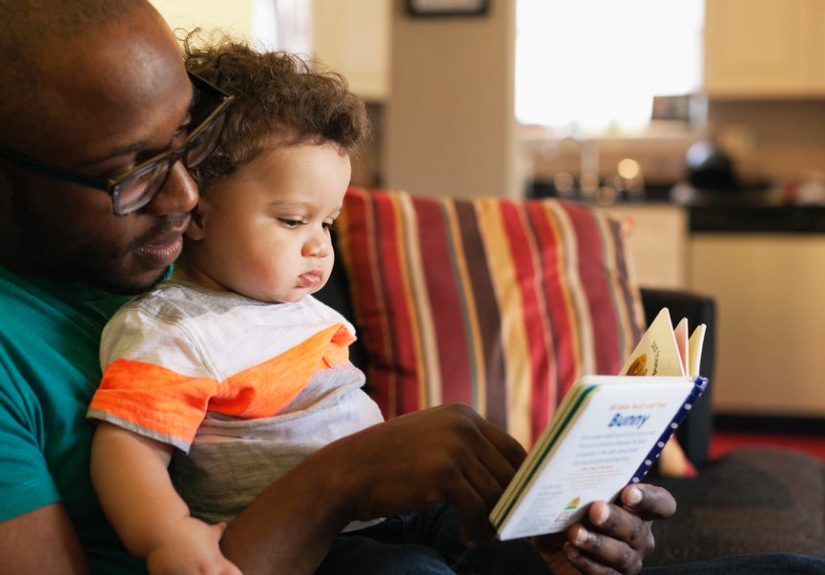
Reading to a 1-year-old sounds peaceful in theory: a cozy chair, a soft blanket, a smiling baby, perhaps a little sunlight streaming through the window like a diaper commercial. In real life, reading often involves a toddler trying to turn three pages at once, licking the cover, pointing at the same duck for six minutes, and then leaving suddenly to inspect a dust bunny. That does not mean the reading session failed. It means the reader is one.
One of the most useful experiences with books for this age is learning to stop treating reading like a performance with a beginning, middle, and end. Toddlers do not care whether you finish the book. They care whether the moment feels interesting, warm, and interactive. Some days, Dear Zoo may be a full production with animal voices. Other days, the entire “story” is opening one flap, saying “lion,” roaring twice, and closing the book. That still builds connection and language.
Another lesson: repetition is not a problem; it is the point. Adults may feel their souls gently leaving their bodies after the fiftieth reading of Brown Bear, Brown Bear, but toddlers thrive on predictable language. Repeated books help them anticipate words, sounds, and page turns. Over time, a child may start filling in a sound, pointing before you ask, or smiling before the surprise appears. That is early literacy quietly doing its job.
It also helps to scatter books around the house rather than keeping them only on a perfect nursery shelf. A small basket near the couch, a few board books beside the crib, one touch-and-feel book in the diaper bag, and a bedtime favorite near the rocking chair can make reading feel like part of everyday life. Books become normal objects of comfort and curiosity, not special items reserved for “official learning time.”
Parents often discover that different book types work at different moments. Touch-and-feel books are excellent when a toddler needs something physical to do. Lift-the-flap books are great when attention is high but patience is low. Bedtime books work best when read in the same order each night. First-word books are handy during snack time, travel, or waiting rooms because you can point to one picture and talk about it without needing to follow a plot.
One practical tip is to use the book as a conversation starter instead of a script. If the page shows a dog, you can say, “Dog! Woof! Grandma has a dog. The dog says woof.” If the book shows a banana, point to the kitchen or snack bowl. These tiny connections help toddlers link pictures, words, sounds, and real experiences.
The best reading experience at age one is not polished. It is playful. It is repetitive. It is sometimes upside down. It may include drool. But when a toddler crawls over carrying the same battered board book again, that is a very good sign. They are not just asking for a story. They are asking for your voice, your lap, your attention, and the familiar joy of doing the same wonderful thing one more time.
Conclusion
The best books for 1-year-olds are sturdy, simple, interactive, and joyful. Board books build familiarity and survive rough handling. Lift-the-flap books turn reading into a surprise game. Touch-and-feel books invite sensory exploration. Rhyming books, bedtime books, animal books, and first-word books all help toddlers connect language to the world around them.
Whether you choose Goodnight Moon, Where’s Spot?, Pat the Bunny, First 100 Words, or a whole basket of chew-resistant classics, the real magic is not in creating the perfect library. It is in reading often, reading warmly, and letting your child experience books as something safe, funny, cuddly, and worth coming back to. At age one, that is exactly where lifelong reading begins.