Table of Contents >> Show >> Hide
- What is T-cell prolymphocytic leukemia?
- Symptoms of T-cell prolymphocytic leukemia
- What causes T-cell prolymphocytic leukemia?
- How T-cell prolymphocytic leukemia is diagnosed
- T-cell prolymphocytic leukemia treatment options
- Prognosis and outlook
- Living with T-cell prolymphocytic leukemia
- The human experience of T-cell prolymphocytic leukemia
- Conclusion
- SEO Tags
T-cell prolymphocytic leukemia, usually shortened to T-PLL, is one of those diagnoses that sounds like it was invented by a committee armed with lab coats and too many syllables. Behind the intimidating name, though, is a very real and very serious blood cancer that starts in mature T cells, a type of white blood cell that normally helps defend the body. In T-PLL, those cells stop behaving like disciplined immune-system employees and start multiplying like they missed the memo.
This is a rare and aggressive leukemia, which means two things at once: many people have never heard of it, and specialists take it very seriously when they do see it. Because it is uncommon, patients and families often feel like they have been dropped into the medical equivalent of an advanced seminar without the textbook. The good news is that researchers and leukemia specialists now understand much more about how T-PLL behaves, how it is diagnosed, and which treatments can help.
This guide breaks down the symptoms, causes, diagnosis, treatments, prognosis, and real-life experience of living with T-cell prolymphocytic leukemia, all in plain American English and without the usual medical fog machine.
What is T-cell prolymphocytic leukemia?
T-PLL is a rare mature T-cell leukemia. It develops when abnormal T lymphocytes build up in the blood, bone marrow, spleen, liver, lymph nodes, and sometimes the skin or body cavities. It tends to affect older adults more often than younger people, with many cases diagnosed in people in their 60s or later.
Unlike slower blood cancers that may sit quietly for years, T-PLL usually acts fast. Some people are diagnosed after routine blood work shows a rising lymphocyte count before they feel sick. Others develop symptoms quickly and need treatment soon after diagnosis. That split personality is part of what makes this disease tricky: it can arrive whispering, then suddenly start shouting.
Symptoms of T-cell prolymphocytic leukemia
The symptoms of T-cell prolymphocytic leukemia often happen because abnormal T cells crowd out healthy blood-forming cells or collect in organs and tissues. Some patients have no symptoms at first, but once the disease becomes active, signs can pile up quickly.
Common T-PLL symptoms
- Severe fatigue or unusual weakness
- Unexplained weight loss
- Night sweats
- Fever or a general run-down feeling
- Swollen lymph nodes
- Enlarged spleen, which may cause belly fullness or discomfort
- Enlarged liver
- Skin rash, red patches, papules, or plaques
- Easy bruising or bleeding from low platelets
- Shortness of breath, dizziness, or paleness from anemia
Doctors may also find very high white blood cell counts, along with anemia or thrombocytopenia. In some cases, people develop swelling around the eyes, swelling in the legs, or fluid buildup around the lungs or in the abdomen. That is why T-PLL can sometimes look like several different problems before it is correctly identified.
Why the symptoms can be confusing
T-PLL symptoms overlap with those of other leukemias, lymphomas, infections, and autoimmune conditions. Fatigue, for example, is the most committed overachiever in all of medicine: it shows up everywhere. Skin changes may be mistaken for dermatologic conditions, and swollen lymph nodes or spleen enlargement can point doctors toward other blood cancers first. Because of that, getting the exact diagnosis matters enormously.
What causes T-cell prolymphocytic leukemia?
There is no single known lifestyle or environmental cause of T-cell prolymphocytic leukemia. It is not linked to anything simple like eating too much bacon, not wearing sunscreen, or losing an argument with your salad. Instead, T-PLL appears to develop because of acquired genetic changes inside the leukemia cells.
Genetic changes linked to T-PLL
Researchers have identified several recurring abnormalities in T-PLL, including changes involving TCL1, ATM, and signaling pathways such as JAK/STAT. These genetic problems help abnormal T cells survive, multiply, and resist normal cell death. In plain terms, the cancer cells gain a survival advantage and refuse to leave when they should.
Some patients with the inherited disorder ataxia-telangiectasia, which involves the ATM gene, have a higher risk of developing T-PLL. Still, most people with T-PLL do not have a clear inherited syndrome or an obvious outside trigger.
Risk factors doctors know about
- Older age
- Male sex, slightly more often than female
- Certain genetic abnormalities in the leukemia cells
- Rare association with inherited ATM-related disorders
For most patients, the honest answer to “Why did this happen?” is frustratingly unsatisfying: because certain immune cells picked up harmful mutations over time. It is not a satisfying villain origin story, but it is the most accurate one.
How T-cell prolymphocytic leukemia is diagnosed
Diagnosing T-PLL usually requires a hematologist or leukemia specialist who can combine the patient’s symptoms, blood counts, cell appearance, immunophenotype, and genetic test results. This is not a diagnosis made on vibes alone.
Tests used to diagnose T-PLL
- Complete blood count (CBC): often shows marked lymphocytosis, anemia, or low platelets
- Peripheral blood smear: looks for abnormal prolymphocytic cells
- Flow cytometry: identifies the cell surface markers typical of T-PLL
- T-cell receptor clonality testing: confirms the cells come from one abnormal clone
- Cytogenetic or molecular testing: looks for abnormalities involving TCL1, MTCP1, ATM, chromosome 14, and other changes
- Bone marrow testing: may help assess involvement, though diagnosis is often made from blood
- CT imaging: helps evaluate enlarged lymph nodes, spleen, liver, or fluid collections
International consensus criteria help specialists distinguish T-PLL from other mature T-cell cancers, such as adult T-cell leukemia/lymphoma, T-cell large granular lymphocytic leukemia, or Sézary syndrome. That matters because the treatment approach is different, and guessing wrong can waste valuable time.
When treatment starts
Not every patient starts treatment the moment T-PLL is diagnosed. If the disease is inactive and the person has no major symptoms, doctors may recommend careful observation for a period of time. But once patients develop constitutional symptoms, rapidly rising lymphocyte counts, anemia, low platelets, enlarging organs, symptomatic lymph nodes, or significant skin or fluid involvement, treatment usually becomes necessary.
T-cell prolymphocytic leukemia treatment options
T-PLL treatment is challenging because the disease tends to respond poorly to conventional chemotherapy. Over time, one therapy has clearly stood out as the most important first move for many patients with active disease.
1. Alemtuzumab
Alemtuzumab is the mainstay of treatment for symptomatic T-cell prolymphocytic leukemia. It is a monoclonal antibody that targets CD52, a protein found on T-PLL cells. In many patients, intravenous alemtuzumab can produce a strong initial response, often much better than standard chemotherapy.
That said, T-PLL has a nasty habit of regrouping. Responses to alemtuzumab are often not long-lasting, so doctors frequently think beyond remission and plan the next step early. In other words, alemtuzumab can knock the disease back, but it is not always the last chapter.
2. Stem cell transplant
For patients who are healthy enough and respond well to initial therapy, allogeneic stem cell transplant may be considered. This is currently the option most associated with the possibility of longer-term disease control. It is not a minor undertaking; transplant comes with serious risks, including infection, graft-versus-host disease, and treatment-related complications.
Even so, for selected patients, transplant can offer a chance at a deeper and more durable remission than drug treatment alone. Specialists generally weigh age, overall fitness, response to induction therapy, donor availability, and personal goals before moving forward.
3. Other drugs and combination strategies
Older chemotherapy regimens such as CHOP, pentostatin, fludarabine-based combinations, cladribine, or bendamustine have shown limited benefit in many cases. Researchers are now paying more attention to targeted therapies and rational drug combinations, especially in relapsed or refractory T-PLL.
Examples under study or used in select cases include:
- Venetoclax, which targets BCL-2
- Ruxolitinib or other JAK-pathway inhibitors for disease with JAK/STAT involvement
- Combination regimens such as alemtuzumab with other agents
- Clinical trials exploring newer targeted and cellular approaches
Because T-PLL is rare, many treatment decisions are made at expert centers or through multidisciplinary discussions. This is one of those diagnoses where “getting a second opinion” is not a sign of distrust. It is a sign of excellent judgment.
4. Supportive care
Treatment is not just about attacking leukemia cells. Supportive care can be a huge part of T-PLL management and may include:
- Infection prevention and treatment
- Blood transfusions when needed
- Monitoring for treatment-related side effects
- Skin symptom management
- Nutritional and physical support during therapy
- Palliative care for symptom relief and quality of life
Prognosis and outlook
T-cell prolymphocytic leukemia has historically carried a poor prognosis. Without effective therapy, it can progress rapidly. Even with treatment, relapse remains common. That is the hard truth.
But this is also where the story gets a little less bleak than it used to be. Better use of intravenous alemtuzumab, improved transplant strategies, and growing interest in mutation-guided targeted therapy have begun to reshape how specialists think about T-PLL. Progress may be slower than anyone wants, but it is very real.
Factors that may influence outlook include:
- How active the disease is at diagnosis
- Whether there is significant organ, skin, or fluid involvement
- How well the leukemia responds to alemtuzumab
- Whether the patient is eligible for allogeneic transplant
- Overall health, age, and performance status
- Specific genetic or molecular features of the leukemia
Living with T-cell prolymphocytic leukemia
A diagnosis of T-PLL can feel like a trapdoor opening under everyday life. One day you are annoyed by a routine blood draw. The next, you are learning words like “clonality,” “immunophenotype,” and “allogeneic transplant” while pretending you are absolutely fine with all of it. Most people are not fine with it, and that is normal.
Questions patients may want to ask their doctor
- Is my T-PLL active right now, or can it be watched closely for a while?
- What tests confirmed the diagnosis?
- Do my leukemia cells have targetable mutations or notable genetic changes?
- Am I a candidate for intravenous alemtuzumab?
- Should I be evaluated for stem cell transplant now?
- Would a leukemia specialty center or clinical trial be appropriate?
- What side effects should I expect, and how can they be managed?
Those questions may not make the situation easy, but they can make it less foggy. And when you are facing a rare leukemia, less fog is a victory.
The human experience of T-cell prolymphocytic leukemia
Beyond test results and treatment plans, T-cell prolymphocytic leukemia has a distinct emotional texture. For many patients, the first experience is disbelief. They may have gone to a doctor for fatigue, night sweats, swollen nodes, or an odd-looking rash, only to discover that the real issue was a rare blood cancer most people, including some healthcare professionals outside hematology, almost never encounter. That rarity can feel isolating. It is hard enough to hear the word “leukemia.” It is even harder when your diagnosis comes with an unspoken second sentence: “and almost nobody has heard of this.”
Then there is the strange timing of the disease itself. Some people learn they have T-PLL before they feel especially sick, which creates a surreal phase of waiting, monitoring, and wondering when the other shoe will drop. Others go from “something feels off” to “we need treatment soon” with dizzying speed. Both experiences are stressful. Waiting can feel like living beside a smoke alarm that has not gone off yet but definitely might. Rapid treatment, meanwhile, can feel like being thrown onto a moving train while still tying your shoes.
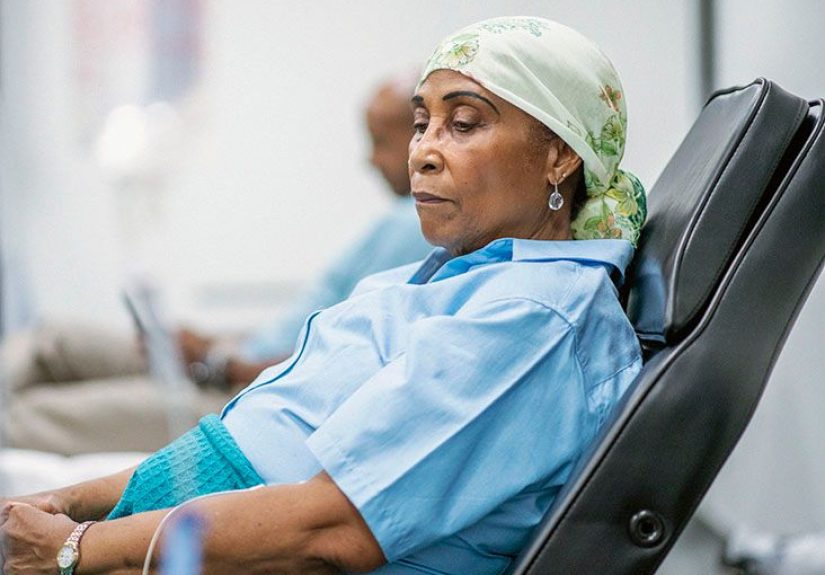
Treatment brings its own layer of reality. Alemtuzumab may sound abstract on paper, but in daily life it means appointments, blood tests, side-effect monitoring, infection precautions, and a new relationship with uncertainty. Patients often describe the challenge not simply as “fighting cancer,” but as trying to preserve some version of ordinary life while living inside a highly medicalized routine. Meals, sleep, work, family conversations, and travel plans may all start revolving around lab numbers and infusion schedules. The calendar becomes less of a planner and more of a co-author.
Caregivers feel this too. They become note-takers, drivers, medication organizers, snack engineers, question-rememberers, and occasional amateur interpreters of lab reports. They may also carry the invisible burden of trying to stay calm for someone else while privately spiraling into a search-history rabbit hole at 2 a.m. In rare cancers like T-PLL, caregivers often end up learning fast, advocating hard, and translating complex information into something the household can actually live with.
Emotionally, many patients cycle through fear, determination, anger, hope, exhaustion, and dark humor, sometimes before lunch. That emotional whiplash is not a character flaw. It is a rational response to an irrational situation. Support from specialists, loved ones, counselors, patient communities, transplant teams, and palliative care professionals can make a genuine difference. Quality of life matters here, not as a sentimental afterthought, but as part of good medicine. T-PLL treatment is about controlling disease, yes, but it is also about helping people keep hold of comfort, dignity, and the pieces of themselves that cancer tries to crowd out.
Conclusion
T-cell prolymphocytic leukemia is rare, aggressive, and medically complex, but it is not unknowable. The disease usually begins in mature T cells, often causes very high lymphocyte counts and organ enlargement, and may also show up with fatigue, weight loss, skin lesions, or low blood counts. Diagnosis depends on a careful mix of blood testing, immunophenotyping, clonality studies, and genetic analysis. For patients with active disease, intravenous alemtuzumab remains a cornerstone of treatment, while allogeneic stem cell transplant offers the best shot at longer disease control for selected patients. Clinical trials and targeted therapies are also becoming an increasingly important part of the T-PLL conversation.
If there is one takeaway worth underlining, it is this: because T-PLL is uncommon and fast-moving, specialized care matters. The right diagnosis, the right timing, and the right treatment strategy can make a meaningful difference. Rare disease does not mean no road map. It just means the map is best read with experts nearby.