Table of Contents >> Show >> Hide
- Table of Contents
- Why This Casserole Works
- Ingredients (and What Each One Does)
- The Core Recipe: Creamy Spinach & Feta Casserole
- Pro Tips for Best Texture
- Flavor Variations (So You Never Get Bored)
- Make-Ahead, Storage, and Reheating
- FAQ
- Kitchen Notes & Real-Life Serving Experiences (Extra)
- SEO Tags (JSON)
If spinach had a fan club, feta would be the salty best friend who shows up in sunglasses, bringing “main character energy.”
Put them together in a casserole and suddenly you’ve got a dish that feels equal parts cozy, Greek-inspired, and “look at me,
I have my life together.” This spinach and feta casserole recipe is creamy, savory, and sturdy enough to slice
into neat squaresyet tender enough to feel like comfort food.
Below you’ll get a reliable base recipe (tested logic, not wishful thinking), plus smart variations: breakfast-style, spanakopita-adjacent,
and “I need dinner in one pan” options. You’ll also get troubleshooting tips so your casserole doesn’t turn into spinach soup. You’re welcome.
Table of Contents
- Why This Casserole Works
- Ingredients (and What Each One Does)
- The Core Recipe: Creamy Spinach & Feta Casserole
- Pro Tips for Best Texture
- Flavor Variations (Breakfast, Spanakopita-Inspired, and More)
- Make-Ahead, Storage, and Reheating
- FAQ
- Kitchen Notes & Real-Life Serving Experiences
- SEO Tags (JSON)
Why This Casserole Works
A good casserole is basically a delicious math problem: you want rich flavor, a sliceable set, and not a puddle of water on the plate.
Spinach and feta bring big flavor, but spinach also brings moisturelots of it. So this recipe uses a few classic “bind-and-balance” moves:
1) Cottage cheese + eggs = creamy structure
Eggs are the setting agentwhen heated, they firm up and hold everything together. Cottage cheese adds creaminess and protein, and it keeps the texture
more tender than a straight egg bake. Think “soft, savory custard” rather than “rubbery breakfast brick.”
2) A little flour = insurance (the good kind)
A small amount of flour helps absorb excess moisture and supports a clean slice. It’s not about turning this into bread; it’s about stability.
3) Drained spinach = the difference between casserole and swamp
The single most important step is thoroughly draining (and squeezing) thawed spinach. Do it like you mean it.
Ingredients (and What Each One Does)
This is a simple ingredient list, but each part has a job. (If your spinach could talk, it would ask for a union.)
- Frozen chopped spinach (thawed and squeezed dry): consistent, affordable, and available year-round.
- Eggs: set the casserole so it slices cleanly.
- Cottage cheese (cream-style recommended): creamy body and a gentle tang.
- Feta: salty, briny punch. Use block feta and crumble it yourself if you can for better flavor.
- Melted butter or olive oil: richness and better mouthfeel.
- All-purpose flour: helps bind moisture and prevents weeping.
- Onion (dried minced or fresh sautéed): savory depth.
- Nutmeg (a pinch): optional, but it quietly makes the whole thing taste “finished.”
- Salt and pepper: feta is salty, so season carefully.
Fresh spinach option
You can absolutely use fresh spinach. You’ll need a lotbecause spinach shrinks dramatically when cooked. Plan on about 1 to 1½ pounds
fresh spinach to equal a 10-ounce package of frozen (after cooking and draining). Sauté until wilted, cool, then squeeze out moisture before using.
The Core Recipe: Creamy Spinach & Feta Casserole
This is the “weekday reliable” version: one bowl, one dish, minimal drama. It works as a side dish, a light vegetarian main, or a brunch centerpiece.
Ingredients (serves 4–6)
- 3 large eggs, lightly beaten
- 2 cups cream-style cottage cheese
- 1 (10-ounce) package frozen chopped spinach, thawed and very well drained
- 1/3 cup crumbled feta (plus 2–3 tablespoons extra for topping, optional)
- 1/4 cup butter, melted (or 3 tablespoons olive oil)
- 3 tablespoons all-purpose flour
- 2 teaspoons dried minced onion or 1/4 cup finely chopped onion (sautéed until soft)
- Pinch of ground nutmeg (optional)
- Black pepper, to taste
- Salt, only if needed (start with 1/8 teaspoon and adjust)
Equipment
- 1½-quart casserole dish (or an 8×8-inch baking dish)
- Mixing bowl, whisk/spoon
- Clean kitchen towel or cheesecloth (for squeezing spinach)
Step-by-step instructions
- Preheat the oven to 350°F. Grease your casserole dish.
-
Drain the spinach like a pro. Put thawed spinach in a clean towel or cheesecloth and squeeze until it stops dripping.
(If you skip this, your casserole will audition for “Best Supporting Puddle.”) -
Mix the base. In a large bowl, whisk the eggs. Stir in cottage cheese, spinach, feta, melted butter (or olive oil),
flour, onion, nutmeg (if using), and pepper. -
Season carefully. Taste the mixture (it’s safe to taste a small amount, but don’t eat raw egg batterjust a quick check).
Because feta varies in saltiness, add salt only if it tastes bland. -
Bake. Pour into the prepared dish. If you love feta, sprinkle a little extra on top. Bake uncovered for about 45 minutes,
or until the center is nearly set and a thermometer reads 160°F in the middle. - Rest, then slice. Let it rest 10–15 minutes so it finishes setting. Slice and serve warm.
What “done” looks like
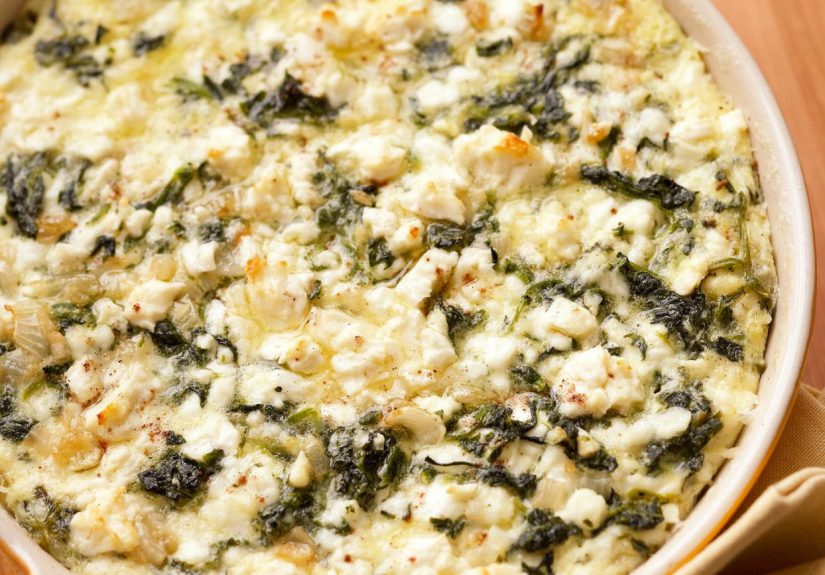
- Edges lightly golden
- Center no longer looks wet
- A gentle jiggle is fine; a slosh is not
- Internal temperature hits 160°F
Pro Tips for Best Texture
Don’t just thaw spinachde-water it
Spinach holds water like it’s preparing for a drought. After thawing, squeeze hard. Then squeeze again out of spite.
If your towel is soaked, you’re doing it right.
Want it fluffier? Whisk the eggs well
More air in the eggs can give a slightly lighter texture. Not soufflé-level, but pleasantly airy.
Want it richer? Upgrade the feta situation
Block feta (crumbled at home) often tastes fresher and creamier than pre-crumbled, which can be drier. Also: a little feta on top browns beautifully.
Want cleaner slices? Cool longer
Many casseroles slice best after they’ve rested. If you’re serving for brunch and want Instagram-level squares, let it cool 20 minutes.
(Yes, patience is a cooking skill. Annoying, but true.)
Flavor Variations (So You Never Get Bored)
The base recipe is the dependable friend. These variations are the fun friends who convince you to stay out past 10 p.m.
1) Breakfast casserole style (tomato + herbs)
Add 1 cup diced tomatoes (seeded/drained), 2 sliced scallions, and 1–2 tablespoons chopped dill or parsley.
This pushes the flavor toward a bright, brunchy Greek vibe.
2) “Spanakopita-inspired” crunch without full phyllo drama
Instead of building full phyllo layers, sprinkle 1/3 cup seasoned breadcrumbs on top and drizzle with a tablespoon of olive oil.
You get a crisp top that nods to spanakopita without requiring you to wrestle paper-thin dough.
3) True phyllo-topped casserole (party mode)
If you want the real shatter-crisp effect, you can add a few phyllo sheets on top (lightly brushed with butter), then bake until golden.
This turns it into an appetizer-style casserole that feels fancy without actually being complicated.
4) Hearty dinner upgrade (add grains or potatoes)
For a more filling main course, stir in 1 to 1½ cups cooked rice or quinoa, plus a squeeze of lemon and a little extra dill.
Another option: layer thin sliced potatoes (par-cooked) in the dish, then pour the spinach-feta mixture over the top.
5) Cheese swaps (because your fridge is in charge sometimes)
- Ricotta can replace cottage cheese for a smoother texture.
- Goat cheese can replace some feta for a creamier tang (use less salt).
- Mozzarella adds melt and mildness if your feta is extra sharp.
Make-Ahead, Storage, and Reheating
Make-ahead
You can assemble the casserole, cover it, and refrigerate overnight. Bake the next day (it may need a few extra minutes if it goes into the oven cold).
This is the move when you want “effortless brunch host” energy without waking up at dawn.
Storage
- Refrigerate leftovers within 2 hours of cooking.
- Keep in an airtight container for 3–4 days for best quality.
Reheating
- Microwave: quick and easy for single slices (cover loosely to prevent drying).
- Oven: 325°F until warmed through for best texture.
Food safety note
Because this dish contains eggs, cook it until the center reaches 160°F. When reheating leftovers, make sure it’s steaming hot.
FAQ
Why is my casserole watery?
Almost always: spinach wasn’t squeezed dry enough, or tomatoes/veggies weren’t drained. Fix it next time by squeezing spinach harder and
seeding/draining juicy add-ins. If it’s already baked, let it rest longersome moisture will reabsorb as it cools.
Can I make it gluten-free?
Yes. Swap the flour for a gluten-free 1:1 blend, or use 1 tablespoon cornstarch mixed into the wet ingredients. You just need a bit of binding help.
Can I freeze it?
You can freeze baked slices for convenience. Wrap tightly and freeze up to a couple of months for best texture. Thaw overnight in the fridge and reheat gently.
Expect a slightly softer texture because dairy-and-egg casseroles can weep a little after freezing.
What should I serve with spinach and feta casserole?
- Brunch: fruit salad, roasted potatoes, or a simple tomato-cucumber salad.
- Dinner: lemony roasted chicken, salmon, chickpeas, or a warm pita and hummus situation.
- Side dish: grilled meats, holiday spreads, or anything that needs a green on the plate.
Kitchen Notes & Real-Life Serving Experiences (Extra)
Here’s the honest, real-world part: spinach and feta casserole is one of those dishes that quietly becomes “the one people ask about,”
mostly because it feels more special than the effort it requires. In a lot of home kitchens, it shows up first as a practical solutionmaybe you
bought a big tub of cottage cheese for “healthy breakfasts,” used two spoonfuls, and then stared into the fridge like it personally betrayed you.
This casserole is how that cottage cheese finds its purpose.
A common experience is making it “as a side,” then realizing it behaves like a main dish. The protein from eggs and dairy plus the heft of spinach
means you can serve a square with salad and call it dinner without anyone feeling like they got “just vegetables.” It also travels well for potlucks:
it doesn’t collapse into mush, it tastes good warm or room temp, and it doesn’t require a complicated topping that gets sad in the car.
If you’re bringing it somewhere, the trick is letting it cool enough to set before you cut itotherwise you’ll be doing wobbly casserole Tetris on a paper plate.
Another very relatable moment: the spinach squeeze. People underestimate it, then wonder why the pan has a mysterious green moat.
The best kitchen hack vibe here is using a clean towel you don’t love. Spinach water is harmless, but it does look like you wrung out a swamp.
If you’re cooking with someone else, the “spinach squeeze ceremony” is also the easiest way to assign a job. It’s oddly satisfying and makes everyone feel useful.
Flavor-wise, most folks notice that feta can be wildly different depending on brand. Sometimes it’s tangy and creamy; sometimes it’s aggressively salty.
In practice, that means this casserole is a “taste before you salt” dish. One batch might need a pinch of salt; the next batch might need nothing but black pepper.
If you’re serving a crowd, a nice move is offering lemon wedges on the side. A little squeeze of lemon brightens the whole casserole and balances saltiness
without changing the recipe (and it makes people think you’re the kind of cook who owns matching storage containers).
Texture experiences vary in a good way. If you eat it right out of the oven, it’s soft and custardy. After it cools, it becomes firmer and sliceable,
almost like a crustless quiche square. That’s why it’s secretly perfect for meal prep: you can bake it once and have grab-and-go portions that reheat in minutes.
Many people find it actually tastes better the next day because the flavors settleonion, feta, nutmeg (if you used it), and spinach all mingle like they planned it.
And yes, this casserole is a social chameleon. It can be brunch food with coffee, lunch food with salad, or dinner food with roasted chicken.
It’s also surprisingly kid-friendly when you keep the feta moderate and add a mild melty cheese on top.
If you’re feeding picky eaters, calling it “cheesy spinach bake” works better than announcing “we’re having spinach.”
Same dish, different marketingbecause sometimes dinner needs a rebrand.