Table of Contents >> Show >> Hide
- What “Sundry” Really Means (and Why That Matters)
- The Three Counters of the Culinary Apocalypse (In a Good Way)
- The Café Effect: How Sandwiches Turn Errands into Hangouts
- So…How Does Foster Sundry “Cultivate Community”?
- Why Specialty Grocers Matter More Than Ever
- How to Shop Foster Sundry Like a Regular
- In a Neighborhood, Food Is a Language
- Experiences: What It Feels Like When a Specialty Grocery Becomes a Community Hub
There are two kinds of grocery stores: the ones where you sprint in for eggs like you’re in an action movie,
and the ones where you “just pop in for one thing” and somehow leave with cheese, bread, a jar of something fermented,
and three new opinions about beans. Foster Sundry in Bushwick, Brooklyn is proudly the second kind
a specialty grocery that doesn’t just sell food, it sells a feeling: you belong here, and dinner is going to be fantastic.
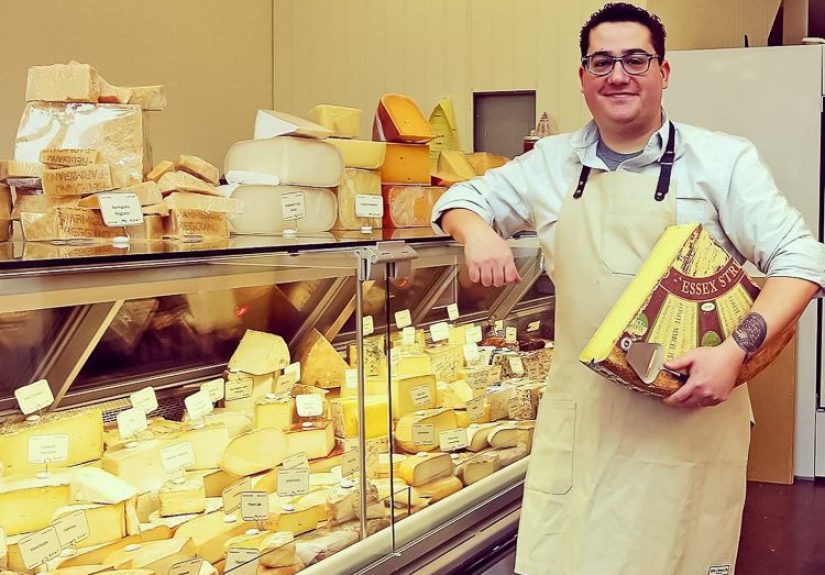
The premise sounds simple: butcher counter, cheese counter, curated pantry, and a café menu that makes you wonder why your own kitchen
can’t be this charming. But the magic is what happens in between those partshow the staff talks to you, how regulars greet each other,
and how a small shop can function like a neighborhood living room (with better snacks and fewer awkward family photos).
What “Sundry” Really Means (and Why That Matters)
“Sundry” basically translates to “assorted goods,” which is a polite way of saying, “Yes, we carry that one specific thing you suddenly
need at 7:12 p.m. to make your dinner feel like a decision and not an emergency.” Foster Sundry leans into the old-school general store idea
but updates it for modern cravings: responsibly sourced meat, cut-to-order cheese, specialty groceries, and prepared foods that sell out
because people have functioning taste buds.
In a world where big-box shopping can feel like a fluorescent endurance sport, specialty grocers win by doing something radical:
they curate. Not everything has to be available. The right things have to be availableat the right qualityserved with enough knowledge
and warmth that you don’t feel like you need a culinary résumé to ask a question.
The Three Counters of the Culinary Apocalypse (In a Good Way)
Foster Sundry’s superpower is how it combines multiple “destination” food experiences into one compact footprint.
That’s not just convenient; it’s community-building. When the cheese person, the butcher, and the sandwich maker share a roof,
your grocery run becomes a conversation.
1) Whole-animal butchery that teaches, not lectures
The butcher counter is a working example of how craft can be approachable. Whole-animal butchery isn’t a buzzword here; it’s a practice:
using more of the animal, respecting the product, and helping customers understand what they’re buying. That might look like talking you through
an unfamiliar cut, recommending a cooking method that won’t betray your confidence, or suggesting the “gateway steak” you didn’t know you needed.
The important detail is the tone: the point isn’t to show off expertise. The point is to hand you a dinner plan you can execute and feel proud of.
When specialty food gets precious, it shrinks its audience. When it gets friendly, it grows a neighborhood.
2) A cheese counter built for the curious
Foster Sundry has serious cheese credibility, but the vibe is closer to “let’s find what you’ll love” than “let’s test what you know.”
That welcoming energy matters. Plenty of people feel intimidated by cheese counterslike they’re one wrong pronunciation away from being
politely judged into the sun.
Here, the goal is education without embarrassment. You can say, “I want something funky but not too funky,” and nobody treats you
like you’ve confessed a crime. You can ask for a snacky cheese for Tuesday or a centerpiece cheese for Saturday, and the conversation adjusts.
The result is more than a sale: it’s confidence. And confident customers come back.
3) Pantry staples that feel like a treasure hunt
The shelves are a love letter to small producers and “why is this so good?” ingredientstinned fish, spices, specialty condiments,
beans worth actually cooking, and sauces that quietly upgrade your entire personality. This is the kind of place where a jar of harissa or a
bottle of soy sauce can inspire a meal, not just sit in the fridge until it expires as a memorial to your ambition.
Curation also creates shared culture. When lots of neighbors buy the same great beans or the same beloved hot sauce, you get something
bigger than pantry restockingyou get local food talk. “Have you tried the chili crisp?” becomes a greeting. That’s community infrastructure,
just edible.
The Café Effect: How Sandwiches Turn Errands into Hangouts
If the counters are the heart of Foster Sundry, the café menu is the social glue. Food brings people in; seating keeps them around.
A strong sandwich program doesn’t just feed youit creates a reason to pause, chat, people-watch, and treat a grocery run like a tiny break
in the day instead of another checkbox.
Breakfast and lunch with “wait, this is from a grocery?” energy
Foster Sundry is known for breakfast-and-lunch staples that punch way above their weight: breakfast burritos, biscuit sandwiches,
and deli-style builds that feel both classic and slightly elevated (the best kind of elevatedmore delicious, not more complicated).
It’s the sort of menu that turns “I’ll just grab coffee” into “I guess we’re doing a full sit-down moment now.”
And because the shop is also a specialty grocery, the prepared foods have a built-in advantage: the pantry is already stocked with
interesting ingredients, and the staff is fluent in making them taste like something you’ll think about later.
When specials sell out early, it’s not hype; it’s math. Small batches plus high demand equals: arrive hungry, leave happy.
So…How Does Foster Sundry “Cultivate Community”?
“Community” is one of those words brands love to slap on a tote bag. But in a neighborhood shop, community isn’t a sloganit’s a daily practice.
Foster Sundry cultivates community through four very unglamorous, very effective habits: hospitality, inclusion, education, and consistency.
Hospitality that feels personal, not performative
The most powerful thing a specialty grocery can do is make people feel comfortable asking questions. That could mean helping someone build a cheese
board without making them feel like they need to host the Met Gala. It could mean suggesting a cheaper cut that cooks beautifully instead of steering
everyone toward the priciest option. It could mean remembering a regular’s preferenceor simply greeting a first-timer like they’re not interrupting.
Great hospitality reduces friction. Reduced friction increases repeat visits. Repeat visits create regulars. Regulars create community.
Congratulations, you’ve just built a neighborhood institution using the ancient technology of “being nice.”
Inclusion as a real operating principle
Specialty food spaces can sometimes feel like private clubs with better lighting. Foster Sundry flips that script by leaning into openness:
an inclusive, welcoming environment where different backgrounds and tastes aren’t treated as “less than.”
The message is subtle but steady: this place is for the neighborhood, not just for the food-obsessed.
Inclusion also shows up in what the shop carries and celebratessupporting smaller producers, featuring a range of flavors, and framing good food
as something people can learn, share, and enjoy without needing permission.
Education that builds confident home cooks
A specialty grocer has an advantage the internet can’t replicate: real-time guidance. You can Google “how to cook lamb shoulder,” but you can’t
Google the calm reassurance of a butcher saying, “Here’s the foolproof waydo this, then do this, and you’ll be a hero.”
The cheese counter does the same thing. Learning is built into the transaction, and it’s offered in a low-stakes way. Education becomes part of the
service, which turns customers into better cooks, which turns them into more adventurous shoppers, which turns the shop into a local authority.
(That’s the wholesome version of a “sales funnel.”)
Consistency in hard times
Community trust is earned in normal weeksbut it’s proven during tough ones. Like many small food businesses, Foster Sundry adapted through the
pandemic era by leaning on safe operations, evolving how people ordered, and staying present for locals who needed reliable food access.
When a shop becomes part of a neighborhood’s routine, keeping the lights on isn’t just businessit’s stewardship.
Why Specialty Grocers Matter More Than Ever
Here’s the bigger idea: specialty groceries are increasingly functioning as modern “third places”not home, not work, but a social anchor where
people can exist together without needing a formal invitation. Coffee shops do this. Libraries do this. Corner stores have always done this.
The best specialty groceries do it with the added benefit of sending you home with dinner.
They also strengthen local food ecosystems. When a shop prioritizes small and regional producers, it becomes a distribution channel for makers who
can’t compete on price with mass production but can compete on quality and story. That means your grocery choices are quietly shaping what kinds
of farms, bakeries, cheesemakers, and artisans can survive.
How to Shop Foster Sundry Like a Regular
Want to get the most out of a place like thiswithout accidentally spending your entire paycheck on olive oil that tastes like a vacation?
Here’s a simple game plan.
The 10-minute “Weeknight Win”
Pick one protein from the butcher counter, one vegetable, one carb, and one “spark” ingredient from the pantry.
Examples: sausage + greens + bread + a punchy mustard. Chicken thighs + radicchio + rice + a jar of something spicy. You’re not shopping randomly;
you’re assembling a story. The staff can help you make that story coherent.
The “Board, Bottle, and No Stress” approach
Tell the cheese counter what you’re doing (“movie night,” “date night,” “my aunt who judges everything”).
Ask for three cheeses with different textures, one crunchy thing, one sweet thing, and one briny thing. Add a cider or beer if that’s on offer.
You’ve now built a spread that looks intentionaleven if your main skill is opening packaging confidently.
Ask for the cut you’ve never tried
The easiest way to become a “regular” somewhere is to become curious. Say, “What’s a cut you love that people ignore?”
Then ask for the simplest method to cook it. You’ll learn, you’ll eat well, and you’ll eventually become the person who says,
“Actually, Denver steak is underrated,” at parties. (You will be insufferable. It will be worth it.)
In a Neighborhood, Food Is a Language
Foster Sundry isn’t just selling groceries. It’s translating: from producer to cook, from craft to everyday life, from “specialty” to “normal.”
And that translation is what builds community. When neighbors share products, recipes, recommendations, and tiny rituals (“let’s grab a sandwich
and pick up dinner stuff”), a store becomes more than a store. It becomes part of how people live.
If you’re looking for the secret to cultivating community through food, it’s not complicated. Curate with care. Teach with kindness.
Make space for people to linger. And never underestimate the social power of a really good sandwich.
Experiences: What It Feels Like When a Specialty Grocery Becomes a Community Hub
Imagine you step off Knickerbocker Avenue and head toward a small storefront that feels busy in the pleasant waylike the neighborhood is
quietly agreeing on something. The door opens and the first thing you notice is the soundtrack: a hum of conversation, the soft clink of cups,
the paper rustle of someone wrapping cheese like it’s a gift. Not a museum hush. Not a chaotic roar. Just the sound of people being comfortably
human near food.
You don’t have to know what you’re doing here. That’s the point. You can drift toward the cheese case and start with the most honest line
in the English language: “I don’t know what I want.” In most places, that sentence gets you sold something expensive. In a good specialty grocery,
it gets you asked a better question: “What do you usually like?” Suddenly you’re talking about texturecreamy, crumbly, sharp, mildlike you’ve
been practicing for a tasting exam. You sample something and your eyebrows do that involuntary “oh wow” lift. The cheesemonger smiles, not because
they “won,” but because they got to hand you a small moment of joy.
You turn and see the butcher counter, and instead of feeling intimidated, you feel…curious. That’s rare. Someone’s asking about a cut they’ve never
cooked, and the butcher is explaining it like they’re teaching a friend, not correcting a student. There’s practical talkheat levels, timing,
saltand the kind of reassurance you can’t download: “You’ve got this.” You start to realize the community isn’t only the people in line; it’s also
the shared learning happening in real time. One person overhears a tip and files it away. Another chimes in with their favorite way to roast potatoes.
Congratulations, you’re now in a spontaneous micro-seminar on dinner.
Then comes the café momentthe pivot where this stops being an “errand” and becomes a “hang.” Maybe you grab coffee first, because you’re pretending
you’re only here for caffeine. Then you see someone with a breakfast burrito and your plans collapse, because your plans were never strong.
You find a seat, and you watch the neighborhood flow: a regular who clearly knows the staff, a couple deciding what to cook, a person reading while
waiting for their sandwich, somebody picking up a few pantry staples like they’ve done it a hundred times. Nobody looks like they’re trying to be
part of a scene. They look like they’re participating in something more valuable: routine.
When you leave, it isn’t just with a bag of good stuff. It’s with momentum. You have dinner ideas. You have a new ingredient you’re weirdly excited
about. You have that small-city feeling that can exist inside a big city: the sense that you’ve found a place that recognizes you as a person, not a
transaction. And that’s how specialty groceries cultivate communitynot with a marketing campaign, but with hundreds of small, repeatable experiences
that make people want to come back. You don’t just shop there. You return there. And over time, returning becomes belonging.