Table of Contents >> Show >> Hide
- First: What “fast” can really mean
- The 30-minute “calm it down” rescue plan
- Choose the right acne ingredient (the “fast” shortlist)
- Benzoyl peroxide (BP): great for inflamed pimples
- Salicylic acid (SA): best for clogged pores and whiteheads
- Adapalene (a topical retinoid): not an overnight fix, but a breakout preventer
- Azelaic acid: gentle option for redness and dark marks
- Hydrocolloid patches: fast “flatten and protect” for surface spots
- Match the strategy to the pimple (because acne has “types”)
- Common “fast acne” mistakes that slow everything down
- A simple, dermatologist-style routine (that still feels human)
- Quick hygiene upgrades (small changes, big payoff)
- When to see a dermatologist (aka: when you don’t need to suffer “for character development”)
- FAQ: “Will toothpaste, lemon juice, or random kitchen items clear acne fast?”
- of real-world experiences people commonly report
Acne has a special talent: it waits until the exact moment you have a date, a photo, an interview, or a family gathering where someone will absolutely say,
“Wow, you’ve gotten so tall!” while staring directly at your forehead.
The good news: you can often make a pimple look noticeably calmer fastsometimes within hoursby reducing swelling, protecting the spot, and using proven
over-the-counter ingredients correctly. The realistic news: most true acne improvement happens over days to weeks, not in one magical sink visit.
This guide focuses on “fast wins” you can do today, plus a simple routine that helps prevent tomorrow’s breakout from RSVPing to your face.
(Educational info onlyif your acne is severe, painful, scarring, or affecting your mental health, a dermatologist can move the needle faster.)
First: What “fast” can really mean
Think of acne like a tiny neighborhood traffic jam inside your pore: oil + dead skin + inflammation + bacteria can all play a role. Your quickest improvements usually come from:
- Reducing inflammation (less red, less swollen, less “I’m the main character”).
- Unclogging the pore (so the bump stops building pressure).
- Preventing irritation (because irritated skin often breaks out more).
- Stopping yourself from picking (picking is basically acne’s gym membership).
Some products can help a visible pimple flatten faster, but many acne treatments take consistency to prevent new lesions. A smart “fast plan” does both:
calm what you see today and reduce what you’ll see next week.
The 30-minute “calm it down” rescue plan
Step 1: Wash gently (60 seconds, not a full exfoliation documentary)
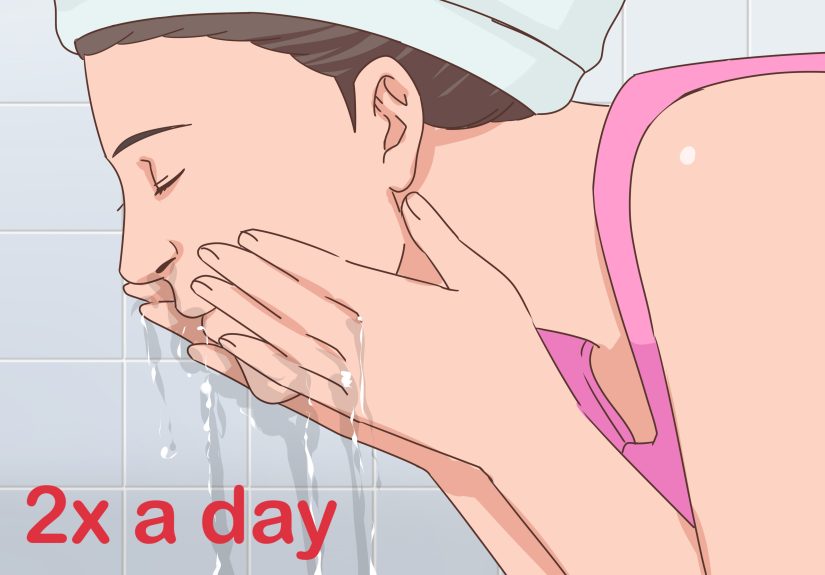
Clean your face with a gentle, non-abrasive cleanser using your fingertips. Skip scrubs, brushes, and washcloth marathonsscrubbing can irritate acne and make it angrier.
Wash up to twice a day and after sweating.
Step 2: Ice the drama (5–10 minutes)
If you’ve got a swollen, red, tender bump, cold can help reduce visible inflammation quickly. Wrap an ice cube in a clean cloth (don’t ice-burn your face) and apply
for a few minutes at a time. This is especially helpful for deep, painful pimples where topical treatments don’t reach well immediately.
Step 3: Use one spot treatmentthin layer, not frosting
Pick one acne-fighting active ingredient for that spot (details below). Apply a thin layer. More product doesn’t mean more speedoften it means more dryness,
peeling, and the thrilling look of “I fell asleep in a flour bag.”
Step 4: Cover it with a hydrocolloid patch (overnight hero move)
If the pimple is at or near the surface (whitehead, inflamed bump, or a spot you keep touching), a hydrocolloid patch can protect it and support healing.
It’s also an excellent “anti-picking device” disguised as skincare.
Step 5: Hands off, and keep it boring
The fastest way to make a pimple last longer is to squeeze, pick, or attack it with random DIY chemistry. If you do one thing today, do this:
don’t mess with it.
Choose the right acne ingredient (the “fast” shortlist)
Over-the-counter acne products aren’t all the same. The best choice depends on what kind of acne you have and how sensitive your skin is.
Here are the most evidence-backed options.
Benzoyl peroxide (BP): great for inflamed pimples
Benzoyl peroxide targets acne-causing bacteria and helps with inflammation. It’s often a top pick for red pimples and pustules.
If you’re new to BP or have sensitive skin, starting lower can reduce irritation.
- Best for: red, inflamed pimples; mild-to-moderate acne.
- Fast tip: use as a spot treatment or a wash (washes can be less irritating for some people).
- Heads up: it can bleach towels, pillowcases, and clothing. Use white linens or accept modern art.
- Safety note: rare serious allergic reactions can happenstop and seek help if you get hives, swelling, trouble breathing, or feel faint.
Salicylic acid (SA): best for clogged pores and whiteheads
Salicylic acid helps unplug clogged pores and can reduce swelling and redness. It’s especially useful for blackheads, whiteheads, and “bumpy texture” from clogged pores.
- Best for: blackheads, whiteheads, mild acne, oily skin.
- Fast tip: use a leave-on SA product for stubborn clogged areas, or a cleanser if you’re easily irritated.
- Heads up: overdoing it can cause dryness and irritationgo slow, especially if you’re also using other actives.
Adapalene (a topical retinoid): not an overnight fix, but a breakout preventer
Adapalene helps prevent pimples from forming under the surface by improving cell turnover and keeping pores from clogging. It’s one of the most effective OTC options for
mild acne, but it usually takes timethink weeksto see big results.
- Best for: recurring acne, blackheads/whiteheads, prevention.
- Fast tip: for today’s emergency pimple, BP or SA may give quicker visible calming; for the pattern behind the pimples, adapalene helps long-term.
- Heads up: dryness and irritation are common early on. Use moisturizer and sunscreen, and don’t layer it with every exfoliant you own.
- Pregnancy note: if pregnant or trying to conceive, ask your clinician before using retinoids.
Azelaic acid: gentle option for redness and dark marks
Azelaic acid has antibacterial and anti-inflammatory benefits and is often tolerated well. It can also help with discoloration that can follow acne (post-inflammatory
hyperpigmentation), which is a common frustration even after the bump is gone.
Hydrocolloid patches: fast “flatten and protect” for surface spots
Hydrocolloid patches create a protective environment and can absorb fluid from certain pimples. They’re most helpful for surface-level, pus-filled or irritated spots
and for stopping you from picking.
- Best for: whiteheads and superficial inflamed pimples.
- Not great for: deep cystic acne (they may help protect the area, but won’t “fix” the root of a deep lesion).
Match the strategy to the pimple (because acne has “types”)
Whitehead (visible “cap”)
- Cleanse gently.
- Apply a thin layer of salicylic acid or benzoyl peroxide.
- Cover with a hydrocolloid patch overnight to protect and support healing.
- Do not popthis is how “small pimple” becomes “two-week red mark.”
Blackheads (open comedones)
- Use salicylic acid regularly (cleanser or leave-on).
- Add adapalene at night for prevention (start slowly if sensitive).
- Skip pimple patchesmost don’t do much for blackheads.
Deep, painful pimple (cyst-like bump)
- Ice with a clean cloth-wrapped cube to reduce swelling.
- Use a thin layer of an acne active (BP, SA, azelaic acid, or adapalene), but don’t over-apply.
- Consider a hydrocolloid patch mainly to protect from touching.
- If you frequently get these or they scar, a dermatologist can help (and sometimes treat a stubborn cyst quickly).
Hormonal-pattern acne (often jawline/chin, recurring)
- Use a consistent routine (adapalene for prevention; BP/SA for flares).
- Keep products noncomedogenic and avoid heavy, pore-clogging layers.
- If it’s persistent or worsening, talk to a clinicianthere are targeted options.
Body acne (back, chest, shoulders)
- Shower after sweating.
- Try a benzoyl peroxide or salicylic acid body wash (and rinse well).
- Wear breathable fabrics; avoid friction where possible (tight straps can irritate follicles).
- Use clean towels and don’t re-wear sweaty gym clothes like they’re a personality trait.
Common “fast acne” mistakes that slow everything down
- Over-washing: washing repeatedly can irritate skin and worsen breakouts. Stick to twice daily and after sweating.
- Scrubbing: acne isn’t dirt you can sandblast away; irritation often makes it worse.
- Picking/popping: increases inflammation, spreads bacteria, and raises the risk of scarring and dark marks.
- Stacking too many actives at once: more irritation usually equals more breakouts (and a compromised skin barrier).
- Using harsh toners/rubbing alcohol: very drying products can backfire.
A simple, dermatologist-style routine (that still feels human)
If you want fewer emergencies, you need a routine you’ll actually do. Here’s a clean, realistic version:
Morning
- Gentle cleanse (or rinse if you’re very dry/sensitive).
- Acne treatment (BP or SA depending on your acne type).
- Moisturizer (yes, even if you’re oilychoose noncomedogenic).
- Sunscreen (helps prevent dark marks and supports healing).
Night
- Remove makeup and cleanse gently.
- Adapalene (if using)pea-sized amount for the whole face, not a blob per pimple.
- Moisturizer (apply after if you’re dry, or use the “sandwich” method: moisturizer, adapalene, moisturizer).
- Spot patch for any surface pimples you keep touching.
Give any routine time. If you’re not seeing improvement after a couple of months of consistent OTC care, it’s a good moment to talk with a healthcare provider.
Quick hygiene upgrades (small changes, big payoff)
- Change pillowcases regularly (your face spends hours theremake it less gross).
- Clean your phone screen (it touches your face more than you think).
- Wash makeup brushes/sponges (bacteria loves a dirty blender).
- Use noncomedogenic products (skincare, sunscreen, makeup).
- Keep hair products off your face if they trigger breakouts.
When to see a dermatologist (aka: when you don’t need to suffer “for character development”)
- You have deep, painful cysts, frequent nodules, or acne that’s spreading.
- You’re getting scars or persistent dark marks.
- OTC products haven’t helped after 2–3 months of consistent use.
- Acne is affecting your confidence, mood, or daily life.
- You’re pregnant or breastfeeding and unsure what’s safe.
Also: if you develop signs of a serious allergic reaction to an OTC acne product (hives, swelling of face/lips, trouble breathing, throat tightness, faintness),
stop using it and seek medical help right away.
FAQ: “Will toothpaste, lemon juice, or random kitchen items clear acne fast?”
Usually, noand many DIY “hacks” can irritate or even burn skin, leading to more redness, peeling, and longer-lasting marks. If you want fast, stick to
proven acne actives (BP, SA, adapalene, azelaic acid) and protective patches. Your skin is not a science fair project.
of real-world experiences people commonly report
If you’ve ever tried to “fix” a pimple fast, you already know the emotional arc: denial (“It’s just a bump”), bargaining (“If I ignore it, it will go away”),
panic (“It is absolutely growing”), and finally acceptance (“Hello, hydrocolloid patch, my old friend”).
A lot of people find their biggest breakthrough isn’t a secret ingredientit’s learning which emergency moves work for their acne type. For example,
someone with mostly blackheads and clogged pores often reports that salicylic acid plus a steady retinoid routine helps the most over time, while a spot patch
is more of a “don’t-touch-this” tool than a cure. The win isn’t always waking up with a vanished blackhead (rare); it’s noticing fewer new clogs show up each week.
People dealing with red, inflamed pimples often describe benzoyl peroxide as their “situation manager.” The common experience: they apply a thin layer at night,
moisturize to avoid irritation, and wake up with a spot that looks flatter and less bright. The trick they learn the hard way is dosageusing too much doesn’t speed
things up, it just creates dryness that makes the area look worse under makeup. Another common “aha” moment is realizing benzoyl peroxide bleaches fabricmany have a
story about a favorite towel that now has a mysterious tie-dye pattern.
For deep, painful pimples, the shared experience is that topical products can feel like they’re doing nothing at first. That’s because deep inflammation sits under the
surface. People often report that icing helps most with the immediate “this hurts and it’s huge” feeling, even if it doesn’t erase the bump. Adding a patch can help
mainly because it prevents unconscious touching, whichaccording to basically everyone who has ever had acnecan turn a tender bump into a long-lasting red mark.
One of the most repeated themes is that “fast acne fixes” get faster when the daily routine gets simpler. People who cut out aggressive scrubs, repeated cleansing,
and constant product-switching often say their skin becomes calmer within a couple of weeks. It’s not as exciting as a 12-step routine with 47 serums, but calmer skin
tends to break out less, and when it does break out, the spots heal more predictably.
Finally, lots of people describe a turning point when they stop treating acne as a moral failing (“I’m dirty” or “I did something wrong”) and start treating it like a
manageable skin condition. That mindset shift matters: it helps them stay consistent, avoid picking, and reach out for professional help when neededespecially when acne is
painful, scarring, or affecting confidence. In other words: the fastest progress often happens when you stop fighting your face and start working with it.