Table of Contents >> Show >> Hide
- Can You Really Go From Black Hair to Light Brown Without Bleach?
- What “Without Bleach” Usually Looks Like
- Simple Ways to Dye Black Hair to Light Brown Without Bleach
- How to Dye Black Hair Light Brown Without Bleach at Home
- How to Keep Light Brown Hair From Turning Brassy
- Common Mistakes to Avoid
- When You Should See a Professional
- Real Experiences: What People Usually Notice When They Try It
- Conclusion
If you have black hair and dreams of light brown dimension without a bleach session that feels like a chemistry final, good news: it can be possible. The less-good news is that it depends heavily on your starting point. If your hair is naturally black and has never been colored, you may be able to lift it a bit with the right permanent dye or high-lift color. If your hair is already dyed black, though, another box of brown color usually will not magically transform it into latte perfection. Hair color is many things, but a time machine is not one of them.
That does not mean you are out of options. It just means you need realistic expectations, a smarter shade choice, and a plan that works with your hair instead of picking a fight with it. In this guide, we will cover simple ways to dye black hair to light brown without bleach, who can actually pull it off, what kind of results are realistic, how to avoid brassy surprises, and what the experience usually feels like in real life. Spoiler: the shade on the box may be flirting with you. Your actual hair may have other ideas.
Can You Really Go From Black Hair to Light Brown Without Bleach?
The honest answer is: sometimes. If your hair is virgin black hairmeaning it has never been dyed beforeyou have the best chance of lifting it to a warmer brown with a permanent color formula designed to both lift and deposit pigment. If your hair is previously dyed black, the process gets much trickier, because color does not reliably lift existing artificial color. In that case, a new dye can change tone, add warmth, or boost shine, but it usually will not create a true light brown result all by itself.
That is why the first step is not shopping. It is diagnosing your starting point. Ask yourself:
- Is my hair naturally black, or has it been dyed black before?
- Do I want a soft warm light brown, or a cool ash light brown?
- Am I okay with subtle lift, or do I want a dramatic transformation?
- Is my hair healthy enough for permanent color?
If your answers are “naturally black,” “warm brown,” “subtle to moderate lift,” and “reasonably healthy,” then you have a realistic shot at going lighter without bleach. If your answers are “box-dyed black,” “ashy mushroom brown,” and “dramatic change,” your hair may respond with a loud and passionate “absolutely not.”
What “Without Bleach” Usually Looks Like
One of the biggest mistakes people make is assuming “without bleach” means “without any lift.” In reality, some permanent dyes and high-lift formulas can lighten untreated hair a few levels because they use developer and a stronger chemical process than semi-permanent color. But that lift is limited, and the outcome is usually warmer than the picture in your head.
In plain English, this means:
- You are more likely to land on caramel brown, chestnut brown, golden brown, or honey brown than icy beige brown.
- You may see red, orange, or copper undertones during the process.
- Your roots may lift faster than your mids and ends because scalp heat speeds things up.
- Your result may look more obviously light brown in sunlight than indoors.
That is not failure. That is dark-hair reality. And honestly, warm brunette shades can look rich, glossy, and expensive when you choose them on purpose instead of accidentally fighting them.
Simple Ways to Dye Black Hair to Light Brown Without Bleach
1. Use a Permanent Dye Made to Lift and Deposit
If your hair is natural black, a permanent hair dye is usually your best first move. Unlike a gloss or demi-permanent formula, permanent color can both open the cuticle and shift your natural pigment while depositing a new tone. That makes it the most practical choice for someone trying to move from black hair to light brown without bleach.
Look for shades described as:
- Light golden brown
- Light caramel brown
- Chestnut brown
- Honey brown
- Warm mocha brown
Those shades tend to cooperate better with dark underlying pigment. Cool ash shades on very dark hair often require more lift and stronger neutralization, which is where home color dreams go to become orange regrets.
2. Choose Warm Browns Instead of Ash Browns
If your goal is to avoid bleach, you need to stop expecting your black hair to become a cool-toned Scandinavian mushroom in one sitting. Warm shades are easier because they work with the red-orange undertones that appear when dark hair lifts.
Think of it this way: if your hair naturally wants to reveal warmth, choosing a warm light brown makes the result look intentional, polished, and pretty. Choosing an icy ash tone too soon can leave you chasing corrections, toners, and the emotional support of a baseball cap.
Best low-drama targets include:
- Golden light brown
- Cinnamon brown
- Caramel brown
- Light chestnut brown
- Bronzed brunette
3. Try High-Lift Color on Virgin Hair
High-lift color is made for people who want more lift than standard permanent dye can usually provide, but without using traditional bleach first. This option is best for virgin hair only. If your hair has been previously colored, high-lift formulas usually will not give you the clean light brown result you want.
High-lift color can be useful if:
- Your hair is naturally black or very dark brown
- You want to go a few levels lighter
- You understand the result may still come out warm
- You are willing to tone and maintain the color afterward
This is a good option for someone who wants a brighter brown but still wants to avoid a full bleach process. It is not the same thing as miracle paint. Your hair still has limits.
4. Go for a Brown “Effect,” Not an All-Over Drastic Lift
Sometimes the smartest way to make black hair look light brown is not to force every strand to become light brown. Instead, aim for a dimensional brunette effect. That means soft brown ribbons, subtle face-framing pieces, brown balayage-style placement, or a color melt that creates movement and brightness.
This approach is especially helpful if you want:
- A more natural grow-out
- Less maintenance
- Lower damage risk
- A lighter overall appearance without an all-over dramatic lift
In a salon, this usually gives the prettiest result on dark hair because the lighter brown pieces create contrast and dimension. At home, you can mimic the idea by focusing on a subtle brown shift instead of demanding a total overnight personality change from your hair.
5. Use a Gloss or Demi-Permanent Color to Refine the Tone
A gloss or demi-permanent dye will not truly lift black hair into light brown, but it can make a lifted brown result look richer, shinier, and more intentional. This step is especially useful if your permanent color brought you into the warm brown zone but left you slightly too copper, too red, or too flat.
Use a gloss to:
- Add shine
- Refresh faded brown tones
- Soften brassiness
- Create a more expensive-looking finish
Think of permanent color as the move and gloss as the polish. One gets you there. The other makes it look like you meant to do that all along.
6. Lighten Gradually Over More Than One Session
If you want the healthiest possible route, gradual lightening is your friend. Instead of trying to force black hair into a much lighter shade all at once, move a little lighter, assess the condition, and then decide whether you want another round later.
This is especially wise if your hair is:
- Dry
- Curly or coily and prone to dryness
- Chemically treated in any other way
- Fine and easily stressed
Hair usually looks better after a gradual journey than after one heroic, chaotic, deeply regrettable evening in the bathroom.
How to Dye Black Hair Light Brown Without Bleach at Home
Step 1: Do a Patch Test and Strand Test
Do not skip this. A patch test helps you check for an allergic reaction. A strand test helps you check for a cosmetic reactionalso known as “why is this strand pumpkin orange?” Both tests can save you from a full-head problem.
Step 2: Start With Clean, Dry Hair
Skip heavy oils, thick leave-ins, and styling buildup before coloring. You want the dye to reach the hair evenly, not wrestle through three days of dry shampoo and a heroic amount of edge control.
Step 3: Section Thoroughly
Divide your hair into manageable sections so you can apply color evenly. Dark hair needs full saturation. If you skimp, patchiness may arrive uninvited.
Step 4: Follow Timing Exactly
Do not freestyle the timing. Leaving color on longer does not guarantee prettier results. It can simply mean drier hair and disappointment wearing a processing cap.
Step 5: Rinse, Condition, and Be Gentle
After rinsing, use the conditioner that comes with the kit or a rich color-safe conditioner. Skip harsh clarifying shampoos right away, and go easy on hot tools for the next several days.
How to Keep Light Brown Hair From Turning Brassy
Brassiness is common when lifting dark hair. It is not a sign that your hair hates you. It is simply what dark underlying pigment does when it gets exposed.
To keep your new brown from veering too orange:
- Use a blue shampoo if your brown pulls orange
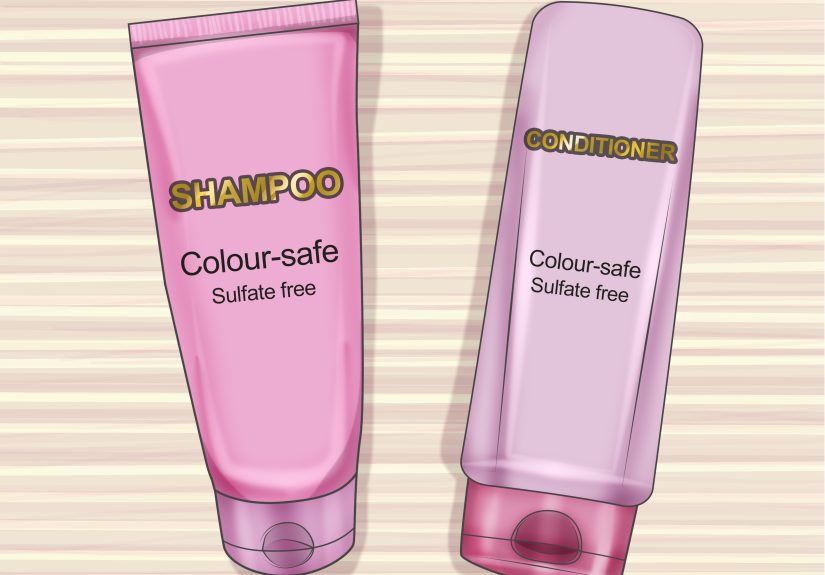
- Use color-safe shampoo and conditioner
- Wash with lukewarm or cool water
- Limit heat styling when possible
- Deep-condition weekly
- Protect hair from strong sun exposure
The better your aftercare, the more your color stays glossy instead of going from “warm brunette” to “traffic cone in low lighting.”
Common Mistakes to Avoid
- Using brown dye over dyed black hair and expecting major lift: usually unrealistic.
- Picking a shade that is too cool: warm browns are more forgiving on black hair.
- Skipping the strand test: this is how surprises happen.
- Overlapping color on already processed lengths: hello, dryness.
- Ignoring hair health: pretty color looks better on healthy hair.
- Trying kitchen-sink DIY hacks: lemon juice and random pantry chemistry are not reliable ways to lighten black hair beautifully.
When You Should See a Professional
At-home color is fine for some people, but certain situations really do call for a pro. Book a stylist if your hair is box-dyed black, heavily damaged, very uneven, henna-treated, or if you want a cool-toned light brown result. A professional can assess your undertones, protect the integrity of your hair, and create a more believable version of the color in your head.
In other words, if you are asking for “soft ash mushroom cashmere latte brown” from years of box black, a salon visit is not surrender. It is wisdom.
Real Experiences: What People Usually Notice When They Try It
One of the most common experiences people report when trying to dye black hair to light brown without bleach is that the change looks a lot subtler at first than expected. Indoors, the hair may still read as dark brown or soft black, but once sunlight hits it, the warmer brown tones finally show up. This can be a little confusing if you were expecting an instant “wow, I look completely different” moment in the bathroom mirror. Often, the transformation is more of a slow reveal. Day one can feel underwhelming. Day three, in natural daylight, suddenly you notice the caramel sheen and think, “Okay, there you are.”
Another very common experience is warmth. Even when someone chooses a shade labeled light brown, the actual result on black hair often leans chestnut, copper-brown, or golden brown. That is not necessarily a mistake. Dark hair has strong underlying warm pigment, and when it lifts, that warmth comes out to say hello. People who expect a cool beige brunette right away are often the most disappointed. People who expect a rich, warm brown tend to be much happier with the outcome.
Roots lifting faster than the rest of the hair is another classic story. Because heat from the scalp speeds up processing, the roots can end up lighter than the mids and ends if application is not handled carefully. This is especially noticeable on first-time at-home color jobs. Many people also notice that the ends stay darker if they have old color buildup, even if they thought their hair was “basically natural.” Hair has a good memory for past decisions.
Texture changes come up a lot too. Even without bleach, permanent dye can leave hair feeling drier for the first week or two, especially if the hair was already thirsty. Curly and coily hair types often need extra conditioning after coloring because any lifting process can make the hair feel rougher or more porous. The good news is that many people say the dryness settles down once they switch to gentler washing, add a mask once a week, and stop heat styling like they are trying to win a prize.
Brassiness is another almost universal experience. It tends to show up after a few washes, especially if you use hot water, spend a lot of time in the sun, or wash with a shampoo that is a little too enthusiastic. That is why blue shampoo and glosses have such loyal fans. A lot of people do not need to recolor their whole headthey just need to refine the tone.
There is also a practical upside many people love: grow-out is usually softer and less dramatic than with heavy bleaching. Because the shift is gentler, the roots are often easier to live with. That makes this route attractive for people who want lower-maintenance brunette color that still feels brighter, softer, and more dimensional.
Emotionally, the experience tends to fall into two camps. The first group says, “I wanted more lift, but my hair feels healthy, so I am happy.” The second says, “I should have aimed warmer and more subtle from the start.” Very few people regret taking a gradual approach. Quite a few regret trying to force dark hair to skip every rule in the book. That is probably the best lesson of all: with black hair, patience usually looks prettier than panic.
Conclusion
If you want to dye black hair to light brown without bleach, the smartest path is not the most dramatic one. It is the most realistic one. Virgin black hair can often shift into warm light brown territory with permanent color or high-lift dye. Previously dyed black hair usually needs a different strategy, because another dye alone will not do the heavy lifting. Warm tones, gradual changes, strand tests, and good aftercare make the biggest difference.
The good news? You do not need to bleach your hair into oblivion just to get a softer brunette look. A glossy caramel brown, chestnut brown, or honey light brown can add brightness, dimension, and movement while being far kinder to your strands. And honestly, healthy hair with believable light brown tones usually beats fried hair with a complicated backstory.