Table of Contents >> Show >> Hide
- The Short Answer: Yes, But Only for Flavor
- What Marinating Actually Does for Hot Dogs
- What Marinating Does Not Do
- When Marinating Hot Dogs Is Worth It
- When You Can Skip It
- How to Marinate Hot Dogs the Smart Way
- The Best Ways to Cook Marinated Hot Dogs
- Food Safety Notes You Should Not Skip
- So, Should You Be Marinating Your Hot Dogs?
- Cookout Experiences: What Happens When You Actually Try It
- SEO Tags
Hot dogs are the overachievers of cookout season. They are cheap, fast, crowd-pleasing, and somehow still capable of starting arguments that sound way too serious for a food usually eaten one-handed next to a folding chair. One of the newer debates is whether you should be marinating your hot dogs before grilling them. At first glance, that sounds a little ridiculous. Marinate a steak? Sure. Marinate chicken? Absolutely. Marinate a hot dog? That feels like giving a bowling trophy to a goldfish.
And yet, the idea is not as silly as it sounds. If your goal is maximum flavor, better browning, and a more interesting bite, marinating hot dogs can actually work. If your goal is food safety, tenderness, or some magical transformation into gourmet sausage royalty, that is where things get a little less exciting. Hot dogs are already cooked, already seasoned, and already designed to be easy. So the real question is not can you marinate hot dogs. It is why you would, and whether the payoff is worth the extra bowl in the sink.
The Short Answer: Yes, But Only for Flavor
Yes, you can marinate hot dogs, and in the right situation, it is a smart move. But marinating hot dogs is not the same as marinating raw meat. A hot dog does not need tenderizing. It does not need help becoming safe to eat. It is already fully cooked when you buy it. That means a marinade is mostly doing two jobs: adding surface flavor and helping the outside caramelize when it hits heat.
That distinction matters. With chicken, pork, or steak, a marinade can affect flavor, texture, and moisture perception in a deeper way. With hot dogs, the effect is much more surface-level because the casing and dense texture limit how far the marinade travels. In other words, the marinade is putting on a jacket, not remodeling the house.
So should you marinate your hot dogs? If you want a bolder, slightly stickier, more deeply browned grilled dog, yes. If you expect a dramatic before-and-after moment that makes your hot dog taste like a steakhouse special, probably not. This is still a hot dog, not a meat-based self-improvement seminar.
What Marinating Actually Does for Hot Dogs
1. It boosts surface flavor
Hot dogs already come seasoned, but that does not mean they cannot benefit from more flavor. A simple marinade built with ingredients like mustard, soy sauce, Worcestershire, garlic, a little oil, and something slightly sweet can give the outside of the hot dog a more complex savory taste. This is especially useful for basic supermarket dogs that are fine, but not exactly unforgettable.
2. It helps create better browning
Marinades that contain sugar, honey, ketchup, maple syrup, or sweetened mustard can encourage better browning on the grill or in a skillet. That means more charred edges, more caramelized flavor, and more of that “wait, why is this gas station icon suddenly delicious?” effect.
3. It makes the toppings work less hard
A marinated hot dog can carry more flavor on its own, so you do not have to rely on a mountain of toppings to make it interesting. That can be helpful if you like a simpler dog with mustard and onions, or if you are cooking for a crowd and do not want to set out twelve bowls of condiments like you are opening a tiny salad bar.
4. It works best when the hot dog is scored
If you leave the hot dogs completely smooth, the marinade mostly coats the exterior. If you lightly score them with shallow slashes or spiral-cut them, you create more surface area and more little pockets for the marinade to cling to. That means better flavor and better browning. It also gives toppings a place to settle instead of sliding off onto your shirt, which is the true hidden tax of hot dog season.
What Marinating Does Not Do
It does not make hot dogs safer
Marinade is not a safety step. Hot dogs are generally sold fully cooked, so marinating is not what makes them ready to eat. Food safety comes from proper storage, refrigeration, and reheating when appropriate. If you are serving people at higher risk of foodborne illness, such as pregnant people, older adults, or anyone with a weakened immune system, hot dogs should be reheated until steaming hot or to 165°F.
It does not tenderize them the way it can tenderize raw meat
Hot dogs are emulsified, processed sausages with a soft, uniform interior. They are not a tough cut waiting for acid to perform miracles. A marinade can change the outer flavor, but it is not going to turn the inside into something radically different.
It does not automatically make them “fancy”
There is a limit to culinary reinvention. You can give a hot dog a flavorful upgrade, but at the end of the day, you are still eating a hot dog in a bun. Which, to be clear, is not a criticism. Some of life’s greatest pleasures arrive in humble packaging.
When Marinating Hot Dogs Is Worth It
Marinating hot dogs makes the most sense in a few specific situations.
You are grilling inexpensive hot dogs
If you bought a large family pack for a cookout and the flavor is decent but generic, marinating can add personality. A 20- to 60-minute soak in a bold mixture can make a budget hot dog taste more intentional.
You want grill-friendly flavor without complicated toppings
A marinade lets you build flavor before the dogs ever hit the bun. That is especially handy when you are cooking outside and trying to keep the whole meal simple.
You like crispy edges and char
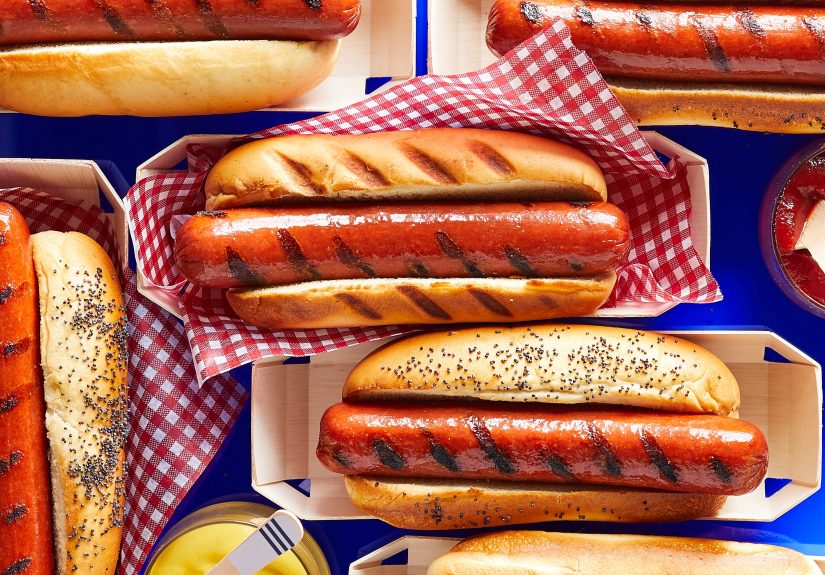
Scored or spiral-cut hot dogs with a lightly sweet marinade can get beautifully caramelized. This is where marinating earns its keep.
You are making a themed hot dog
If you are leaning into a flavor profile, marinating can help tie the whole thing together. Think soy, garlic, and ginger for an Asian-inspired dog; mustard and vinegar for a tangy backyard style; or smoky chipotle and lime for a spicier version.
When You Can Skip It
You bought high-quality natural-casing dogs
If you spent extra money on a premium all-beef dog with great seasoning and a snappy casing, you may not need a marinade at all. A good hot dog often tastes best with careful cooking and the right toppings, not extra fuss.
You are short on time
Hot dogs are one of the last truly low-drama foods. If you are busy, just cook them well. A properly grilled hot dog with a toasted bun can beat a marinated one that was cooked carelessly.
You are already adding heavy toppings
If the dog is getting chili, cheese sauce, bacon, fried onions, jalapeños, and a pickle spear the size of a canoe, the subtle benefits of a marinade will probably disappear under all that action.
How to Marinate Hot Dogs the Smart Way
Keep it short
Hot dogs do not need an overnight spa retreat. Usually, 20 to 60 minutes is plenty. Because they are already seasoned and relatively salty, a long soak can push them into overly salty territory. You want enhancement, not a sodium jump scare.
Score first, then marinate
Use shallow diagonal cuts or a spiral cut. Do not slice all the way through. You are opening up the surface, not performing sausage surgery.
Choose a balanced marinade
A good hot dog marinade usually includes a savory element, a little fat, a little acid, and a touch of sweetness. Here is a simple formula:
Hot Dog Marinade Formula:
2 tablespoons mustard
1 tablespoon soy sauce or Worcestershire sauce
1 tablespoon neutral oil
1 to 2 teaspoons honey, brown sugar, or ketchup
1 small grated garlic clove or a pinch of garlic powder
Black pepper to taste
This kind of marinade adds flavor without overwhelming the hot dog’s own seasoning. You can adjust it depending on the toppings you plan to use.
Always marinate in the refrigerator
Do not leave hot dogs sitting out on the counter in marinade while you “get the grill going” and then get distracted discussing lawn furniture or the neighbor’s suspiciously aggressive Bluetooth speaker. Keep them cold until cooking time.
The Best Ways to Cook Marinated Hot Dogs
Grill
The grill is the best match for marinated hot dogs because it caramelizes the outside and adds smoke. Use medium or indirect heat first if needed to warm them through gently, then finish over hotter heat for color. That helps prevent splitting and keeps the dogs juicy.
Skillet
A skillet is great when you want control. Marinated hot dogs can brown quickly, so a pan lets you turn them often and prevent scorching. This is a strong option for smaller batches.
Broiler
If you want char but do not have a grill, the broiler works surprisingly well. Just watch them closely. Hot dogs can go from pleasantly blistered to tiny smoke grenades in a hurry.
Food Safety Notes You Should Not Skip
Even though hot dogs are fully cooked, they are still perishable. Keep unopened and opened packages refrigerated, and do not let them linger in the temperature danger zone. If you are feeding people who are at higher risk of severe illness from Listeria, reheat hot dogs until steaming hot or to 165°F. And if you marinate them, do it in the refrigerator, not on the counter.
One more practical note: if your marinade is heavy in sugar, watch the heat. Sugary marinades brown fast and can burn before the hot dog is heated the way you want. A little char is delicious. A burnt-hot-dog shell that tastes like regret is less charming.
So, Should You Be Marinating Your Hot Dogs?
Yes, if you want more flavor, better browning, and a hot dog that tastes a little more intentional than “I found these next to the buns.” No, if you think marinating is essential, transformative, or somehow the missing link between ordinary franks and culinary enlightenment.
The best way to think about it is this: marinating hot dogs is a fun upgrade, not a requirement. It is a clever trick for the right cookout, especially when you score the dogs, use a balanced marinade, and finish them with smart heat. But a good hot dog still lives or dies by the basics: decent quality, proper cooking, and a bun that does not disintegrate after the second bite.
In the great hierarchy of summer cooking decisions, marinating your hot dogs is not mandatory. But it is also not nonsense. It is simply one more tool for making an already lovable food a little more flavorful, a little crispier, and a little less predictable. And for something as humble as a hot dog, that is actually a pretty solid win.
Cookout Experiences: What Happens When You Actually Try It
The most interesting thing about marinating hot dogs is that the results usually show up in small, real-life ways rather than dramatic TV-chef fireworks. The first time someone tries it, the reaction is often skepticism. You score a few hot dogs, toss them in a quick mustard-soy-garlic mixture, and immediately feel like you may have overcomplicated the easiest food in America. But once they hit the grill, the difference starts to make sense. The scored edges darken first. The smell gets a little deeper and sweeter. Instead of just smelling like “cookout,” it smells like somebody actually had a plan.
At a backyard gathering, the marinated dogs usually disappear faster than the plain ones, even when nobody knows which is which. People do not always say, “Ah yes, I detect the balanced umami profile.” They say things like, “Why is this one better?” That is the magic of a small upgrade. The dog still tastes like a hot dog, but it has more personality. It is a little smokier, a little more savory, and usually a little more caramelized around the edges.
There is also a texture difference when you score or spiral-cut before marinating. The little ridges crisp up, and those browned edges catch condiments better. That means fewer toppings slipping out the back of the bun and fewer sad onions landing in your lap. It is not a life-changing experience, but it is an undeniably nicer one.
That said, marinating hot dogs is not foolproof. Go too heavy on a salty marinade, and the outside can taste overly seasoned while the inside stays exactly the same. Use too much sugar over aggressive heat, and the dogs can scorch before they are evenly heated. Leave them in the marinade too long, and the flavor can become muddy instead of brighter. The lesson most people learn quickly is that hot dogs reward restraint. They want a nudge, not a complete identity change.
One of the best experiences with marinated hot dogs happens when the toppings stay simple. A marinated dog with yellow mustard, diced onions, and maybe a little relish often tastes more balanced than one buried under chili, shredded cheese, bacon, and three sauces fighting for custody. The extra flavor is already built in, so the whole thing feels less chaotic and easier to eat standing up, which is still the natural habitat of the hot dog.
In practical terms, marinating hot dogs also feels surprisingly useful for weeknight cooking. You can throw a few in a bag with marinade while the grill or skillet heats, toast the buns, and have dinner ready fast. It adds maybe a few extra minutes of effort, but it makes the meal feel less random. That may be the strongest argument for the technique. It is not about turning hot dogs into haute cuisine. It is about making a familiar meal feel just a little more thought-out, a little more flavorful, and a little more fun.