Table of Contents >> Show >> Hide
- What Sciatica Feels Like in Pregnancy (And What It Isn’t)
- Why Pregnancy Can Trigger Sciatic Nerve Pain
- Red Flags: When to Call Your Provider ASAP
- Quick Relief: What to Do When Sciatica Flares
- Pregnancy-Safe Stretches for Sciatica
- Massage for Sciatica in Pregnancy: What Helps (And What to Skip)
- Daily Habits That Reduce Sciatica Pain
- Movement That Heals: Walking, Swimming, Yoga, and PT
- Medication and Pain Relief: What’s Typically Considered Safer
- What to Avoid (Because Pregnancy Is Already a Lot)
- Mini Routine: A Simple Day Plan for Sciatica Relief
- FAQ: Sciatica and Pregnancy
- Conclusion
- Experiences: What Sciatica in Pregnancy Commonly Feels Like in Real Life (And What People Say Helps)
Pregnancy does a lot of amazing things. It grows a whole human, boosts your blood volume, and somehow makes you cry at commercials about golden retrievers.
Unfortunately, it can also make your lower back and hips feel like they’re hosting a tiny, very determined construction crew. If you’re dealing with
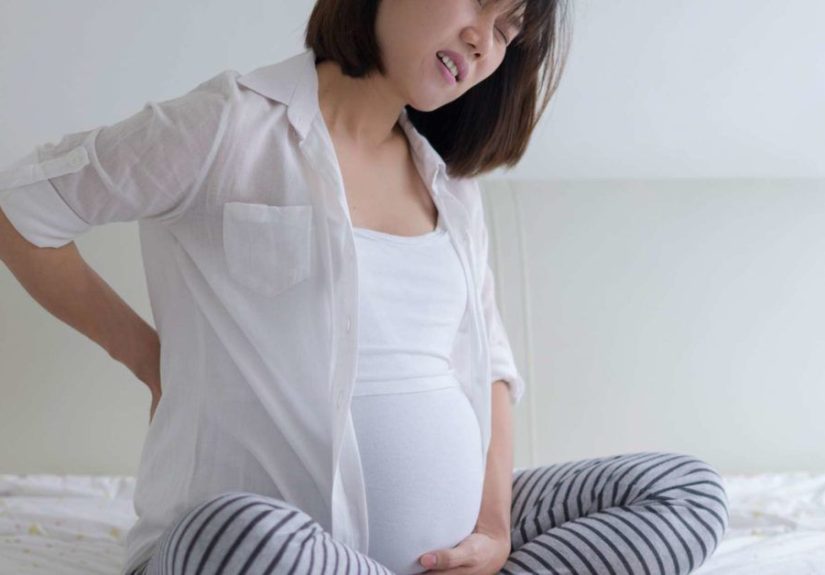
sharp, shooting pain that zips from your buttock down your leg, you may be experiencing pregnancy sciatica (or something that looks a lot like it).
The good news: most sciatic nerve pain during pregnancy is treatable with conservative, pregnancy-safe strategiesthink gentle stretches, smart movement,
supportive positioning, and (yes) massage. The better news: you don’t have to “just suffer” because you’re pregnant. Let’s talk about what helps, what to avoid,
and when to call your healthcare provider.
What Sciatica Feels Like in Pregnancy (And What It Isn’t)
Common symptoms of sciatica
Sciatica isn’t a diagnosis so much as a pattern: irritation or compression of the sciatic nerve (the big cable running from your lower back through your hips and down the legs).
During pregnancy, it often shows up as:
- Sharp, shooting, or burning pain in the buttock, hip, or back of the thigh
- Tingling, numbness, or “pins-and-needles” down one leg (sometimes both)
- Pain that worsens with prolonged sitting, standing, or certain movements
- Tightness in the glutes, hamstrings, or piriformis muscle (deep in the hip)
Sciatica vs. general pregnancy back pain vs. pelvic girdle pain
Not all pregnancy leg pain is true sciatica. Many pregnant people have low back pain from posture shifts, muscle fatigue, or ligament changes.
Others have pelvic girdle pain (pain around the SI joints, pubic bone, or hips) that can radiate and mimic sciatica. The “treatment family” overlaps:
posture help, activity tweaks, and physical therapy often work well for all of the above.
Why Pregnancy Can Trigger Sciatic Nerve Pain
Your body is adapting fast, and your musculoskeletal system is doing a lot of behind-the-scenes math. Pregnancy can contribute to sciatic symptoms through:
- Shifting center of gravity that increases the load on the low back and hips
- Weight and fluid changes that add pressure to joints and soft tissues
- Hormonal effects that increase joint mobility and change pelvic mechanics
- Muscle tightness (especially glutes/piriformis) that can irritate the nerve
- Baby’s position and pelvic alignment, which can change nerve “space”
Translation: you’re not “weak,” and you didn’t “sleep wrong” as a moral failing. Your body is doing a high-stakes renovation with limited parking.
Red Flags: When to Call Your Provider ASAP
Most pregnancy sciatica is uncomfortable but not dangerous. Still, some symptoms should be checked right away. Contact your OB-GYN, midwife, or urgent care if you have:
- Severe or rapidly worsening pain that doesn’t let you walk or function
- New or increasing leg weakness, foot drop, or trouble lifting your foot
- Loss of bladder or bowel control or numbness in the groin/saddle area
- Fever, painful urination, vaginal bleeding, or contractions alongside back pain
Quick Relief: What to Do When Sciatica Flares
If your sciatic nerve pain suddenly spikes, try this “calm it down” sequence:
- Change positions (don’t stay locked in the posture that triggered it).
- Side-lying rest with a pillow between knees (and one under the belly if you like).
- Cold then heat: cold pack 10–20 minutes, then later heat for soothing (avoid overheating your core).
- Gentle movement: a short walk around the room, or a few slow pelvic tilts.
- Stop the aggravator: if sitting hurts, stand and shift; if standing hurts, try supported sitting or side-lying.
Pregnancy-Safe Stretches for Sciatica
Think “gentle and consistent,” not “I must defeat this muscle like it owes me money.” The goal is to reduce nerve irritation and improve hip/back mechanics.
Stop any stretch that increases sharp, radiating pain, causes dizziness, or feels wrong in your body.
1) Cat-Cow (Spine + Pelvis Mobility)
Why it helps: encourages spinal movement and pelvic positioning without compressing the belly.
- Start on hands and knees with hands under shoulders and knees under hips.
- Inhale: gently drop the belly and lift the chest (cow).
- Exhale: gently round the upper back and tuck the tailbone (cat).
- Do 6–10 slow cycles. Keep the motion smooth and comfortable.
2) Pelvic Tilts on All Fours (Low-Back Reset)
Why it helps: activates deep core and eases pressure in the low back.
- Stay on hands and knees.
- Exhale and gently “tuck” your tailbone, flattening the low back slightly.
- Inhale and return to neutral (don’t force an arch).
- Repeat 8–12 times, slow and controlled.
3) Seated Figure-4 Stretch (Piriformis/Glutes)
Why it helps: tight glutes/piriformis can irritate the sciatic nervethis is a common target.
- Sit tall on a sturdy chair.
- Cross the ankle of the sore side over the opposite knee (like a “4”).
- Keep your back straight and gently lean forward until you feel a stretch in the buttock/hip.
- Hold 20–30 seconds. Repeat 2–3 times per side.
4) Hip Flexor Stretch (Supported, Balance-Friendly)
Why it helps: tight hip flexors can pull on pelvic alignment and amplify back/hip stress.
- Stand facing a counter for support.
- Step one foot back into a comfortable staggered stance.
- Tuck your pelvis slightly (think “zip up” your lower belly) and bend the front knee a bit.
- You should feel the stretch at the front of the back hip. Hold 20–30 seconds. Switch sides.
5) Hamstring “Floss” (Gentle Nerve-Friendly Mobility)
Why it helps: some people feel better with gentle “flossing” rather than aggressive stretchingespecially if the nerve is sensitive.
- Sit near the edge of a chair.
- Extend one leg forward with heel down and toes up.
- Sit tall and hinge slightly forward at the hips (tiny movement).
- Then relax back to neutral. Repeat 8–10 times per side.
6) Modified Child’s Pose (Wide-Knee Comfort)
Why it helps: can relax back muscles and reduce tension around the hips.
- Kneel with knees wide and toes together (give your belly space).
- Lower your hips toward your heels as far as comfortable.
- Reach arms forward and rest forehead on hands or a pillow.
- Hold 20–40 seconds, breathing slowly.
How often should you stretch? Many people do best with 5–10 minutes daily, plus quick “mini-resets” (like 3–5 pelvic tilts) after long periods of sitting or standing.
Massage for Sciatica in Pregnancy: What Helps (And What to Skip)
Prenatal massage: the safest setup
Prenatal massage can be a great option for pregnancy sciaticaespecially when the therapist is trained in pregnancy positioning. Side-lying is commonly recommended.
You want moderate, comfortable pressure focused on the glutes, hips, low back (as tolerated), and surrounding muscles.
Self-massage you can do at home
- Tennis ball against the wall: place the ball on the sore glute/hip area, lean gently into it, and slowly roll.
- Warm shower + hand massage: use your knuckles to gently knead the glute muscles.
- Partner assist: ask for gentle pressure on the glutes/outer hipno “deep tissue heroics.”
Massage cautions
- Avoid aggressive deep tissue, especially if it increases radiating nerve pain.
- Avoid hot stone massage or anything that overheats you.
- Use caution with essential oils; “natural” isn’t automatically pregnancy-safe.
- If you have pregnancy complications, ask your provider before booking massage.
Daily Habits That Reduce Sciatica Pain
Posture tweaks that actually matter
- Stand tall: ribs stacked over hips, knees soft, shoulders relaxed.
- Change positions often: set a timer for every 30–45 minutes.
- Use support: a small pillow or rolled towel behind your low back when sitting.
- Avoid one-hip standing: it can irritate the SI joints and glutes.
Sleep positions for sciatica relief
Many pregnant people feel best side-lying with pillows: one between the knees and another supporting the belly.
If you wake up sore, try adjusting the pillow height so the top knee doesn’t drop forward (that twist can irritate hips and low back).
Support belts and footwear
A maternity support belt can reduce strain by supporting the belly and unloading the low back and pelvisespecially during walking or chores.
Also: supportive shoes matter. If your arches collapse and your hips rotate inward, your sciatic nerve gets dragged into the drama.
Movement That Heals: Walking, Swimming, Yoga, and PT
Best exercise “menu” for pregnancy sciatica
- Short walks (10–15 minutes) if walking doesn’t worsen symptoms
- Swimming or water exercise for low-impact support and decompression
- Prenatal yoga (gentle, pregnancy-informed; skip poses that spike nerve pain)
- Physical therapy for targeted strengthening and pelvic mechanics
Why physical therapy is often a game-changer
If sciatica is recurring or limiting your daily life, a licensed physical therapist (ideally one who works with pregnancy/postpartum bodies)
can assess whether the culprit is true nerve irritation, pelvic girdle dysfunction, piriformis tension, or a combination.
PT often includes gentle mobility, glute/hip strengthening, core stability, and movement coaching (how you stand, lift, and sleep).
Pelvic floor therapy isn’t just for postpartum
Pelvic floor physical therapists frequently help during pregnancy tooespecially when hip/back pain is linked to pelvic mechanics, muscle coordination, or pelvic girdle pain.
If your symptoms include pelvic heaviness, leaking, or deep pelvic discomfort along with back/leg pain, pelvic floor PT may be worth asking about.
Medication and Pain Relief: What’s Typically Considered Safer
Always check with your OB-GYN or midwife before taking any medication in pregnancy. In many cases, acetaminophen is considered the first-line option for pain relief when used as directed.
By contrast, many providers recommend avoiding NSAIDs (like ibuprofen or naproxen) during pregnancyespecially later in pregnancydue to known fetal risks.
Heat and cold therapy tips
- Cold pack: 10–20 minutes, several times a day, with a cloth barrier.
- Heat: warm (not scorching) heating pad on a low setting; avoid raising core temperature.
- Warm baths/showers: often soothing for muscle tension, especially before bed.
What to Avoid (Because Pregnancy Is Already a Lot)
- Long static positions (hours of sitting or standing without breaks)
- Heavy lifting with a rounded back (use a squat pattern; keep items close)
- Overstretching (pregnancy hormones can increase joint laxitygo easy)
- Exercises that make symptoms shoot down the leg (that’s a “nope” signal)
- Unsupervised intense treatments (deep tissue, aggressive adjustments, “miracle” gadgets)
Mini Routine: A Simple Day Plan for Sciatica Relief
Morning (5 minutes)
- Cat-cow: 6–8 slow cycles
- Pelvic tilts: 8–12 reps
- Seated figure-4: 20 seconds per side
Midday (2 minutes, repeat as needed)
- Stand up and reset posture
- 1 short lap around the room
- Gentle hamstring floss: 6 reps per side
Evening (8–10 minutes)
- Warm shower or heat pad (low setting)
- Supported hip flexor stretch: 20 seconds per side
- Modified child’s pose: 30 seconds
- Pillow setup for side-sleeping
FAQ: Sciatica and Pregnancy
Will pregnancy sciatica go away after delivery?
For many people, symptoms improve after birth as posture, pelvic mechanics, and pressure change. If pain persists postpartum, a physical therapist can help
address lingering muscle imbalance or nerve sensitivity.
Is it safe to stretch if pain shoots down my leg?
If a stretch increases sharp, radiating pain, stop and switch to gentler mobility (pelvic tilts, cat-cow, short walks). Radiating symptoms can mean the nerve is irritated.
A PT can guide you to the safest options for your body and trimester.
Can massage make sciatica worse?
It can if pressure is too intense or placed in the wrong area. Prenatal massage should feel soothing, not like a competitive sport. If it worsens symptoms, adjust technique or stop.
Is chiropractic care safe during pregnancy?
Some pregnant people find it helpful, especially with providers trained in prenatal care. It’s best to check with your healthcare provider first and choose a clinician experienced with pregnancy-safe positioning.
Conclusion
Sciatica during pregnancy can feel dramatic (because it is), but you have more options than “grit your teeth and hope for the best.”
Start with pregnancy-safe basics: gentle daily mobility, piriformis/glute stretching, strategic heat/cold, frequent posture breaks, supportive sleep positioning,
and massage that’s actually prenatal-friendly. If symptoms persist or limit your day-to-day life, physical therapyespecially pregnancy-informed PT or pelvic floor therapycan be one of the fastest routes to lasting relief.
And remember: severe pain isn’t something you have to normalize. Your healthcare team would much rather answer “Is this normal?” than have you suffer in silence.
Experiences: What Sciatica in Pregnancy Commonly Feels Like in Real Life (And What People Say Helps)
Everyone’s pregnancy is different, but many pregnant people describe sciatica as the “most unfair surprise” of the second or third trimesterright up there with heartburn
that appears after you drink water. One common theme is how quickly it can show up: you stand up from the couch, take two steps, and suddenly your buttock sends a lightning bolt down your leg.
It can be scary the first time, especially if you’ve never had nerve pain before. People often say the sensation is less like “muscle soreness” and more like “a live wire got installed in my hip.”
Another frequent experience is the pattern. Many report that symptoms flare with long, static positionslike sitting through class, commuting, or working at a desk.
They’ll feel okay at first, then gradually notice numbness or a deep ache in the glute that turns into sharper pain when they stand. That’s why the “annoying but effective”
advice to change positions every 30–45 minutes can be surprisingly powerful. People who build tiny movement breaks into the day (stand, stretch, walk to refill a water bottle)
often describe fewer intense flareseven if they still have some baseline discomfort.
Sleep is another big storyline. Many pregnant people say sciatica is worst at night or first thing in the morning, when joints are stiff and muscles have been holding one position.
A common “aha” moment is realizing that pillow placement matters more than the pillow’s price tag. A pillow between the knees can keep the pelvis from twisting;
adding a small support under the belly can reduce the pull on the low back. People also mention that when they find the right setup, the difference is immediate:
less waking up to reposition, less “hobble” when getting out of bed, and fewer morning flares.
When it comes to stretches, the experiences are very consistent: gentle wins. Many people try a big stretch once, feel a zing down the leg, and decide stretching is “bad.”
But when they switch to smaller, slower movementscat-cow, pelvic tilts, or a mild seated figure-4they often report that the nerve calms down over a few days.
People also frequently mention that doing stretches after a warm shower or a heating pad session makes them more comfortable, like the muscles finally agreed to cooperate.
For massage, a lot of pregnant people say the biggest change wasn’t the massage itselfit was using the right pressure and position. Side-lying prenatal massage tends to feel known-and-safe,
while face-down setups (even with special tables) can be uncomfortable or anxiety-provoking. Many people describe home tricks like using a tennis ball against a wall to target the glute:
it’s simple, cheap, and oddly satisfyinglike you found the “mute button” for one angry knot. Others say that partner massage helps most when it’s gentle and focused on the outer hip and glute,
not on pressing directly into the spine.
Probably the most common “success story,” though, is physical therapy. People often go in expecting a few stretches and leave with a whole new understanding of what’s driving their pain.
Some discover they’re dealing with pelvic girdle mechanics; others learn that their glutes aren’t firing well because the core and hips are overwhelmed by posture changes.
The experience many share is relief not just from exercises, but from the practical coaching: how to get in and out of a car without twisting, how to stand at the sink without collapsing into one hip,
and how to adjust sleep posture so the pain doesn’t snowball overnight. Even when symptoms don’t vanish instantly, people report feeling more in controllike the pain is a problem with a plan,
not an unpredictable villain.
Finally, a very real emotional experience: sciatica can make you feel frustrated, especially if it limits walking, chores, or school/work. Many people describe a “loss of confidence” in their body
not because pregnancy is wrong, but because nerve pain is intense and unpredictable. The most reassuring takeaway people tend to share is this:
sciatica in pregnancy is common, it’s usually temporary, and it often responds best to small, repeatable habitsgentle movement, supportive positioning, and getting help early when it’s not improving.
If you’re in the thick of it, you’re not being dramatic. Sciatic pain really is that loud. The goal is to turn down the volume safely, one practical step at a time.