Table of Contents >> Show >> Hide
- Why “Sabbathday Lake” Actually Matters
- So What Is a Sabbathday Lake Shaker Towel Rack?
- The Shaker “Secret Sauce”: Order That Feels Good
- What It Looks Like (And Why That’s Not the Point)
- Where It Works Best in a Modern Home
- How to Choose the Right One (Without Overthinking It)
- Assembly and Placement Tips
- Care and Maintenance: Keep It Simple, Keep It Working
- Why This Piece Feels So Good to Live With
- FAQ: Quick Answers Before You Commit
- Conclusion: A Quiet Upgrade That You’ll Notice Every Day
- Experiences: Living With a Sabbathday Lake Shaker Towel Rack ()
Towels have a gift: the moment you hang one up, it somehow multiplies into three damp cousins and a mystery washcloth that looks like it’s seen things. If your bathroom currently resembles a “textile habitat,” you’re exactly the kind of person who would appreciate a Sabbathday Lake Shaker towel racka deceptively simple piece of furniture that turns wet chaos into calm order.
This isn’t just another towel holder with a trendy name slapped on it. It’s a design rooted in a real, living community, built around a set of ideas that still make modern homes run better: keep things useful, keep them honest, and keep them where you can find them. (In other words: make your towels behave.)
Why “Sabbathday Lake” Actually Matters
When people say “Shaker,” they often mean a style: clean lines, minimal hardware, practical storage, and a vibe that whispers, “I own exactly one decorative gourd, and it has a job.” But Sabbathday Lake is not a Pinterest board. It’s a historic Shaker village in Maine that remains the only active Shaker community in the United States. That living connection is part of what makes the Sabbathday Lake towel rack feel different from a random “Shaker-inspired” object.
The Shakers built their daily life around communal work, worship, and an almost athletic commitment to order. Their spaces were designed to be cleaned easily, reconfigured quickly, and used efficientlybecause when you’re supporting a community, the house has to work as hard as you do. That mindset shows up in everything from peg rails to chairs that can be lifted off the floor, and yes, in a simple standing rack meant to dry textiles properly.
So What Is a Sabbathday Lake Shaker Towel Rack?
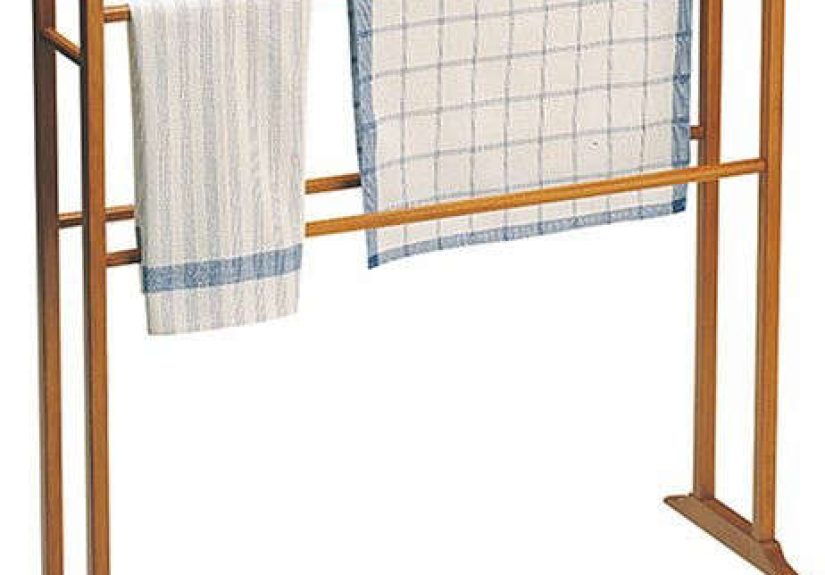
Think of it as the Shaker answer to the modern question: “Where do I put wet towels so they actually dry?” The classic Sabbathday Lake Shaker towel rack is a freestanding floor racksometimes compared to a clothes horsedesigned for airing and drying textiles in a way that doesn’t involve draping towels over a door like a surrender flag.
What it’s designed to do (and does extremely well)
- Dry towels faster by giving them airflow on both sides
- Airlift clutter off counters, hamper lids, chair backs, and the edge of your bed
- Handle bigger textiles like hand towels, bath towels, dish towels, and even small quilts or blankets
- Move where you need it without drilling holes or committing your wall studs to a lifelong relationship
Many modern versions are made in hard maple and sized to fit comfortably in a bathroom, laundry room, mudroom, or guest space without feeling like you adopted a full-size drying rack as a new roommate.
The Shaker “Secret Sauce”: Order That Feels Good
Shaker interiors were famously organized, and not in a “label your label maker” way. It was functional organizationthe kind that makes cleaning faster, movement easier, and daily routines calmer. One reason Shaker spaces worked so well is that they were designed to keep the floor clear: hang what you can, store what you must, and don’t let objects pile up where they don’t belong.
The towel rack fits that logic perfectly. It’s not trying to be the star of the room. It’s trying to make sure the room can be used, cleaned, and reset quickly. In today’s terms: it helps your bathroom look “together” even when you’re running late and the dog is staring at you like you owe rent.
What It Looks Like (And Why That’s Not the Point)
A Sabbathday Lake towel rack is typically all about proportion and restraint. Straightforward rails, a stable base, and enough spacing to keep textiles from drying into a damp, wrinkled clump. That’s the visual appeal: the confidence of something that doesn’t need extra decoration to justify its existence.
If you like minimalist décor, the rack blends in. If you prefer a warmer, layered home, it acts like a quiet wooden “frame” for your textiles especially nice if you use striped towels, linen tea towels, or woven throws you want to show off without turning your room into a store display.
Finish choices: understated, not boring
Traditional Shaker pieces were often painted or stained in controlled, purposeful ways. Today you’ll see towel racks offered unfinished, in natural maple, or in simple stains. The smart move is choosing a finish that matches how you actually live:
- Unfinished: best if you want to customize or match existing woodwork
- Clear/natural: bright, clean, and classic (great for airy bathrooms)
- Medium or darker stain: warm, cozy, and forgiving of daily handling
Where It Works Best in a Modern Home
The easiest way to “get” this rack is to imagine where towels currently go in your homeand then imagine that spot not looking like a laundry crime scene. Because this is freestanding, it’s flexible. You can move it closer to the shower, next to the sink, or near a laundry area depending on the season and your routine.
1) Bathrooms (obviously, but with a twist)
Wall towel bars are fineuntil you have more than one person, more than one towel, or more than one shower a day. A freestanding rack adds extra drying capacity without remodeling. It’s especially helpful in bathrooms where:
- there’s no good wall space for another bar
- you want guest towels to look intentional (not like an afterthought)
- you’re trying to reduce mildew smells by improving airflow
2) Laundry rooms and “in-between” drying
Some textiles shouldn’t go straight into a dryer (or you simply don’t want them to). The rack becomes a staging area for: air-drying delicates, letting damp items rest before washing, or drying smaller household linens without setting up a giant folding rack.
3) Mudrooms and entryways
The Shakers were big on keeping living spaces adaptable. A towel rack can serve as a drying station for: wet hats, scarves, kids’ mittens, or the occasional “why is everything soaked?” winter emergency. The rails keep items separated so they dry instead of fermenting.
4) Guest rooms and multi-use spaces
If you’ve ever hosted friends and realized your towel situation required a full tutorial, you’ll appreciate this: a rack makes it obvious where towels go. It also keeps blankets ready and breathablehelpful in guest spaces where you rotate linens often.
How to Choose the Right One (Without Overthinking It)
Because the design is simple, the differences that matter are practical. Here’s what to pay attention to:
Size and footprint
You want a rack that holds enough while still fitting comfortably where you’ll use it most. Measure your available floor area and remember: towels need space around them to dry well. A rack that’s “compact” but forces towels to overlap is basically a polite way of keeping them damp.
Wood species and durability
Hard maple is a favorite for a reason: it’s durable, smooth, and takes a clean finish well. Whatever wood you choose, look for straight grain, solid joinery, and rails that feel stable when you lightly shake the rack. (Yes, it’s funny to shake a Shaker rack, but quality testing is quality testing.)
Kit vs. assembled
Many people like kits because they’re easier to ship and can be finished to match your space. Assembled versions are great if you want instant gratification and minimal tool time. Either way, you’re aiming for a rack that feels sturdy under daily use and doesn’t wobble when you grab a towel with one hand while brushing your teeth with the other.
Assembly and Placement Tips
A freestanding towel rack is low-drama, but a couple of small choices make it work better for years:
- Place it where air moves: near (but not pressed against) a vent, doorway, or open area helps towels dry faster.
- Avoid tight corners: corners trap moisture and encourage that “why does this towel smell like a basement?” problem.
- Balance the load: distribute heavy towels evenly so the rack stays stable.
- Give towels their own space: don’t stack multiple towels on the same rail unless you enjoy damp laundry surprises.
Care and Maintenance: Keep It Simple, Keep It Working
Shaker design is built for real life, not for museum ropes. Caring for a towel rack is refreshingly straightforward:
- Wipe it down occasionally with a soft cloth, especially in humid bathrooms.
- Dry standing water quicklywood likes “humid,” not “puddle.”
- Refresh the finish as needed, depending on whether it’s oiled, lacquered, or left unfinished.
The goal is longevity. The rack should look better over time, developing a gentle lived-in character instead of peeling, swelling, or feeling sticky from humidity.
Why This Piece Feels So Good to Live With
Plenty of home products promise a “clean aesthetic.” The Shaker approach is different: it’s a clean system. When towels have a place that actually works, the bathroom resets faster, laundry routines feel lighter, and your home looks calmer without you doing extra work.
A Sabbathday Lake Shaker towel rack is a reminder that good design doesn’t need to shout. It just needs to help you live. And if it also makes your towels dry faster and smell better, that’s basically a design miracle in everyday clothing.
FAQ: Quick Answers Before You Commit
Is it only for towels?
Not at all. It’s excellent for towels, but it also works for dish towels, bath mats, light blankets, and other textiles that benefit from airflow.
Will it work in a small bathroom?
Yesif you measure first and pick a footprint that fits. In many small bathrooms, a freestanding rack can add drying capacity without sacrificing wall space.
Does it tip over easily?
A well-made rack should feel stable. Balance heavy towels across the rails, and avoid placing it where it’s likely to be bumped repeatedly (like directly behind a door that swings open with enthusiasm).
Conclusion: A Quiet Upgrade That You’ll Notice Every Day
If you’re tired of towels that never fully dry, bathrooms that never fully reset, or laundry routines that feel like a recurring side quest, the Sabbathday Lake Shaker towel rack is the kind of practical upgrade that earns its keep. It’s simple, movable, durable, and rooted in a design tradition that valued usefulness as a form of daily discipline.
It won’t turn your bathroom into a magazine shoot. It will turn your bathroom into a place where towels dry properly, textiles look intentional, and you stop fighting with a damp pile of fabric like it’s a personal rival. That’s the Shaker win: not more stuffjust better stuff.
Experiences: Living With a Sabbathday Lake Shaker Towel Rack ()
The first “experience” most people have with a Shaker towel rack is a small moment of disbelief: you hang a towel, walk away, and later it’s actually dry. Not “dry-ish,” not “technically dryer than the shower floor,” but dry. Airflow is the unglamorous hero here. A towel draped over a door tends to fold into itself like a sad taco, trapping moisture right where mildew loves to set up camp. On a Shaker-style rack, the towel hangs open, breathes, and stops smelling like it’s been emotionally wounded by humidity.
Then comes the unexpected side benefit: your bathroom starts looking calmer even when life isn’t. Morning routines have a way of leaving evidencehair tools out, toothpaste cap missing, someone yelling, “Where’s my towel?” A standing rack creates a visual “home base” for textiles. Instead of towels migrating to chair backs and sink edges, they gather in one place like a well-trained flock. You don’t have to fold them into submission; you just hang them with intent.
In a household with more than one person, the rack becomes a quiet peace treaty. Everyone can claim a rail. Kids can learn, “This is where wet stuff goes,” without needing a PowerPoint. Guests immediately understand what to do, which is rare in hospitalityright up there with “the Wi-Fi password is written down” and “the bathroom light switch is not a puzzle.”
It also shines during “in-between” moments: a hand towel that’s too damp to put away, a dish towel you used to mop up a spill, or the bath mat that got splashed and needs to dry before it becomes a cold, soggy surprise. People often discover that the rack does its best work when it’s treated as a flexible drying station, not a rigid piece of decor. Move it closer to the shower after baths, then slide it near a vent or open doorway for faster drying later.
And yes, it gets used for things that aren’t towels. A lightweight throw after movie night. A scarf that got caught in the rain. A pair of mittens that look like they’ve been through a small water crisis. The rack quietly handles these tasks without taking over the room, which is exactly the point: it’s furniture that behaves like a helpful friend, not a needy roommate.
The most “Shaker” experience of all is what happens after a few weeks: you stop thinking about the rack entirely. That’s the ultimate compliment. It fades into your daily rhythm because it solves a problem so smoothly you forget you ever had it. Your towels dry. Your space resets. Your bathroom feels a little more orderly. And you get to spend your energy on something more importantlike finding where all the missing socks went.