Table of Contents >> Show >> Hide
- What Is Rushmore, Really?
- Where Rushmore Ranks in Wes Anderson’s Filmography
- Why Critics Love Rushmore
- Why Some Viewers Are Less Enthusiastic
- Ranking the Elements Inside Rushmore
- The Soundtrack: An Unofficial Character
- Is Rushmore Overrated, Underrated, or Just Right?
- How to Approach Rushmore If You’re Watching It for the First Time
- What It’s Like to Watch Rushmore Today: Experience-Based Takeaways
- Conclusion
If you’ve ever watched Rushmore and thought, “Wait, is this supposed to be a teen movie, a midlife crisis movie, or a very stylish fever dream?” congratulations, you’ve understood the assignment. Wes Anderson’s 1998 film has quietly climbed from modest box office player to cult classic and now regularly lands near the top of “best Wes Anderson movies” lists. Along the way, it’s inspired fierce rankings, strong opinions, and more Max Fischer Halloween costumes than anyone expected.
In this deep dive, we’ll break down how critics and fans rank Rushmore, where it sits in Wes Anderson’s filmography, which characters and scenes people obsess over, and why opinion on this movie can be surprisingly split. Then we’ll finish with some lived-experience style reflections on what it’s like to watch (and rewatch) Rushmore today.
What Is Rushmore, Really?
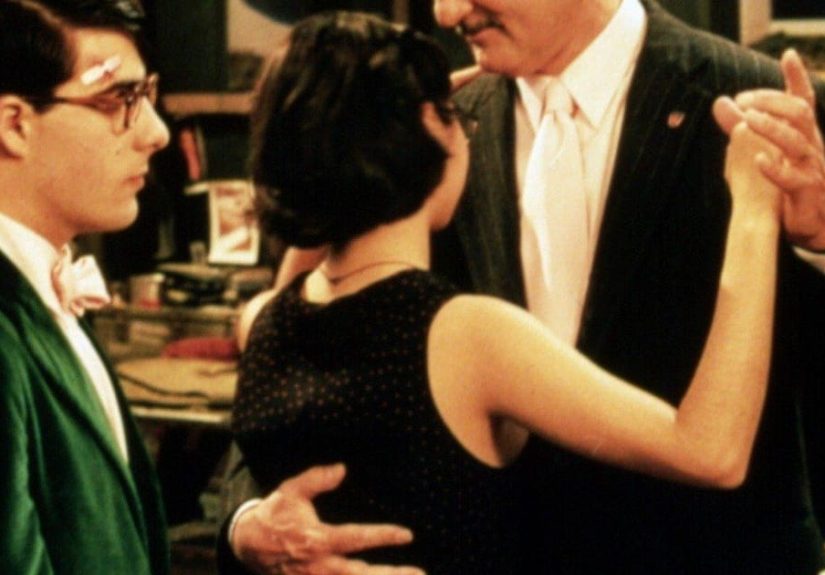
Quick refresher: Rushmore is a coming-of-age comedy-drama directed by Wes Anderson and co-written with Owen Wilson. It follows Max Fischer, a wildly overcommitted but academically failing student at Rushmore Academy; Herman Blume, a weary industrialist; and Rosemary Cross, the widowed schoolteacher they both fall for. It’s equal parts deadpan comedy, melancholy romance, and elaborate extracurricular chaos.
When it opened in late 1998 and expanded in early 1999, the film was not a huge mainstream hit. It earned around $17 million domestically and under $2 million internationally respectable, but nowhere near blockbuster status for the time. What it did have, however, was love from critics and the beginnings of a passionate fanbase.
On review aggregators, Rushmore scores in “modern classic” territory: it sits around the 90% approval mark with critics and posts an “universal acclaim” score in the mid-80s on major critic-index sites. Over time it’s collected Independent Spirit Awards, stacks of critics’ prizes for Bill Murray, and in 2016 it was added to the U.S. National Film Registry as “culturally, historically, or aesthetically significant.” That’s film-nerd shorthand for: this one really matters.
Where Rushmore Ranks in Wes Anderson’s Filmography
Ask ten Wes Anderson fans to rank his movies and you’ll get twelve arguments and probably a friendship-ending debate over Isle of Dogs. But one pattern keeps showing up: Rushmore is almost always near the top.
Critic and Magazine Rankings
Several major outlets in the United States have done “all Wes Anderson movies ranked” pieces, and Rushmore tends to land in that coveted top three-to-five range. In one recent high-profile ranking, it sits comfortably in the upper tier, just behind favorites like The Royal Tenenbaums and The Grand Budapest Hotel, but ahead of several later, bigger-budget works. Other critics and film sites have gone even further, placing Rushmore as the #2 or #3 Anderson film overall, right after Tenenbaums.
Film-critic polls and decade lists also treat the movie kindly. It shows up on lists of the best films of the 1990s, among the coolest movies ever made, and even in rankings of the funniest screenplays of all time. That’s not bad company for a movie that spends a surprising amount of runtime on extracurricular clubs and a beekeeper revenge montage.
Fan Rankings and Community Lists
Among fans, Rushmore often hits “comfort movie” status. On user-created lists and ranking threads, it’s frequently cited as:
- The quintessential Wes Anderson film the one that “feels” the most like him without going full visual dollhouse.
- A top-three favorite often sitting just under The Royal Tenenbaums, or sometimes taking the top spot outright.
- The gateway movie the film people recommend to friends who say, “I’ve never really seen a Wes Anderson movie.”
Some fan-curated lists and poll-style rankings even position Rushmore as Anderson’s absolute best, citing its perfect balance between stylization and emotional messiness. Others describe it as his “most human” or “least mannered” movie, especially when compared to the intricate, storybook-like worlds of his later work.
Why Critics Love Rushmore
Critical opinion on Rushmore is overwhelmingly positive, but not in a bland “yeah, it’s pretty good” kind of way. The praise tends to focus on a few specific strengths that keep showing up across reviews and essays.
1. Bill Murray’s Career-Turning Performance
It’s hard to overstate how important Rushmore is to the “late-period indie Bill Murray” we know and love today. Critics have repeatedly highlighted his role as Herman Blume as one of his best performances sad, hilarious, petty, and vulnerable all at once. The film earned him multiple critics’ awards and reintroduced him as a dramatic-comedy actor who could do more than just broad slapstick.
Many retrospectives argue that without Rushmore, we might not have gotten Murray in films like Lost in Translation or his later Anderson collaborations. In rankings of his career performances, Herman Blume is almost always on the shortlist.
2. Max Fischer as a New Kind of Teen Protagonist
Critics also highlight Jason Schwartzman’s breakout turn as Max Fischer. Max isn’t a typical movie teenager. He’s not conventionally cool, nor a pure underdog. He’s ambitious to the point of delusion, weirdly entitled, and occasionally downright unlikeable but he’s also painfully recognizable if you’ve ever known (or been) an overachiever who hides insecurity behind a packed schedule.
That combination of arrogance and fragility gives the film its emotional weight. Several reviewers have compared Max to literary protagonists more than standard teen-comedy heroes, noting how his failures and humiliations force him toward genuine growth.
3. Style With Emotional Substance
Wes Anderson is known for his meticulous visual style, and Rushmore already features many of his signatures: precise compositions, carefully curated color palettes, symmetrical framing, and needle-drop soundtracks. But critics often argue that in this film, the style is in perfect balance with the story.
Rather than feeling like an aesthetic exercise, the staging and music reinforce Max’s inner world his grandiose self-image, his theatrical approach to life, and his inability to see beyond his own narrative until everything collapses. This balance is a big part of why many lists treat Rushmore as Anderson’s most “perfectly imagined” film.
Why Some Viewers Are Less Enthusiastic
For all its acclaim, Rushmore isn’t universally adored. Some critics and audience members find the film’s tone or characters off-putting, especially on a first watch.
Max Is… a Lot
One recurring complaint is that Max is simply too much too smug, too manipulative, too convinced of his own genius. Viewers who want a more straightforwardly sympathetic protagonist can struggle with his behavior, especially in the first half of the film. A few prominent critics have even suggested that his personality makes the movie harder to embrace.
The movie doesn’t exactly ask you to love Max from the start. It asks you to endure him, wince with him, and eventually feel for him as he slowly realizes he’s not the hero of everyone else’s story. If you’re not on board with that journey, Rushmore can feel abrasive.
The Shifting Tone
Another point of debate is the film’s tonal shift. Some reviewers argue that the final act drifts away from the tight, comedic precision of the earlier sections, leaning into more conventional emotional resolutions. Others feel that the movie constantly walks a tricky line between deadpan comedy and genuine sadness, and that it doesn’t always land every transition smoothly.
That said, many fans see those tonal swings as part of the charm: high school, after all, is nothing if not a whiplash blend of absurdity and heartbreak.
Ranking the Elements Inside Rushmore
When people share their rankings and opinions of Rushmore, they’re rarely just talking about the movie as a whole. They also love to rank what’s inside it: performances, scenes, lines, and even extracurricular clubs.
Most Praised Performances
- Bill Murray as Herman Blume – Often ranked as one of Murray’s best-ever roles. His combination of exhausted bitterness and childlike pettiness is weirdly moving.
- Jason Schwartzman as Max Fischer – A star-making debut. Even people who don’t “like” Max usually admit Schwartzman nails the character.
- Olivia Williams as Rosemary Cross – Understated and essential. She grounds the story and refuses to become just an object of affection for either male lead.
- Supporting ensemble – From Brian Cox’s headmaster to the students in Max’s plays, the film is full of memorable smaller turns that fans love to quote.
Fan-Favorite Scenes
- The opening “academic montage” Max dreams of solving impossible math problems, then wakes up to reality: his grades are terrible.
- The activity montage Listing all of Max’s clubs and extracurriculars is practically a meme. “Editor of the school newspaper” is just the beginning.
- The escalating revenge war From bees to brakes, Max and Herman’s feud is both ridiculous and weirdly cathartic.
- The Vietnam play Over-the-top production design, explosions, tiny soldiers, heartfelt dedication it’s the most Max way possible to apologize.
These scenes frequently top fan polls and “best moments” lists. They’re the sequences people share as clips, GIFs, and “you have to watch this” recommendations.
The Soundtrack: An Unofficial Character
You can’t seriously talk about Rushmore rankings and opinions without mentioning the soundtrack. Wes Anderson’s needle drops are legendary, and this film’s mix of British Invasion rock, classic pop, and bittersweet tunes is one of the reasons it sticks in people’s memories.
Songs by bands like The Kinks, The Faces, and The Who don’t just decorate the movie; they shape its rhythm and emotional tone. For many fans, this is Anderson’s best soundtrack or at least a strong contender and a big reason they rewatch the film or keep its music saved in playlists.
Is Rushmore Overrated, Underrated, or Just Right?
So where does all this leave us? Is Rushmore the definitive Wes Anderson movie? The best? Over-praised? Secretly underappreciated?
Here’s the neat trick: the film has reached a rare zone where it’s both critically respected and personally beloved, yet still feels slightly off the beaten path. It’s not as visually iconic as The Grand Budapest Hotel, not as widely known as Fantastic Mr. Fox, and not as recent as Asteroid City, but it’s the movie that many die-hard fans quietly name as their favorite.
If you connect with Max’s mixture of ego and insecurity, or with Herman’s midlife disillusionment, Rushmore can feel like your movie the one that understands how embarrassing it is to want things deeply and fail spectacularly in public. If you don’t connect with those characters, you might end up respecting the film more than loving it. Both reactions are valid, and they’re exactly why rankings and opinions around Rushmore are so lively.
How to Approach Rushmore If You’re Watching It for the First Time
Thinking of watching Rushmore because it keeps showing up in “best of” lists? A few tips can help you enjoy it on its own terms:
- Expect awkwardness, not polished life lessons. This is a movie about messy people making bad decisions, then trying to grow from them.
- Don’t worry if you don’t “like” Max at first. You’re not supposed to. Watching him get humbled is part of the appeal.
- Pay attention to background details. Signs, costumes, and props often carry jokes or emotional cues.
- Let the music guide you. When in doubt, the soundtrack is telling you how the movie feels about a scene.
And if you bounce off it on the first try? Many fans report that Rushmore is a grower, not a shower. The second viewing, once you know where it’s going, can feel surprisingly richer.
What It’s Like to Watch Rushmore Today: Experience-Based Takeaways
Watching Rushmore now, decades after its release, is a different experience than seeing it in the late ’90s. The world has changed, teen culture has shifted, and Wes Anderson himself has become a genre unto his own. But that actually makes the film more interesting, not less.
First, there’s the nostalgia factor. Rushmore is full of pay phones, handwritten letters, and after-school clubs that feel almost eccentric compared with today’s screen-dominated social life. Yet the emotional beats wanting to stand out, misreading other people, weaponizing charisma feel eerily current. You might find yourself thinking, “Max would absolutely have a chaotic social media presence now,” and somehow that makes his analog world even funnier.
Second, the movie hits differently depending on your age when you watch it. See it as a teenager and you might relate to Max’s wild overconfidence and big feelings. Watch it again in your 30s or 40s and suddenly Herman Blume steals the movie a man who has everything and feels nothing, enchanted and annoyed by a kid who cares too much. Many viewers’ “favorite character” quietly shifts from Max to Herman over time, which is its own kind of life update.
Third, Rushmore can be a surprisingly interesting group watch. In a room of friends, you’ll likely notice:
- Debate over the love triangle. Some people feel strongly that Max’s crush on Rosemary is doomed and inappropriate; others focus on how the film ultimately critiques his behavior rather than rewarding it.
- Reactions to the humor. Deadpan, slightly mean jokes will land differently depending on your tolerance for cringe. Some viewers cackle at the escalating revenge; others look away in sympathetic embarrassment.
- Unexpected emotional moments. The scenes that move people aren’t always the “big” ones it might be a quiet musical cue, a small act of kindness, or Max finally recognizing his father.
If you’re revisiting the film as a longtime Anderson fan, Rushmore also serves as a kind of origin story. You can see the early form of his now-iconic style, before the production design became almost architectural. The symmetry is there, the color is there, the soundtrack is there but the world of the movie still feels loose around the edges, messy in a way that mirrors the characters’ inner lives. That mix of careful craft and emotional roughness is a big reason people rank it so highly.
Finally, there’s the comfort factor. For many people, Rushmore has become a “put it on when life feels weird” movie. It’s oddly reassuring to watch characters be painfully wrong about themselves and then slowly figure it out. The film doesn’t promise that everything will work out perfectly it just suggests that you can make amends, stage a ridiculous play, dance a little, and start again.
So when you see Rushmore rankings and opinions that place it near the top of Wes Anderson’s work, they’re not just measuring style or prestige. They’re responding to a film that manages to feel specific and personal, prickly and tender, stylish and sincere. Whether you end up calling it your favorite or simply respecting it from a distance, Rushmore is one of those movies that sticks around in your brain and in the rankings long after the credits roll.
Conclusion
In the end, Rushmore earns its place near the top of so many lists because it captures something rare: the feeling of being both too young and too old at the same time, desperate to matter and terrified that you don’t. Critics champion its craft, fans cherish its characters and moments, and even its detractors help keep the conversation alive by pushing back on the hype.
That’s the secret of great cult classics. They don’t seek unanimous agreement; they invite ongoing argument. And in that ongoing swirl of rankings and opinions, Rushmore continues to feel fresh, funny, and strangely honest a small movie with a very big extracurricular life.