Table of Contents >> Show >> Hide
- Why Pantry Snacks Matter More Than You Think
- 1. Tuna or Salmon Pouches
- 2. Popcorn
- 3. Nuts and Seeds
- 4. Roasted Chickpeas
- 5. Dried Edamame
- 6. Unsweetened Dried Fruit
- 7. Oatmeal
- How to Build a Better Snack From These Staples
- What to Look for on the Label
- Real-Life Experiences With Healthy Pantry Snacking
- Final Thoughts
- SEO Tags
There are two kinds of pantry people in this world: the ones with a beautifully organized shelf of wholesome staples, and the ones staring into a cabinet full of mystery crackers, three lonely tea bags, and a granola bar old enough to vote. If you’d like to move from category two into category one, healthy snacking is a very good place to start.
According to registered dietitians, the best pantry snacks are not flashy. They do not arrive wearing a halo or promising to “change your life in five bites.” They’re simply reliable, satisfying, nutrient-dense, and easy to keep on hand. Better yet, they help bridge the gap between meals without sending your energy levels on a roller coaster that ends with you aggressively googling “best burger near me” at 3:47 p.m.
The smartest healthy snacks usually offer some mix of protein, fiber, and healthy fats. That trio can help with fullness, support steadier energy, and make snack time feel more like a strategic win and less like a random kitchen drive-by. And because pantry foods are shelf-stable, they’re there for you on busy mornings, chaotic afternoons, travel days, and those “I need something now” moments when fresh food isn’t practical.
Here are the seven healthy pantry snacks registered dietitians say deserve permanent real estate in your kitchen cabinet.
Why Pantry Snacks Matter More Than You Think
A healthy pantry is basically your nutritional backup generator. When life gets hectic, it keeps your eating routine from short-circuiting. Stocking smart snacks means you’re less likely to reach for ultra-processed options loaded with excess sodium, added sugar, or saturated fat simply because they’re convenient.
Pantry snacks also make healthy eating more realistic. Fresh produce, yogurt cups, and prepped veggie trays are great, but they don’t always survive a busy week. Shelf-stable snacks, on the other hand, are the loyal sidekicks of the food world. They wait patiently, don’t judge your schedule, and are ready when hunger shows up uninvited.
1. Tuna or Salmon Pouches
Why dietitians love them
Tuna and salmon pouches are one of the easiest ways to keep a protein-rich snack in the pantry. They’re portable, mess-minimal, and don’t require opening a can with the kind of determination usually reserved for escape rooms. Salmon is especially appealing because it provides omega-3 fats, while both tuna and salmon offer satisfying protein that can help keep hunger in check.
How to eat them
You don’t need to overcomplicate this one. Pair a pouch with whole-grain crackers, spoon it onto cucumber slices if you have them, or mix it with a little mustard and black pepper for a quick snack that feels oddly fancy for something eaten standing at the counter.
Pantry tip
Look for options packed in water and compare labels for sodium. Single-serve pouches are especially handy for work bags, travel, or the bottomless hunger pit known as late afternoon.
2. Popcorn
Why dietitians love it
Popcorn has one of the best reputational comebacks in snack history. When it isn’t drenched in butter-like mystery goo, it’s actually a whole grain and can be a light, crunchy, fiber-friendly snack. It delivers volume too, which means you get a generous bowl instead of a tiny handful that disappears in three tragic seconds.
How to eat it
Air-popped popcorn is the gold standard, but plain microwave popcorn or kernels popped on the stove can work well too. Add a drizzle of olive oil, a shake of cinnamon, smoked paprika, black pepper, or even nutritional yeast if you want savory vibes without turning it into a movie-theater calorie bomb.
Pantry tip
Read the ingredient list. The best popcorn choices are short on ingredients and not overloaded with sodium, sugar, or saturated fat. If your popcorn sounds like a chemistry syllabus, keep shopping.
3. Nuts and Seeds
Why dietitians love them
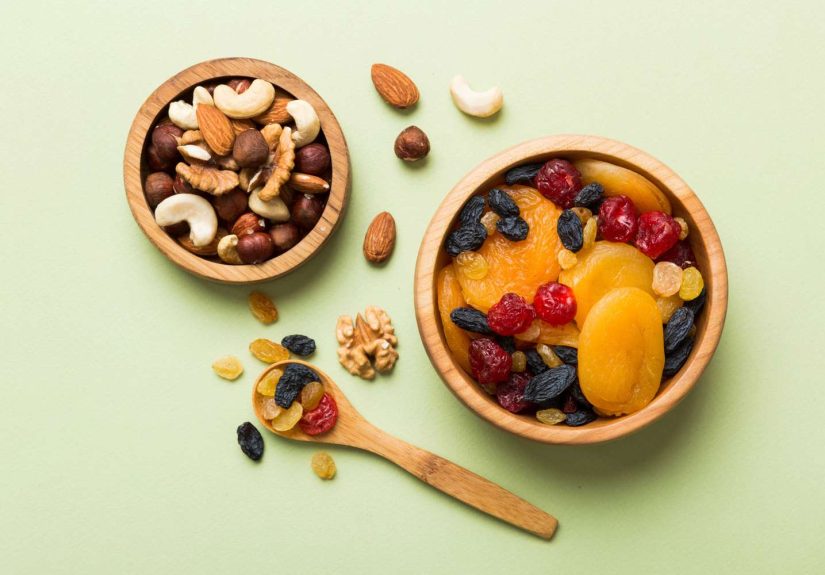
Nuts and seeds are the overachievers of the pantry. Almonds, walnuts, pistachios, pumpkin seeds, sunflower seeds, chia seeds, and flaxseeds bring healthy fats, fiber, and plant-based protein to the table. They also add texture, which may sound unimportant until you realize crunchy snacks are often the only thing standing between you and a bag of chips.
They’re satisfying, versatile, and easy to portion. A small handful can go a long way, especially when paired with fruit or oats. And unlike many packaged snack foods, nuts and seeds don’t need a marketing mascot or a neon wrapper to prove they’re useful.
How to eat them
Eat them plain, stir them into oatmeal, sprinkle them onto popcorn, or combine them with dried fruit for a DIY trail mix. Pumpkin seeds and sunflower seeds are great for people who want variety beyond almonds, while chia and flax can quietly level up the fiber content of whatever they touch.
Pantry tip
Choose unsalted or lightly salted varieties when possible. Portion them into small containers or bags if you tend to snack directly from the package until you suddenly realize half the bag has vanished into the void.
4. Roasted Chickpeas
Why dietitians love them
Roasted chickpeas are proof that legumes can be fun. They’re crunchy, shelf-stable, and offer a nice combo of plant protein and fiber, which makes them more filling than the usual “crunchy snack” suspects. They’re also a smart choice if you want something savory that feels snacky but still supports your bigger nutrition goals.
How to eat them
Buy them pre-roasted or make your own if you’re feeling productive. Toss chickpeas with olive oil and seasonings, roast until crisp, and suddenly you have a pantry snack that feels like a tiny culinary victory. Flavor options range from garlic and paprika to cinnamon and cumin.
Pantry tip
Watch sodium levels in prepackaged versions. Roasted chickpeas are best when they still taste like food, not like they were marinated in a salt shaker.
5. Dried Edamame
Why dietitians love it
Dried edamame doesn’t always get the attention it deserves, which is a shame because it’s a seriously useful pantry snack. It offers plant-based protein, fiber, and crunch all at once. That makes it especially handy for people who want a more substantial snack without refrigeration.
It’s also great for busy days because it’s portable and sturdy. No melting, no bruising, no drama. Just an easy snack with more staying power than many crackers or puffed snacks pretending to be helpful.
How to eat it
Eat it by the handful, mix it into homemade trail mix, or pair it with dried fruit for a sweet-and-savory combo that actually keeps you full. It’s also a good desk-drawer snack if your workday tends to stretch longer than your lunch did.
Pantry tip
As with other packaged snacks, label reading matters. Choose versions with simple ingredients and moderate sodium.
6. Unsweetened Dried Fruit
Why dietitians love it
Unsweetened dried fruit is sweet, shelf-stable, and far more useful than its candy-like reputation suggests. Raisins, apricots, prunes, dates, figs, and dried apples can contribute fiber and antioxidants, while also satisfying a sweet craving in a way that still looks like food grown on a plant. Revolutionary, I know.
Dried fruit is particularly helpful when fresh fruit isn’t practical. It travels well, stores well, and can add natural sweetness to snacks without requiring a blender, knife, or a level of morning ambition most people simply do not possess.
How to eat it
Pair dried fruit with nuts or seeds for better staying power. That combination can help balance quick energy from natural sugars with the fat, fiber, and protein that make a snack more satisfying. It also works beautifully stirred into oatmeal.
Pantry tip
Look for labels that say unsweetened or show no added sugar in the ingredient list. Dried fruit is concentrated, so portion size matters. A little goes a long way, which is both nutritionally useful and mildly devastating if you were hoping to eat an entire bag of dried mango in one sitting.
7. Oatmeal
Why dietitians love it
Oatmeal isn’t just breakfast. It’s a pantry MVP that works as a warm snack, a base for energy bites, or the backbone of a quick mini-meal. Oats provide complex carbohydrates and fiber, including beta-glucan, which is one reason they’re often linked with satiety and heart-friendly eating patterns.
They’re also affordable, versatile, and easy to customize. Sweet, savory, plain, fancy, microwaveable, overnight, or transformed into snack barsoats are basically the sweatpants of the pantry: comfortable, dependable, and somehow appropriate in more situations than expected.
How to eat it
Make a small bowl with cinnamon and chopped nuts, stir in dried fruit, or top with seeds and a spoonful of nut butter. You can also use oats to make snack bites or homemade granola with more control over sugar and sodium than many store-bought options.
Pantry tip
Plain rolled oats or steel-cut oats are usually the best picks. Flavored instant packets can be convenient, but they’re often sneaky sources of added sugar.
How to Build a Better Snack From These Staples
The magic isn’t just in owning healthy pantry snacks. It’s in pairing them wisely. A balanced snack usually combines at least two of the following:
- Protein: tuna, salmon, roasted chickpeas, dried edamame, nuts, seeds
- Fiber-rich carbs: oatmeal, popcorn, dried fruit, chickpeas
- Healthy fats: nuts, seeds, salmon
Easy examples include popcorn plus pumpkin seeds, oatmeal with walnuts and dried fruit, salmon with whole-grain crackers, or dried edamame with apricots. These combos are simple, satisfying, and much more likely to hold you over than a handful of random snack crumbs rescued from the bottom of your bag.
What to Look for on the Label
Even healthy pantry staples can get less healthy in a hurry when brands pile on sodium, added sugars, or unnecessary extras. When shopping, keep these guidelines in mind:
- Choose unsalted or lightly salted nuts, seeds, and legumes when possible.
- Pick unsweetened dried fruit with fruit listed firstand ideally as the only major ingredient.
- Look for plain oats instead of flavored packets loaded with sugar.
- Choose plain popcorn or simple kernel options over heavily flavored varieties.
- Compare sodium in tuna, salmon, roasted chickpeas, and dried edamame.
In other words, let the snack be the snack. It does not need to moonlight as dessert, a science experiment, and a salt lick at the same time.
Real-Life Experiences With Healthy Pantry Snacking
In everyday life, these pantry snacks tend to shine most when things are not going perfectly. That’s part of their charm. On an ideal day, sure, someone might sit down to sliced vegetables, a grain bowl, and a beautifully plated lunch. But real life is usually more chaotic. Meetings run long. School pickup changes. Traffic happens. Energy dips. Suddenly, the snack you have on hand matters a lot more than the meal you meant to prep.
For many people, keeping foods like popcorn, oatmeal, nuts, or tuna pouches in the pantry changes the entire rhythm of the day. Instead of waiting too long to eat and then raiding whatever is closest, they can grab something with real nutritional value in two minutes or less. That often leads to steadier energy, fewer extreme cravings, and less of that “I am somehow both tired and starving” feeling that sneaks up in the late afternoon.
Parents often notice that shelf-stable snacks reduce weekday stress. A pantry stocked with roasted chickpeas, dried fruit, and oats gives them more options when children come home hungry and dinner is still an hour away. College students and young professionals like these foods for similar reasons: they’re budget-friendly, portable, and don’t demand much kitchen equipment. A bowl of oatmeal with walnuts and raisins can feel surprisingly comforting after a long day, especially when the alternative is vending machine roulette.
Travel is another moment when these snacks earn their keep. Dried edamame, nuts, and unsweetened dried fruit fit easily in a backpack, carry-on, or desk drawer. Tuna and salmon pouches are useful on road trips or in hotel rooms when restaurant meals are delayed or limited. People who keep these snacks nearby often report fewer impulse purchases of expensive convenience foods that leave them unsatisfied twenty minutes later.
There’s also a practical emotional side to pantry snacking. Having better options available can make healthy eating feel less like a big moral project and more like a normal part of life. You’re not relying on willpower alone; you’re relying on preparation. That’s a much more forgiving system. And it works. When the pantry contains foods that are easy, tasty, and nourishing, healthier choices stop feeling like a heroic act. They become the obvious next move.
That may be the real secret registered dietitians are pointing to. Healthy snacking is not about perfection. It’s about making the better choice the easier choice. Keep a few smart staples in reach, mix and match them based on what sounds good, and let your pantry quietly do some of the heavy lifting. Not every snack has to be a wellness masterpiece. Sometimes it just needs to keep you full, focused, and far away from that stale break-room pastry.
Final Thoughts
If your goal is to build a healthier pantry, start with snacks that offer convenience and substance. Tuna or salmon pouches, popcorn, nuts and seeds, roasted chickpeas, dried edamame, unsweetened dried fruit, and oatmeal all bring something useful to the tableprotein, fiber, healthy fats, better staying power, or all of the above.
You do not need a pantry full of trendy powders, expensive bars, or snacks with packaging that looks like it was designed by a startup with too much confidence. Sometimes the smartest healthy snacks are also the simplest ones. Stock these seven staples, and future-you will be grateful the next time hunger hits and chaos is already clocked in for the day.