Table of Contents >> Show >> Hide
- What Is the Reefer Recycled Sailcloth Windbreak?
- Why Recycled Sailcloth Is Such a Smart Material
- Why Windbreaks Still Earn Their Keep
- What Makes the Reefer Version Especially Appealing
- Where a Recycled Sailcloth Windbreak Works Best
- How to Care for It Without Ruining the Vibe
- Who Should Buy a Reefer Recycled Sailcloth Windbreak?
- Final Thoughts
- Experience: What Living With a Reefer Recycled Sailcloth Windbreak Feels Like
Some outdoor accessories try very hard to look coastal. They show up in polite stripes, whisper words like “nautical,” and hope nobody asks follow-up questions. The Reefer Recycled Sailcloth Windbreak does not have that problem. It comes from actual sailcloth, which means it has already spent time doing the far more dramatic job of handling wind on the water before retiring to a second career on the sand, patio, deck, or lawn.
That is exactly what makes this piece so interesting. It is not just a beach windbreak. It is a smart example of upcycled outdoor design, where material with a previous life becomes something useful, durable, and unexpectedly stylish. In a world flooded with forgettable outdoor gear, a recycled sailcloth windbreak feels refreshingly specific. It blocks the breeze, adds privacy, rolls up for easy carrying, and tells a better story than your average big-box screen that arrived in a cardboard box with the emotional range of a toaster.
This article takes a closer look at why the Reefer Recycled Sailcloth Windbreak stands out, how recycled sailcloth performs in real outdoor settings, what buyers should expect, and why products like this hit the sweet spot between sustainability, design, and everyday practicality.
What Is the Reefer Recycled Sailcloth Windbreak?
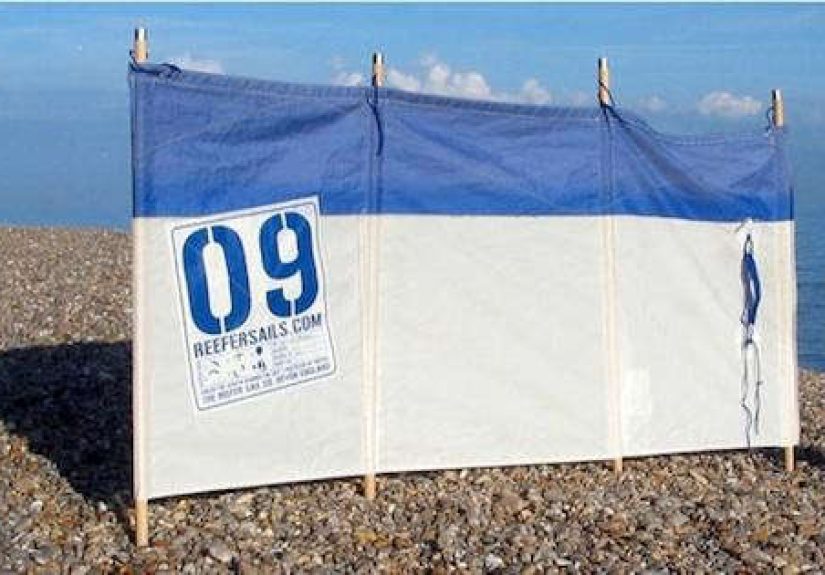
At its core, the Reefer Recycled Sailcloth Windbreak is a portable outdoor screen made from reclaimed sail material. That sounds simple enough, but the charm is in the details. The original product description highlighted the fact that each one is completely unique, made from soft reclaimed sails and finished with sleeves for four poles, reefing lines, a carry handle, and even a small pocket placed above sand level. That pocket may sound gloriously old-school now, but honestly, that only adds to the product’s personality.
Reefer as a brand has long been associated with repurposing marine materials into useful home and outdoor pieces. That design philosophy matters because it explains why this windbreak feels less like a novelty and more like a natural extension of the sailcloth itself. The material was built to work hard. Instead of letting it disappear into storage, waste, or landfill, the design gives it an elegant second act.
And yes, that second act is very photogenic. The crisp whites, stitched seams, faded markings, and subtle signs of previous use give a recycled sailcloth windbreak the kind of visual texture money usually tries and fails to fake.
Why Recycled Sailcloth Is Such a Smart Material
It starts life as a performance fabric
One reason recycled sailcloth works so well outdoors is that sail material is not delicate to begin with. Woven polyester sailcloth, often referred to as Dacron, has long been valued in sailing because it is strong, durable, and relatively affordable. In plain English: it was designed to take a beating from wind, movement, weather, and repeated use without giving up immediately like a cheap patio table on a stormy Tuesday.
That does not mean every old sail is magically immortal. Sun exposure, wear, salt, stitching failure, and long-term UV damage all catch up eventually. But when sailcloth is retired from active sailing, it often still has plenty of life left for secondary uses that demand toughness without the same technical performance. That makes it a natural fit for bags, cushions, covers, and windbreaks.
It gives hard-to-dispose-of textiles a longer life
There is also the sustainability side. The U.S. Environmental Protection Agency treats textiles as a meaningful waste stream and encourages a sustainable materials management approach that prioritizes using and reusing materials more productively over their life cycles. That is the key idea here. A product like this does not just recycle in the abstract. It extends the useful life of a durable synthetic material that otherwise might sit unused or head toward disposal.
That may sound like a small gesture, but good sustainability often looks exactly like this: not a superhero cape, just a better decision repeated often. NOAA’s marine debris guidance is also a useful reminder that long-lived human-made materials can create real environmental problems when they are poorly handled. Reuse is not the only answer, but it is certainly better than pretending rugged textiles evaporate politely once we are bored with them.
Why Windbreaks Still Earn Their Keep
Let’s hear it for the humble windbreak, one of the most underrated tools in outdoor living. A good windbreak does three jobs at once. First, it cuts the breeze so your beach picnic does not become a potato-chip blizzard. Second, it creates a little privacy without the commitment of a full fence. Third, it visually defines space, which is a fancy way of saying it helps your outdoor area feel intentional instead of like a random scattering of chairs that lost a fight with gravity.
Modern outdoor design publications and DIY guides keep returning to the same point: screens and privacy barriers improve comfort because they block wind, filter views, and shape a seating area. Permanent solutions like hedges and fast-growing trees can also serve as windbreaks, but they take time. A portable sailcloth screen works right now. No waiting three years for a shrub to discover ambition.
That instant usefulness is part of the Reefer windbreak’s appeal. It is not trying to replace a wall. It is there to make a breezy setting feel softer, calmer, and more livable within minutes.
What Makes the Reefer Version Especially Appealing
Every piece is one of one
Uniform products are easy to buy and easy to forget. The Reefer Recycled Sailcloth Windbreak takes the opposite approach. Because it is made from reclaimed sailcloth, each piece carries its own marks, stitching lines, tone shifts, and traces of earlier use. That individuality is not a flaw. It is the whole point.
People who love this kind of product usually do not want factory perfection. They want character. They want the faint evidence that the material once mattered somewhere else. A recycled sailcloth screen can feel more authentic than brand-new outdoor décor because it has already earned a little patina before it ever reaches your patio.
It mixes coastal style with real function
Some décor leans too hard on the coastal look and forgets to be useful. This is not that. The Reefer windbreak has a clean, beach-friendly aesthetic, but the practical features do real work: sleeves keep the poles in place, reefing lines help secure the structure, and the carry handle makes it portable. It is the rare outdoor accessory that manages to be stylish without acting like style is enough.
That balance matters for SEO-minded shoppers too, because people searching for a beach windbreak, patio wind screen, or sustainable outdoor décor are usually not just browsing for something pretty. They want a product that solves a real comfort problem while still looking good in photos, on porches, and at relaxed outdoor dinners.
Where a Recycled Sailcloth Windbreak Works Best
At the beach
This is the obvious setting, and still the best one. A portable windbreak makes a beach setup feel less exposed, less chaotic, and much more civilized. Suddenly there is a defined spot for bags, books, snacks, and children who are somehow always sticky even near water. The sailcloth look also feels perfectly at home by the shore, which is convenient because nobody wants their outdoor gear to look like it wandered in from a corporate conference patio.
On patios and decks
If your deck catches crosswinds, a sailcloth windbreak can make seating areas more usable for longer stretches of the year. It is also helpful in small urban outdoor spaces where you want a softer divider than a fence but more shelter than a potted plant that keeps trying its best.
In gardens, campsites, and event spaces
Garden seating nooks, temporary outdoor dining spots, glamping setups, and picnic zones can all benefit from a movable screen. This is where the Reefer piece becomes especially versatile. It is not permanent enough to dominate the landscape, but it is distinctive enough to improve it.
How to Care for It Without Ruining the Vibe
A recycled sailcloth windbreak is tough, but tough is not the same as indestructible. Sunlight remains hard on sail fabrics over time, and experts in sail care regularly point out that UV exposure weakens woven polyester materials and their stitching. In other words, the smartest thing you can do is not leave it baking outside forever just because it looks rugged enough to survive a pirate movie.
Good care is simple. Shake off sand and dirt after use. Let it dry completely before storage. Clean visible grime before it turns into stubborn mildew. Store it rolled up in a dry place when it is not in use for long stretches. Check seams, sleeves, ties, and pole stress points periodically, especially if the windbreak gets heavy seasonal use.
If you treat it like a functional design object instead of a disposable beach extra, it should reward you with much better longevity and far fewer sad springtime surprises.
Who Should Buy a Reefer Recycled Sailcloth Windbreak?
This is a particularly good fit for people who want their outdoor gear to do more than one thing well. If you value sustainability, love coastal design, enjoy one-of-a-kind materials, and actually spend time outdoors where wind is a recurring personality trait, this piece makes a lot of sense.
It is also great for buyers who are tired of flimsy seasonal accessories that look worn out before the weather even gets interesting. A product rooted in reclaimed sailcloth has more built-in credibility than many “eco” items that feel like they were invented by a branding committee and a PowerPoint deck.
On the other hand, if you want a permanent, high-privacy, year-round barrier that blocks every gust and every glance, you may need a more structural solution. A windbreak is meant to create comfort and definition, not impersonate a fortress.
Final Thoughts
The Reefer Recycled Sailcloth Windbreak is the kind of product that makes immediate sense once you understand it. Sailcloth is already durable. Windbreaks are already useful. Reuse is already smarter than waste when the material still has life left in it. Put those facts together, and what you get is a portable outdoor screen with genuine character, practical purpose, and a sustainability story that does not feel forced.
Its biggest strength may be that it does not try too hard. It does not scream “eco innovation” in neon letters. It simply takes a material built for wind and gives it a new wind-related job. That is clever. That is functional. And frankly, that is much more charming than buying yet another generic outdoor accessory that looks like it was designed by an algorithm trying to impress a seagull.
If you want an outdoor piece that adds shelter, style, portability, and a little maritime soul, the Reefer windbreak is easy to like. It is sustainable without being smug, attractive without being fussy, and practical without being boring. That is a pretty good trifecta for any outdoor product.
Experience: What Living With a Reefer Recycled Sailcloth Windbreak Feels Like
The experience of using a Reefer Recycled Sailcloth Windbreak is less about dramatic transformation and more about a series of small, satisfying improvements. You notice it first when you unroll it. Unlike a slick new synthetic screen that smells vaguely like packaging and regret, this kind of piece has texture and history. The sailcloth feels substantial but not stiff, and the visual details do a lot of quiet work. Faded stitching, old panel lines, and subtle variations in tone make it feel like an object with a backstory rather than a mass-produced seasonal prop.
At the beach, the difference is immediate. The wind is still there, because nature enjoys reminding us who is in charge, but the gusts stop feeling personal. A small protected zone appears. Towels stay put. Snacks stop trying to migrate. Reading becomes possible without performing a wrestling move on every page. Kids get a clearer home base. Adults get the rare luxury of not having sand exfoliate their ankles every thirty seconds. It does not create silence or stillness, but it turns a breezy beach day from mildly chaotic into pleasantly manageable.
On a patio or deck, the experience is even more interesting because the windbreak starts acting like design as much as equipment. It creates a boundary without making the space feel boxed in. A corner seating area becomes more intimate. Coffee feels a little less windswept. Dinner outdoors becomes less of a tactical operation. It is especially effective in spots that are almost comfortable but not quite. That is where a portable wind screen earns its keep: in those edge-case spaces where one recurring draft has been ruining the mood for years.
There is also a social side to owning something like this. People ask about it. They notice the sailcloth. They run a hand over the seams. They say things like, “Wait, this used to be a sail?” which is honestly a better conversation starter than discussing pollen levels or whether someone remembered the citronella candles. Products with visible reuse tend to humanize a space. They feel chosen rather than defaulted.
Over time, the relationship becomes pleasantly practical. You learn where it stores best, how tightly to roll it, and when to bring it out. It becomes part of the rhythm of outdoor living, especially in spring and summer. And because it is portable, it avoids the biggest problem with permanent outdoor additions: you do not have to commit to one exact layout forever. Move it for guests. Shift it with the light. Take it to the beach one week and use it beside the garden the next.
Most of all, living with a Reefer Recycled Sailcloth Windbreak feels like living with an object that combines usefulness and story in equal measure. It solves a practical problem, but it also adds warmth, texture, and identity to outdoor time. That combination is rare. A lot of products do the job. Far fewer make the job feel a little more memorable.