Table of Contents >> Show >> Hide
- What Is a Nose Splint?
- Why Are Nose Splints Used?
- What Procedures Commonly Involve Nose Splints?
- How Long Do Nose Splints Stay In?
- What Does It Feel Like to Have a Nose Splint?
- What To Expect During the First Week
- How To Care for a Nose Splint
- Can You Breathe Through Your Nose with Splints In?
- What Happens When the Splints Come Out?
- Possible Risks and Complications
- When To Call Your Doctor
- Nose Splints and Daily Life: Practical Questions
- Patient Experiences: What Recovery Often Feels Like
- The Bottom Line
If you woke up after nasal surgery feeling like your nose had been upgraded with tiny architectural supports, congratulations: you have met the nose splint. It is not glamorous. It is not especially charming. It will not make you feel like a movie star. But it does have one very important job: helping your nose heal in the position your surgeon intended.
Nose splints are commonly used after procedures such as septoplasty, rhinoplasty, septorhinoplasty, and sometimes after repair of a broken nose. Depending on the surgery, you may have an internal splint inside the nostrils, an external splint on the bridge of the nose, or both. Some people also have soft packing or dissolvable support instead. In other words, there is no single “standard issue” setup for every patient. Your nose is custom work, and the recovery plan usually is too.
This guide explains what nose splints do, why surgeons use them, what recovery feels like, how long they stay in place, and which symptoms deserve a call to your doctor. Think of it as the practical manual you wish someone tucked next to your discharge paperwork.
What Is a Nose Splint?
A nose splint is a temporary support device placed either inside or outside the nose after surgery or injury repair. Its purpose is to protect delicate tissues, stabilize cartilage or bone, reduce movement, and support healing while swelling is at its peak.
Internal nose splints
Internal splints usually sit inside the nostrils along the septum, which is the wall that separates the two nasal passages. These splints are often soft plastic or silicone. Some surgeons use hollow splints or Doyle splints, which can provide a bit of airflow while still supporting the septum. Internal splints may be stitched in place, so they do not decide to go on an adventure without permission.
External nose splints
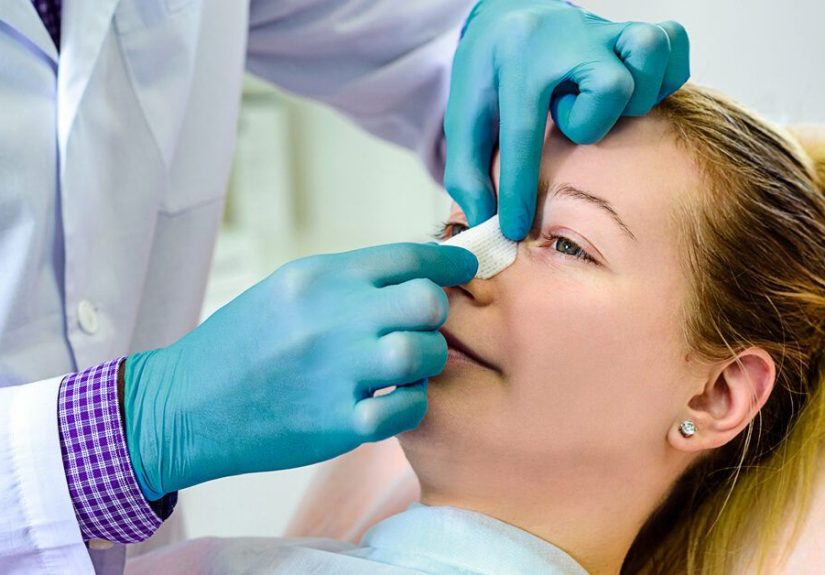
External splints sit on the outside of the nose, usually over tape or dressings. They are often made of plastic, metal, or another firm material. Their main job is to help the nasal bones and soft tissues stay aligned while the nose heals, especially after rhinoplasty or fracture reduction.
Packing versus splints
People often mix up nasal packing and nasal splints, but they are not exactly the same thing. Packing is usually placed to control bleeding or fill space temporarily. A splint is more about support and stabilization. Some patients have both. Others have only one. And some surgeons avoid traditional packing altogether in favor of splints, dissolvable materials, or sutures.
Why Are Nose Splints Used?
Nasal tissues may look small from the outside, but they are surprisingly fussy after surgery. Cartilage, bone, mucosal lining, and skin all need time to settle. A splint helps keep the healing process from turning into a free-for-all.
- After septoplasty: Internal splints may help stabilize the repaired septum, reduce bleeding, and lower the risk of scar tissue forming in the wrong places.
- After rhinoplasty: An external splint helps maintain the new shape and protect the nose while swelling starts to come down.
- After septorhinoplasty: Patients may have both internal and external splints because both function and shape were addressed.
- After a broken nose is reset: Internal and/or external splints may be used to hold tissues in position while the nose heals.
That simple summary is the big picture: splints are there to support structure, control early healing, and make the surgical result more stable during the first critical days.
What Procedures Commonly Involve Nose Splints?
Nose splints are most commonly associated with the following procedures:
Septoplasty
Septoplasty straightens a deviated septum to improve airflow. This operation is focused on function, not cosmetic reshaping, though it may be done at the same time as cosmetic work. When splints are used after septoplasty, they are usually internal and temporary.
Rhinoplasty
Rhinoplasty changes the shape of the nose. It may be performed for cosmetic reasons, breathing problems, or both. External splints are very common after rhinoplasty, and internal splints may also be used when the septum needs support.
Septorhinoplasty
This is the combo meal of nasal surgery: septoplasty plus rhinoplasty. It addresses internal structure and external appearance at the same time. Recovery can involve swelling, bruising, internal splints, and an external splint.
Nasal fracture reduction
If a broken nose is manually realigned or repaired surgically, a splint may help keep everything in place while the tissues calm down and the bones begin to heal.
How Long Do Nose Splints Stay In?
The answer depends on the type of surgery, the surgeon’s technique, and how your nose is healing. In many cases, internal splints stay in for about five to seven days, though some surgeons leave them in for up to one or two weeks. External splints are also commonly worn for about a week after rhinoplasty or fracture repair.
That said, this is not a do-it-yourself timeline. Your surgeon decides when the splint comes out. If your paperwork says one week and your friend’s said ten days, that does not mean anyone is wrong. It means noses, procedures, and surgeons are gloriously unidentical.
What Does It Feel Like to Have a Nose Splint?
In one word: weird.
Most patients do not describe nose splints as sharply painful. Instead, they describe them as uncomfortable, annoying, drying, stuffy, or pressure-filled. Internal splints can make it feel harder to breathe through the nose, even if they have small air channels. External splints can make the nose feel stiff and tender, especially if the bridge was reshaped.
Common sensations include:
- Pressure inside the nose
- Congestion or “I can’t breathe normally” frustration
- Mild dripping or bloody drainage during the first few days
- Crusting around the nostrils
- Swelling, especially in the morning
- Bruising around the nose or eyes if nasal bones were involved
- A nose that feels oddly fragile and strangely important
That last one is not a medical term, but it is emotionally accurate.
What To Expect During the First Week
Day 1 to Day 3
The first few days are usually the most dramatic. Swelling peaks early, and your nose may feel blocked. A small amount of bloody drainage is often expected. You may be tired, puffy, and less enthusiastic than usual about small talk. Breathing through the mouth is common, so dry lips and a dry throat may become your temporary roommates.
Day 3 to Day 7
You may still feel stuffy, but the intense post-op fog often starts to lift. Crusting and dryness may become more noticeable. If you had an external splint, you may start counting down the minutes until removal. Many patients say this is the phase when discomfort is more irritating than painful.
Splint removal day
Patients often imagine splint removal as either a medieval event or a magical instant cure. In reality, it is usually quick, awkward, and very tolerable. Internal splints are often removed in the office. You may feel pressure, a strange sliding sensation, and immediate relief from some of the blockage. External splint removal is usually simpler. That first look in the mirror can be emotional, but remember: your nose is still swollen, and early appearance is not the final result.
How To Care for a Nose Splint
Your surgeon’s instructions always win. Always. Even if the internet says something different. Even if your cousin’s barber’s roommate had “the same surgery.” Your post-op plan is the one that matters.
That said, common care advice often includes:
- Do not blow your nose until your surgeon says it is safe.
- Sneeze with your mouth open to reduce pressure inside the nose.
- Sleep with your head elevated to help with swelling.
- Use saline spray or rinses if instructed to keep crusts and dried blood from building up.
- Keep an external splint dry unless your surgeon tells you otherwise.
- Avoid heavy lifting, strenuous exercise, and straining during early recovery.
- Take medications exactly as prescribed and ask before using aspirin or NSAIDs if your surgeon told you to avoid them.
You should also avoid bumping the nose, wrestling with tight shirts, and forgetting that your face now contains temporary construction materials. Recovery is not the week to prove how tough you are by moving furniture.
Can You Breathe Through Your Nose with Splints In?
Sometimes yes, sometimes not well, and sometimes only enough to stop you from writing angry diary entries.
Some internal splints are hollow and allow limited airflow. Others still leave patients feeling congested because swelling, mucus, dried blood, and general post-op irritation are all competing for space. So even if the splint technically has an airway, your nose may still feel blocked.
This is one of the most important expectations to set before surgery: splints support healing, but they do not always make the first week feel breezy. Nasal breathing often improves after the splints come out and swelling continues to decrease.
What Happens When the Splints Come Out?
Removal is usually done during a follow-up visit. If you have internal splints, the stitch holding them in place is typically cut first. Then the splints are gently removed. You may feel pressure, tugging, tearing of the eyes, or a sudden urge to declare that oxygen is wonderful. That is normal.
After removal, you may notice:
- Better airflow, though not always instantly perfect
- Less pressure inside the nose
- Continued swelling and tenderness
- More crusting as the tissues keep healing
- An external shape that still changes over weeks and months
For rhinoplasty patients, the nose may still look swollen, especially at the tip. Final contour can take months, and sometimes close to a year, to fully refine. Early improvement is nice, but patience is still part of the treatment plan.
Possible Risks and Complications
Nose splints themselves are routine, but they are part of a surgical recovery process that can include complications. These are not common outcomes for most patients, but they are worth knowing about.
- Bleeding that is heavier than expected
- Infection
- Worsening pain instead of steady improvement
- Trouble breathing beyond expected congestion
- Excessive crusting or irritation
- Scar tissue problems inside the nose
- Changes in final cosmetic result or need for revision surgery
Not every bad day means something is wrong. Recovery can be uneven. But symptoms that are severe, sudden, or getting worse deserve a real conversation with your surgical team.
When To Call Your Doctor
Contact your healthcare provider promptly if you have:
- Heavy bleeding that does not stop
- Trouble breathing that feels severe or worsening
- Pain that is not controlled or is getting worse
- Fever, chills, or other signs of infection
- Severe headache, confusion, neck stiffness, or disorientation
- Vision changes, significant swelling around the eyes, or other unusual symptoms
It is always better to be the patient who called “just to be safe” than the patient who tried to tough it out while clearly not being safe.
Nose Splints and Daily Life: Practical Questions
Can you shower?
Usually yes, but you may need to keep an external splint dry. Many surgeons recommend careful bathing rather than letting water hit the nose directly.
Can you work or go to school?
Many people return to non-strenuous work or school within about a week, depending on the procedure and how they feel. If your job involves heavy physical activity, expect a longer pause.
Can you wear glasses?
After rhinoplasty, some surgeons limit glasses for a period of time because pressure on the bridge can affect healing. Ask your surgeon for exact timing.
Can you exercise?
Light walking is often encouraged early, but strenuous workouts, lifting, contact sports, and anything that raises pressure or risks a bump to the nose are usually restricted for longer.
Patient Experiences: What Recovery Often Feels Like
One of the trickiest parts of recovering with nose splints is that the experience is physically small but emotionally loud. The splints are tiny, yet they can dominate your week. Many patients say the first surprise is how stuffy they feel. They expected some discomfort, but they did not expect their nose to feel like it was hosting a tiny traffic jam. Mouth breathing at night can make sleep awkward, and waking up with a dry throat can feel like your bedroom turned into a desert while you were unconscious.
Another common experience is impatience. Patients often assume that once surgery is over, improvement should be obvious right away. But with nasal surgery, the early phase is more like a slow reveal than a dramatic makeover. During the first few days, people may notice pressure, swelling, a little bloody drainage, and the odd sensation that their nose is both numb and hypersensitive at the same time. It is a very specific kind of nonsense, and a surprisingly common one.
By the middle of the first week, many people say the recovery becomes more annoying than painful. The splints may not hurt much, but they constantly remind you they exist. Smiling can feel tight. Laughing too hard may feel like a questionable life choice. Sneezing becomes a strategic operation involving an open mouth, a tissue, and a quick prayer that nothing dramatic happens.
Removal day is often described as one of the most satisfying parts of the process. Patients talk about immediate relief, easier breathing, and the feeling that the “plugged up” stage is finally ending. That said, many are also surprised that breathing is not instantly perfect. The tissues are still swollen, the nose is still healing, and the result still needs time. In other words, splint removal is a milestone, not the finish line.
Emotionally, recovery can swing between relief and overanalysis. Some patients stare in the mirror every few hours wondering whether the swelling on one side is normal, whether the tip looks different, or whether the bridge is too puffy. This is incredibly common. Nasal healing is gradual, and minor day-to-day changes are part of the process. The people who do best are often the ones who follow instructions, go to follow-ups, and resist the urge to judge the final result too soon.
Perhaps the most reassuring shared experience is this: most patients get through the splint phase just fine. It is awkward, yes. It can be inconvenient, absolutely. But it is temporary. Once the splints are out and the swelling starts to settle, people often say the week that felt endless suddenly seems very short in hindsight. Recovery may not be glamorous, but for many patients, it is manageable, predictable, and worth it.
The Bottom Line
Nose splints are temporary supports that play a very practical role after septoplasty, rhinoplasty, septorhinoplasty, and some broken nose repairs. Internal splints help stabilize the septum and reduce early healing problems. External splints help protect the outer shape and support alignment. They are usually worn for about a week, though exact timing varies.
The main things to expect are congestion, pressure, swelling, temporary breathing difficulty, and a growing appreciation for saline spray and follow-up appointments. The good news is that splints are temporary, recovery gets easier, and many people feel meaningful improvement once swelling decreases and the splints come out.
If there is one message worth remembering, it is this: do not judge your nose by day three, do not blow your nose because you feel rebellious, and do not ignore red-flag symptoms. Follow your surgeon’s instructions like they are the owner’s manual for your face. Because, at least for now, they are.