Table of Contents >> Show >> Hide
- What is a random glucose test?
- What counts as a normal random glucose level?
- Why would someone need a random glucose test?
- 1. You have symptoms of high blood sugar
- 2. You have risk factors for type 2 diabetes
- 3. A routine checkup or other lab panel picked up something unexpected
- 4. You need a quick answer during illness or in an urgent care setting
- 5. You already have diabetes and need monitoring
- 6. You have symptoms of low blood sugar
- How doctors interpret a high random glucose result
- What can affect random glucose levels?
- When should you talk to a doctor?
- Bottom line
- Everyday experiences related to random glucose testing
- SEO metadata
Note: This article is for educational purposes only and is not a substitute for medical advice, diagnosis, or treatment.
Random glucose testing sounds a little mysterious, but the idea is refreshingly simple: it measures your blood sugar at whatever moment your blood is drawn. No fasting. No elaborate prep. No staring sadly at toast you are not allowed to eat. It is one of the quickest ways a clinician can get a snapshot of how your body is handling glucose right now.
That snapshot can be incredibly useful. A random glucose test may help explain symptoms like excessive thirst, frequent urination, blurry vision, fatigue, or unexplained weight loss. It can also raise a red flag during a routine checkup, a pharmacy screening, or an urgent care visit. While it is not the only test used to diagnose diabetes, it is often the one that gets the conversation started.
If you have ever looked at a lab result and thought, “Okay, but is this normal or is my pancreas sending me a strongly worded letter?” this guide will walk you through what random glucose testing measures, what normal levels generally look like, and why healthcare professionals order the test in the first place.
What is a random glucose test?
A random glucose test, sometimes called a random blood sugar test or random plasma glucose test, checks the amount of glucose in your blood at the time of testing. Unlike a fasting blood glucose test, you do not need to avoid food for 8 hours beforehand. That makes it convenient in real-world situations, especially when symptoms show up unexpectedly.
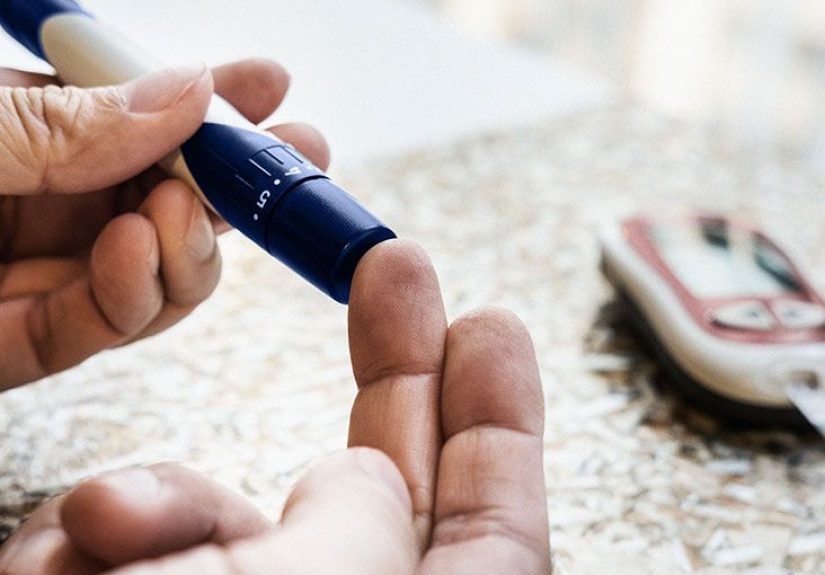
Healthcare providers may order this test in a doctor’s office, urgent care center, emergency department, hospital, or clinical lab. Sometimes it is included in broader blood work, such as a metabolic panel. In other cases, it is ordered because someone has symptoms of high blood sugar, is at risk for diabetes, or has an unexpectedly high reading from a finger-stick test at home, a pharmacy, or a health fair.
The key thing to understand is that random glucose testing is a point-in-time measurement. It tells you what your blood sugar is doing at that moment. It does not show your average glucose over the past few months the way an A1C test does, and it does not give the same standardized information as a fasting glucose or oral glucose tolerance test. Think of it as a snapshot, not the whole photo album.
What counts as a normal random glucose level?
This is where things get a little less tidy than people expect. There is no single “perfect” random glucose number for every person at every hour of the day, because food, stress, illness, medications, and time since your last meal all matter. That is why random glucose is useful, but also a bit more context-dependent than fasting glucose.
In general, many labs consider a random blood glucose level of about 125 to 140 mg/dL or lower to be within a typical reference range, depending on the lab and when you last ate. A value can drift higher after meals, during acute illness, or under stress. That does not automatically mean diabetes, but it may prompt follow-up testing.
| Random glucose result | What it may suggest |
|---|---|
| Below about 125 to 140 mg/dL | Often considered within a common lab reference range for a random reading, though timing of meals matters |
| 140 to 199 mg/dL | Not diagnostic by itself, but may lead to repeat testing, especially if symptoms or risk factors are present |
| 200 mg/dL or higher | Can suggest diabetes, especially when classic symptoms are present |
| Below 70 mg/dL | Considered low blood sugar and may need prompt attention, particularly in people taking diabetes medication |
A very important nuance: random glucose testing is not usually the main test used to diagnose prediabetes. Prediabetes is more commonly identified with an A1C test, fasting plasma glucose, or an oral glucose tolerance test. So if your random number is “a little high,” that may be a signal to investigate further, not a final verdict.
What about mmol/L?
If your lab uses mmol/L instead of mg/dL, here are a few quick conversions:
- 70 mg/dL = 3.9 mmol/L
- 125 mg/dL = 6.9 mmol/L
- 140 mg/dL = 7.8 mmol/L
- 200 mg/dL = 11.1 mmol/L
Why would someone need a random glucose test?
There are several good reasons a clinician may order random glucose testing, and not all of them involve a dramatic movie scene in the ER. Sometimes it is routine. Sometimes it is precautionary. Sometimes it is the body’s way of saying, “Hello, please look into this.”
1. You have symptoms of high blood sugar
One of the biggest reasons for random glucose testing is to evaluate symptoms that may point to diabetes or hyperglycemia. These symptoms often include:
- Frequent urination
- Feeling very thirsty
- Blurred vision
- Fatigue
- Feeling unusually hungry
- Unexplained weight loss
- Slow-healing sores
- Frequent infections
If a person walks into a clinic with those symptoms, waiting for a fasting test the next morning is not always ideal. A random glucose test gives fast information and can help guide the next step.
2. You have risk factors for type 2 diabetes
Even without obvious symptoms, testing may be recommended if you are more likely to develop type 2 diabetes. Risk tends to rise with factors such as:
- Age 35 or older
- Overweight or obesity
- Prediabetes
- Family history of diabetes
- Physical inactivity
- History of gestational diabetes
- High blood pressure or heart disease
For people with these risk factors, a random glucose test may appear during routine blood work or as part of a broader diabetes screening discussion. It may not be the final test used for diagnosis, but it can be the first clue that more formal screening is needed.
3. A routine checkup or other lab panel picked up something unexpected
Not every high glucose result arrives with flashing lights and dramatic music. Sometimes it shows up quietly on a routine comprehensive metabolic panel. If your blood work includes glucose and the number is unexpectedly elevated, your clinician may recommend repeating the test or ordering an A1C or fasting glucose test to get a clearer picture.
This is one reason random glucose testing matters so much: it can catch potential issues before symptoms become impossible to ignore.
4. You need a quick answer during illness or in an urgent care setting
During acute illness, surgery, trauma, or severe stress, glucose levels can rise. In an urgent care or hospital setting, clinicians often need immediate information. Random glucose testing is fast, practical, and helpful when decisions cannot wait for a carefully timed fasting sample.
That said, illness can also temporarily raise blood sugar, so one abnormal result does not always equal a long-term diagnosis. Context matters. Follow-up matters. Your doctor has not secretly joined a mystery novel; they are just trying to sort out whether this is a temporary spike or part of a bigger pattern.
5. You already have diabetes and need monitoring
For people with diagnosed diabetes, random glucose readings can help show whether blood sugar is running too high or too low. A lab-based random glucose test may be used during follow-up visits, but many people also check glucose at home with a glucose meter or continuous glucose monitor.
Monitoring is especially important when medications are being adjusted, when illness affects eating and activity, or when symptoms suggest blood sugar is out of range.
6. You have symptoms of low blood sugar
Random glucose testing is not just about finding high numbers. It can also help detect hypoglycemia, or low blood sugar. This matters most for people taking insulin or certain diabetes medications, but low blood sugar can also happen for other reasons.
Symptoms may include shakiness, sweating, hunger, dizziness, headache, irritability, confusion, or a fast heartbeat. If blood sugar drops low enough, it can affect speech, vision, consciousness, or even cause seizures. In general, a glucose level below 70 mg/dL is considered low and deserves attention.
How doctors interpret a high random glucose result
If a random glucose result comes back at 200 mg/dL or higher, healthcare professionals take that seriously, especially if classic diabetes symptoms are present. In the right clinical setting, that number can support a diagnosis of diabetes.
But doctors do not interpret numbers in a vacuum. They also consider:
- Whether you had symptoms at the time
- What and when you last ate
- Whether you were ill, injured, or under unusual stress
- Whether you take medications that affect glucose, such as steroids
- Whether additional tests confirm the pattern
If the result is elevated but not clearly diagnostic, the next step is often one of these tests:
- A1C: shows average blood sugar over about 2 to 3 months
- Fasting plasma glucose: checks glucose after an overnight fast
- Oral glucose tolerance test: measures how your body handles a glucose drink over time
In other words, random glucose testing is often the opening act, not the full concert.
What can affect random glucose levels?
Because this test is taken at any time, several factors can influence the result:
- A recent meal or snack
- Stress
- Acute illness or infection
- Physical activity
- Certain medicines, including steroids
- Problems involving the pancreas, thyroid, adrenal glands, liver, or kidneys
This is another reason why one random result should be interpreted carefully. A number is data, not destiny.
When should you talk to a doctor?
You should talk to a healthcare professional if you have symptoms of high blood sugar, symptoms of low blood sugar, or an unexpected abnormal glucose result from home testing, a pharmacy screening, or routine blood work. Even if you feel fine, follow-up matters. Type 2 diabetes can develop slowly and may cause few symptoms at first.
Seek urgent care right away if high blood sugar symptoms come with nausea, vomiting, abdominal pain, fruity-smelling breath, trouble breathing, extreme drowsiness, or confusion. Those symptoms can signal diabetic ketoacidosis, which is a medical emergency.
Bottom line
Random glucose testing is simple, fast, and surprisingly useful. It helps clinicians evaluate symptoms, spot possible diabetes, monitor blood sugar problems, and decide whether more testing is needed. The “normal” range is not one-size-fits-all because meal timing matters, but many labs consider a random value under about 125 to 140 mg/dL to be typical. On the other hand, a reading of 200 mg/dL or higher, especially with symptoms, raises strong concern for diabetes, while a level below 70 mg/dL points to low blood sugar.
The smartest way to think about random glucose testing is this: it is not the whole story, but it is often the sentence that makes you turn the page. If you have symptoms, risk factors, or an unexpected result, do not ignore it. Follow up, ask questions, and let the number lead to a clearer answer instead of a late-night search spiral.
Everyday experiences related to random glucose testing
For many people, random glucose testing enters life in a very ordinary way. Someone goes in for an annual checkup, expecting a lecture about sleep and vegetables, and instead gets a call saying their glucose was higher than expected. They may not feel sick at all. That experience is common. Type 2 diabetes and prediabetes can be quiet for a long time, which is why an incidental blood test can be the first sign that something needs attention.
Other people encounter random glucose testing because of symptoms they brushed off for weeks. Maybe they are waking up several times a night to use the bathroom, carrying a water bottle everywhere, or noticing blurry vision by midafternoon. They assume it is stress, age, the weather, bad luck, or the universe being dramatic. Then a quick blood test shows a clearly elevated number, and suddenly those scattered symptoms make sense. For many, that moment feels equal parts scary and relieving: scary because high blood sugar is serious, and relieving because there is finally an explanation.
There is also the urgent-care version of the story. A person shows up for something that seems unrelated, like a stubborn infection, dizziness, or feeling weak after a virus. The clinician orders a random glucose test as part of the workup. Sometimes the result is normal and helps rule something out. Other times it reveals that illness or medication has pushed blood sugar much higher than expected. In that setting, the test is valuable because it offers fast information when decisions need to happen quickly.
People who already live with diabetes often have a different relationship with random glucose numbers. For them, a reading is not just a number but a clue. A higher result might reflect a missed walk, a medication change, a stressful week, poor sleep, or a meal that looked innocent but behaved like a sugar firework. A lower result might happen after exercise, delayed meals, or too much insulin. Over time, many people become skilled at reading these patterns. They learn that glucose is influenced by daily life in ways that are sometimes predictable and sometimes deeply rude.
Another common experience involves pregnancy and postpartum follow-up. While random glucose testing is not the main screening tool for gestational diabetes, people with a history of gestational diabetes often become more aware of blood sugar testing in general. Years later, a random glucose reading during routine care may feel more meaningful because it connects to an earlier chapter of their health history.
Then there is the pharmacy or health-fair moment. Someone tries a quick finger-stick screening on a whim and gets a high number. That can be unsettling, but it is also useful. Those screenings are not the same as a full diagnosis, yet they often push people to follow up with a clinician, get confirmatory testing, and address problems earlier than they otherwise would have.
In real life, random glucose testing is less about one perfect number and more about context, patterns, and timing. The experience may begin with surprise, worry, or annoyance, but it often leads to clarity. And clarity, medically speaking, is a pretty good place to start.