Table of Contents >> Show >> Hide
- What Is Rhubarb Chutney?
- Why This Quick Rhubarb Chutney Works
- Ingredients You’ll Need
- Quick and Easy Rhubarb Chutney Recipe
- How to Know When Rhubarb Chutney Is Done
- Best Ways to Serve Rhubarb Chutney
- Easy Variations
- Storage Tips
- Common Mistakes to Avoid
- What Does Rhubarb Chutney Taste Like?
- Can You Use Frozen Rhubarb?
- Is Rhubarb Chutney Healthy?
- Experience Notes: What I’ve Learned Making Quick Rhubarb Chutney
- Final Thoughts
Rhubarb has a talent for making people look twice. It sits in the produce aisle like celery that went to art school, bright red at one end, green at the other, and aggressively tart enough to wake up a sleepy cheese board from across the room. Most people know rhubarb from pies, crumbles, and strawberry-rhubarb desserts, but this quick and easy rhubarb chutney recipe proves the stalk has a savory side worth applauding.
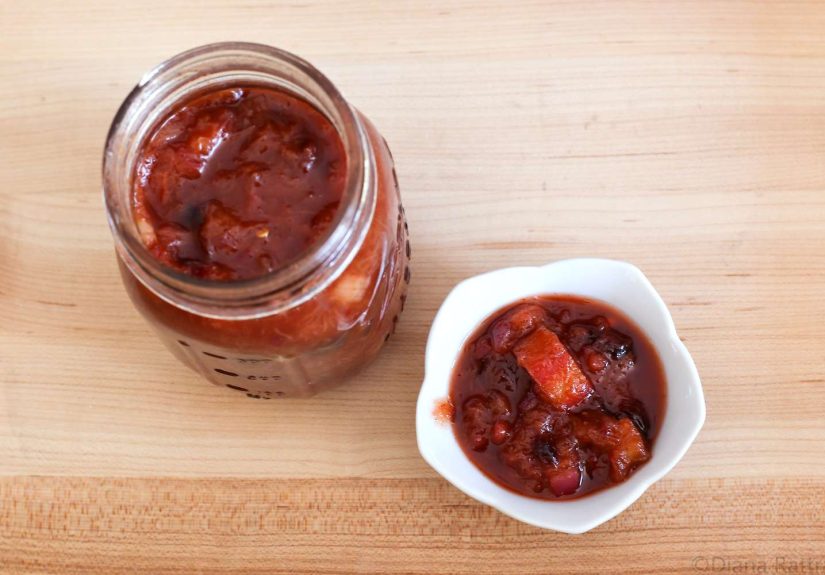
This chutney is sweet, tangy, gently spicy, and ready in about 30 minutes. It does not require complicated canning equipment, a pantry full of mysterious spices, or the emotional stamina of a sourdough starter. You simmer chopped rhubarb with onion, vinegar, sugar, ginger, warm spices, and dried fruit until it becomes glossy, spoonable, and ridiculously good with roasted meats, grilled cheese, crackers, sharp cheddar, turkey sandwiches, or anything that could use a little zing.
Think of rhubarb chutney as the condiment that politely elbows ketchup aside and says, “I’ve got this.” It is bright enough for spring, cozy enough for fall, and useful enough to keep in the refrigerator for quick meals all week.
What Is Rhubarb Chutney?
Rhubarb chutney is a sweet-and-sour condiment made by simmering rhubarb with vinegar, sugar or another sweetener, aromatics, spices, and often dried fruit. The rhubarb softens quickly, releasing its tart juices, while the vinegar sharpens the flavor and the sugar balances the sourness. Onion adds savory depth, ginger adds warmth, and raisins or dried cranberries give little bursts of chewy sweetness.
Unlike jam, which leans mostly sweet, chutney is more complex. It has fruitiness, acidity, spice, and a little savory backbone. That makes it especially good with rich foods. A spoonful of rhubarb chutney can cut through the fattiness of pork chops, brighten roast chicken, dress up a ham sandwich, or turn a simple cheese plate into something that looks planned instead of panic-assembled five minutes before guests arrive.
Why This Quick Rhubarb Chutney Works
The best quick rhubarb chutney recipe needs three things: balance, texture, and speed. Rhubarb cooks fast, which is wonderful if you want a homemade condiment without devoting your afternoon to stirring a bubbling pot like a medieval kitchen apprentice. The trick is to simmer it long enough to thicken but not so long that every ingredient disappears into a mysterious brown paste.
This version uses apple cider vinegar for clean tang, brown sugar for caramel-like depth, red onion for sweetness, fresh ginger for brightness, cinnamon and cloves for warmth, and a pinch of red pepper flakes for gentle heat. Dried cranberries or golden raisins round everything out. The result is a chutney that tastes layered but still fresh.
Ingredients You’ll Need
Fresh Rhubarb
Use firm rhubarb stalks with good color and crisp texture. Red stalks make the chutney prettier, but greenish stalks work too. The flavor can vary from very sharp to gently tart, so taste and adjust sweetness near the end. Always remove and discard the leaves. Rhubarb leaves should not be eaten.
Apple Cider Vinegar
Apple cider vinegar gives chutney its signature tang and helps balance the sweetness. It also supports the classic chutney structure: fruit, acid, sugar, and spices cooked down into a thick condiment.
Brown Sugar
Brown sugar gives the chutney a warm molasses note. If you prefer a lighter flavor, use granulated sugar. If you want a more natural sweetness, replace part of the sugar with maple syrup, but keep in mind that liquid sweeteners can make the chutney slightly looser.
Red Onion
Red onion becomes mellow and jammy as it cooks. It keeps the chutney from tasting like dessert and gives it that savory “please put me on a sandwich” personality.
Fresh Ginger and Garlic
Fresh ginger is highly recommended because it makes the chutney lively. Garlic is optional, but one small clove adds depth without making the final result taste aggressively garlicky.
Warm Spices
Cinnamon, cloves, mustard seeds, and red pepper flakes give this easy rhubarb chutney recipe its classic sweet-spiced character. Use a light hand with cloves. They are small, but they behave like they own the room.
Dried Fruit
Golden raisins, regular raisins, dried cherries, or dried cranberries all work. They plump in the simmering liquid and add chewy sweetness that contrasts beautifully with the tart rhubarb.
Quick and Easy Rhubarb Chutney Recipe
Recipe Snapshot
- Prep time: 10 minutes
- Cook time: 20 minutes
- Total time: 30 minutes
- Yield: About 2 cups
- Best for: Cheese boards, pork, chicken, turkey sandwiches, burgers, grilled cheese, and roasted vegetables
Ingredients
- 3 cups chopped fresh rhubarb, leaves removed
- 1 small red onion, finely chopped
- 1/2 cup apple cider vinegar
- 1/2 cup packed brown sugar
- 1/3 cup golden raisins, dried cranberries, or dried cherries
- 1 tablespoon fresh grated ginger
- 1 small garlic clove, minced
- 1/2 teaspoon yellow mustard seeds
- 1/2 teaspoon ground cinnamon
- 1/8 teaspoon ground cloves
- 1/4 teaspoon red pepper flakes, plus more to taste
- 1/2 teaspoon kosher salt
- 1 teaspoon orange zest or lemon zest, optional
Instructions
- Prepare the rhubarb. Wash the stalks, trim the ends, remove all leaves, and chop the stalks into 1/2-inch pieces.
- Start the flavor base. In a medium saucepan, combine the red onion, apple cider vinegar, brown sugar, dried fruit, ginger, garlic, mustard seeds, cinnamon, cloves, red pepper flakes, and salt.
- Bring to a simmer. Cook over medium heat, stirring until the sugar dissolves and the mixture begins to bubble gently.
- Add the rhubarb. Stir in the chopped rhubarb. Reduce the heat to medium-low and simmer for 15 to 20 minutes, stirring often.
- Check the texture. The chutney is ready when the rhubarb has softened, the dried fruit has plumped, and the liquid has reduced to a glossy, spoonable consistency.
- Finish and adjust. Stir in citrus zest if using. Taste carefully. Add more sugar for sweetness, more vinegar for sharpness, or more red pepper flakes for heat.
- Cool and store. Let the chutney cool, then transfer it to a clean jar. Refrigerate and use within about one week for best quality.
How to Know When Rhubarb Chutney Is Done
Finished chutney should look thick but not dry. When you drag a spoon through the pan, the mixture should briefly part before slowly coming back together. If it looks watery, simmer it a few more minutes. If it looks too thick, stir in a tablespoon of water or orange juice.
Remember that chutney thickens as it cools. Do not cook it until it resembles concrete with fruit in it. A good rhubarb chutney should be loose enough to spoon over meat or spread on bread, but thick enough that it does not slide off a cracker like it has somewhere better to be.
Best Ways to Serve Rhubarb Chutney
With Cheese
Rhubarb chutney loves cheese. Spoon it over goat cheese, cream cheese, Brie, sharp cheddar, blue cheese, or aged Gouda. Add crackers and nuts, and suddenly you have an appetizer that looks expensive but required very little negotiation with your schedule.
With Pork, Chicken, or Turkey
The tartness of rhubarb is excellent with savory meats. Try it with pork tenderloin, roasted chicken, grilled turkey burgers, ham, or leftover holiday turkey. It works especially well anywhere you might normally use cranberry sauce or apple chutney.
On Sandwiches
Spread a thin layer on a turkey sandwich with Swiss cheese, tuck it into grilled cheese, or add it to a ham and cheddar panini. It brings acidity, sweetness, and spice in one spoonful, which is basically condiment efficiency at its finest.
With Vegetables
Do not save chutney only for meat. It is fantastic with roasted sweet potatoes, carrots, cauliflower, and Brussels sprouts. A little spoonful can turn a simple grain bowl into something bright and memorable.
Easy Variations
Spicy Rhubarb Chutney
Add more red pepper flakes, a pinch of cayenne, or a finely chopped fresh chili. This version is excellent with grilled meats and burgers.
Orange-Ginger Rhubarb Chutney
Add orange zest and replace two tablespoons of the vinegar with orange juice. This variation tastes sunny and fresh, especially with chicken or goat cheese.
Apple Rhubarb Chutney
Add one peeled, finely diced tart apple with the rhubarb. Apple softens the sourness and gives the chutney a rounder flavor.
Cranberry Rhubarb Chutney
Use dried cranberries instead of raisins. This version is bright, jewel-toned, and perfect for turkey sandwiches or holiday leftovers.
Rhubarb Date Chutney
Replace the raisins with chopped dates for a deeper, stickier sweetness. Dates work beautifully with curry powder, ginger, and mustard seeds.
Storage Tips
This is a quick refrigerator chutney, not a tested shelf-stable canning recipe. Store it in a clean, covered jar in the refrigerator and use it within about one week for best flavor and quality. Always use a clean spoon when serving to keep the chutney fresh longer.
If you want to preserve rhubarb chutney for pantry storage, use a tested canning recipe from a reliable food preservation source and follow the processing instructions exactly. Home canning is not the place for freestyle jazz. Vinegar levels, jar size, processing time, and ingredient ratios matter for safety.
Common Mistakes to Avoid
Using Rhubarb Leaves
Use only rhubarb stalks. The leaves are not edible and should be discarded. If your rhubarb comes with leaves attached, remove them before washing and chopping the stalks.
Overcooking the Chutney
Rhubarb breaks down quickly. If you cook it too long, the chutney can become muddy and flat. For a better texture, simmer just until the rhubarb softens and the mixture thickens.
Skipping the Salt
Salt may seem minor, but it sharpens the whole chutney. Without it, the condiment can taste sweet and sour but not complete.
Adding Too Much Clove
Clove is powerful. A little gives warmth; too much makes your chutney taste like a holiday candle got involved. Stick with a small pinch or 1/8 teaspoon.
Serving It Too Hot
Warm chutney is fine, but the flavor improves as it cools. If possible, chill it for at least one hour before serving. The spices settle, the sweetness smooths out, and the texture becomes more spreadable.
What Does Rhubarb Chutney Taste Like?
Rhubarb chutney tastes tart first, then sweet, then warm and savory. The vinegar gives it sparkle, the brown sugar gives it body, and the ginger gives it a clean bite. The onion melts into the background, making the chutney more complex without shouting, “Hello, I am onion.”
The best way to describe it is somewhere between cranberry sauce, apple chutney, and a tangy fruit relish. It is familiar enough to be comforting but surprising enough that people ask what is in it. That is when you get to say “rhubarb” and watch someone pretend they knew that was coming.
Can You Use Frozen Rhubarb?
Yes, frozen rhubarb works well in chutney. Add it straight from the freezer or thaw it first and drain excess liquid. Frozen rhubarb may release more water than fresh, so the chutney may need a few extra minutes of simmering to thicken.
This makes rhubarb chutney a smart recipe for preserving the flavor of spring even when rhubarb season is short. Chop and freeze extra stalks in measured portions, then make small-batch chutney whenever your sandwich life starts feeling dull.
Is Rhubarb Chutney Healthy?
Rhubarb itself is naturally tart and low in calories, but chutney includes sugar because rhubarb needs balance. That does not make it a villain; it makes it a condiment. You are usually eating a spoonful or two, not a cereal bowl full of chutney while making direct eye contact with the refrigerator.
To make a lighter version, reduce the brown sugar slightly or use a mix of sugar and maple syrup. Just remember that sweetness is part of what balances the vinegar and rhubarb. Reduce it too much and the chutney may taste harsh rather than bright.
Experience Notes: What I’ve Learned Making Quick Rhubarb Chutney
The first thing you learn when making rhubarb chutney is that rhubarb is dramatic. One minute it is firm and chunky; the next, it has relaxed into a tangy sauce like it just got back from a spa weekend. This is why I prefer adding the rhubarb after the vinegar, sugar, onion, and spices have already started simmering. It gives the onion a head start and keeps the rhubarb from collapsing too early.
Another helpful experience is to chop everything smaller than you think you need. Large chunks of onion can stay a little too assertive in a quick chutney. Finely chopped onion blends into the sauce and gives flavor without making the texture feel uneven. Rhubarb can be chopped slightly larger because it softens so fast, but even then, 1/2-inch pieces are ideal.
When adjusting the flavor, wait until the chutney has cooked down before making big changes. Early in the simmer, the vinegar may smell sharp and the spices may seem loud. After 15 minutes, everything becomes more harmonious. Taste at the end, then decide whether it needs more sugar, salt, or heat. Most batches need only a tiny adjustment.
I have also learned that dried fruit is not optional if you want the chutney to feel generous. Raisins, dried cranberries, or dried cherries soak up the spiced vinegar mixture and become little flavor pockets. Even people who claim they “don’t like raisins” often enjoy them here because they are not dry or dusty. They are plump, sweet, and useful. Basically, they have had a glow-up.
For serving, the most reliable crowd-pleaser is rhubarb chutney over softened goat cheese with crackers. It takes about two minutes to assemble and looks like you have your life together. A close second is a grilled cheese sandwich with sharp cheddar and a thin layer of chutney. The cheese melts, the chutney warms, and suddenly lunch has main-character energy.
My favorite practical tip is to make the chutney a day ahead. It is good right away, but better after resting overnight in the refrigerator. The ginger becomes rounder, the vinegar mellows, and the color deepens. If you are serving it for a gathering, this is excellent news because it means one less thing to cook while guests are arriving and asking where to put their coats.
Finally, do not be afraid to treat this recipe as a template for refrigerator chutney. Keep the rhubarb, vinegar, sweetener, and salt in balance, then adjust the personality. Add orange zest for brightness, mustard seeds for pop, cayenne for heat, diced apple for softness, or dried cherries for a deeper fruit flavor. The recipe is flexible, forgiving, and far more interesting than most store-bought condiments hiding in the fridge door.
Final Thoughts
This quick and easy rhubarb chutney recipe is proof that rhubarb deserves more than dessert duty. With just a saucepan and a handful of pantry ingredients, you can turn tart spring stalks into a bold, glossy condiment that works with cheese, meats, sandwiches, roasted vegetables, and snack boards.
It is fast enough for a weekday, flavorful enough for entertaining, and flexible enough to customize. Sweet, tangy, lightly spicy, and just fancy enough to make crackers feel overdressed, rhubarb chutney is the kind of recipe that quietly becomes a refrigerator staple. Make one batch, and you may start looking at rhubarb less like pie filling and more like your secret weapon.