Table of Contents >> Show >> Hide
- Quick Movie Overview
- Overall Ranking: Is Ouija: Origin of Evil Good?
- Ranking the Best Parts of Ouija: Origin of Evil
- Ranking the Weakest Parts
- Critic Opinions: Why Reviewers Respected It
- Audience Opinions: Why Viewers Are Split
- How It Ranks Against the 2014 Ouija
- Best Scenes Ranked
- Final Opinion: Why Ouija: Origin of Evil Still Works
- Personal Viewing Experience: Watching Ouija: Origin of Evil Like a Horror Fan
- Conclusion
Ouija: Origin of Evil is one of those horror movies that arrived with a very suspicious résumé. A prequel to a not-exactly-beloved board-game horror film? A PG-13 possession story? A franchise built around a toy that has probably ruined more sleepovers than it has solved mysteries? On paper, it sounded like the cinematic equivalent of asking the planchette, “Should I watch this?” and watching it slide slowly toward “Maybe not.”
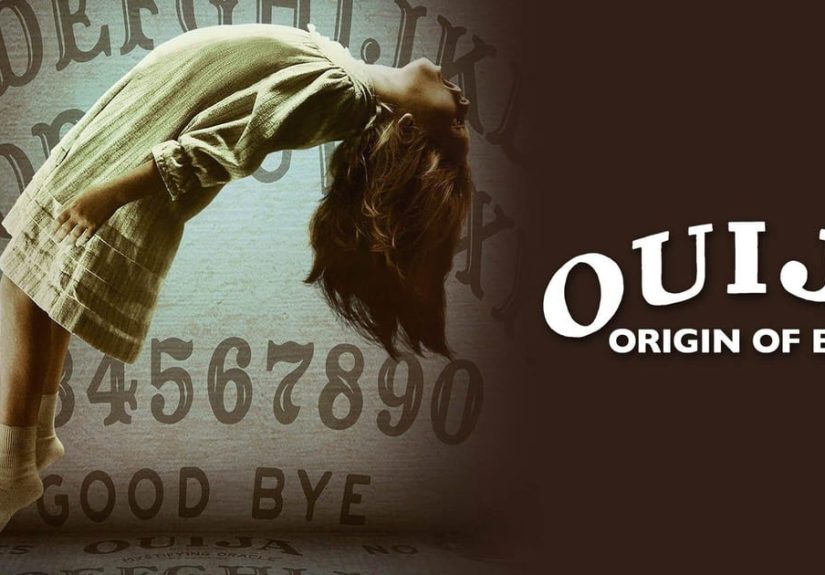
And yet, the movie did something rare: it surprised people. Directed, co-written, and edited by Mike Flanagan, Ouija: Origin of Evil turned a brand-name horror sequel into a moody, emotionally driven supernatural thriller. Instead of simply rattling doors and tossing spooky faces at the screen, it built its scares around grief, family tension, religious dread, and the awful realization that some conversations should never be started.
This article ranks the film’s strongest and weakest elements, breaks down common opinions from critics and audiences, and explains why Ouija: Origin of Evil is still discussed as one of the better horror prequels of the 2010s.
Quick Movie Overview
Released widely in the United States on October 21, 2016, Ouija: Origin of Evil is set in 1967 Los Angeles. The story follows Alice Zander, played by Elizabeth Reaser, a widowed mother who runs a fake séance business from her home with help from her daughters, Lina and Doris. The family’s little operation is dishonest, yes, but not cruel. Alice believes she is giving comfort to grieving people. That moral gray area is one reason the film works better than expected.
Things go from “questionable family business” to “absolutely do not go into the basement” when Alice adds a Ouija board to the act. Young Doris, played by Lulu Wilson, begins communicating with something that claims to be connected to her dead father. Naturally, because this is a horror movie and not a healthy grief counseling session, the spirit is not what it seems.
The film runs 99 minutes, carries a PG-13 rating, and blends haunted-house horror, possession drama, family tragedy, and period-piece atmosphere. Its major cast includes Elizabeth Reaser, Lulu Wilson, Annalise Basso, Henry Thomas, and a franchise-connecting appearance from Lin Shaye.
Overall Ranking: Is Ouija: Origin of Evil Good?
Yes. Not perfect, not revolutionary, and not quite top-tier Mike Flanagan, but definitely good. More importantly, it is far better than a prequel to a weak studio horror movie had any right to be. Among mainstream PG-13 horror films of the 2010s, it stands comfortably above average because it cares about character before chaos.
Here is my overall ranking:
Overall Score: 8.1/10
Best for: fans of atmospheric horror, haunted-house stories, possession movies, Mike Flanagan’s work, and viewers who enjoy scary films with emotional weight.
Not ideal for: viewers who want nonstop jump scares, extreme gore, or a completely original mythology. This movie uses familiar ingredients, but it cooks them better than most.
Ranking the Best Parts of Ouija: Origin of Evil
1. Atmosphere: 9/10
The atmosphere is the movie’s strongest feature. Flanagan gives the film a deliberately old-fashioned texture, using the 1960s setting for more than costumes and wallpaper. The camera moves patiently. The house feels lived in. The séance scenes have a homemade theatricality that makes the supernatural intrusion more disturbing once it becomes real.
There is also a clever contrast between performance and belief. Alice’s fake readings are staged with wires, hidden doors, and small tricks. Then the real spirit world arrives, and suddenly the family’s little magic show becomes the opening act for disaster. It is like ordering a fake ghost for entertainment and receiving the deluxe haunted package by mistake.
2. Lulu Wilson as Doris: 9/10
Lulu Wilson’s performance as Doris is easily one of the film’s biggest talking points. Creepy children in horror can go wrong fast. One minute they are unsettling; the next they look like they are auditioning for a Halloween cereal commercial. Wilson avoids that trap by making Doris feel innocent before she becomes frightening.
Her best scenes are not just the obvious scary ones. The quiet moments, where Doris seems oddly calm or too informed, create the real tension. Her possession feels gradual, which is much scarier than a sudden switch from sweet child to tiny demon manager. The performance gives the film its emotional engine and its sharpest chills.
3. Mike Flanagan’s Direction: 8.8/10
Mike Flanagan is now widely associated with emotional horror, and Ouija: Origin of Evil shows many of the qualities that later became his signature. He treats grief seriously. He lets family dynamics breathe. He understands that dread can come from silence, not just noise.
What makes the direction impressive is the assignment itself. This was not an original prestige horror project. It was a franchise prequel connected to a board game. Still, Flanagan finds a way to make the story feel personal. He turns a commercial horror concept into a movie about a mother trying to survive after loss, a teenager trying to protect her family, and a little girl becoming the doorway for something monstrous.
4. Period Design: 8.5/10
The 1967 setting gives the film personality. The costumes, furniture, school scenes, and old studio-style touches help separate it from the glossy, modern teen-horror look of the 2014 Ouija. It feels like a movie that wants to live in its era rather than simply decorate itself with vintage props.
The retro Universal logo and old-school visual choices are not just cute tricks. They invite viewers into a slightly slower, more classical style of horror storytelling. That patience helps the scares land because the movie is not constantly waving its arms and shouting, “Boo! Please subscribe!”
5. Emotional Stakes: 8.3/10
Many possession films rely on a simple formula: innocent person gets possessed, priest enters, furniture regrets its life choices. Ouija: Origin of Evil adds more emotional context. Alice misses her husband. Doris wants to speak to her father. Lina senses something is wrong but struggles to be heard. Father Tom, played by Henry Thomas, brings a wounded seriousness to the religious side of the story.
The board becomes more than a gimmick. It becomes a symbol of grief’s most dangerous temptation: the desire to reopen a door that should stay closed. That idea gives the movie more weight than its title suggests.
Ranking the Weakest Parts
1. The Third Act Explains Too Much: 6.5/10
The most common criticism is that the movie loses some mystery near the end. Once the backstory becomes clearer, the horror shifts from suggestive dread to more familiar supernatural exposition. For some viewers, that is satisfying. For others, it makes the film less scary because the unknown becomes too known.
Horror often works best when the monster remains partly hidden. Ouija: Origin of Evil occasionally forgets that and starts handing out answers like a substitute teacher distributing worksheets.
2. Familiar Horror Tropes: 7/10
Possessed child? Check. Creepy board? Check. Dark basement? Naturally. Rules that characters immediately break? Absolutely. The movie does not reinvent supernatural horror. It rearranges familiar pieces with confidence.
That is not necessarily a fatal flaw. A haunted-house movie can use old tools if it uses them well. Still, viewers who demand total originality may find the story too recognizable.
3. Audience Reaction Was More Mixed Than Critic Reaction: 7/10
Critics generally responded warmly, especially compared with the first Ouija. Audience reaction was more divided. That gap makes sense. The film is more patient than some mainstream horror fans may expect. If someone walks in wanting a scare every three minutes, the slower first half may feel like waiting for a ghost to finish a long email.
For viewers who enjoy slow-burn horror, the pacing is a feature. For adrenaline-only horror fans, it may feel like a delay.
Critic Opinions: Why Reviewers Respected It
The critical conversation around Ouija: Origin of Evil often comes back to one idea: it is much better than expected. Reviewers praised the film for improving on its predecessor, giving the story stronger characters, and using atmosphere instead of relying only on cheap shocks.
Rotten Tomatoes lists the film with a strong critic score and a consensus that highlights its surprising scariness and dramatic satisfaction. Metacritic places it in generally favorable territory, which is a meaningful achievement for a PG-13 franchise horror prequel. Critics from major entertainment publications also noted Flanagan’s craftsmanship, especially his ability to create mood from grief, period detail, and controlled pacing.
In plain English, critics respected the movie because it behaved like an actual film instead of a product extension. It had a pulse. It had sadness. It had visual intention. It also had a little girl writing creepy messages through a spirit board, which is generally bad news for everyone except horror fans.
Audience Opinions: Why Viewers Are Split
Audience opinions tend to fall into three groups.
The Fans
Fans often praise the film as one of the rare prequels that improves the original. They point to Lulu Wilson’s performance, the 1960s setting, the creepy house, and the emotional family story. Many also appreciate that the film can be watched without deep knowledge of the 2014 movie.
The Casual Viewers
Casual viewers may enjoy it but not necessarily call it unforgettable. For them, the film is solid Halloween viewing: spooky, polished, and easy to recommend, but not the scariest movie ever made. That is a fair opinion. Not every horror film needs to rearrange your nervous system.
The Skeptics
Skeptics usually criticize the pacing, the familiar possession elements, or the third act. Some feel the movie builds a better setup than payoff. Others dislike the PG-13 limitations, wanting something darker or more brutal. These criticisms are understandable, even if they do not erase the film’s strengths.
How It Ranks Against the 2014 Ouija
This is the easiest ranking in the article: Ouija: Origin of Evil is significantly better than Ouija from 2014. The first film is often remembered as generic, thinly characterized, and too dependent on predictable scares. The prequel, by contrast, has stronger direction, better performances, richer atmosphere, and a clearer emotional core.
The improvement is so dramatic that the two films almost feel like they belong to different franchises. The 2014 movie feels like someone asked, “Can we make a horror film out of a board game?” The 2016 prequel feels like someone asked, “Can we make a sad, stylish possession drama that happens to involve a board game?” That second question is much more interesting.
Best Scenes Ranked
1. Doris Using the Board Alone
This scene works because it turns a simple rule into suspense. Everyone knows characters should not use the board alone, and watching Doris do exactly that creates instant dread. It is quiet, eerie, and central to the film’s slow corruption.
2. The Family Séance
The family séance is powerful because Alice wants so badly to believe she has contacted her husband. The emotional need makes the supernatural danger more believable. Grief lowers everyone’s defenses.
3. Doris at School
The school scenes are unsettling because horror invades a normal child’s environment. Doris does not need a dark room to be scary. She can make a classroom feel unsafe, which is a very rude thing to do to education.
4. Father Tom’s Investigation
Henry Thomas brings a grounded presence to the film. His character helps shift the story from haunted-house mystery to spiritual threat, and his scenes add adult seriousness without draining the movie’s momentum.
Final Opinion: Why Ouija: Origin of Evil Still Works
Ouija: Origin of Evil works because it understands that horror is not just about making viewers jump. It is about making them care before the jump happens. The film gives us a family in financial and emotional trouble, then lets supernatural evil exploit their pain. That is far more compelling than simply saying, “Here is a board. Here is a demon. Good luck.”
The movie also benefits from arriving with low expectations. Nobody expected greatness from a Ouija prequel. That gave Flanagan room to surprise people. The result is a polished, spooky, emotionally sincere horror film that remains one of the better examples of how a weak franchise can be rescued by strong filmmaking.
Is it flawless? No. The third act gets busy, some imagery is familiar, and the mythology is not as elegant as the setup. But as a horror experience, it is atmospheric, well-acted, and far more memorable than its premise suggests. The planchette points to “YES” on this one.
Personal Viewing Experience: Watching Ouija: Origin of Evil Like a Horror Fan
Watching Ouija: Origin of Evil is a funny experience because the title almost dares you to underestimate it. Before pressing play, you may expect something disposable: a few jump scares, a creepy child, a board sliding around like it has unpaid rent, and maybe a final scene designed to connect everything to the first movie. But the film gradually wins you over by behaving with more patience than expected.
The best way to watch it is at night, preferably with the lights low but not completely off unless you enjoy turning every jacket on a chair into a demonic silhouette. The opening scenes pull you into the Zander home gently. Alice’s fake séance business is strange, but it is also oddly charming. You can see the wires behind the act, both literally and emotionally. This family is not evil. They are wounded, broke, and trying to survive. That makes the horror feel less like punishment and more like tragedy.
As the story unfolds, the most effective feeling is not shock but discomfort. Doris changes slowly. At first, she simply seems connected to something beyond normal understanding. Then her calmness becomes too calm. Her knowledge becomes too specific. Her sweet face starts to feel like a mask. That slow transformation is what makes the movie linger after it ends.
One of the most relatable reactions while watching is frustration with the adults. You may find yourself thinking, “Please stop using the obviously haunted board.” But the film makes their mistakes understandable. Alice wants to believe. She wants proof that death has not completely taken her husband away. That emotional vulnerability is the real door the spirit walks through. The board is just the handle.
The movie is also enjoyable as a Mike Flanagan early-career checkpoint. If you have seen his later work, you can spot the themes forming: grief, family trauma, faith, guilt, and the way the dead remain emotionally present even when they are physically gone. Ouija: Origin of Evil is not as rich as his best projects, but it clearly belongs to the same creative universe of feeling-first horror.
By the end, the film may not terrify every viewer, but it earns respect. It takes a silly-sounding assignment and turns it into a real movie with mood, sadness, and style. That is why many horror fans still recommend it. It is not just “good for a prequel” or “good for a board-game movie.” It is good because it understands the most dangerous question on any Ouija board is not “Who are you?” It is “What do I want badly enough to believe?”
Conclusion
Ouija: Origin of Evil deserves its reputation as a surprisingly strong horror prequel. It ranks high for atmosphere, performances, emotional storytelling, and direction, even if it loses some mystery in the final act. For viewers searching for a stylish supernatural horror movie with more heart than expected, this is absolutely worth watching.
The film is especially impressive because it transforms a weak franchise setup into a thoughtful horror story about grief and deception. It proves that a familiar concept can still feel fresh when handled by a filmmaker who cares about mood, character, and suspense. In the grand ranking of horror prequels, Ouija: Origin of Evil may not sit at the very top, but it is comfortably in the “pleasantly creepy surprise” categoryand that is a category every horror fan should appreciate.
Note: This HTML article is written for web publishing, with no embedded source links or citation placeholders inside the body content.