Table of Contents >> Show >> Hide
- What Are Wax Records, Really?
- How a Piezo Pickup Changes the Digitizing Game
- Why Piezo Works So Well for Mechanical Sound
- Piezo Pickup vs. Microphone Recording
- What the Digitizing Workflow Looks Like
- Preservation Lessons From Archives
- Common Audio Problems and How to Think About Them
- Why This Matters for Collectors and History Lovers
- Practical Experience: What It Feels Like to Digitize Wax Records With a Piezo Pickup
- Conclusion
Digitizing wax records sounds like the kind of job that should require a museum basement, white gloves, and a machine with more knobs than a spaceship. In many cases, especially when a cylinder is rare, cracked, moldy, or culturally significant, that is absolutely true. But for collectors, tinkerers, educators, and audio-history fans working with playable cylinders, a surprisingly humble component can make the process far more approachable: a piezo pickup.
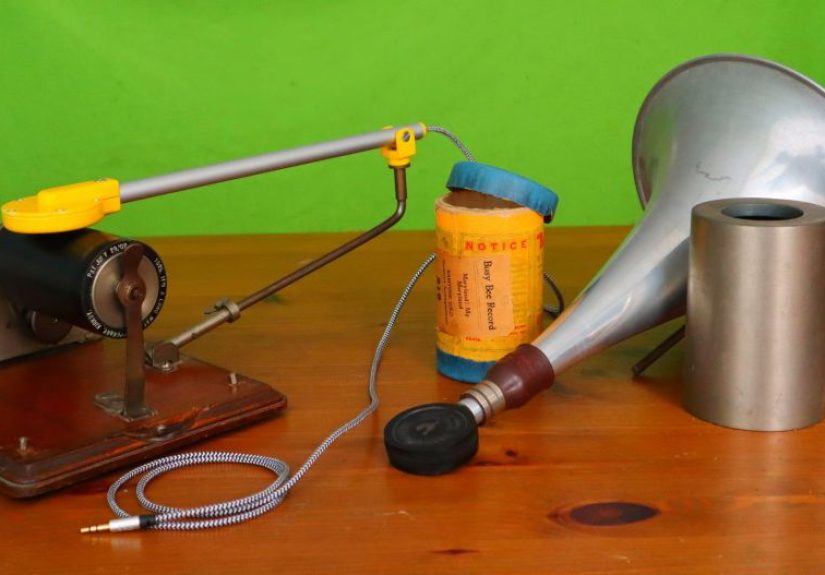
A piezo pickup is the same basic idea found in many contact microphones and acoustic instrument pickups. Instead of waiting for a big horn to push sound into the air, the piezo element converts mechanical vibration directly into an electrical signal. When adapted carefully to a cylinder phonograph reproducer, it can turn the motion of the stylus into audio that can be sent to a computer, recorded in software, cleaned up, and saved as a digital file. In other words, it lets yesterday’s grooves talk to today’s hard drives.
The charm of this idea is not just that it works. It is that it sits at the intersection of antique sound recording, DIY electronics, and digital preservation. A wax cylinder may carry a comic monologue, a parlor song, a spoken message, a field recording, or a family voice that has not been heard in generations. A small piezo disc, a careful mount, and some patient audio work can help bring that sound back without needing to place a microphone in front of a horn and hope the room stays quiet.
What Are Wax Records, Really?
When people say “wax records,” they often mean phonograph cylinders, one of the earliest commercial formats for recorded sound. Thomas Edison demonstrated the phonograph in 1877, first using tinfoil as a recording surface. Later developments led to wax cylinders, which became a practical medium for recording and playing sound in the late 19th and early 20th centuries. Unlike flat disc records, cylinders store audio in a helical groove wrapped around the outside of a tube.
During recording, sound vibrations moved a diaphragm and cutting stylus, carving a groove into the cylinder surface. During playback, a stylus followed the groove and moved a diaphragm again, reproducing the sound acoustically through a horn. It was elegant, mechanical, and wonderfully dramatic. It was also fragile. Brown wax cylinders are especially delicate, and even later cylinder formats can suffer from wear, cracking, surface contamination, and groove damage.
That fragility is why digitization matters. Every playback can introduce some risk, especially if the equipment is not properly adjusted. Professional archives often rely on specialized machines such as the Archeophone or non-contact optical systems like IRENE, which can recover sound by imaging groove structures rather than dragging a stylus through them. But not every collection has access to that level of equipment. The piezo pickup approach offers a smaller-scale, lower-cost route for cylinders that are stable enough to be played.
How a Piezo Pickup Changes the Digitizing Game
A traditional phonograph depends on acoustic amplification. The stylus vibrates a diaphragm, the diaphragm moves air, and the horn makes that air movement loud enough to hear. If you want to digitize the result with a microphone, you usually put the mic near the horn. That can work, but it records everything: the cylinder, the motor, the room, footsteps, computer fans, chair squeaks, and the collector whispering “please don’t skip” like a nervous stage parent.
A piezo pickup takes a more direct route. A piezoelectric element generates voltage when it flexes. If it is mechanically coupled to the reproducer or stylus assembly, it can capture the vibration created by the groove. The signal can then be routed to a computer’s line input, an audio interface, or a recorder. The result is not magic; it still needs cleanup, equalization, speed correction, and careful listening. But it can produce a cleaner transfer than a casual horn-and-microphone setup because it reduces the amount of environmental noise entering the recording.
One widely discussed DIY example uses a small piezo element, similar to the type found in electronic greeting cards, mounted into a phonograph reproducer. The build uses damping and potting materials to manage vibration and stabilize the element. Because piezo elements can produce a surprisingly strong signal, a shunt resistor may be used to tame the output before feeding it into a computer audio input. From there, software such as Audacity can record the signal, trim the file, reduce noise, and export a digital version.
Why Piezo Works So Well for Mechanical Sound
The secret is matching the pickup to the job. Wax cylinders do not need a modern magnetic cartridge designed for stereo vinyl. They need a way to translate tiny mechanical movements into a usable electrical signal. A piezo disc is naturally sensitive to vibration, inexpensive, small, and simple to wire. That makes it attractive for experimental phonograph transfers.
Piezo pickups also have a strong output compared with many passive sources. This can be useful because the signal may not require a complex preamp. However, strong output is not automatically good output. Too much signal can overload an input, producing harsh distortion. The mechanical mount matters too. If the pickup is too rigid, it may emphasize harshness. If it is too loose, it may lose detail or cause tracking problems. Damping material can help smooth the response and reduce unwanted resonance.
This is where the project becomes more craft than plug-and-play. The goal is not just to hear something; it is to hear the cylinder with as little added trouble as possible. Good results come from stable cylinder rotation, correct stylus contact, careful tracking, sensible input levels, and restrained digital restoration. Audio preservation is not a contest to remove every hiss until the singer sounds like they are trapped under a pillow. The noise is part of the historical object; the job is to make the content clearer without erasing its character.
Piezo Pickup vs. Microphone Recording
Microphone Method
The microphone method is simple and historically charming. Place a microphone near the horn, start the phonograph, and record. It captures the complete acoustic performance of the machine, including the horn’s tone and room ambience. For demonstrations, videos, or casual listening, that may be exactly what you want.
The downside is control. Horn recordings can pick up background sound, room reflections, motor noise, and uneven volume. If the room is lively, the transfer may sound boxy. If the microphone is too close, it may exaggerate certain frequencies. If it is too far away, the recording may become thin and noisy. The method is easy, but consistency can be difficult.
Piezo Pickup Method
The piezo pickup method is more direct. It captures vibration closer to the source, which can improve clarity and reduce room noise. It also makes it easier to repeat transfers with similar settings. For people digitizing multiple cylinders, that repeatability is valuable.
The tradeoff is that the sound may be less “romantic” than a horn recording. It can be brighter, drier, or more mechanical. That is not necessarily a flaw. A clean transfer gives the editor more room to shape the sound afterward. The piezo version can always be equalized to feel warmer, but a noisy room recording cannot easily be made clean without artifacts.
What the Digitizing Workflow Looks Like
A practical piezo-based workflow starts with inspection. A cylinder should be checked for cracks, serious surface damage, mold, warping, or loose material before playback. If the cylinder looks unstable, do not experiment on it. Rare or culturally important recordings deserve professional preservation support.
For a stable cylinder, the phonograph or cylinder player must be mechanically sound. Speed should be steady, the mandrel should hold the cylinder properly, and the reproducer should track smoothly. The piezo pickup should be mounted so it captures stylus vibration without adding excess weight or stress. This point is crucial. Digitization is not successful if the transfer sounds good but the record suffers unnecessary wear.
Once the signal reaches the computer, recording levels should be set conservatively. Peaks should not clip. A 24-bit recording can provide enough headroom to avoid pushing the input too hot. After recording, the file can be edited: remove empty lead-in time, correct speed if needed, reduce hum or broadband noise gently, and export both a preservation master and a smaller access copy. A WAV file is a sensible archival master format, while MP3 or AAC may be used for web listening.
Preservation Lessons From Archives
Large institutions have spent years solving the problem of old sound. The UCSB Cylinder Audio Archive, for example, has made thousands of cylinder recordings accessible online, giving listeners a direct window into early recorded music, comedy, speeches, and spoken-word material. The Library of Congress and National Park Service also preserve major collections connected to early sound recording history. These projects remind us that wax cylinders are not just curiosities; they are cultural documents.
Professional preservation tools can be far more advanced than a DIY piezo pickup. The Archeophone is a specialized modern cylinder playback machine designed for archival transfer. IRENE, developed for fragile audio preservation, uses optical imaging to read groove structures without normal stylus playback. That is especially important for damaged, delicate, or unique recordings where contact playback could cause harm.
So where does the piezo pickup fit? It belongs in the practical middle. It is not a replacement for optical preservation. It is not the best choice for a one-of-a-kind field recording that may be sacred, culturally sensitive, or irreplaceable. But it can be an excellent tool for hobbyists and smaller collections that want better transfers than a phone recording pointed at a horn. Used responsibly, it can help more people hear and study old recordings before time, chemistry, and bad storage take their toll.
Common Audio Problems and How to Think About Them
Skipped Grooves
Skipped grooves are common with worn or damaged cylinders. A skip can happen because of groove damage, tracking issues, surface debris, or a mechanical problem in the player. The fix is not simply to add more pressure. More pressure may make the stylus stay in the groove, but it can also increase wear. The smarter approach is to inspect the cylinder, check alignment, and make sure the reproducer moves freely.
Harsh or Thin Sound
Piezo pickups can sound bright. That brightness may reveal detail, but it can also exaggerate scratch and surface noise. Gentle equalization can help. A little low-mid warmth and careful high-frequency reduction may make speech and music easier to hear. The key word is “gentle.” Heavy processing can turn a historical recording into audio soup.
Hum and Electrical Noise
Because piezo elements and long cables can be sensitive, wiring and grounding matter. Keep cables short, avoid running audio lines next to power supplies, and use a decent audio interface when possible. If hum appears, identify the source before applying noise reduction. Fixing the recording chain is better than repairing every file afterward.
Speed Problems
Early cylinders were not always standardized the way modern listeners expect. Some may need speed adjustment after transfer. Music can be corrected by pitch and tempo clues; spoken-word recordings may require comparison with natural voice range and historical notes. The goal is not mathematical perfection at all costs, but a believable playback that respects the source.
Why This Matters for Collectors and History Lovers
Wax cylinders make history feel oddly close. A printed document tells you what someone wrote. A photograph shows you how someone looked. A cylinder can let you hear breath, timing, accent, laughter, musical phrasing, and the strange intimacy of a voice crossing more than a century. That is why digitization is more than a technical chore. It is a rescue mission for sound.
A piezo pickup makes this rescue more accessible. It lowers the barrier for careful collectors who want to document their holdings. It helps educators demonstrate early sound technology without relying only on museum-grade equipment. It gives audio hobbyists a meaningful project that is more rewarding than organizing a drawer of mystery cables, though that drawer still deserves justice someday.
It also encourages a healthy respect for old media. Once you hear the crackle, wobble, and ghostly presence of a cylinder transfer, you understand that recorded sound was never guaranteed to survive. Someone had to save the object. Someone had to build the machine. Someone had to digitize it. And someone had to care enough to listen.
Practical Experience: What It Feels Like to Digitize Wax Records With a Piezo Pickup
The first surprise is how physical the whole process feels. Modern audio work often begins with a drag-and-drop file. Wax cylinder digitization begins with an object that feels like it belongs to another century because it does. You do not slam it on a turntable like a thrift-store LP. You slow down. You look at the surface. You check the box. You notice whether the cylinder has chips, cracks, mold spots, or a shiny worn path where a stylus has traveled before. The experience immediately teaches patience.
Mounting a piezo pickup also teaches humility. On paper, the circuit may look almost laughably simple: a piezo element, wires, perhaps a resistor, and an input. In practice, the difference between “thin mosquito orchestra” and “surprisingly listenable historical audio” can come down to small mechanical details. A little damping changes the tone. A slightly different mounting angle changes the sensitivity. A cable that seemed harmless may add noise. The antique machine and the modern computer have to negotiate like two relatives at a family dinner who technically love each other but disagree about everything.
When the first transfer works, though, the feeling is unforgettable. The waveform appears on screen, and suddenly the cylinder is not just a brown or black tube in a box. It is a performance. A voice emerges from hiss. A band pushes through the crackle. A comic routine lands a joke from an era when jokes apparently wore suspenders. Even if the sound is rough, the moment feels alive.
The editing stage is where restraint becomes important. Beginners often want to remove every bit of noise. That is understandable; we are used to clean digital audio. But old recordings need room to breathe. If you crush the noise too aggressively, you may remove the air around the voice, dull the consonants, or create watery digital artifacts. A better experience comes from making small improvements: reduce obvious hum, trim distractions, balance the tone, and leave enough surface texture to remind listeners they are hearing an artifact, not a studio remake.
Another practical lesson is documentation. Each transfer should include notes: cylinder title, catalog number if available, playback speed, equipment used, pickup configuration, recording format, date of transfer, and any problems observed. These details may feel boring until you revisit the files six months later and wonder why one version sounds warmer than another. Good notes are future-you’s favorite gift.
Finally, digitizing wax records with a piezo pickup changes how you listen. You become more aware of mechanical sound, historical distance, and the tiny engineering miracles behind recorded audio. The project may start as a clever hack, but it ends as a reminder that preservation is not only for institutions. With care, honesty, and respect for fragile objects, even a small DIY setup can help old voices find new ears.
Conclusion
A piezo pickup does not make wax cylinder digitization effortless, but it does make it more approachable. By converting mechanical groove vibration directly into an electrical signal, it offers a cleaner alternative to recording a phonograph horn with a microphone. It is affordable, compact, and surprisingly capable when mounted carefully and paired with sensible audio software.
The best way to think about this technique is as a bridge. On one side is the acoustic world of horns, diaphragms, spring motors, and wax grooves. On the other side is the digital world of waveforms, restoration tools, metadata, and online archives. The piezo pickup sits in the middle, helping fragile old sound cross into a format that can be copied, studied, shared, and preserved.
For common, stable, playable cylinders, a piezo pickup can be a practical and rewarding tool. For rare, damaged, or culturally significant recordings, professional preservation remains the safer path. Either way, the goal is the same: keep the voices, music, and moments inside these early recordings from disappearing into silence. After all, if a tiny piezo disc can help a century-old cylinder sing again, that is not just a hack. That is time travel with wires.