Table of Contents >> Show >> Hide
- What Are Perennials (and Why They’re Not Immortal)
- The Perennial Superpower: Coming Back (and What It Costs)
- Know Your Zone, Know Your Drama
- Choosing Perennials Like a Pro (Without Becoming One)
- A Shortlist of Reliable Perennials (By Situation)
- Planting Perennials: Set the Stage
- Care & Maintenance: The Low-Drama Routine
- Watering: The First Year Is the Dealbreaker
- Mulching: Yes, but Don’t “Mulch Volcano” Your Plants
- Feeding: Compost First, Fertilizer Second
- Deadheading and Staking: Small Effort, Big Payoff
- Dividing: The Secret to “Free Plants” (and Better Blooms)
- Cutting Back: Fall vs. Spring Isn’t a Religion (But People Act Like It)
- Winterizing: Protect the Crown, Watch for Frost Heave
- Common Perennial Mistakes (and How to Avoid Them)
- A Sample “Three-Season” Perennial Border Plan (Easy Mode)
- Conclusion: Perennials Make You a Patient Optimist
- Field Notes: of Real Perennial Experience
If you’ve ever planted something, watered it like a responsible adult for two weeks, then forgot it existed until it somehow came back next year like an ex with “hey stranger 👋”… congratulations. You’ve met perennials.
Perennials are the backbone of many American gardens because they return year after year, building a fuller, more established look over time. But they’re not magical. They’re strategic. And if you understand how they live (and what makes them dramatically flop), you can build a perennial garden that gets better every season instead of turning into an annual “why is this happening to me” support group.
What Are Perennials (and Why They’re Not Immortal)
A perennial plant is one that lives for two or more years. Most gardeners use “perennials” to mean herbaceous perennialsplants that die back to the ground in winter and regrow from their crown, roots, bulbs, rhizomes, or other underground storage parts in spring. Woody plants like trees and shrubs are also perennials (they live for years), but in everyday garden talk, “perennials” usually means the non-woody crowd.
Quick life-cycle cheat sheet:
- Annuals sprint: grow, flower, seed, and die in one season.
- Biennials take two years: leaves/roots year one, flowers/seeds year two, then done.
- Perennials commit: they come back for multiple seasonssometimes a few years, sometimes decades.
One more term you’ll hear: tender perennial. That’s a plant that behaves like a perennial in warm climates but can’t survive a cold winter, so gardeners in colder zones grow it like an annual (hello, many salvias, lantana, and “I swear it was labeled perennial” purchases).
The Perennial Superpower: Coming Back (and What It Costs)
Perennials “pay rent” by investing in survival structuresstronger root systems, crowns, bulbs, and rhizomes. This is why many perennials are famously underwhelming in year one and then look amazing in year two and three. Gardeners call it the classic: sleep, creep, leap.
The trade-off is that perennials aren’t truly “plant-and-forget.” They still need the basics: the right light, decent soil, water while establishing, and occasional maintenance (dividing, deadheading, cutting back). Think of them less as houseguests and more as long-term roommates: mostly great, occasionally needy, always opinionated.
Know Your Zone, Know Your Drama
In the U.S., perennial success starts with the USDA Plant Hardiness Zone Map. Zones are based on the average annual extreme minimum winter temperature for an area. In plain English: it’s a guide for what can survive your coldest winter nights.
Two important realities:
- Zones are a guide, not a guarantee. They’re based on averages, not the coldest ever.
- Microclimates matter. A sheltered south-facing wall, a windy hilltop, wet clay soil, or an urban heat island can change outcomes even inside the same zip code.
Use the zone as your first filter, then refine by your yard’s conditions. If you want low drama, match the plant to the place. If you want high drama, ignore tags and plant like you’re auditioning for a gardening reality show.
Choosing Perennials Like a Pro (Without Becoming One)
Right Plant, Right Place: Light, Soil, and Moisture
Most perennial problems are not “bad plants.” They’re bad matches. Start with three questions:
- How much sun? “Full sun” generally means about 6+ hours of direct sun. Part sun/part shade usually means 3–6 hours (often morning sun is gentler than late-day sun).
- How does your soil drain? Many perennials hate “wet feet.” If water sits after rain, you may need compost, better grading, or raised beds.
- How wet or dry is the site? Match plants to reality. “Drought-tolerant” is not code for “never water, ever.” It usually means “once established, they can handle less.”
Design for the Whole Season, Not Just Peak Bloom Week
Great perennial garden design is basically thoughtful scheduling. Pick plants with staggered bloom times, plus strong foliage so the garden looks good even when nothing is flowering. A classic approach:
- Spring: bulbs + early bloomers (hellebores, creeping phlox, bleeding heart in some regions)
- Summer: coneflower, salvia, daylily, black-eyed Susan
- Fall: asters, sedum, ornamental grasses
Native Perennials: Better for Wildlife, Often Easier for You
Native perennials can support pollinators and local ecosystems, and they’re often well-adapted to regional weather swings. Look for native plant lists from your state university extension or local native plant society. Bonus points if you build a “succession” of blooms so pollinators have food from spring through fall.
A Shortlist of Reliable Perennials (By Situation)
Here are broadly popular, commonly available choices that many U.S. gardeners succeed withalways check your zone and local conditions.
Full-Sun Workhorses
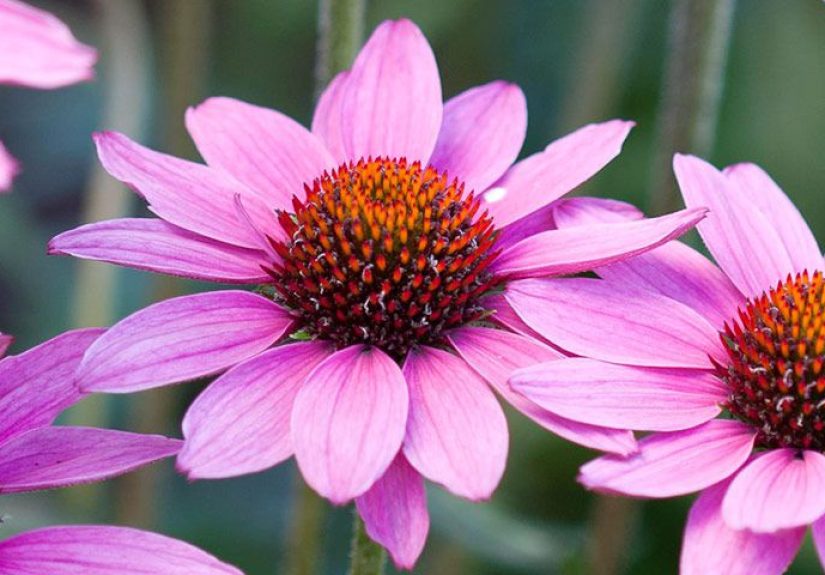
- Purple coneflower (Echinacea) tough, pollinator-friendly, great seed heads for birds
- Black-eyed Susan (Rudbeckia) bright, easy, often blooms for weeks
- Salvia long bloom, loved by bees, many hardy varieties
- Catmint (Nepeta) soft purple-blue haze, drought-tolerant once established
- Yarrow (Achillea) heat tolerant, flat-topped blooms, great for borders
- Sedum / stonecrop thrives on “benign neglect,” especially in well-drained soil
- Daylily (Hemerocallis) famously forgiving; just give it room
Shade Favorites (Because Not Everyone Has a Sunny Meadow)
- Hosta foliage superstar; protect from slugs and deer where relevant
- Heuchera (coral bells) colorful leaves; great edging plant
- Astilbe feathery blooms; appreciates consistent moisture
- Ferns texture and toughness in shade
- Hellebore early blooms, evergreen-ish in milder climates
Drought-Tolerant Picks (Once Established)
- Lavender wants sun and drainage; hates soggy soil
- Russian sage (Salvia yangii) airy, long bloom, heat tolerant
- Ornamental grasses structure, movement, and winter interest
- Yarrow and sedum reliable in leaner soils
Pollinator Magnets
- Milkweed (Asclepias) host plant for monarch caterpillars
- Bee balm (Monarda) hummingbirds love it; good airflow helps reduce mildew
- Blazing star (Liatris) vertical purple blooms; butterflies approve
- Asters late-season nectar when pollinators need it most
Planting Perennials: Set the Stage
When to Plant
In many regions, spring and early fall are ideal. Fall planting can be fantastic because the soil is still warm, roots can establish, and the plant isn’t trying to flower and survive heat at the same time. Spring planting is also greatjust be ready to water through summer.
Soil Prep That Actually Pays Off
If there’s one “do it once, benefit for years” move, it’s improving soil structure. A common recommendation for new beds is adding a few inches of compost and incorporating it into the top layer of soil. Good soil drains well, holds moisture without staying soggy, and supports healthier rootswhich is basically what perennials live for.
Spacing: The Most Ignored Instruction Ever Printed
Perennials expand. That’s part of their charm and also the reason your “cute little baby plant” becomes a “why is it eating my walkway” situation. Space based on mature size. Better airflow reduces disease, and proper spacing reduces competition for water and nutrients.
Care & Maintenance: The Low-Drama Routine
Watering: The First Year Is the Dealbreaker
Most perennials fail not because they’re weak, but because they never established deep roots. Water thoroughly at planting, then keep the root zone consistently moist (not swampy) as the plant settles in. A good habit: water slow and deep, aimed at the base, so roots are encouraged to grow downward. Soaker hoses and drip irrigation are perennial garden cheat codes.
Mulching: Yes, but Don’t “Mulch Volcano” Your Plants
Mulch helps conserve water, moderate soil temperature, and reduce weeds. In perennial beds, a common approach is a couple inches of mulchbut keep it pulled back from the crown (the base where new growth emerges). Smothering crowns can invite rot and make it harder for shoots to push up.
Feeding: Compost First, Fertilizer Second
Perennials generally don’t need heavy feeding. Many gardens do best with annual compost topdressing and a modest fertilizer application in spring if needed. Overdoing nitrogen can create lush leafy growth with fewer flowersand can even make plants more attractive to certain pests. If you want to be a true garden genius, do a soil test and fertilize based on actual needs, not vibes.
Deadheading and Staking: Small Effort, Big Payoff
Deadheading (removing spent flowers) often extends bloom time, keeps plants tidy, and reduces self-seeding if that’s not your thing. Tall perennials may need supportstaking early is far less obvious than trying to prop up a flopped plant mid-bloom like it just fainted at a wedding.
Dividing: The Secret to “Free Plants” (and Better Blooms)
Many perennials benefit from division every few yearsespecially those that form clumps (think hosta, daylily, ornamental grasses, some asters). Division can rejuvenate growth, improve flowering, and keep plants from crowding themselves out. A classic tip: divide on a cool, cloudy day and water well so transplants don’t dry out.
Cutting Back: Fall vs. Spring Isn’t a Religion (But People Act Like It)
Some gardeners cut everything back in fall. Others leave stems and seed heads for winter interest and wildlife habitat, then cut back in spring before new shoots appear. Both approaches can work. The practical rule: remove diseased foliage promptly, and don’t bury crowns in wet debris. For many perennials, leaving tops over winter is perfectly fine.
Winterizing: Protect the Crown, Watch for Frost Heave
In colder climates, mulch can protect roots after the ground begins to freeze. During freeze-thaw cycles, some shallow-rooted perennials can get pushed upward (frost heave). If you notice exposed roots, gently cover them when conditions allow and stabilize the plantdon’t force it into frozen soil like you’re wrestling a popsicle.
Common Perennial Mistakes (and How to Avoid Them)
- Buying for blooms only: match light and soil first; flowers are a bonus, not a guarantee.
- Overcrowding: it looks full now, but next year it’s a fungal convention.
- Mulching the crown: keep mulch pulled back from the plant base.
- Expecting year-one fireworks: many perennials are building roots, not putting on a show.
- Ignoring bloom timing: if everything blooms in June, July can look… emotionally empty.
- Never dividing: clumps can decline when they get too crowded.
- Forgetting labels: spring you will not remember what “that green thing” is. Spring you is busy.
A Sample “Three-Season” Perennial Border Plan (Easy Mode)
Imagine a sunny border about 4 feet deep and 10 feet long. Here’s a simple layered approach with long-season interest:
Back Layer (2.5–4 feet tall)
- Ornamental grass (for movement + winter structure)
- Russian sage or tall salvia (airiness + pollinators)
Middle Layer (1.5–3 feet tall)
- Coneflower (summer blooms + seed heads)
- Black-eyed Susan or yarrow (reliable color)
Front Layer (under 1.5 feet)
- Catmint (soft edge + long bloom)
- Sedum (late-season flowers + winter interest)
Tuck a few spring bulbs between plants for early color. As bulbs fade, perennials fill in and hide the “post-party cleanup” leaves.
Conclusion: Perennials Make You a Patient Optimist
Perennials are a long game. They reward decent planning, consistent early care, and occasional maintenance with years of color, structure, and pollinator activity. Choose the right plant for the right place, respect your USDA zone, and treat year one as a root-building internship. By year three, your garden starts doing that thing where neighbors slow down while walking past and pretend they’re not looking. (They’re looking.)
Field Notes: of Real Perennial Experience
The first perennial I ever “trusted” was a daylily, mostly because everyone I knew described it like a plant-shaped tank. I planted it with the confidence of someone who had watched exactly one gardening video and thought, “Yes, I understand nature now.” It did… fine. Not spectacular. Not terrible. Just fine. And then, the next year, it doubled. The year after that, it looked like I’d hired a professional crew. That’s when I learned the first major perennial truth: perennials don’t need you to be brilliant; they need you to be consistent.
My second lesson came from coneflowers. I planted them in a spot that was “mostly sunny,” which, upon further investigation, translated to “bright shade with occasional sunbeams like a dramatic movie scene.” They grew tall, leaned sideways, and produced fewer blooms than promised. The plant tag didn’t lie; I did. I moved them to a real full-sun spot and suddenly they acted like they were being paid per flower. That’s the “right plant, right place” mantra in actionand it’s why a five-minute sunlight check can save you a full season of disappointment.
Then there was mulch. I once mulched a perennial bed like I was frosting a cake. It looked gorgeoussmooth, deep, and tidy. A week later, I noticed some crowns weren’t pushing new growth as confidently. A few plants looked… sulky. That was my “mulch is helpful, but mulch is not a blanket you tuck in tight around the neck” moment. Now I mulch, then pull it back from the base of each plant like I’m giving it personal space. The bed still looks neat, weeds stay down, and my perennials stop acting like they’re being smothered by love.
Dividing perennials was the biggest mental hurdle. The first time someone told me to dig up a perfectly healthy plant and split it, I stared like they’d suggested I cut a pizza into fewer slices. But division is how you keep clump-formers vigorousand how you end up with bonus plants for new spots (or friends who suddenly text you back because you’re offering free hostas). The trick I learned: divide on a cool day, water well, and don’t overthink it. Most perennials are tougher than our nerves.
Finally, I learned to stop treating the first frost like an emergency siren. I used to cut everything down immediately, then wonder why my winter garden looked like a crime scene. Leaving some stems and seed heads gives the garden structure, catches snow beautifully, and can provide habitat for wildlife. I still cut back anything diseased or truly floppy, but now I leave a portion standing and do the rest in spring. It’s less work in the busy fall season, and the garden looks alive even when it’s technically asleep.
Perennials taught me something embarrassingly profound: gardening is mostly a relationship with time. You plan, you adjust, you do a little maintenance, and then you let the plants do the heavy lifting. If you can handle delayed gratification (and occasional surprises), perennials will make you feel like you know what you’re doingsometimes even when you don’t.