Table of Contents >> Show >> Hide
- How One Trampoline Fox Started a Chain Reaction
- Why Foxes Are Showing Up in Our Yards
- Meet 13 Foxes Who Dropped By Uninvited (And Totally Welcome)
- 1. The Trampoline Daydreamer
- 2. The Garden Supervisor
- 3. The Kitchen Window Critic
- 4. The Living Room Wanderer
- 5. The Deck Lounger
- 6. The Flowerbed Napper
- 7. The Fence Acrobat
- 8. The Cat’s Unexpected Roommate
- 9. The Patio Plant Thief
- 10. The Roof Sunbather
- 11. The Driveway Ghost
- 12. The Backyard Family
- 13. The Returning Regular
- Are Fox Visitors Dangerous?
- How to Coexist Safely With the Fox Next Door
- How to Photograph Your Surprise Fox Guest
- What These Fox Photos Say About Us
- Living With Foxes: A Longer Look at the Experience
If you’ve ever looked out your window and thought, “Wow, that’s a very fluffy dog”… only to realize you’re staring at a fox, congratulations: you’ve officially joined one of the internet’s favorite clubs. When one Twitter user shared a picture of a fox casually lounging on a backyard trampoline, people began replying with their own surprise fox encounters, and Bored Panda rounded them up into a feel-good gallery of unexpected visitors.
These photos aren’t just cute (though they absolutely are). They also say a lot about how red foxes have learned to live right alongside us in suburbs and cities, slipping through fences, sunbathing on patios, and occasionally peeking through our back doors like tiny, ginger-furred inspectors.
How One Trampoline Fox Started a Chain Reaction
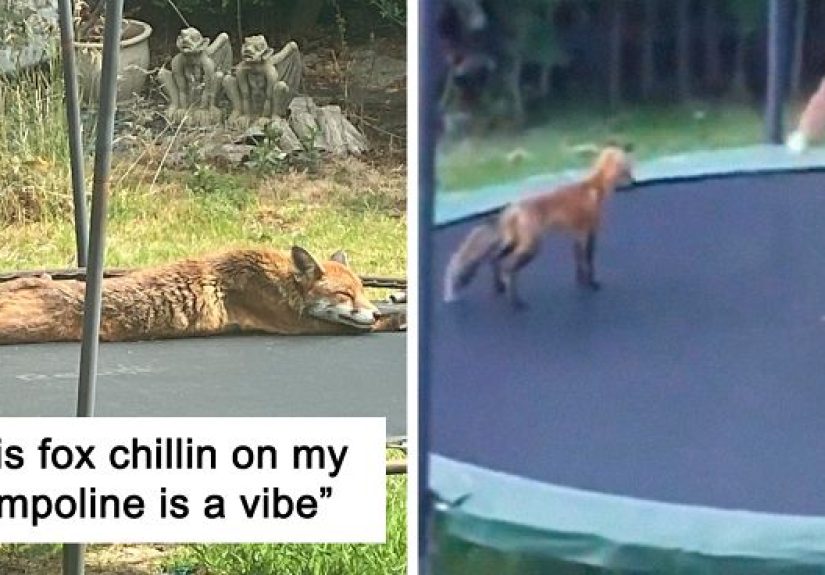
The whole viral thread started with a single image: a fox sprawled out on a trampoline like it had just discovered the world’s bounciest daybed. The photo landed on social media, and within hours, other people were sharing snapshots of their own “fox guests” hanging out on decks, garden paths, roofs, and even porch furniture.
Bored Panda pulled many of those images into a collection that feels like a wildlife documentary directed by a stand-up comedian. In one picture, a fox curls up in a flower bed like it owns the place; in another, it stares through a sliding glass door with the exact expression of someone deciding whether the snacks inside are worth the effort.
These aren’t staged shots of tame animals. They’re quick, “grab your phone, now!” photos snapped by people who were just making coffee, taking out the trash, or scrolling their feeds when a wild fox suddenly trotted into the frame.
Why Foxes Are Showing Up in Our Yards
Foxes haven’t suddenly decided that human patios are the new forests. They’ve been quietly adapting to our neighborhoods for decades. Red foxes are among the most successful urban mammals in the world. They’re highly flexible eaters, comfortable living in small family groups, and clever enough to figure out how to navigate everything from gardens to bus lanes.
Researchers have found that red foxes readily colonize low-density suburbs and city edges, where lawns, shrubs, and sheds mimic the mix of open areas and cover they’d find in more natural habitats. Garbage, pet food, fallen fruit, and bird feeders create a reliable buffet, while old groundhog burrows, woodpiles, and crawl spaces under decks become ready-made dens.
Wildlife experts in the United States note that foxes are naturally cautious and tend to avoid direct contact with people, even in fairly busy neighborhoods. Seeing a fox during the day doesn’t automatically mean it’s sickit might simply be seizing a good opportunity, like a quiet yard or easy meal.
Meet 13 Foxes Who Dropped By Uninvited (And Totally Welcome)
While Bored Panda’s original gallery includes more than a dozen fox visitors, here’s a playful tour through 13 “types” of fox guests inspired by those photos and similar encounters shared online.
1. The Trampoline Daydreamer
This fox discovered the backyard trampoline and promptly claimed it as a personal lounge. Instead of bouncing, it stretches out full length, eyes half-closed, looking like someone who just discovered vacation for the first time. It’s the poster child for “I live here now.”
2. The Garden Supervisor
Another fox stands among blooming shrubs and laundry fluttering on the line, calmly inspecting the yard while a human crouches a few feet away. The fox’s body language says, “You’re doing fine work with these flowers. Carry on.”
3. The Kitchen Window Critic
In one unforgettable photo, a fox has climbed up to a kitchen window, nose pressed to the glass, staring straight at the dish rack. It’s hard not to imagine it silently judging the lack of snacksor asking why the cat gets to sleep inside while it has to rough it outdoors.
4. The Living Room Wanderer
Some foxes get bolder. One set of images shows a fox strolling through an open doorway as if responding to an invitation. It pads across the carpet, inspecting the furniture with curious eyes, then heads back out, adventure satisfied.
5. The Deck Lounger
On a quiet evening, a fox curls up on a wooden deck chair, tail wrapped around its nose. The porch lights glow softly, and the fox looks utterly at home, as if it rented the place on a short-term vacation site called “Foxbnb.”
6. The Flowerbed Napper
Some foxes seem to have impeccable taste in naps. One visitor chooses the softest part of a raised bed, flattening a neat circle of foliage to create the coziest improvised mattress. Gardeners may be slightly annoyedbut also secretly honored.
7. The Fence Acrobat
Quick as a flash, this fox balances on the top of a wooden fence like a furry tightrope walker. One wrong step would land it in the neighbor’s yard, but it glides along with the confidence of an Olympic gymnast.
8. The Cat’s Unexpected Roommate
A particularly hilarious snapshot captures a fox curled up on a pet’s bed inside a home while a very unimpressed cat watches from nearby. You can almost hear the cat thinking, “Excuse me, that’s my throne.”
9. The Patio Plant Thief
On a small terrace, a fox stands among potted plants with a shoe or toy in its mouth. Foxes are notorious for “collecting” random objectsgarden gloves, dog toys, even balls from nearby fieldsand relocating them to their dens like magpies with fur.
10. The Roof Sunbather
High above street level, another fox sprawls on a shed or low roof, soaking up the sun. Urban foxes are often spotted napping on flat roofs because they’re warm, safe from predators, and have a great view of the snack opportunities down below.
11. The Driveway Ghost
A nighttime security camera catches a fox trotting across a driveway, eyes glowing in the infrared light. It moves with that floaty, silent gait that makes you understand why so many myths refer to foxes as tricksters or spirits.
12. The Backyard Family
Sometimes the visitors arrive as a group. One homeowner filmed a mother fox trotting into the yard followed by a stream of tumbling kits. The pups wrestle, chase each other, and pounce on invisible prey while the adult keeps watch from the shade.
13. The Returning Regular
Many people report seeing the same fox again and again. That’s not surprisingfoxes maintain regular home ranges and often reuse comfortable spots or den sites for several seasons, especially if food and shelter remain consistent.
Are Fox Visitors Dangerous?
Foxes may look sly, but most of the time they’re far more interested in mice, voles, berries, and leftover pizza crusts than in people. Wildlife agencies and university extension programs in the U.S. stress that red foxes are naturally wary of humans, and in most suburban settings they pose little threat to adults or older kids.
That said, it’s smart to keep a few realities in mind:
- They’re still wild animals. A fox that seems unusually bold or disoriented could be sick or injured.
- They can carry parasites and diseases. Foxes may host fleas, ticks, and viruses such as distemper or, rarely, rabiesanother reason to enjoy them from a distance and keep pets vaccinated.
- They may see small pets as prey. Toy-breed dogs, outdoor rabbits, or free-roaming chickens are more vulnerable than people are.
If you ever see a fox staggering, circling, or approaching humans without hesitation, contact local animal control or a wildlife rehabilitator instead of trying to handle the situation yourself.
How to Coexist Safely With the Fox Next Door
For most households, the goal isn’t to “get rid of” foxesit’s to make sure the visits stay safe, brief, and respectful on both sides. Humane organizations and wildlife specialists recommend a mix of simple habits and gentle deterrents.
1. Enjoy Them From a Distance
Watch through a window, take photos from the porch, or quietly film with your phonebut don’t approach or try to touch a fox, no matter how friendly it looks. Distance keeps the animal wild and reduces the risk of conflict later.
2. Don’t Feed Foxes
Putting out food might feel kind, but it can encourage foxes to lose their natural fear of people, linger in risky places, or start raiding pet bowls and trash cans. Wildlife experts are remarkably consistent on this point: admire, don’t feed.
3. Fox-Proof Your Snacks and Shelter
- Secure garbage cans with tight-fitting lids.
- Bring pet food indoors and clean up spilled birdseed.
- Fence chicken runs and rabbit hutches with sturdy wire mesh.
- Block access to crawl spaces, old burrows, and woodpiles where foxes might den.
4. Use Gentle Deterrents When Needed
If a fox gets a little too comfortablesay, napping under your porch every afternoonhumane organizations suggest mild “eviction notices.” These might include loosely filling den entrances with leaves, using motion-activated lights or sprinklers, or placing strongly scented items like used kitty litter or sweaty clothing near dens so the fox decides to move on.
5. Protect Pets and Kids
Keep small pets indoors at night, supervise dogs in unfenced yards, and teach children to admire wildlife from a distance. Think of the fox as a neighbor you don’t know well yetpolite wave from across the street, not a hug.
How to Photograph Your Surprise Fox Guest
Part of the charm of the Bored Panda gallery is how spontaneous the photos feelno tripods, no telephoto lenses, just people grabbing their phones as fast as they can. A few small tweaks, though, can turn “blurry orange blob” into “frame-worthy fox portrait.”
- Stay calm and move slowly. Jerky movements or loud exclamations can send the fox sprinting for cover.
- Use your zoom, not your feet. Don’t creep closer and risk stressing the animal. Just zoom in a little and let the fox fill more of the frame.
- Shoot through windows when possible. Many of the most charming fox photos are taken from indoors, which acts like a natural hide.
- Watch the light. Early morning and late afternoon light tends to be softer and more flattering, bringing out the vivid reds and soft grays in a fox’s coat.
- Capture behavior, not just poses. A fox sniffing the air, stretching on the deck, or play-pouncing on a leaf tells a richer story than a simple portrait.
And if your camera roll ends up packed with fox photos, you’ll be in good companyentire social media communities are dedicated to sharing snapshots of urban and suburban foxes.
What These Fox Photos Say About Us
The popularity of “fox paid me a visit” threads reveals something bigger than a collective love of fluffy tails. We crave connection with the wild world, especially when so much of daily life happens in front of screens and between concrete walls.
When someone posts a shot of a fox curled on their trampoline or peeking through a bathroom window, the comments flood in with delight, curiosity, and a bit of envy. We’re reminded that our neighborhoods are ecosystems, not just collections of houses. A fox in the yard is a tiny, living reminder that nature hasn’t completely moved outit’s just adapted and learned to live alongside us.
Even the humor matters. We give these foxes nicknames, imagine their inner monologues, and joke about them paying “rent” in stolen slippers. That playful tone helps people feel less fearful and more willing to support humane coexistence instead of calling for harsh control measures.
Living With Foxes: A Longer Look at the Experience
It’s one thing to see a fox once and fire off a couple of photos. It’s another to realize the same foxor even a whole familyhas woven your yard into its daily routine. Many homeowners describe a slow shift from surprise to familiarity, and then to a kind of quiet guardianship over their unexpected neighbors.
The First Time You Notice the Pawprints
At first, it might just be small clues. Tiny pawprints on the frosty deck. A half-chewed dog toy mysteriously relocated to the far corner of the garden. A faint musky scent near the fence line. You don’t necessarily see the fox, but you feel a presence, like someone passes through when you aren’t looking.
Then one evening, movement catches your eye. A slim shape slips between the shadowsears pricked, tail trailing like a banner. It pauses, listening, before settling down in the middle of the lawn as if it’s the most normal thing in the world. In that moment, the backyard you thought you knew suddenly feels bigger and more alive.
Routine Guests With Wild Manners
Over time, patterns emerge. The fox might appear just after sunset, doing a slow patrol along the fence before checking under the bird feeder for spilled seed and scouting the compost heap for snacks. Maybe it pauses beneath a streetlamp, orange fur glowing against the dark, then vanishes again into the hedge.
On some nights, you might see several foxes at oncea pair traveling together, or an adult followed by a handful of clumsy kits tripping over their own paws. Their interactions are surprisingly tender: gentle nuzzles, playful bites, and exaggerated pounces on leaves or insects that clearly pose zero threat.
There’s a balance to strike. You learn to enjoy the show without turning your yard into a buffet. Maybe you start double-checking the latch on the trash bin and bringing the cat indoors earlier, not because you’re afraid of the fox, but because you respect its wildness and don’t want to invite trouble for either of you.
Fox Encounters and Family Stories
For families, fox visits often turn into shared stories that get told over and over: the time the fox stole a flip-flop, the night everyone stared out the window whispering while a mother fox fed her kits, the morning a fox trotted by with what looked suspiciously like someone’s oven mitt in its mouth. Those moments become a kind of neighborhood folklore.
Kids may start recognizing individual foxes by their markingsone with a darker tail tip, another with a notch in one ear. They sketch foxes in school notebooks, build little “observation forts” by the window, and pepper adults with questions about where the fox sleeps during the day or what it eats in winter. Those questions become the perfect doorway into talking about ecosystems, food webs, and why it matters to protect habitats beyond our fences.
When the Visits Stop
Inevitably, the visits change. A fox that once came nightly might start appearing less often as pups grow, dispersing to find their own territories. Or seasonal shifts in food availability might pull them toward new foraging grounds. One day you notice you haven’t seen your “regular” fox in a few weeks.
There’s a little pang of loss, but also a sense of completion. The fox didn’t belong to youit belonged to the landscape. Your yard was just one chapter in its story, the same way its brief visits became a small but memorable chapter in yours.
That’s the quiet magic behind those viral photo threads. Each snapshot is more than a cute picture; it’s evidence of shared space, of overlapping lives. For a moment, a backyard becomes a meeting point between human routine and wild instinct. Whether you live in a dense city or a leafy suburb, a fox crossing your path is a reminder that the world is still full of unscripted encountersand that sometimes, the best guests are the ones who never ring the doorbell.