Table of Contents >> Show >> Hide
- What Are Peas, Exactly?
- Pea Nutrition at a Glance
- Health Benefits of Peas
- Types of Peas
- Fresh, Frozen, Canned, or Dried: Which Is Best?
- How to Eat More Peas Without Getting Bored
- Are There Any Downsides to Peas?
- Peas in a Healthy Diet
- Experiences With Peas: What Real Life Teaches You
- Conclusion
- SEO Tags
Peas do not usually get celebrity treatment in the produce aisle. They are not avocado-toast glamorous. They are not kale-smug. They are not blueberries with a publicist. But peas are quietly excellent, and honestly, that may be part of their charm.
These little green spheres have been doing solid nutritional work for generations. They are affordable, easy to cook, freezer-friendly, and surprisingly satisfying. They can slide into soups, pasta, fried rice, pot pies, salads, and side dishes without demanding applause. Yet from a nutrition standpoint, peas bring a lot to the table: fiber, plant protein, vitamins, minerals, and helpful plant compounds packed into a small package.
If you have ever wondered whether peas are a vegetable, a legume, a starch, or just the thing your younger self tried to push around the dinner plate, the answer is a little fun: they are legumes, and depending on the form, they can fit into more than one nutritional conversation. That flexibility is part of what makes them so useful.
Here is what to know about pea nutrition, health benefits, the different types of peas, how to eat more of them, and why they deserve a little more respect than they usually get.
What Are Peas, Exactly?
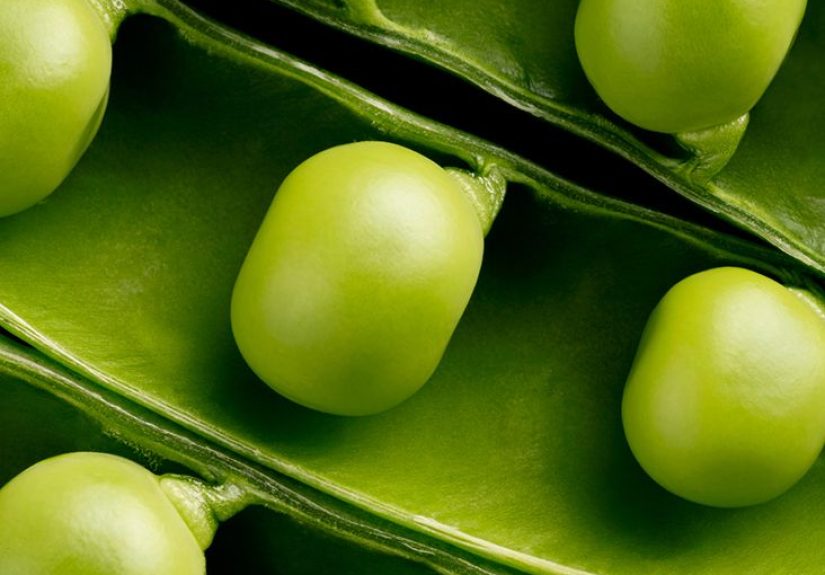
Peas come from the plant species Pisum sativum, and they belong to the legume family. That means they are related to beans, lentils, and chickpeas. Unlike some vegetables that are mostly water and crunch, peas offer a more balanced mix of carbohydrates, fiber, and protein, which is one reason they tend to feel more filling.
In everyday cooking, people often think of peas as a vegetable, and that is perfectly reasonable because they are commonly eaten as one. Nutritionally, though, they behave a bit like a bridge food: part vegetable, part legume, part plant-protein sidekick.
That makes peas especially appealing for people who want foods that are easy to use, budget-friendly, and actually satisfying after the first four bites.
Pea Nutrition at a Glance
Green peas are modest in calories but rich in useful nutrients. A typical serving of cooked green peas provides a solid amount of fiber and a helpful boost of plant protein, along with vitamins and minerals such as vitamin A, vitamin C, folate, iron, and potassium.
In practical terms, peas offer more staying power than many other vegetables. Their fiber supports fullness, while their protein helps round out meals. This is why a bowl of peas feels more substantial than, say, a plate of cucumber slices. No offense to cucumbers, who are doing their best.
Notable nutrients in peas include:
- Fiber: Helps support digestion, satiety, and healthy cholesterol management.
- Plant protein: Useful for building balanced meals, especially if you eat less meat.
- Vitamin C: Supports immune function and acts as an antioxidant.
- Vitamin A precursors and carotenoids: Important for eye health and normal cell function.
- Folate: Helps with cell growth and DNA formation.
- Iron: Plays a role in carrying oxygen through the body.
- Potassium: Helps support blood pressure and fluid balance.
Peas also contain plant compounds such as lutein and zeaxanthin, carotenoids that are often discussed in relation to eye health. They are not magic pellets, but they are another reason peas punch above their weight nutritionally.
Health Benefits of Peas
No single food deserves a superhero cape, and peas are no exception. But when eaten regularly as part of a healthy eating pattern, they can support several areas of health in a very practical way.
1. Peas support digestive health
One of the biggest benefits of peas is fiber. Fiber helps keep things moving through the digestive tract, supports regular bowel habits, and can help you feel full longer after a meal. Some of the fiber in legumes also acts as food for beneficial gut bacteria, which is good news for your microbiome.
If your usual diet is light on fiber, peas can be a friendly place to start. Adding them gradually tends to go better than suddenly eating a mountain of split pea soup and then wondering why your stomach has opinions.
2. They may help with blood sugar control
Because peas contain fiber and protein, they do not act like sugary snack foods that hit fast and disappear even faster. Meals that include peas may help promote steadier energy and better fullness compared with meals built around refined carbohydrates alone.
That does not make peas a cure-all for blood sugar issues, but it does make them a smart ingredient in balanced meals. Pairing peas with whole grains, lean protein, or healthy fats can make a meal feel more stable and satisfying.
3. Peas can be helpful for heart-friendly eating
Fiber matters for heart health, and legumes are often recommended in heart-conscious eating patterns for that reason. Peas also contain potassium and are naturally low in saturated fat and cholesterol. When they replace more heavily processed side dishes, they can help move a meal in a healthier direction.
Think of peas as the low-drama friend of a heart-smart plate. They do not need a slogan. They just show up and do the work.
4. They add more plant protein to your diet
Peas are not as protein-dense as chicken, fish, or tofu, but they are still a helpful plant protein source. That matters if you are trying to eat more plant-based meals, cut back on meat, or simply make your plate more balanced without overthinking it.
A scoop of peas can make a grain bowl more substantial, improve the staying power of a salad, and help vegetarian meals feel less like a side dish pretending to be dinner.
5. They provide antioxidants and eye-supporting compounds
Green peas contain antioxidants, including vitamin C and carotenoids such as lutein and zeaxanthin. These compounds help protect cells from oxidative stress and are commonly linked to eye-health discussions.
Again, peas are not a substitute for overall healthy eating, but they fit nicely into a diet built around colorful plant foods.
6. They may help with weight management
Foods that combine fiber and protein tend to be more filling than foods made mostly of refined starch. Peas can help meals feel more satisfying without piling on excessive calories. That makes them useful for people trying to manage hunger, portion sizes, or snack attacks that begin at 9 p.m. and end in cracker regret.
Types of Peas
Not all peas behave the same way in the kitchen. Some are sweet and tender. Some are best shelled. Some are more at home in soup than in stir-fry. Knowing the types makes shopping and cooking easier.
Garden peas
Also called English peas or shelling peas, these are the classic round green peas that come out of the pod. The pod is typically not eaten. These peas are sweet, soft, and familiar, whether fresh, frozen, or folded into a comfort-food casserole.
Snow peas
Snow peas have flat edible pods with tiny peas inside. They are tender, crisp, and popular in stir-fries and quick sautés. Their appeal is texture as much as flavor.
Snap peas
Snap peas are a cross between garden peas and snow peas. The whole pod is edible, and the peas inside are a bit plumper than snow peas. They are crunchy, juicy, and sweet enough to eat raw straight from the bag while standing in front of the fridge. Hypothetically.
Split peas
Split peas are dried peas that have been peeled and split. They are commonly green or yellow and are famous for soup. Nutritionally, split peas are especially impressive because they are rich in fiber and protein. Their earthy flavor and creamy texture make them ideal for hearty dishes.
Black-eyed peas
Black-eyed peas are not the same species as green peas. They are actually a type of cowpea, but they are still part of the legume conversation and often grouped with peas in cooking. They are popular in Southern cuisine and bring their own strong nutrition profile, especially in fiber and protein.
Fresh, Frozen, Canned, or Dried: Which Is Best?
The honest answer is the one you will actually eat.
Fresh peas are lovely when they are in season, but shelling them can feel like a lifestyle commitment. Frozen peas are convenient, reliable, and excellent for everyday use. Canned peas are soft and ready to use, though they may contain more sodium unless labeled low sodium or no salt added. Dried split peas are pantry heroes for soups and stews.
If you use canned peas, rinsing them can help reduce some of the sodium. If you use frozen peas, they often need only a few minutes to heat through, which is one more reason they are a weeknight lifesaver.
How to Eat More Peas Without Getting Bored
Peas are one of the easiest foods to work into a routine because they are adaptable and quick.
Easy ideas include:
- Stir frozen peas into pasta during the last minute of cooking.
- Add peas to fried rice or grain bowls for extra fiber and color.
- Mix peas into tuna salad, chicken salad, or potato salad.
- Blend peas into soups for a sweeter, creamier texture.
- Toss snap peas or snow peas into stir-fries.
- Use split peas in soups with herbs, onions, garlic, and carrots.
- Add peas to shepherd’s pie, pot pies, or savory casseroles.
Peas also pair well with mint, lemon, dill, basil, butter, olive oil, Parmesan, garlic, shallots, and spring vegetables like asparagus. In other words, they are easygoing. Culinary golden retrievers.
Are There Any Downsides to Peas?
For most people, peas are a healthy choice. Still, a few things are worth knowing.
They can cause gas or bloating
Like other legumes, peas contain fibers and carbohydrates that can be fermented by gut bacteria. That can lead to gas, especially if you are not used to eating many legumes. Starting with smaller portions and increasing gradually often helps.
Some forms are higher in carbs than leafy vegetables
Peas are more carbohydrate-rich than vegetables like spinach or zucchini. That is not a problem for most people, but it is useful information if you are closely tracking carbohydrate intake.
Preparation matters with dried legumes
Dried peas and other legumes contain naturally occurring compounds sometimes called anti-nutrients. These are not a reason to avoid legumes, but they are one reason soaking and proper cooking are helpful. Cooking improves digestibility and reduces some of those compounds.
Sodium can add up in canned versions
If you buy canned peas, check the label. Lower-sodium options can make a difference if you are trying to manage salt intake.
Peas in a Healthy Diet
Peas fit comfortably into many eating styles. They work in Mediterranean-style eating, plant-forward diets, budget-conscious meal plans, and family meals where someone would like dinner to include at least one green thing.
They are especially useful when you want meals that are nutritious without becoming expensive, complicated, or suspiciously dependent on blender ownership. Peas ask very little of you. A microwave, a saucepan, and minimal patience are usually enough.
They also have a broader food-system story. As legumes, peas are part of sustainable agriculture discussions because legume crops can help support soil health through nitrogen fixation. That matters more on farms than on your dinner plate, of course, but it is a nice bonus that peas are helpful both nutritionally and agriculturally.
Experiences With Peas: What Real Life Teaches You
Once you start paying attention, peas tend to show up in all kinds of everyday food experiences. They are one of those ingredients that quietly improve meals without making a fuss. That may be why so many people do not fully appreciate them until adulthood, when convenience, price, and nutrition suddenly become very attractive personality traits in a food.
For many home cooks, frozen peas are the gateway. They live in the freezer for weeks, never complain, and can rescue dinner in under five minutes. You can add them to pasta when the sauce seems too beige, to rice when it needs color, or to soup when it feels nutritionally underdressed. They are a last-minute decision that rarely becomes a bad decision.
There is also a texture experience with peas that depends heavily on the type. Garden peas are soft and sweet. Snow peas are light and crisp. Snap peas are juicy and crunchy enough to feel snack-worthy. If someone claims they do not like peas, there is a decent chance they had one soggy cafeteria encounter in 2007 and never emotionally recovered. A fresh snap pea can be an entirely different story.
Peas also teach portion balance in a very practical way. Add them to a meal, and suddenly the plate has more fiber, more color, and more staying power. A bowl of white rice becomes more satisfying with peas and eggs. Mac and cheese gets a little nutritional backup with peas stirred in. Chicken pot pie without peas feels weirdly incomplete, like a band missing its drummer.
In the garden, peas have their own appeal. They are one of those vegetables that make people feel strangely competent. The vines climb, the pods form, and suddenly you are the kind of person who says things like, “These are from my garden,” while trying not to look too pleased with yourself. Fresh peas eaten right after picking are sweeter and brighter than many store-bought versions, which is one reason gardeners remain insufferably correct about them.
Then there is soup. Split pea soup has a reputation for being old-fashioned, but in the best possible way. It is inexpensive, filling, and deeply comforting. It also proves an important point: peas are not just decorative green dots on a plate. They can be the backbone of a meal.
Over time, the experience of eating peas becomes less about forcing yourself to “eat your vegetables” and more about appreciating a food that is flexible, useful, and genuinely nourishing. That is a pretty good legacy for something round, green, and chronically underestimated.
Conclusion
Peas may be small, but nutritionally they are doing serious work. They offer fiber, plant protein, vitamins, minerals, and antioxidant compounds in a form that is affordable, convenient, and easy to enjoy. Whether you prefer garden peas, snap peas, snow peas, or split peas, there is probably a version that fits your cooking style and your taste buds.
They are not a miracle food, and they do not need to be. Their real strength is that they are practical. Peas can help support digestion, heart-friendly eating, fuller meals, and a more plant-forward diet without demanding culinary gymnastics. That makes them one of the most underrated staples in a healthy kitchen.
If your relationship with peas has been distant, awkward, or based entirely on childhood trauma from overcooked side dishes, this may be the moment to reconnect. They have grown. Possibly you have too.