Table of Contents >> Show >> Hide
- What “Old-Fashioned” Really Means (And Why It Still Wins)
- The Core Ingredients (And What Each One Does)
- How to Make Old-Fashioned Bread Stuffing (The Reliable Method)
- A Practical “Classic Ratio” You Can Trust
- Stuffing vs. Dressing: Same Food, Different Address
- Food Safety: The Part Everyone Should Take Seriously
- Troubleshooting: Fixes for the Three Big Stuffing Problems
- Make-Ahead Tips (Because Holidays Are Already a Lot)
- Classic Variations That Still Feel “Old-School”
- Serving Ideas: Where Stuffing Shines Beyond Thanksgiving
- Experiences From the Stuffing Zone (500-ish Words of Very Real Feelings)
- Final Take
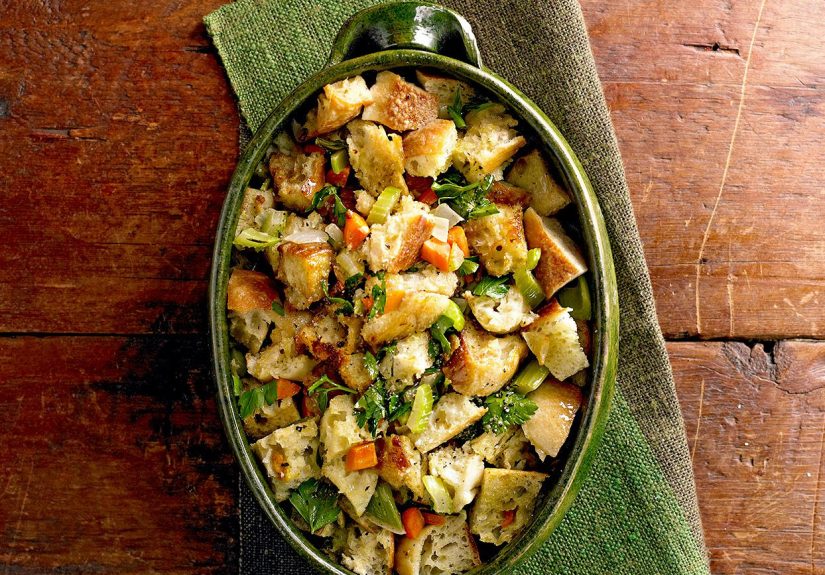
Old-fashioned bread stuffing is the kind of side dish that shows up to dinner wearing a cozy sweater, carrying a casserole dish, and acting like it owns the place (because it kind of does). It’s buttery, herby, and dotted with soft onions and celerywarm, savory comfort that somehow tastes like every holiday you’ve ever enjoyed and every one you wish you could redo with more gravy.
This article breaks down what makes classic bread stuffing worktexture, seasoning, moisture, and timingso you can build the version that tastes like “grandma’s,” even if grandma’s method was mostly vibes and a suspiciously accurate handful of sage. You’ll also get practical tips for make-ahead prep, baking for crisp edges, and keeping things food-safe whether you bake it in a dish or cook it in a bird.
What “Old-Fashioned” Really Means (And Why It Still Wins)
“Old-fashioned” stuffing usually means a simple base: dried bread, butter, onion, celery, broth, herbs, and maybe eggs. No foam, no microgreens, no “deconstructed” anythingjust honest flavor and a texture that’s moist but not mushy. The goal is contrast: tender bites in the middle, golden crust on top, and enough seasoning that it tastes like it belongs next to turkey, ham, or even a random Tuesday roast chicken.
Classic stuffing also tends to lean on familiar American pantry seasoningssage, parsley, thyme, black pepper, and “poultry seasoning” (that cozy blend that smells like the holidays). You can add extras later, but the old-school foundation is what makes it feel timeless.
The Core Ingredients (And What Each One Does)
Bread: The Sponge That Decides Everything
Bread isn’t just filler; it’s structure. Drier bread absorbs seasoned broth without collapsing into paste. If you’ve ever had stuffing that eats like wet bread pudding (sad), that’s usually a moisture problemor fresh bread that soaked up liquid too fast and compacted into dense pockets.
- Best everyday pick: plain white or sandwich bread for reliable absorption and a classic flavor.
- Heartier options: French/Italian loaves for a chewier, more rustic bite.
- Rich options: challah or brioche for a softer, more decadent stuffing (great, but easy to over-moisten).
Onion + Celery: The Classic Backbone
Onion and celery aren’t negotiable in the old-fashioned world. They bring sweetness, aroma, and that signature “stuffing smell” that makes people wander into the kitchen pretending they’re “just checking something.” Cook them in butter until softened. You’re not trying to brown them aggressively; you’re building a gentle, savory base that perfumes the whole pan.
Butter (Plus Broth): The Moisture-Fat Duo
Stuffing needs fat for flavor and a broth for moisture. Butter coats the bread cubes so they stay tender, and broth carries your herbs and seasonings into every bite. Think of it like this: butter makes it delicious; broth makes it stuffing instead of dry croutons with dreams.
Herbs and Seasoning: Why Sage Is the Main Character
Sage is the signature note in classic American stuffing. Parsley keeps things fresh, thyme adds warmth, and black pepper gives bite. Poultry seasoning can stand in for a mix of herbs if you want a shortcut that still tastes traditional.
Eggs (Optional, But Helpful)
Eggs aren’t required, but they’re useful. They bind the mixture so the stuffing holds together and bakes up sliceable and custardy rather than crumbly. If your childhood stuffing had that cohesive, “cut-a-square” texture, eggs were probably involved.
How to Make Old-Fashioned Bread Stuffing (The Reliable Method)
Step 1: Dry the Bread Like You Mean It
Old recipes often tell you to “leave bread out until stale.” The modern, more consistent move: dry it in a low oven. You’re not toasting for coloryou’re removing moisture so the bread can absorb broth evenly later.
- Cut or tear bread into 3/4- to 1-inch cubes.
- Spread on baking sheets in a single layer.
- Dry in a low oven until firm and dry (not deeply browned), stirring once or twice.
Step 2: Sauté the Aromatics in Butter
Melt butter in a skillet, then cook chopped onion and celery until soft and fragrant. Stir in herbs at the end so they bloom in the warm fat without turning bitter. This is where stuffing starts to smell like a holiday.
Step 3: Combine and “Moisten, Don’t Drown”
Put dried bread cubes in a big bowl. Add the buttery onion-celery mixture. Then drizzle in warm broth gradually, tossing gently. The bread should feel evenly moistened but not soupy. If you squeeze a cube, it should givewithout raining broth.
Step 4: Add Eggs (If Using), Then Rest
If you’re using eggs, whisk them first and stir them in after the broth. Then let the mixture sit for about 10–20 minutes. This rest is not optional if you want great texture: it lets the bread absorb liquid fully so you don’t end up with dry corners and wet centers.
Step 5: Bake for Moist Middle + Crisp Top
For the classic casserole-style “dressing,” butter a baking dish, pack the mixture in gently (don’t compress it like concrete), and bake. Covering early helps it heat through without drying; uncovering later gives that golden top everyone fights over.
- Butter a baking dish and spoon in the stuffing mixture.
- Cover with foil and bake until hot throughout.
- Uncover near the end to crisp the top.
A Practical “Classic Ratio” You Can Trust
Stuffing is forgiving, but it behaves best when you respect the balance. A classic family-pan batch often looks like: bread cubes + a generous amount of sautéed onion/celery in butter + enough broth to moisten + herbs + optional eggs. If your mixture looks dry in the bowl, it will bake up dry. If it looks like soup, you’re heading toward stuffing flan.
- More broth = softer, spoonable stuffing.
- Less broth = drier, crouton-ish stuffing (great for people who love crunch, terrifying for everyone else).
- Eggs = firmer slices and a custardy interior.
Stuffing vs. Dressing: Same Food, Different Address
The terms get used interchangeably, but there’s a traditional distinction: “stuffing” is cooked inside poultry, while “dressing” is baked in a dish. In real life, most people call it stuffing no matter where it’s cooked, because “dressing” sounds like it belongs on salad and stuffing belongs on your plate next to gravy.
If you love the idea of cooking it in the turkey for flavor, know that many cooks still bake a separate pan, toobecause (1) there’s never enough, and (2) the casserole version gives you the crispy top that inside-the-bird stuffing can’t.
Food Safety: The Part Everyone Should Take Seriously
Stuffing is cozy, but it’s also the perfect hiding place for undercooked problems if you’re not carefulespecially if cooked inside a turkey. If you cook stuffing in poultry, use a thermometer and make sure the center of the stuffing reaches 165°F. The turkey itself must also reach safe temperatures.
- If stuffing a bird, do it just before roasting (don’t let it sit warm in the turkey).
- Check the temperature in the center of the stuffing, not just the meat.
- Let the turkey rest, and be careful removing stuffingheat continues to carry over for a bit.
The simplest, safest method is baking in a casserole dishstill classic, still delicious, and it gives you that golden crust. If you want turkey flavor without the risk, use turkey stock, add a bit of drippings, or serve with gravy. Your taste buds will not file a complaint.
Troubleshooting: Fixes for the Three Big Stuffing Problems
1) “It’s dry.”
Dry stuffing usually means not enough broth, not enough fat, or not enough resting time before baking. Next time, moisten the mixture more confidently and let it sit so absorption is even. For a quick save, drizzle warm broth over the baked pan, cover with foil, and warm it through to rehydrate.
2) “It’s mushy.”
Mushy stuffing usually means the bread wasn’t dry enough, the cubes were too small for the bread type, or you added too much broth too quickly. Use properly dried cubes, add broth gradually, and choose a cube size that matches your bread (tight-crumb breads can go a little smaller; open-crumb loaves need larger chunks so they don’t collapse).
3) “The top isn’t crispy.”
Crispness is a baking strategy. Uncover for the final stretch, and if you want extra crunch, dot the top with small butter pieces or run it briefly under a broilerwatching like a hawk, because broilers turn “golden” into “tragic” in seconds.
Make-Ahead Tips (Because Holidays Are Already a Lot)
Old-fashioned stuffing is a planner’s best friend. Dry the bread days ahead. Chop aromatics early. You can even assemble the whole dish ahead, refrigerate, then bake when neededjust expect to add a splash of broth before baking if it looks a bit dry after chilling.
- Best make-ahead move: dry bread and store at room temp in a bag or container.
- Next-best: sauté onions/celery and refrigerate, then rewarm before mixing.
- Full assembly: refrigerate in the baking dish, then bake until hot and crisp.
Classic Variations That Still Feel “Old-School”
If you want to branch out while keeping the old-fashioned soul, use add-ins that taste like they’ve been invited to Thanksgiving for decades:
- Sausage: brown it first, then mix in for a richer, meatier stuffing.
- Giblets: finely chop cooked giblets for a very traditional, deeply savory version.
- Apples: add small diced apple for gentle sweetness.
- Dried cranberries or cherries: a pop of tartness without turning it into dessert.
- Pecans or walnuts: toast first for real crunch and aroma.
Serving Ideas: Where Stuffing Shines Beyond Thanksgiving
Old-fashioned bread stuffing shouldn’t be limited to one day a year. Serve it with roast chicken, pork tenderloin, or baked salmon. Spoon leftovers into waffle irons for crispy stuffing “cakes.” Or tuck it into bell peppers and bake with a little cheese on topsuddenly it’s a weeknight dinner with holiday energy.
Experiences From the Stuffing Zone (500-ish Words of Very Real Feelings)
Stuffing has a special kind of nostalgia power. It’s one of those dishes where people don’t just ask, “Is it good?” They ask, “Is it like the one we used to have?” And that question comes loaded with memories: crowded kitchens, someone “testing” the spoon every five minutes, the smell of celery and butter hitting a warm skillet, and the moment the oven door opens and the whole house suddenly smells like a holiday commercialminus the perfect hair.
The funny part is how intensely personal “old-fashioned” can be. For some families, it’s strictly white bread, poultry seasoning, and an almost shocking amount of butterno sausage, no fruit, no distractions. For others, “classic” includes a handful of chopped nuts or a little dried fruit because someone’s aunt tried it once in 1998 and it became The Way. The dish is familiar, but the details are where traditions hide: cube size, herb choices, whether the onions are cooked until just soft or allowed to turn a little golden, and whether the texture is meant to scoop or slice.
There’s also the annual drama of moisture. Every stuffing maker eventually learns that “moisten the bread” is not a helpful instruction unless you already know what you’re looking for. The first time you add broth, you might panic because the bowl suddenly looks too wet. Then you let it rest, and five minutes later it looks too dry. The bread is basically doing paperwork: it needs time to process the liquid. Once you accept the rest period as part of the recipe (not a suggestion), the texture improves immediately. Suddenly the stuffing bakes evenly, the center turns tender instead of chalky, and the top forms that crisp, buttery crust that makes people casually “trim a piece” before dinner.
Another shared experience: the battle for the corners. The center is soft and cozy, but the edgesthose caramelized, crunchy bitsare where myths are made. If your pan is too deep, you get fewer edges and more steamed interior. If your pan is wider, you get more crust, more crunch, and more people hovering around the kitchen with plates “just to taste.” This is why many stuffing veterans quietly choose a broader baking dish and bake uncovered at the end: it’s not just texture, it’s crowd control.
And then there’s the emotional value of leftovers. Stuffing might be the best “next day” food on the holiday table because it reheats like a championespecially if you splash on a little broth, cover it to warm, then uncover to crisp. It turns into the backbone of leftover sandwiches, it becomes a base for fried eggs at breakfast, and it somehow tastes even more “complete” once it’s had a night to meld. If your holiday meal is the big performance, leftover stuffing is the afterparty where everyone relaxes and the flavors get to be themselves.
The most old-fashioned thing about bread stuffing isn’t the ingredient listit’s what it does at the table. It signals comfort. It makes the meal feel like an occasion. And even when the rest of dinner gets complicated (timers going off, gravy getting weird, someone forgetting to buy rolls), stuffing tends to show up steady and dependable, like a friend who arrives early, brings extra, and still helps you clean up afterward. That’s why people keep making it. Not because it’s trendybecause it’s home.
Final Take
Old-fashioned bread stuffing is simple on purpose. Dry the bread well, build flavor with butter and aromatics, season boldly with sage and friends, and add broth gradually until it’s perfectly moistened. Bake it in a dish for the easiest crisp top and the least stress, or stuff the bird only if you’re committed to thermometer accuracy. Either way, you’ll end up with the kind of side dish that disappears fastand gets talked about longer than the turkey.