Table of Contents >> Show >> Hide
- What Is Nux Vomica?
- Why Do People Use Nux Vomica?
- What Does the Research Say?
- Potential Benefits: What Can Be Said Carefully?
- Side Effects and Safety Risks
- Homeopathic Nux Vomica: Is It Safer?
- Nux Vomica vs. Evidence-Based Care
- How to Read Nux Vomica Product Labels
- What to Do If Exposure Is Suspected
- Realistic Experiences and Practical Reflections on Nux Vomica
- Conclusion
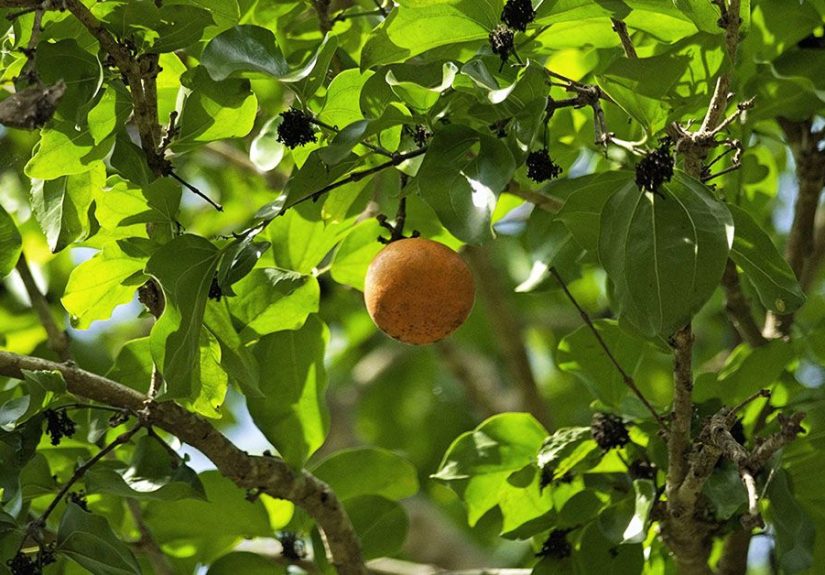
Nux vomica sounds like the name of a mysterious villain in a botanical superhero movie. In real life, it is even more dramatic. This plant-based substance comes from the seeds of Strychnos nux-vomica, a tree native to parts of South and Southeast Asia. For centuries, it has appeared in traditional medicine systems and, more recently, in homeopathic products. But here is the catch: nux vomica naturally contains strychnine and brucine, two powerful toxic alkaloids. Strychnine is not a casual wellness ingredient. It is a highly poisonous compound historically associated with pesticides and serious poisoning.
That does not mean the topic is simple. Search online and you will find claims that nux vomica may help with digestion, headaches, hangovers, stress, male sexual health, inflammation, nerve complaints, and even “sluggishness.” It is often marketed to people who feel overworked, overstimulated, or generally attacked by modern life and bad coffee. However, the scientific evidence for these benefits in humans is weak, limited, or missing altogether. Meanwhile, the safety concerns are very real.
This article takes a clear, research-based look at nux vomica, its proposed benefits, what studies actually suggest, the risks of strychnine exposure, and why consumers should be extremely cautious before using any product that contains or claims to contain this ingredient.
What Is Nux Vomica?
Nux vomica is derived mainly from the seeds of the Strychnos nux-vomica tree. The seeds are sometimes called poison nut, vomiting nut, or strychnine seeds. Those nicknames are not exactly spa-brochure material, and for good reason. The seeds contain strychnine and brucine, which affect the nervous system and can cause severe muscle spasms, convulsions, breathing problems, and death in toxic amounts.
In traditional medicine, processed nux vomica has been used for conditions such as digestive discomfort, pain, arthritis-like symptoms, constipation, and general weakness. Processing methods are intended to reduce toxicity, but “reduced” is not the same as “safe.” Toxic alkaloid levels can vary depending on the plant material, preparation method, dosage, and product quality.
In homeopathy, nux vomica is usually diluted many times. Homeopathic theory is based on the idea that a substance that causes symptoms in a healthy person may, when highly diluted, help treat similar symptoms in someone who is ill. This concept is not accepted by most modern medical experts as a reliable scientific basis for treatment. Also, in the United States, homeopathic products are not approved by the Food and Drug Administration as safe or effective before they are marketed.
Why Do People Use Nux Vomica?
Nux vomica is commonly promoted for symptoms associated with stress, excess, and irritation. In plain English, it is often marketed to people who feel like they have eaten too much, worked too much, slept too little, argued with traffic, and now want their body to file a formal complaint.
Common Claims About Nux Vomica
Product labels and alternative health discussions may mention nux vomica for:
- Indigestion, bloating, nausea, or constipation
- Headaches or migraine-like symptoms
- Hangover symptoms
- Irritability, stress, or poor sleep
- Muscle or joint discomfort
- Low appetite or fatigue
- Male sexual performance concerns
The important question is not whether people claim these uses. They do. The important question is whether high-quality human research supports them. At this time, the answer is mostly no. Some laboratory and animal studies have examined compounds found in Strychnos nux-vomica, especially brucine, for anti-inflammatory, antioxidant, analgesic, or metabolic effects. But lab results and animal studies do not prove that a consumer product is safe or effective for people.
What Does the Research Say?
Research on nux vomica is complicated because studies may focus on different plant parts, extracts, isolated compounds, processed preparations, or homeopathic dilutions. These are not interchangeable. A study on an isolated alkaloid in a lab dish does not mean a bottle of nux vomica pellets will help a person’s stomach, headache, or sleep.
Potential Anti-Inflammatory Effects
Some preclinical research has suggested that compounds such as brucine may have anti-inflammatory activity. Animal models have explored brucine or processed extracts for swelling, pain, and inflammatory pathways. These findings are scientifically interesting, but they remain early-stage. They do not establish a safe human dose, and they do not overcome the plant’s well-known toxic potential.
Inflammation is also not one single problem. Joint swelling, autoimmune disease, digestive inflammation, and minor muscle soreness are very different situations. A compound that changes inflammatory markers in a controlled experiment may not translate into a safe treatment for real-world patients with complex health histories.
Antioxidant Activity
Some studies have identified antioxidant properties in parts of the Strychnos nux-vomica plant. Antioxidants help neutralize free radicals, unstable molecules involved in cell damage. That may sound promising, but antioxidant activity in a plant extract is not automatically a health benefit. Plenty of substances show antioxidant behavior in a test tube. That does not mean they should be swallowed, especially when they also contain neurotoxic compounds.
Think of it like this: a cactus may look great in your living room, but that does not mean you should use it as a pillow. Biological activity is not the same as therapeutic usefulness.
Digestive Claims
Nux vomica is often associated with indigestion, nausea, bloating, and constipation in homeopathic traditions. These claims are usually based on historical use and homeopathic theory rather than strong clinical evidence. For common digestive symptoms, safer and better-studied approaches are available, including dietary changes, hydration, fiber, approved over-the-counter medicines, and medical evaluation when symptoms are persistent or severe.
Digestive complaints can also signal underlying conditions such as ulcers, gallbladder disease, inflammatory bowel disease, medication side effects, pregnancy-related nausea, food intolerance, or infection. Using a risky product to “cover up” symptoms may delay proper diagnosis.
Male Fertility and Sexual Health Claims
Some online content connects nux vomica with male infertility or erectile dysfunction. These claims are not supported by strong clinical evidence. Sexual health and fertility concerns can involve hormones, blood flow, medications, diabetes, cardiovascular disease, stress, sleep disorders, and many other factors. A self-prescribed toxic plant product is not a reliable solution and may create new problems instead of solving the original one.
Potential Benefits: What Can Be Said Carefully?
The most accurate way to discuss nux vomica is to separate “potential biological activity” from “proven health benefit.” The plant contains compounds that can affect the body. That is obvious from its toxicity. Some compounds may have pharmacological properties worth studying under controlled laboratory conditions. But the evidence does not currently justify recommending nux vomica as a treatment for any health condition.
Possible Areas of Scientific Interest
Researchers may continue studying nux vomica compounds for:
- Inflammation pathways
- Pain signaling
- Antioxidant mechanisms
- Traditional medicine processing methods
- Toxicology and poison control
- Quality testing of homeopathic or herbal products
That is where nux vomica belongs for now: in research labs, toxicology discussions, and carefully controlled scientific settings. It does not belong in casual self-treatment, especially not for children, pregnant people, older adults, people with liver disease, or anyone taking multiple medications.
Side Effects and Safety Risks
The side effects of nux vomica are not mild annoyances like “may cause a little burping.” The major concern is strychnine toxicity. Strychnine affects inhibitory signaling in the spinal cord and central nervous system. In simpler terms, it interferes with the body’s ability to calm muscle activity. The result can be severe, painful muscle spasms and dangerous convulsions.
Possible Symptoms of Strychnine Toxicity
Symptoms may include:
- Restlessness, anxiety, or agitation
- Heightened sensitivity to light, sound, or touch
- Muscle twitching or stiffness
- Jaw, neck, or back spasms
- Severe arching of the back
- Convulsions or seizure-like episodes
- High body temperature
- Rhabdomyolysis, a breakdown of muscle tissue
- Breathing difficulty or respiratory failure
- Cardiac complications
- Death in severe cases
One frightening feature of strychnine poisoning is that spasms can be triggered by stimulation. Light, noise, touch, or movement may worsen symptoms. This is one reason suspected poisoning is a medical emergency, not a “drink water and see how it goes” situation.
Who Should Avoid Nux Vomica?
From a safety-first perspective, everyone should avoid non-prescribed nux vomica. Certain groups face especially high risk:
- Pregnant or breastfeeding people
- Infants and children
- People with liver disease
- People with seizure disorders
- People with heart or breathing problems
- People taking prescription medications
- Anyone with a history of substance exposure or poisoning risk
Even when a product is labeled “natural,” “traditional,” or “homeopathic,” that does not guarantee safety. Nature makes apples, lavender, and sunsets. It also makes poison ivy, deadly nightshade, and strychnine. Nature has range.
Homeopathic Nux Vomica: Is It Safer?
Homeopathic nux vomica products are often extremely diluted. In many highly diluted products, little or none of the original substance may be detectable. That may reduce the risk of strychnine exposure, but it also raises another question: if the original substance is absent or nearly absent, what is producing the claimed effect?
The bigger regulatory issue is quality. The FDA has warned that homeopathic products may not meet modern standards for safety, effectiveness, quality, and labeling. Products made from toxic ingredients require careful manufacturing controls. If dilution, labeling, or production is poor, consumers may be exposed to more active ingredient than expected.
The Federal Trade Commission has also stated that health claims for over-the-counter homeopathic products should be supported by competent and reliable scientific evidence. Traditional homeopathic theory alone is not the same as modern proof of effectiveness.
Nux Vomica vs. Evidence-Based Care
Many symptoms people try to treat with nux vomica have safer options. For occasional indigestion, it may help to identify trigger foods, avoid lying down right after meals, reduce alcohol, limit greasy foods, or use approved antacids when appropriate. For constipation, fiber, fluids, movement, and medically approved laxatives may be considered. For headaches, hydration, sleep, stress management, and appropriate pain relievers may help, depending on the person.
Persistent symptoms deserve a healthcare professional’s attention. A headache that changes suddenly, severe abdominal pain, unexplained weight loss, blood in stool, ongoing vomiting, chest pain, fainting, or neurological symptoms should never be handled with an unproven supplement. Your body is not being dramatic for fun; sometimes it is waving a very important flag.
How to Read Nux Vomica Product Labels
If someone is looking at a product that lists nux vomica, the safest move is to pause. Labels may use terms such as “HPUS,” “homeopathic,” “6X,” “30C,” “mother tincture,” or “extract.” These terms matter. A mother tincture or low-dilution preparation may carry a very different risk profile than an ultra-diluted homeopathic pellet.
Red Flags on Labels or Websites
- Claims to cure serious diseases
- Promises of fast detox, nerve repair, or guaranteed pain relief
- Vague dosage instructions
- No clear manufacturer information
- No warnings about strychnine or toxicity
- Marketing aimed at children or pregnant people
- Advice to replace prescribed treatment
Any product that suggests replacing medical care should be treated with skepticism. Good health advice does not need to bully you into abandoning your doctor.
What to Do If Exposure Is Suspected
If someone may have taken nux vomica seeds, extract, tincture, or an unknown product containing nux vomica, treat the situation seriously. In the United States, Poison Control can be reached at 1-800-222-1222. If the person has muscle spasms, seizures, breathing problems, confusion, collapse, or severe agitation, call emergency services immediately.
Do not try to induce vomiting unless a medical professional specifically instructs you to do so. Do not wait for symptoms to “prove” poisoning. With strychnine, time matters.
Realistic Experiences and Practical Reflections on Nux Vomica
People who become interested in nux vomica often arrive there through ordinary frustration. Maybe they have stubborn indigestion, stress-related headaches, poor sleep, or that heavy feeling after one too many rich meals. They search for something “natural” because they want relief without feeling like they are taking another conventional medicine. That instinct is understandable. Nobody wants their bathroom cabinet to look like a tiny pharmacy with commitment issues.
A common experience is seeing nux vomica described in a very relatable way: for the overworked person, the coffee drinker, the late-night snacker, the stressed professional, the person who is irritable, chilly, bloated, and annoyed by everyone breathing too loudly. In marketing language, it can sound almost personally written. That is part of the appeal. It turns a messy cluster of symptoms into a neat personality sketch. The problem is that a good description is not the same as good evidence.
Another real-world issue is confusion between homeopathic nux vomica and herbal nux vomica. A highly diluted homeopathic pellet and a crude seed extract are not the same thing. Yet online discussions sometimes blur them together. One person may say they used a homeopathic dilution and felt fine. Another may read that as reassurance about a stronger extract. That is where safety risks creep in. With toxic botanicals, details are not decorative; they are the whole story.
People also report using nux vomica after overeating, drinking alcohol, or feeling “toxic.” But hangovers and indigestion are usually better addressed with safer basics: rest, hydration, gentle food, avoiding more alcohol, and seeking care if symptoms are severe. The body does not need a poisonous plant to apologize for last night’s nachos. It needs time, fluids, and perhaps better decisions next Friday.
Some consumers feel that because a product is sold online or in a wellness store, it must be safe. Unfortunately, availability does not equal approval. Many supplements and homeopathic products reach the market without the same premarket proof required for approved drugs. That does not mean every product is dangerous, but it does mean buyers must be careful, especially with ingredients known to contain toxic compounds.
A thoughtful approach is to ask three questions before using any remedy: What is the evidence it works? What is the worst thing that could happen? Is there a safer option? For nux vomica, the answers are sobering. Evidence for human benefit is weak. The worst-case scenario includes severe poisoning. Safer options exist for most symptoms people are trying to manage.
The most responsible “experience-based” conclusion is not that everyone who tries a diluted product will be harmed. It is that nux vomica carries enough toxicological baggage to deserve caution, skepticism, and professional guidance. Curiosity is fine. Self-experimenting with a strychnine-containing plant is not.
Conclusion
Nux vomica is a fascinating but risky botanical ingredient. It has a long history in traditional and homeopathic medicine, and some of its compounds have shown biological activity in early research. However, there is no strong clinical evidence that nux vomica safely and effectively treats digestive issues, headaches, inflammation, sexual health problems, stress, or other common conditions in humans.
The safety concerns are much clearer than the benefits. Nux vomica contains strychnine and brucine, and strychnine poisoning can cause severe muscle spasms, convulsions, breathing failure, and death. Homeopathic dilutions may contain little or no detectable original substance, but product quality, labeling, and unsupported health claims remain concerns.
For readers considering nux vomica, the best advice is simple: do not use it as a DIY health treatment. Talk with a qualified healthcare professional, especially if symptoms are persistent, severe, or unexplained. Natural health should still be smart health. In the case of nux vomica, caution is not being dramatic; it is being well-informed.
Note: This article is for educational purposes only and does not recommend using nux vomica. Anyone exposed to nux vomica seeds, extracts, tinctures, or suspected strychnine-containing products should contact Poison Control or emergency medical services immediately.