Table of Contents >> Show >> Hide
- Why the Best Post–Prime Day Sales Matter
- The Best Sales That Usually Stay Live After October Prime Day
- How to Tell Whether a Leftover Prime Day Deal Is Actually Good
- Do Not Ignore the Retailers Trying to Beat Amazon
- Prime Day Shopping Mistakes to Avoid
- The Real Experience of Missing Prime Day and Shopping the Sales Anyway
- Final Takeaway
- SEO Tags
You blinked. Amazon shouted “limited-time deal!” seventeen times. A robot vacuum practically winked at you from your phone screen. Then October Prime Day was over, and suddenly you were left holding nothing but regret and a browser history full of air fryers. The good news? Missing the main event does not mean you missed every worthwhile bargain.
Some of the best post–Prime Day sales have a sneaky habit of lingering after the official countdown hits zero. In fact, that is often when smart shoppers do their best work. The frenzy settles down, the low-value impulse buys stop yelling for attention, and the genuinely useful markdowns begin to stand out. That means you can skip the digital stampede and still land great deals on tech, home upgrades, kitchen gear, toys, beauty favorites, and everyday essentials.
This is not a “buy everything because it has a red badge” guide. Nobody needs to panic-purchase a tortilla blanket and call it self-care. Instead, this article breaks down the categories that usually stay discounted after October Prime Day, which sales are actually worth your time, where rival retailers often beat Amazon, and how to tell a real deal from a fake one wearing a clearance costume.
Why the Best Post–Prime Day Sales Matter
October Prime Day may be short, but its aftershocks can be pretty generous. The most reliable post-event deals tend to fall into two buckets. First, there are popular items Amazon keeps discounted for a little longer because they are still converting like crazy. Second, there are competitive sales from Walmart, Target, Best Buy, and brand sites that refuse to let Amazon have all the fun. Retailers know shoppers are in deal mode, and they love to keep that cart warm.
That creates a sweet spot for buyers who prefer strategy over adrenaline. Instead of grabbing the first shiny thing that looks discounted, you can compare prices, read reviews, and focus on products that solve actual problems. Need a cordless vacuum because your old one sounds like it is gargling marbles? Great. Want a coffee machine that makes mornings less tragic? Also great. Want a novelty banana slicer because it is 47% off? Let us maybe take a walk first.
Another reason these extended sales matter is timing. October is the opening act for holiday shopping, cold-weather nesting, and end-of-year home upgrades. That makes this a practical window to buy gifts, replace worn-out basics, or finally snag a big-ticket item before the Black Friday chaos begins.
The Best Sales That Usually Stay Live After October Prime Day
1. Apple and Everyday Tech Deals
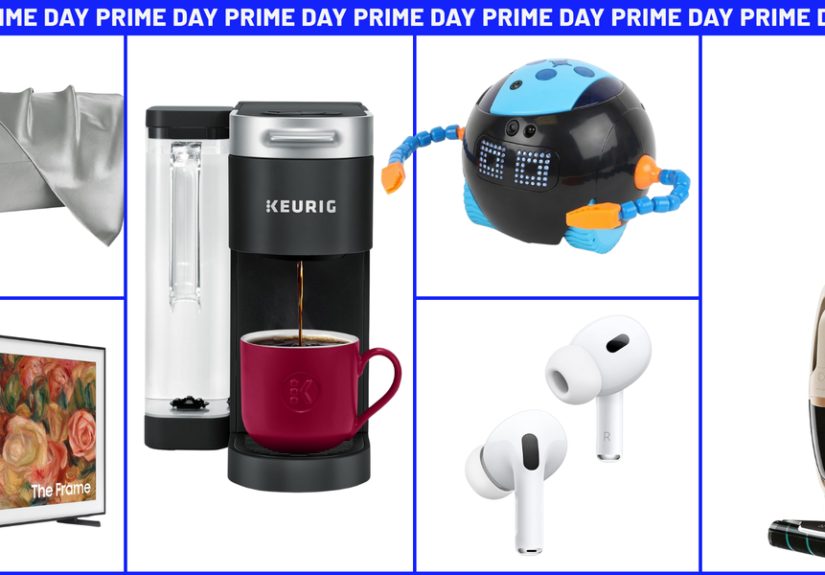
If one category consistently hangs on after Prime Day, it is consumer tech. Think AirPods, tablets, smart speakers, streaming devices, chargers, trackers, and laptops with modest but meaningful markdowns. These are the deals that tend to stay alive because they appeal to a massive audience and move quickly even after the event ends.
The smartest post–Prime Day tech buys are not always the flashiest. Sure, a premium laptop discount is nice, but everyday tech accessories often bring the better value. Wireless earbuds, Bluetooth trackers, portable chargers, Echo devices, and streaming sticks are the kind of things people actually use every single week. If you missed the main rush, start there.
Also keep an eye on products that were labeled “lowest price ever” or “lowest price in months” during the event. Even if the price bounces up a little after Prime Day, a small increase does not automatically kill the value. If a $5 difference stands between you and replacing a cracked pair of old earbuds, that is not a tragedy. That is Tuesday.
2. Kitchen Appliances and Cookware
Post–Prime Day kitchen sales are the retail equivalent of leftovers that somehow taste better the next day. Air fryers, blenders, Dutch ovens, food choppers, sheet pans, storage sets, coffee makers, and stand mixers often remain discounted because retailers know the fall audience is already thinking about holiday cooking, baking, and entertaining.
This is especially true for practical kitchen tools from recognizable brands. The best lingering sales are usually on products with broad appeal: Ninja appliances, KitchenAid mixers, OXO gadgets, Lodge cookware, Le Creuset splurges, and containers that promise to make your fridge look like you have your life together. Will a new storage set fix everything? No. But it may stop the weekly avalanche of mysterious sauce containers.
When shopping this category, value matters more than raw percentage off. A 20% discount on a truly excellent pan you will use for five years can beat a 60% discount on a gadget destined for cabinet exile.
3. Home Cleaning and Vacuum Sales
Vacuums almost always show up in extended deal coverage, and frankly, that makes sense. Robot vacuums, stick vacuums, carpet cleaners, and multi-surface models are classic event heroes because they are expensive enough for a discount to matter and useful enough to justify the purchase.
The big names tend to dominate here: Shark, Dyson, Bissell, and Eufy. If you are buying after Prime Day, focus less on dramatic marketing language and more on your floor situation. Apartments with mostly hard floors do not need the same machine as a pet-heavy house where every rug has entered a long-term relationship with dog hair.
Robot vacuums deserve special mention because they often look like futuristic magic and act like moody interns. Some are brilliant; some bump into a chair leg for forty minutes and call it a shift. Read real-world reviews before buying, especially for mapping, obstacle avoidance, and app reliability.
4. Beauty, Wellness, and Personal Care
Beauty deals tend to quietly survive the event because they are easier for retailers to keep moving after the main rush. Lip treatments, moisturizers, electric toothbrushes, skincare devices, hair tools, and wellness basics frequently remain on sale for a bit longer than expected.
This category is where disciplined shopping matters. It is easy to get charmed by a flashy serum and an “editor favorite” badge. But the best post–Prime Day beauty sale is the one tied to something you already use or genuinely needed to restock. Replacing your cleanser, toothbrush heads, or hot tool is smart. Building a ten-step routine because one cream was discounted is how you end up with a bathroom cabinet full of expensive optimism.
Look for trusted, repeat-use products with strong reviews and clear benefits. In beauty, consistency beats novelty. Your face does not care that the packaging is pretty. Your face would, however, appreciate you not buying twelve random products at 1:14 a.m.
5. Toys, STEM Finds, and Holiday Giftable Picks
One of the best reasons to shop after October Prime Day is holiday gifting. Toy discounts often linger just long enough for thoughtful shoppers to build a better cart. And yes, this is where STEM toys, building kits, educational games, and family-friendly picks can shine.
The sweet spot is gifts that feel fun first and educational second. Kids can smell homework disguised as a present from three zip codes away. The best STEM toys make curiosity feel like play, whether that means a coding robot, a marble run, a logic game, or a beginner science kit that does not turn your kitchen into a low-budget volcano documentary.
Because gift shopping is emotional, this is also the easiest place to overspend. Set a budget. Buy for the child, not your fantasy version of the child who suddenly develops a passion for structural engineering because of one discounted gadget.
6. Bedding, Luggage, Fashion, and Seasonal Comfort Buys
October is prime time for comfort shopping. That means bedding, quilts, comforters, slippers, luggage, sweaters, and travel accessories tend to keep popping up in post-event sale lists. These are practical purchases with strong seasonal relevance, which makes them perfect lingering deals.
Bedding is often the quiet champion here. New sheets, pillows, or a comforter can improve everyday life in a way that feels surprisingly luxurious for the price. Luggage also deserves a nod, especially as year-end travel ramps up. If your suitcase sounds like a shopping cart with trust issues, now is the moment.
For fashion, stay picky. The best post–Prime Day fashion buys are staples: comfortable sneakers, layering basics, quality denim, dependable outerwear, and accessories you will actually wear. If it only looks good under ring-light conditions and requires “confidence” as a care instruction, leave it.
How to Tell Whether a Leftover Prime Day Deal Is Actually Good
Check the real price history
A discount is only exciting if it beats the usual selling price. If the item is “normally” $199 but has spent the last six months bouncing between $119 and $129, then congratulations, you have discovered retail theater. Use price history tools or cross-check with multiple retailers before you commit.
Prioritize products with broad editorial consensus
When multiple reputable shopping teams keep recommending the same categories and brands, that is useful. It does not guarantee perfection, but it does suggest the item is competitive on performance, popularity, and price. Repetition can be annoying in karaoke, but in product testing it is informative.
Know what problem you are solving
The strongest purchase decisions are boring in the best way. You need better headphones for commuting. You need a vacuum for pet hair. You need a luggage upgrade before holiday travel. Once the purpose is clear, the deal gets easier to judge. Random browsing is how you end up buying a countertop ice maker while living in a studio apartment.
Watch for return policies and shipping dates
Especially in October, long holiday return windows can add value. So can fast shipping if you need a gift or a seasonal item quickly. The best discount in the world is less impressive when it arrives after the moment you needed it.
Do Not Ignore the Retailers Trying to Beat Amazon
Some of the best post–Prime Day sales are not on Amazon at all. Walmart often counters with aggressive home, toy, and electronics pricing. Target turns deal week into a full event with rotating promotions and strong everyday essentials. Best Buy can be especially competitive on tech, headphones, TVs, and laptops. Brand sites may also sweeten the offer with bundles, bonus gifts, or better warranty perks.
This matters because the smartest October shopper is not loyal to a logo. They are loyal to the final price, shipping speed, return policy, and product quality. If Walmart beats Amazon on the same coffee maker, lovely. If Target throws in a gift card, even better. If Best Buy gives you easier pickup and support, that counts too.
In other words, do not shop like a fan. Shop like a mildly skeptical accountant with a caffeine habit.
Prime Day Shopping Mistakes to Avoid
The biggest mistake is assuming every leftover deal is still special. Some are. Some are just tired markdowns trying to ride the Prime Day afterglow. Another mistake is chasing giant percentages instead of actual usefulness. A 70% discount on something irrelevant is still 30% too much.
Shoppers also tend to overvalue urgency. Yes, some deals really do disappear fast. But panic is a terrible shopping assistant. It does not compare specs, read reviews, or remind you that you already own three travel mugs. Slow down. Check the numbers. Buy what makes sense.
And finally, do not forget the calendar. October deals are great, but they are not your last chance on Earth. Black Friday is not exactly a secret. If the price is fine but not amazing, waiting can still be a perfectly rational move.
The Real Experience of Missing Prime Day and Shopping the Sales Anyway
There is a very particular feeling that comes with missing October Prime Day. It starts with confidence. You tell yourself you are not going to get sucked into a giant shopping event this time. You are above the chaos. You are disciplined. You are focused. Then, about twelve hours after the sale ends, you casually open your phone and discover that half the internet is screaming about “last chance” deals you somehow missed. Suddenly, you are not above the chaos. You are in it, wearing fuzzy socks, comparing air fryers like your reputation depends on it.
But honestly, shopping after Prime Day can be a much better experience than shopping during it. During the event, everything feels loud. Timers are counting down, lightning deals are vanishing, and every product page acts like this exact blender is your final opportunity for happiness. After the event, the mood changes. You can think. You can compare. You can ask the most important question in online shopping: “Do I actually need this, or did a yellow coupon box just hypnotize me?”
That calmer pace is where better decisions happen. You notice patterns. The same products keep appearing in expert roundups. The same categories hold strong discounts. The same rival retailers pop up with prices that are just as good, or sometimes better. Instead of shopping like you are on a game show, you start shopping like a person with a plan. It is wildly underrated.
There is also something satisfying about skipping the first wave and still getting a win. It feels a little like showing up late to a party and finding out the best snacks are still untouched. The high-pressure shoppers already fought through the mess. You arrive after the confetti settles, spot the genuinely useful deals, and leave with the one thing you actually wanted. That is not missing out. That is elite timing with a slightly messy browser tab situation.
My favorite post–Prime Day shopping moments are always the practical ones. Replacing the headphones that keep disconnecting. Buying the luggage upgrade before a holiday trip. Finally getting the vacuum that can handle pet hair without sounding like it is preparing for takeoff. These are not glamorous purchases, but they make life better in a noticeable way. And when you get them on sale without the full event stress, the whole thing feels less like reckless spending and more like quiet competence.
So yes, missing October Prime Day can feel annoying for about five minutes. After that, it can become the better shopping strategy. You avoid impulse buys, focus on products you genuinely need, compare more retailers, and shop with a clearer head. That is a pretty nice trade. And if you still somehow end up buying a milk frother, weighted blanket, and Bluetooth tracker at midnight, at least you did it thoughtfully.
Final Takeaway
If you missed October Prime Day, you did not miss the entire opportunity. Some of the best sales often stay live after the event, especially in tech, home cleaning, kitchen gear, beauty, toys, bedding, and travel. The secret is not shopping faster. It is shopping smarter. Look for products with a clear purpose, strong reviews, credible price history, and better-than-average value across multiple retailers.
The best post–Prime Day cart is not the biggest one. It is the one filled with things you will still be happy you bought a month from now. Preferably without needing to explain to anyone why you suddenly own a countertop popcorn machine.