Table of Contents >> Show >> Hide
- Why Shrimp Congee Works So Well
- Congee Basics: The Ratio That Makes or Breaks It
- Ingredients You’ll Need
- How to Make Congee Rice Porridge With Shrimp (Stovetop)
- Quick Shrimp-Shell Broth (Optional, But Delicious)
- Instant Pot Method (When You Want Congee With Less Babysitting)
- Fast Shortcut: Congee Using Leftover Rice
- Flavor Add-Ons That Make It Taste Restaurant-Good
- Variations: Make It Yours Without Breaking the Recipe
- Storage and Reheating (So Leftovers Stay Safe and Tasty)
- Troubleshooting (Because Congee Has Opinions)
- Serving Ideas
- Conclusion
- Experiences: What Shrimp Congee Feels Like in Real Life (and Why People Keep Making It)
Congee is the culinary equivalent of a cozy sweatshirt: not fancy, not trying too hard, and somehow exactly what you want when the day gets loud. This rice porridge shows up across Asia in different forms (you’ll hear it called congee, jook, juk, or simply “rice porridge”), but the mission is always the same: take humble rice, simmer it until it turns creamy and comforting, then dress it up with toppings that make you feel like a genius.
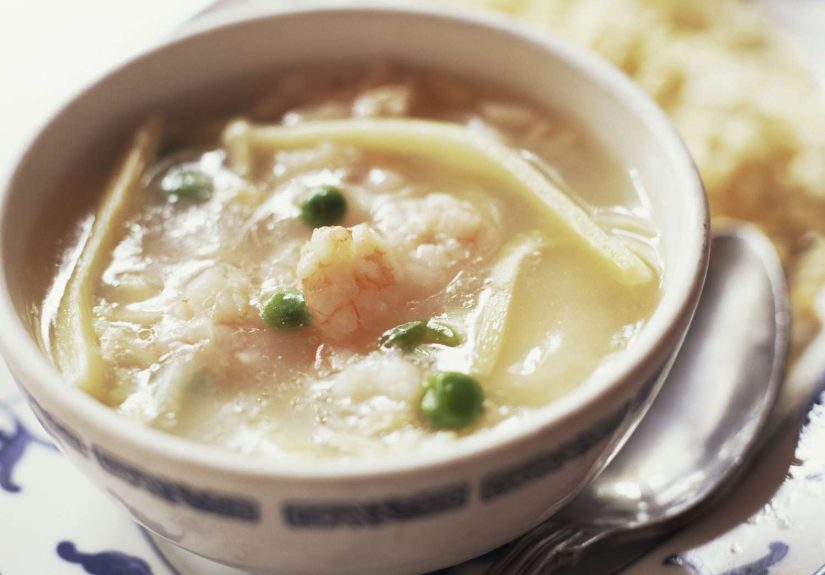
Today we’re doing the best kind of upgrade: congee rice porridge with shrimp. It’s light but satisfying, easy enough for a weeknight, and special enough to serve when you want people to think you “meal plan.” The shrimp cook quickly (no rubbery regrets), and the congee base is forgivingmeaning you can customize it, stretch leftovers, and still get a bowl that tastes like you tried harder than you did.
Why Shrimp Congee Works So Well
Congee is all about texture: a soft, velvety rice base that’s soothing but not boring. Shrimp fit perfectly because they bring natural sweetness and a subtle ocean-y depth without overpowering the bowl. Add ginger and scallions and you’ve got that clean, bright flavor that keeps each spoonful interesting.
Bonus: shrimp shells (if you buy shell-on) can become an instant broth booster. That means more flavor with zero extra moneyyour wallet will clap politely.
Congee Basics: The Ratio That Makes or Breaks It
Congee isn’t difficult, but it does have one “golden rule”: the rice-to-liquid ratio. More liquid = thinner congee. Less liquid = thicker, spoon-stand-up congee.
Common Congee Ratios (by volume)
- 1 cup rice : 7–8 cups liquid → thick, hearty congee
- 1 cup rice : 9–10 cups liquid → medium to thinner congee (more “porridge-y”)
For shrimp congee, a slightly thicker base is great because it holds toppings and lets the shrimp shine. In this recipe, we’ll aim for 1:8 and adjust at the end.
Ingredients You’ll Need
This is a “pantry-friendly” recipe with a few fresh essentials. If you can boil water and keep shrimp from turning into pencil erasers, you’ve got this.
For the Congee Base
- 1 cup jasmine rice (or long-grain white rice; medium-grain also works)
- 8 cups low-sodium chicken broth (or seafood stock, or water + bouillon)
- 1–2 inches fresh ginger, sliced into coins
- 2 garlic cloves, lightly smashed (optional but tasty)
- 1/2 tsp kosher salt, plus more to taste
For the Shrimp
- 12–16 oz shrimp, peeled and deveined (shell-on if you want to make quick broth)
- 1/4 tsp white pepper (or black pepper)
- 1 tsp sesame oil (optional)
Toppings (Choose Your Adventure)
- Sliced scallions (greens and whites)
- Fresh cilantro
- Chili crisp or chili oil
- Soy sauce or tamari
- Toasted sesame seeds
- Fried shallots or fried garlic
- Lime wedges (bright and modernhighly recommended)
- Soft-boiled egg (because breakfast rules are imaginary)
How to Make Congee Rice Porridge With Shrimp (Stovetop)
Serves: 4 | Time: about 60–75 minutes (mostly hands-off)
Step 1: Rinse (and optionally soak) the rice
- Rinse rice in a fine-mesh strainer until the water runs mostly clear. This removes excess starch on the surface so the congee tastes clean, not gluey.
- Optional soak: Soak rinsed rice in water for 20–30 minutes, then drain. This helps it break down faster and cook more evenly.
Step 2: Build the congee base
- In a large pot, add broth (or water/stock), ginger slices, smashed garlic (if using), and salt.
- Bring to a boil, then stir in the rice.
- Reduce heat to a gentle simmer. Cover partially (leave a gap so it doesn’t bubble over like a science fair volcano).
Step 3: Simmer until creamy
- Simmer 45–60 minutes, stirring every 8–10 minutes to prevent sticking.
- As the rice breaks down, the mixture will turn creamy. If it gets too thick, add hot water or broth a splash at a time.
- Texture trick: For extra silkiness, whisk the congee for 15–20 seconds near the end. It helps break up remaining rice grains.
Step 4: Prep shrimp the smart way (aka: don’t overcook them)
- Pat shrimp dry. Season with white pepper and a small pinch of salt. If you like, add a few drops of sesame oil.
- When congee is basically done, slide shrimp into the pot and stir gently.
- Cook 2–4 minutes, just until shrimp turn pink and opaque. Turn off heat immediately.
Step 5: Taste, adjust, and top like a pro
- Remove ginger slices if you want a cleaner bowl (or keep them if you like ginger bites).
- Taste and adjust salt. Add a small splash of soy sauce if you want deeper savory flavor.
- Ladle into bowls and pile on toppings: scallions, cilantro, chili oil, fried shallotswhatever makes you happy.
Quick Shrimp-Shell Broth (Optional, But Delicious)
If your shrimp came with shells, you can turn them into flavor in under 15 minutes. This is the “free upgrade” section.
- In your pot, heat 1 tsp neutral oil. Add shrimp shells and sauté 2–3 minutes until fragrant and slightly pink.
- Add broth/water, ginger, and a pinch of salt. Simmer 10 minutes.
- Strain out shells, return liquid to pot, then cook congee as directed.
Instant Pot Method (When You Want Congee With Less Babysitting)
Pressure cookers are basically congee cheat codes. The texture comes out creamy, and you don’t have to stir as often.
- Rinse 1 cup rice and add to the Instant Pot with 8–9 cups broth/water, ginger slices, and a pinch of salt.
- Cook on High Pressure for 25–30 minutes, then natural release for 10 minutes.
- Open, stir vigorously to thicken and smooth the texture.
- Add shrimp and let them cook in the residual heat 3–5 minutes (use Sauté mode briefly if needed).
Fast Shortcut: Congee Using Leftover Rice
Leftover rice makes surprisingly good congee in a hurry because it’s already cooked and ready to break down. This is perfect for busy mornings or “I forgot dinner was a daily event” nights.
- In a pot, combine 2 cups cooked rice with 4–5 cups broth and ginger.
- Simmer 15–20 minutes, stirring frequently. Add broth as needed to reach your preferred consistency.
- Add shrimp at the end and cook 2–4 minutes.
Flavor Add-Ons That Make It Taste Restaurant-Good
Ginger-Scallion “Sauce” (No Real Cooking Required)
This is a classic topping move: bright, savory, and it wakes up the whole bowl.
- Finely chop 2 scallions and 1 tbsp ginger.
- Heat 2 tbsp neutral oil until shimmering (not smoking).
- Pour oil over ginger and scallions, add a pinch of salt, and stir.
- Spoon over congee right before serving.
Other Easy Boosters
- White pepper: classic congee warmth (gentle heat, not spicy)
- Sesame oil: a few drops at the end = huge aroma
- Chili crisp: for crunch and heat
- Lime: turns “cozy” into “can’t stop eating”
- Pickled veggies: salty-acidic balance (especially if your bowl tastes flat)
Variations: Make It Yours Without Breaking the Recipe
Spicy Shrimp Congee
Add 1–2 tsp chili crisp in the pot near the end, plus a splash of soy sauce. Finish with cilantro and lime. Comfort food with a wink.
Shrimp and Corn Congee
Stir in 1 cup corn kernels during the last 10 minutes. It adds sweetness and makes the bowl feel extra “weekend brunch.”
Ginger-Miso Shrimp Congee
Whisk 1–2 tbsp white miso with a little hot broth, then stir it in at the end (don’t boil miso hard). It adds umami depth and a gentle tang.
Vegetable-Forward
Add chopped mushrooms or baby spinach near the end. Mushrooms bring savoriness; spinach adds color and virtue.
Storage and Reheating (So Leftovers Stay Safe and Tasty)
Congee thickens a lot in the fridgelike it’s trying to become rice pudding without asking. That’s normal.
- Cool quickly: Don’t leave cooked rice dishes sitting out for long. Transfer to shallow containers so it cools faster.
- Refrigerate promptly: Store in airtight containers.
- Use within a few days: When in doubt, trust your senses and don’t gamble on questionable leftovers.
- Reheat with liquid: Add broth or water and stir as it warms to restore creamy texture.
- Heat thoroughly: Bring it up hot and steaming; shrimp should be warmed through, not gently lukewarm.
Troubleshooting (Because Congee Has Opinions)
My congee is too thick
Add hot broth or water, a little at a time, stirring well. It loosens quickly, so don’t dump in a whole cup at once unless you want soup.
My congee is too thin
Keep simmering uncovered for 5–10 minutes, stirring often. You can also whisk to break down more rice and thicken the texture.
It tastes bland
Congee needs seasoning and contrast. Add salt, a small splash of soy sauce, then finish with ginger-scallion, chili oil, citrus, or pickled veggies.
My shrimp turned rubbery
They stayed in too long. Next time, add shrimp at the end and kill the heat as soon as they turn opaque. Shrimp cook fastlike “blink and they’re done” fast.
Serving Ideas
Shrimp congee can be breakfast, lunch, or a “my brain is tired” dinner. Serve it with:
- A simple cucumber salad (vinegar + sesame oil + salt)
- Steamed greens with garlic
- Tea or a light broth-based soup if you’re doing a bigger spread
Conclusion
This congee rice porridge with shrimp recipe is the kind of meal that quietly improves your day. The rice turns creamy, the shrimp stay tender, and your toppings do most of the heavy lifting. Once you learn the basic ratio and the “add shrimp at the end” rule, you can riff endlesslyspicy, gingery, veggie-packed, or minimalist with just scallions and sesame oil. It’s comfort food with options, and honestly, that’s the best kind.
Experiences: What Shrimp Congee Feels Like in Real Life (and Why People Keep Making It)
There’s a reason congee shows up in so many homes and restaurants: it’s not just a recipe, it’s a ritual. You’ll hear plenty of home cooks describe it as the food they reach for when they want something gentle but satisfyingespecially on cold mornings, after travel, or when everyone’s running on low battery. Shrimp congee in particular has this neat trick where it tastes clean and light, yet still feels like a complete meal. It’s the “I want comfort, but I also want to feel awake afterward” bowl.
One common experience people mention is the calm of the simmer. Congee doesn’t demand constant attention, but it rewards you for checking in. Stirring every so often becomes a small kitchen rhythm: lift the lid, watch the bubbles, give it a few turns, and you can literally see the rice softening and dissolving into creaminess. It’s oddly satisfyinglike watching a messy room get organized, except it ends with dinner.
Then there’s the topping personality test. Some people go minimalist: sliced scallions, a few drops of sesame oil, and maybe white pepper. Others build a mountainchili crisp, fried shallots, cilantro, soy sauce, lime, and a soft-boiled egg leaning casually on top like it’s posing for a food magazine. Shrimp congee is flexible enough for both moods. That’s why it’s such a crowd-pleaser: picky eaters can keep it simple, spice lovers can light it up, and everyone still feels like they’re eating the same dish.
Shrimp also bring their own “experience factor.” Cooked properly, they stay tender and sweet, and that contrast with the soft congee is a big part of the appeal. A lot of people learn (sometimes the hard way) that shrimp don’t want a long soak in bubbling porridge. Once you nail the timingadding them at the end, turning off the heat, letting residual warmth do the workyou’ll notice a confidence shift. Suddenly you’re not “making porridge,” you’re “finishing a dish.” And yes, that tiny ego boost is delicious.
Another common experience: leftovers that feel like a gift. Shrimp congee thickens overnight, so day two often starts with someone opening the container and thinking, “Uh… did my congee become drywall paste?” That’s normal. The fixwarming it with a splash of broth and stirring until silky againfeels almost magical the first time. People also love that it stretches: you can turn one pot into multiple meals by changing the toppings. Day one might be ginger-scallion and sesame. Day two might be chili crisp and lime. Day three might be a calmer bowl with sautéed mushrooms and a drizzle of soy sauce.
Finally, shrimp congee has a “welcome home” vibe. It’s the kind of dish people make for someone who isn’t feeling great, for a friend who’s visiting, or for themselves when they want something nurturing. It’s not flashy, but it’s deeply intentional. And in a world full of chaotic meals eaten standing over the sink, a warm bowl you eat slowlysteam rising, toppings melting into the surfacefeels like a small act of kindness you can do with a pot, a spoon, and some rice.