Table of Contents >> Show >> Hide
Note: This article is for educational purposes only and is not a substitute for personalized medical advice. The citation markers are included for verification in chat and should be removed before web publishing.
When you have endometriosis, the question is rarely, “What is the perfect treatment?” It is usually, “What is most likely to help without making my life even more dramatic than it already is?” Fair. Endometriosis affects about 1 in 10 women of reproductive age, and it can cause painful periods, chronic pelvic pain, pain with sex, bowel or bladder discomfort, and fertility problems. That is where Mirena often enters the chat. It is small, hormonal, and marketed like a calm little T-shaped peacekeeper. But with endometriosis, the real question is whether it actually relieves symptoms or just adds a new subplot.
The honest answer is this: Mirena can help many people with endometriosis, especially when heavy bleeding and painful periods are a big part of the problem, but it is not a cure, it is not universally tolerable, and it can absolutely feel worse before it feels better. Doctors commonly use it for endometriosis-related symptom control, even though Mirena itself is FDA-approved for pregnancy prevention and heavy menstrual bleeding, not specifically for endometriosis. In other words, it can be helpful, but it is not magic, and it does not hand-deliver peace to every pelvis.
What Mirena Actually Is
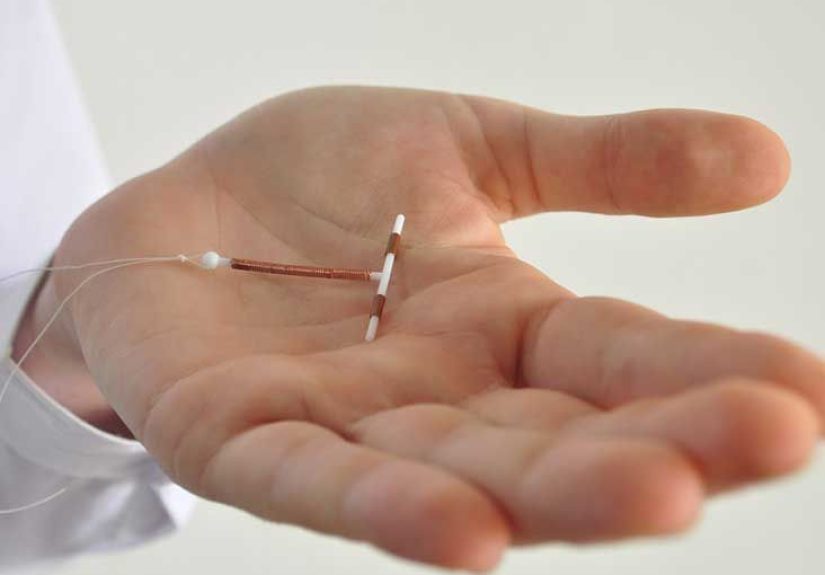
Mirena is a levonorgestrel-releasing intrauterine system that sits inside the uterus. It contains 52 mg of levonorgestrel, is approved to prevent pregnancy for up to 8 years, and is approved to treat heavy menstrual bleeding for up to 5 years in people who also want contraception. It works mainly by thinning the uterine lining, thickening cervical mucus, changing the uterine environment, and sometimes suppressing ovulation, though many users still ovulate. That “mostly local” action is part of why Mirena can be appealing: it often provides symptom relief with less whole-body hormone exposure than some oral options.
For endometriosis, Mirena is usually used because progestin therapy can suppress bleeding and reduce the hormonal stimulation that feeds symptoms. Mayo Clinic lists levonorgestrel IUDs among progestin therapies used to relieve endometriosis symptoms, and federal women’s health guidance lists hormonal birth control, including hormonal IUDs, as a common first step when someone is not trying to become pregnant. That makes Mirena less of an oddball choice and more of a mainstream “let’s try the least invasive useful thing first” option.
How Mirena May Help Endometriosis
1. It can calm painful periods and heavy bleeding
If your endometriosis comes with heavy periods, brutal cramps, or both, Mirena may be especially useful. Official Mayo and Cleveland Clinic materials both note that hormonal IUDs can lessen bad menstrual pain and may improve endometriosis symptoms. Mirena also has a separate FDA-approved role in reducing heavy menstrual bleeding, which matters because some people with endometriosis are dealing with pain and a monthly bloodbath that destroys white sheets and emotional stability in equal measure.
Over time, many users bleed less. According to the FDA label, bleeding and spotting often become irregular at first, then generally decrease, and amenorrhea develops in about 20% of Mirena users by one year. That can be a major win for people whose symptoms flare hardest around menstruation. Fewer periods often means fewer opportunities for cramps, less bleeding, and a quieter monthly inflammatory roller coaster.
2. It may help as maintenance after surgery
Mirena is also commonly used after endometriosis surgery to help keep symptoms from roaring back too quickly. The research here is promising but not perfectly tidy. A 2018 meta-analysis reported a positive effect of the levonorgestrel IUD as postoperative maintenance therapy for pain relief and dysmenorrhea prevention, and a broader 2020 meta-analysis found that postoperative hormonal suppression, including LNG-IUS, was associated with lower recurrence risk and lower pain scores than expectant management. But a 2021 Cochrane review said there still is not enough high-certainty evidence to settle every question about postoperative LNG-IUD use. Translation: doctors use it a lot, many patients benefit, but medicine still owes us sharper data.
3. It may be a good fit if you want contraception too
For someone who needs birth control and symptom control at the same time, Mirena can be a two-birds-one-device situation. That practical benefit matters. If a treatment can reduce pregnancy risk, lighten bleeding, and lower period pain without requiring a daily pill reminder, it earns real-world points fast. MedlinePlus and the FDA both confirm Mirena’s long-acting contraceptive duration, while women’s health guidance notes hormonal IUDs are used to reduce pain and bleeding in endometriosis.
Where Mirena May Fall Short
1. It is not a cure for endometriosis
Mirena can treat symptoms, but it does not erase endometriosis from existence like some kind of hormonal exorcism. Federal women’s health guidance is very clear that hormonal treatment works only as long as it is being used and that pain may return after stopping. That matters if you are hoping for a permanent fix. Mirena may buy time, lower symptom intensity, and improve quality of life, but it does not eliminate the underlying tendency for endometriosis to behave badly.
2. The first few months can be rough
If you ask around, this is where the Mirena debate gets spicy. The FDA label says the first 3 to 6 months can bring more bleeding and spotting days, irregular bleeding, cramping, and shifting cycle patterns. MedlinePlus also notes that insertion can cause cramping, dizziness, fainting, sweating, and bleeding, and that severe pain or symptoms lasting longer than expected should be reported. For some people, that startup phase is temporary and worth it. For others, it feels like paying a very rude cover charge for a club they no longer want to enter.
3. Some side effects are common enough to matter
Mirena’s most common adverse reactions in clinical trials included altered bleeding patterns, abdominal or pelvic pain, amenorrhea, headache or migraine, genital discharge, vulvovaginitis, breast pain, ovarian cysts, acne, back pain, and depressed or low mood. That does not mean every symptom is caused by Mirena in every person, and it definitely does not mean side effects will outweigh benefits. But if someone already has pelvic pain, migraines, mood concerns, or sensitivity to hormonal changes, this list deserves an honest pre-insertion conversation.
4. It may help some symptoms more than others
Because Mirena works mostly inside the uterus and many users still ovulate, it may do best when symptoms are tightly linked to menstruation, bleeding, and uterine cramping. That does not mean it cannot help broader endometriosis pain, but it helps explain why one person says, “Mirena changed my life,” while another says, “My periods got lighter, but my deep pelvic pain still showed up like it pays rent.” That is an inference based on how the device works and on the fact that endometriosis symptoms vary widely by lesion location and disease pattern.
When Mirena Can Truly Hurt
Most problems with Mirena are not catastrophic, but a few important risks should never be shrugged off. The FDA label warns about expulsion, perforation, pelvic infection, and ectopic pregnancy if pregnancy occurs with Mirena in place. In trials, the reported expulsion rate over 5 years was 4.5%. Perforation during clinical trials was under 0.1%, but risk is higher with recent postpartum insertion and higher with breastfeeding at the time of insertion. The label also notes that upper genital infections were more common in the first year and highest in the first month after insertion. These are uncommon events, not the expected experience, but they are real and worth respecting.
Mirena is also not appropriate for everyone. The FDA lists contraindications that include current pelvic inflammatory disease or certain infection histories, untreated cervicitis or vaginitis, unexplained uterine bleeding, known or suspected uterine or cervical malignancy, breast cancer or other progestin-sensitive cancer, liver disease or liver tumors, and certain uterine abnormalities that distort the cavity. If that list feels intimidating, good. Contraceptive counseling should be individualized, not treated like a drive-thru order.
So, Does Mirena Help or Hurt?
For many people with endometriosis, Mirena helps more than it hurts. It can reduce bleeding, quiet period-related pain, support postoperative symptom control, and offer excellent contraception at the same time. But the version of Mirena that helps is usually the version that is well-selected, well-timed, and well-tolerated. If you are actively trying to conceive, have severe noncyclical pelvic pain, have hormone-sensitive risk factors, or cannot tolerate the first months of irregular bleeding and cramping, Mirena may be the wrong tool or only part of the plan. The device is neither hero nor villain. It is a treatment option, and like most endometriosis treatments, it shines brightest when matched to the right patient.
Questions to Ask Before Saying Yes to Mirena
Before getting Mirena for endometriosis, it helps to ask a few practical questions: Are my symptoms mostly period-related or also present all month? Am I trying to avoid pregnancy right now? Have I had bad reactions to progestin before? What is my backup plan if spotting, pain, or mood changes become deal-breakers? Do I need pain control for insertion? And if this does not work, what comes next: another hormonal option, pelvic floor therapy, surgery, or a specialist referral? Asking these questions does not make you difficult. It makes you efficient, which is different and much more flattering.
Common Experiences With Mirena and Endometriosis
People’s experiences with Mirena and endometriosis tend to fall into a few recognizable patterns. One common story is the “messy beginning, better ending” experience. The first two or three months are annoying: random spotting, cramps that feel suspiciously personal, and the constant need to carry a liner “just in case.” Then, slowly, things settle. Periods get lighter, cramps become less dramatic, and the overall symptom burden drops from “cancel all plans” to “I can function like a person again.” That arc fits with the FDA’s description of irregular bleeding early on and with the longer-term trend toward less bleeding and even amenorrhea in some users.
Another common experience is the “great for bleeding, only okay for pain” pattern. Some people are thrilled because their periods become short, light, or disappear, but they still have pelvic pain, painful sex, bowel symptoms, or deep aching that does not fully back off. This does not necessarily mean Mirena failed. It may mean the device improved the uterine and menstrual side of the problem more than the deeper endometriosis side. Clinically, that makes sense, because endometriosis symptoms are diverse and Mirena’s main effects are centered in the uterus. For patients in this group, Mirena may still be useful, just not sufficient on its own.
There is also the “nope, this is not for me” experience, and it deserves just as much respect. Some people notice persistent cramping, mood changes, headaches, acne, ovarian cyst issues, or a general sense that their body is staging a protest. Others hate the unpredictability of early bleeding so much that they want the device out long before the potential benefits have time to arrive. The FDA label documents that bleeding changes, pelvic pain, headache or migraine, acne, ovarian cysts, and depressed mood all occur often enough to be clinically relevant. If the trade-off feels lousy, removal is a reasonable decision, not a moral failure.
A fourth pattern shows up after surgery. Some patients feel Mirena helps preserve the gains they got from excision or laparoscopy. They may still have flares, but not as frequently or as intensely. The literature suggests postoperative hormonal suppression can reduce recurrence risk and pain compared with doing nothing, although the evidence is not perfectly consistent and still needs stronger trials. In real life, this means Mirena may work best not as a solo superstar, but as part of a long-game management plan. For endometriosis, that is often the real goal anyway: fewer flares, less disruption, and a life that is not constantly scheduled around pain.
Finally, many people simply appreciate the convenience. No daily pill. No weekly patch. No monthly ring. One device, one appointment, then long-term contraception plus a shot at lighter periods and less cyclical pain. That convenience can be a huge quality-of-life benefit, especially for people already exhausted by chronic pain management. The flip side is that insertion is a procedure, not a casual errand, and some people need better pain planning than they are initially offered. If Mirena is on the table, the best experience usually comes from realistic expectations: expect an adjustment period, monitor how your body responds, and stay willing to change course if the balance between relief and side effects stops making sense.
Conclusion
Mirena can be genuinely helpful for endometriosis, particularly when painful periods and heavy bleeding are front and center, and it may also support symptom control after surgery. But it is not a cure, not FDA-approved specifically for endometriosis, and not guaranteed to feel good in the short term. The best way to think about it is as one strong option in a bigger toolkit. If your symptoms are cyclical, you want reliable birth control, and you are willing to ride out a possible adjustment period, Mirena may help a lot. If your symptoms are severe, constant, or poorly responsive to progestin, it may only help a little or not at all. Endometriosis management is rarely one-size-fits-all. Annoying, yes. But also true.