Table of Contents >> Show >> Hide
- First: What Does “Sulfur” Mean Here?
- Why Matte Finish Makes Sulfur Trickier (and Cooler)
- Picking Your Perfect “Sulfur” Matte: Undertone Matters
- Prep Like You Mean It: The Non-Negotiable Base
- How to Apply Matte Sulfur Without Patchiness
- Four Wearable Sulfur Looks (That Don’t Require a Costume)
- Color Pairings That Make Sulfur Look Expensive
- Fix-It Kit: When Your Matte Sulfur Goes Rogue
- Ingredient Reality Check: Sulfur, Sulfites, and Sensitive Skin
- How to Make Matte Sulfur Look Good in Photos
- Final Thoughts: Sulfur Matte Is Bold, But It’s Not a Dare
- Experiences With Matte Finish Eyeshadow – Sulfur (A Longer, Real-World Add-On)
“Sulfur” might sound like something you’d rather keep far away from your eyeballs (fair), but in the world of makeup, it’s also a vibe:
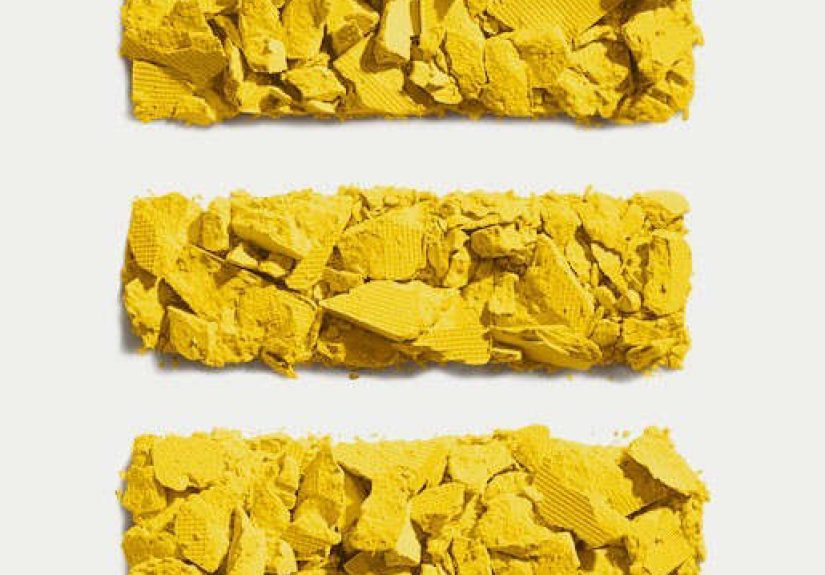
a punchy yellow that can lean lemon, marigold, or chartreuseespecially when it shows up as a matte finish eyeshadow shade.
Done right, matte sulfur eyeshadow looks editorial, modern, and strangely wearable. Done wrong… it can look like you lost a fight with a stick of sidewalk chalk.
This guide is your no-drama roadmap: what “sulfur” means in eyeshadow, why matte formulas behave the way they do, how to apply bold yellow smoothly,
what to pair it with so it looks intentional (not accidental), and how to fix patchiness, creasing, and fallout without starting your entire face over.
At the end, you’ll also get a longer “experience” sectionreal-world style scenarios and common lessons people run into when they start wearing matte sulfur tones.
First: What Does “Sulfur” Mean Here?
“Sulfur” as a shade
In eyeshadow naming, “sulfur” usually points to a bright yellow familythink sunlit lemon, warm mustard, or a yellow-green edge.
It’s the kind of color that wakes up a look instantly, even if the rest of your face is giving “I woke up five minutes ago and chose chaos.”
“Sulfur” as an ingredient (important PSA)
Sulfur is also a real skincare ingredient commonly used in over-the-counter acne treatments. That’s a completely different category than eyeshadow.
Acne sulfur products are meant for skin (usually as spot treatments or washes), not eyelids. The eye area is more delicate and easier to irritate,
so don’t DIY a “sulfur eye look” with skincare sulfur. If you’re using sulfur for breakouts, keep it where it belongs: on skin, away from eyes.
Why Matte Finish Makes Sulfur Trickier (and Cooler)
Matte eyeshadow is basically the honest friend who tells you the truth: it shows technique. Shimmers can blur mistakes with sparkle.
Mattes are more like, “I see you didn’t blend that edge, and I’m going to remember it forever.”
But matte sulfur eyeshadow has a superpower: it looks graphic without being glittery. It can shape the eye, build depth, and read “fashion”
even in a simple wash of color. The key is understanding how matte pigment sits on skin:
- Mattes need a good base or they can grab unevenly.
- Yellow pigments can sheer out and look patchy if you swipe too hard.
- Building in thin layers looks smoother than one heavy dump of color.
Picking Your Perfect “Sulfur” Matte: Undertone Matters
Not all yellows are created equal. If “sulfur” is the family name, undertone is the personality:
- Lemon yellow: bright, crisp, high-impact. Looks amazing with clean eyeliner or glossy skin.
- Marigold/mustard: warmer, softer, more “wearable” for everyday. Plays well with browns and bronzes.
- Chartreuse/yellow-green: edgy and artsy. Looks unreal with taupe, gray, or deep plum.
If you’re nervous, start with a mustard-leaning sulfur. If you’re bold (or simply fueled by iced coffee and confidence), go lemon.
And if you want people to ask, “Waitwhat is that color?!” pick chartreuse.
Prep Like You Mean It: The Non-Negotiable Base
Matte sulfur eyeshadow rewards prep. Your goal is a smooth, slightly grippy surfacenot oily, not wet, not overly powdered into desert territory.
Step 1: Clean, dry lids
If your lids get oily, a quick wipe and a moment to dry down helps. Oil is basically a slip-n-slide for eyeshadow.
Step 2: Primer (or a thin concealer layer)
Use an eyeshadow primer if you have one. If you use concealer, keep it thin and even. Too much product makes creasing more likely.
Step 3: Set strategically
Lightly set the base with a neutral matte (or a whisper of translucent powder) so your sulfur shade blends instead of sticking in one spot.
If your lids are very dry, set less. If they’re oily, set a bit more.
How to Apply Matte Sulfur Without Patchiness
The number one mistake with yellow mattes is treating them like you’re sanding a deck. Don’t scrub. Pat, press, then blend.
Here’s a technique that works for most matte sulfur shades:
The “Press-Blend-Build” method
- Press: Use a flat shader brush to press sulfur onto the lid where you want the most color.
- Blend: Switch to a fluffy brush to soften edges in small circles or gentle windshield-wiper motions.
- Build: Add another thin layer only where needed. Repeat until it looks rich, not thick.
Use a transition shade (yes, even with yellow)
A soft tan, warm beige, or peachy nude in the crease gives sulfur somewhere to fade into. Without a transition, yellow can stop abruptly and look “stamped.”
Keep the brightest sulfur where the lid is smoothest
If texture or fine lines show more on the inner lid, place the most saturated sulfur slightly toward the center of the lid,
then blend outward. You’re basically giving the color the best seat in the house.
Four Wearable Sulfur Looks (That Don’t Require a Costume)
1) The Soft Sulfur Wash (easy starter)
Sweep a sheer layer of matte sulfur across the lid, then blend a warm beige into the crease. Add mascara. Done.
It reads fresh and modernlike “I own plants and remember to water them.”
2) The Sulfur Pop Inner Corner
Keep your lid neutral (taupe, soft brown, or even bare), then tap matte sulfur in the inner corner and slightly onto the inner lid.
It brightens the eyes without feeling like a full yellow moment.
3) The Sunset Gradient
Pair sulfur with warm orange, terracotta, or brick tones. Put sulfur on the inner third of the lid,
orange in the center, and terracotta on the outer corner. Blend where they meet.
It looks intentional because the colors belong to the same warm family.
4) The Sulfur Smoke (surprisingly chic)
Yes, smoky eyes can be yellow-adjacent. Use matte sulfur on the lid, then deepen the outer corner with charcoal, espresso brown,
or deep plum. Keep the darkest shade tight to the outer V so the yellow still reads.
Color Pairings That Make Sulfur Look Expensive
If sulfur feels loud, pairing is how you turn “loud” into “luxury.” Try these:
- Purples and plums: Yellow and purple are opposites on the color wheel, so they make each other pop.
- Warm browns: A soft brown crease makes yellow feel grounded and wearable.
- Grays and taupes: Cooler neutrals make chartreuse-leaning sulfur look editorial.
- Olive and khaki: For that “cool art teacher” palette energy.
- Black liner: A clean line adds structure so bright matte looks sharp, not messy.
Fix-It Kit: When Your Matte Sulfur Goes Rogue
Problem: Patchy lid
- Tap a tiny bit of translucent powder over the patch, then press sulfur back on top in thin layers.
- Use less pressure. Patchiness often comes from over-blending too soon.
- Switch to a denser brush for placement, then blend with a clean fluffy brush.
Problem: Fallout under the eyes
- Do eyes before base makeup when testing a new sulfur shade.
- If you already did your base: use a fluffy brush to sweep away fallout, then touch up concealer lightly.
Problem: Creasing midday
- Use a dedicated eye primer and keep layers thin.
- Set the base lightly before applying sulfur.
- For very oily lids, consider a long-wear cream base under powder shadow (then set with powder).
Problem: It’s too bright and you feel attacked by your own eyelids
- Blend the edges with a warm neutral to soften the halo.
- Turn it into a “pop” look: wipe the center lightly and keep sulfur near inner corner or lower lash line.
- Add liner and mascara for balancestructure makes bold color feel intentional.
Ingredient Reality Check: Sulfur, Sulfites, and Sensitive Skin
If you’re here because you saw “sulfur” and wondered about safety: great instinct.
Sulfur (the acne ingredient) is used in regulated OTC skincare at specific concentrations, and it can be effective for breakouts.
But effectiveness doesn’t automatically mean “great for eyelids.” The eye area can react faster and more intensely to irritants.
Separately, some people are sensitive to certain preservatives or ingredients (including sulfite-related compounds used in some products).
If you’ve had reactions before, patch testing and reading ingredient lists is worth it. And if anything burns, stings, or causes swelling:
stop using it and consider medical advice. Makeup should be funnot a chemistry lab accident.
How to Make Matte Sulfur Look Good in Photos
- Blend beyond what you think is necessary: cameras catch edges.
- Add dimension elsewhere: a touch of bronzer or blush keeps the face balanced.
- Define brows lightly: strong brows help bold eye color look polished.
- Choose one hero: if sulfur is the star, keep lips softer (or go bold intentionally with a clean, sharp lip).
Final Thoughts: Sulfur Matte Is Bold, But It’s Not a Dare
Matte sulfur eyeshadow can be playful, editorial, subtle, or full-on solar flareit depends on placement and pairing.
Prep well, press instead of scrub, build in layers, and give the edges a soft landing zone with a transition shade.
Once you nail the technique, yellow stops feeling “scary” and starts feeling like a power color.
Experiences With Matte Finish Eyeshadow – Sulfur (A Longer, Real-World Add-On)
The first time most people try a matte sulfur shade, the experience is usually one of two extremes: either “Wow, this is sunshine in a pan,”
or “Why do my eyelids look like a dusty highlighter marker?” That whiplash is normal. Yellow mattes are famously honest about texture, base prep,
and brush pressure. What you learn quickly is that sulfur isn’t a one-swipe-and-go colorat least not at first.
A common early moment: you dip in confidently, sweep it across the lid like it’s a beige transition, and suddenly the pigment looks uneven.
The instinct is to keep blending (because blending fixes everything, right?), but over-blending matte yellow too soon can actually lift it off,
especially if the base is a little tacky or the brush is too fluffy. The “aha” for many people is switching from sweeping to pressing.
When you press sulfur onto the lid in thin layers, it looks smoother and more saturatedlike an intentional matte statement instead of a faded stain.
Another experience people report: sulfur looks brighter in the pan than on the eye. That’s not your imagination. Yellow pigments can sheer out,
and matte formulas can diffuse as you blend. This is where pairing changes the whole vibe. The minute you add a warm beige or peach transition in the crease,
sulfur suddenly looks more “designed.” Or you add a deeper shade on the outer cornerespresso, charcoal, or plumand the yellow reads like a deliberate highlight
instead of a standalone novelty color.
There’s also the confidence curve. A full matte yellow lid can feel loud in your bathroom mirror at 7 a.m., but by noon you might realize it’s actually
giving “fresh and awake,” especially if your outfit is simple. Lots of people end up loving sulfur most when they wear it as a small pop:
inner corner brightness, a soft haze on the lower lash line, or a tiny “sunbeam” at the center of the lid. Those mini placements feel playful,
and they’re easier to touch up if the day gets long.
Then comes the “upgrade” moment: you figure out what makes sulfur look expensive. Usually it’s structure. A clean lash line (tightlining or a crisp liner),
lashes that aren’t shy, and edges that are intentionally softened. Once you add those, sulfur stops reading like “I tried something weird” and starts reading like
“I know what I’m doing.” People who lean into chartreuse sulfur often describe it as especially fun because it changes with lightingmore yellow in warm light,
more green in cool lightso it feels dynamic even though it’s matte.
Finally, there’s the practical experience: sulfur teaches restraint. It’s the shade that makes you respect primer, appreciate a clean blending brush,
and understand why “thin layers” is not just makeup-artist poetry. Once you’ve mastered matte sulfur, other matte colors start feeling easier.
It’s like training on hard mode and then realizing you’ve quietly leveled up. And honestly? That’s kind of the charm. Sulfur matte isn’t just a color
it’s a technique builder that rewards you with compliments like, “Wait, what eyeshadow is that?!”