Table of Contents >> Show >> Hide
- What It Is: A Farrier-Style Bronze Sconce With Adjustable Attitude
- Why Bronze Works: The Finish That Makes Moody Walls Look Intentional
- Light Behavior: Up, Down, and “Dialed-In”
- Specs and Practicalities: What to Know Before You Commit
- Where It Looks Best: Styling Ideas Room by Room
- How to Mix Metals Without Making Your Room Look Confused
- Installation & Controls: Small Choices That Change Everything
- Maintenance: Keeping Bronze Looking Aged, Not Angry
- Buying Checklist: Confirm These Before You Click “Add to Cart”
- Conclusion + Real-Home Experiences With the Manston Farrier Bronze Look
Some wall lights politely “go with everything.” The Manston Farrier Bronze Vintage Metal Wall Light is not that type.
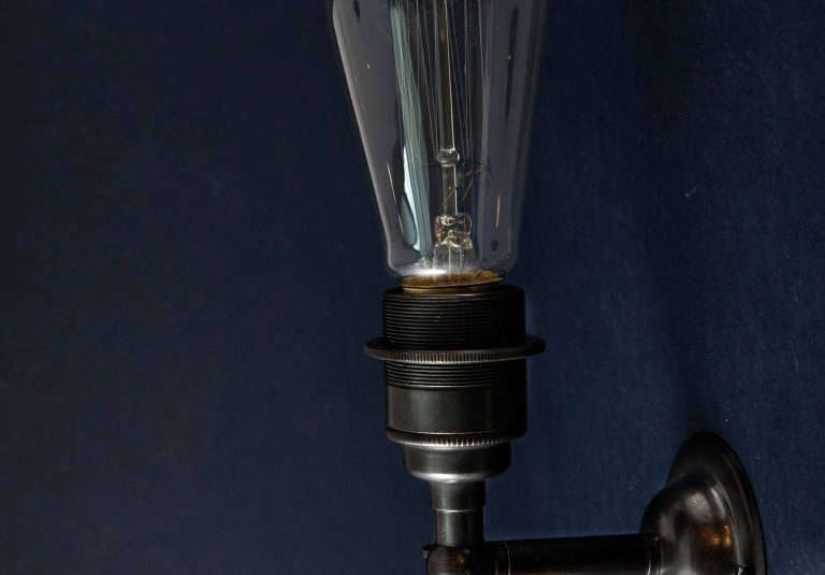
This one shows up like it owns the placemoody bronze finish, vintage-industrial attitude, and an adjustable “knuckle” that lets you aim the glow
exactly where you want it (and away from where you definitely don’tlike directly into your eyeballs at 10 p.m.).
If you love dark paint colors, textured plaster, old wood, or that “heritage-but-not-dusty” look, the Manston Farrier Bronze wall light can feel like
the missing punctuation at the end of your room. In this guide, we’ll break down what makes it special, how it behaves as a light source, where it looks
best, what to double-check before buying, and how real homes tend to experience it once it’s actually on the wall doing its job.
What It Is: A Farrier-Style Bronze Sconce With Adjustable Attitude
“Farrier bronze” is the clue: this is a vintage metal wall light that leans industrial and old-world. It’s designed to look especially at home with
aged finishes, classic Edison-style bulbs, and interiors that like a little drama (the tasteful kind).
Design highlights that matter in real rooms
- Aged bronze effect that reads warm and groundedless “shiny new fixture,” more “I’ve been cool for years.”
- Directional flexibility via an adjustable joint so you can refine the angle for task lighting or mood lighting.
- Upward or downward mounting, so you can use it as an uplighter wash or a practical downlight.
- Shade ring included, which gives you the option to add a shade (opaque white glass can push it toward an art deco vibe).
- Perfect for “statement bulb” stylingespecially filament-style bulbs that look good even when the light is off.
Why Bronze Works: The Finish That Makes Moody Walls Look Intentional
Bronze is one of those finishes that plays nice with a lot of color stories. On a white wall, it reads warm and architectural. On navy, charcoal, or near-black,
it becomes the metallic accent that keeps the room from feeling flat. If your walls are already serving “film noir,” bronze is the jewelry.
Easy color pairings
- Deep navy: makes the bronze look richer and more golden.
- Charcoal/graphite: emphasizes the fixture’s industrial side.
- Warm white or cream: gives you a classic contrast without feeling harsh.
- Olive and tobacco tones: turns the whole space into a cozy, vintage lounge.
If you’re already mixing materialswood, stone, leather, linenthis wall sconce fits right in because it doesn’t look overly polished. It has that “earned patina”
energy, even when it’s brand new out of the box.
Light Behavior: Up, Down, and “Dialed-In”
The Manston Farrier Bronze Vintage Metal Wall Light is less about blasting a room with brightness and more about placing lightwhere you want it, at the mood
you want. That’s why it works so well as a dining room uplighter, a reading-area helper, or a “highlight this shelf/art/alcove” moment.
Uplight vs. downlight: which way should it face?
Facing up gives you a softer wall wash and a cozy, conversational atmosphereespecially in dining rooms or living rooms where you want ambiance without glare.
Facing down is practical for a coffee station, a bedside “page light,” or a focused beam over a small workspace.
Bulb choice is the secret sauce
This style of fixture shines (pun completely intended) with filament-style LED bulbs: they mimic the vintage “squirrel cage” look but use far less energy and
run cooler than traditional incandescent. For most homes, a warm color temperature (think cozy rather than clinical) keeps the bronze finish looking inviting.
A quick rule that saves a lot of regret: if the bulb is visible, choose a bulb that looks good as an object. Otherwise the fixture can feel unfinished, like a fancy outfit
with mismatched shoes.
Specs and Practicalities: What to Know Before You Commit
Vintage-style wall lights can be deceptively simple. They’re not. The details determine whether you’ll love itor stare at it daily while quietly resenting the angle.
Here’s what to pay attention to with the Manston-style design.
Size, materials, and what that means for placement
- Materials: steel arm with a brass bulb holder.
- Compact footprint: small enough for tight spots (like beside a mirror, above a bar cart, or near a bookshelf).
- Works best as a “purposeful accent” rather than your only light source in a large room.
Voltage and certification: the reality check for U.S. homes
Here’s the unglamorous but important part: some versions of this fixture are sold for 220–240V mains systems.
Standard U.S. residential wiring is typically 120V. That means you should verify the exact electrical rating and safety certification for the version you’re buying
before installation. If a fixture isn’t rated for your electrical system, this is not a “close enough” situation.
If you’re shopping from a U.S. address, your safest path is to either:
(1) source a version that’s clearly rated for U.S. voltage and appropriate listing/marking, or
(2) choose a U.S.-market “farrier/industrial bronze” wall sconce with a similar silhouette and finish.
Always consult a licensed electrician for installation and compatibility questions.
Dry vs. damp vs. wet locations
If you’re thinking bathroom, laundry room, or a covered porch, confirm the fixture’s location rating. “Vintage metal wall light” doesn’t automatically mean it can handle
humidity. In lighting terms:
- Damp-rated is designed for humid interiors or covered outdoor areas.
- Wet-rated is built to handle direct exposure to water and weather.
Translation: a sconce that’s perfect beside a dining hutch may not be the right choice for inside a shower zone. Ratings are about safety and longevity, not just “will it look cute.”
Where It Looks Best: Styling Ideas Room by Room
Dining room: uplighters that feel like instant atmosphere
The Manston Farrier Bronze wall light is especially good at “convivial lighting”that warm, flattering glow that makes people linger at the table. Try a pair (or a row) set
as uplighters on a darker wall. Add filament-style bulbs, put them on a dimmer, and suddenly your dining room acts like it knows what it’s doing.
Kitchen: coffee station, sink zone, or a dark-cabinet accent
This is a surprisingly smart fixture for small task momentslike above a coffee setup, near a baking counter, or in that shadowy corner where you always seem to chop onions
like you’re in a mystery movie. Point it downward for function, or upward if you want the wall glow to soften hard surfaces.
Bedroom: the “nightstand space-saver” move
If you’re tired of lamps eating up nightstand real estate, wall lights can free the surface for actual lifebooks, water, your phone charger, and the emotional support lip balm.
Mount the sconce so the bulb isn’t at eye level when you sit up in bed, and aim the beam toward your reading area.
Hallway or stair: a little heritage goes a long way
Wall lights in a corridor can turn “just a hallway” into a design moment. Spacing matters here: too many sconces can feel like an airport runway; too few can leave dark pockets.
A consistent rhythm with warm bulbs creates a welcoming path without the interrogation-room overhead glare.
How to Mix Metals Without Making Your Room Look Confused
Bronze is warm. That means it plays naturally with other warm finishes like brass, aged gold, and certain coppers. But you can absolutely mix it with cooler metals tooif you do it
intentionally.
Three rules that keep it looking curated
- Pick a “lead metal” (the dominant finish) and let the others support it.
- Repeat each metal at least twice so it looks like a plan, not a shopping accident.
- Limit the cast: two metals is easy, three is doable, four is where interiors start sweating.
Bronze wall sconces can also act like a “bridge” finishwarmer than chrome, darker than bright brasshelping a space feel layered instead of matched.
Installation & Controls: Small Choices That Change Everything
Height and spacing guidelines that prevent glare
A practical starting point for many wall lights is around eye level (roughly 5.5 to 6 feet from the floor), adjusted for ceiling height, fixture size, and where people stand or sit.
The goal is simple: don’t put an exposed bulb exactly at eye height unless you enjoy squinting for sport.
In hallways, spacing sconces too close can feel overly busy; spacing too far can create gloomy gaps. Let the fixture’s brightness and the corridor length guide the layout, and consider
staggering placement so it feels natural rather than mirrored like a symmetry contest.
Dimmers: the easiest “upgrade” for vintage lighting
Dimmers are a cheat code for this style. They let you shift from “helpful light” to “soft ambiance” in one slide. Dimming also reduces output and energy use, and can extend the service
life of certain bulbs. The key is compatibility: if you’re using LED filament bulbs, choose a dimmer and bulb that play nicely together.
Bonus: a bronze sconce with a warm filament bulb at 30% brightness is basically instant movie-set lighting for normal people.
Maintenance: Keeping Bronze Looking Aged, Not Angry
Bronze-effect finishes generally like gentle care. Dust with a soft cloth, avoid harsh cleaners, and keep moisture from lingering on the metal. If you add a glass shade, clean it
periodically so your “warm glow” doesn’t quietly become “murky glow.”
Buying Checklist: Confirm These Before You Click “Add to Cart”
- Voltage rating matches your home’s electrical system.
- Appropriate safety listing/marking for your location and intended use.
- Location rating (dry/damp/wet) fits the roomespecially bathrooms and covered outdoor areas.
- Bulb base type and maximum wattage are compatible with the bulbs you want.
- Mounting height won’t put the bulb at eye level where it can glare.
- Dimmer plan: confirm LED bulb + dimmer compatibility if you want adjustable mood lighting.
- Finish coordination: decide what metal is “dominant” and where bronze will repeat in the room.
Conclusion + Real-Home Experiences With the Manston Farrier Bronze Look
The Manston Farrier Bronze Vintage Metal Wall Light hits a sweet spot: vintage character, industrial edge, and enough adjustability to be genuinely useful.
It’s the kind of wall sconce that can elevate a moody dining room, add purpose to a reading nook, or bring warmth to a dark hallwaywithout looking like it came from a generic
“lighting aisle.”
Now for the part people actually care about once the Instagram moment is over: what it’s like living with this style of fixture day to day. Based on common homeowner patterns
and what designers and lighting guides consistently emphasize, here are the experiences that come up most with the Manston Farrier Bronze vibe:
1) The bulb choice feels “too fussy”… until you see the difference.
Many people start by grabbing any warm bulb they have. Then they realize the bulb is a visible design elementbasically part of the fixture’s face. Switching to a filament-style LED
is the moment the sconce starts looking intentional. The room feels warmer, the bronze reads richer, and the fixture stops looking like it’s missing a piece.
2) The adjustable knuckle is addictive (in a good way).
At first, you aim it for functiondown toward a book, a counter, or a doorway. Then you start tweaking it like a lighting director: a little up for wall glow, a little down to avoid
glare, a touch to the side to highlight a picture frame. The flexibility becomes the reason you keep liking it months later, because the light can adapt when furniture moves or seasons change.
3) Bronze looks different depending on what’s around it.
In daylight against a pale wall, the finish can read more “antique brass-ish.” At night on a navy wall, it can look deeper and more dramatic. People often report that it looks more expensive
once it’s installed than it did in the product photoespecially when it’s paired with a dimmer and a warm bulb.
4) Placement is everythingand the first attempt is sometimes a rehearsal.
A common story: the sconce goes up, and the bulb ends up right at eye level when someone sits on the sofa or leans over the sink. That’s when the “why is my wall light interrogating me?”
feeling kicks in. The fix is usually simpleraise it a bit, angle it more toward the wall, or choose a bulb with less glare. But it’s a good reminder to mock up the height with painter’s tape
before committing to holes.
5) Adding a shade can completely change the personality.
Some homeowners love the bare-bulb industrial look. Others realize they want a softer glowespecially in bedrooms or hallways. Using the shade ring to add an opaque glass shade can shift the
sconce from “workshop chic” to “boutique hotel.” It also reduces sparkle and glare, which can be a lifesaver in smaller rooms.
6) The “mains voltage” detail becomes the biggest purchase decision in the U.S.
In real homes, the make-or-break factor is often not the finish or the styleit’s electrical compatibility and safety marking. Many people fall in love with the design first, then do the responsible
thing and verify voltage and listing. If it doesn’t match, the smartest move is choosing a U.S.-rated lookalike rather than trying to force a mismatch. The good news: the “farrier bronze, vintage
industrial sconce” look is popular enough that you can usually find a close match that fits U.S. standards.
Bottom line: if you want a wall light that feels like an interior designer’s secret weaponwarm, dramatic, adjustable, and not overly preciousthe Manston Farrier Bronze style is a strong choice.
Just make sure the version you buy is the right one for your home’s electrical system and location. Great style should never require risky shortcuts.