Table of Contents >> Show >> Hide
- What You’ll Learn
- The Setup: How a Kind Gesture Turned Into House Drama
- So… Is Offering Your Roommate’s Girlfriend Food a Jerk Move?
- The Real Issues Under the Sauce: Boundaries, Money, and Social “Roles”
- The Roommate Food Rulebook (That Actually Works)
- Scripts You Can Steal (Without Being a Food Thief)
- Food Safety & Allergy Reality Check (Yes, It Matters in Roommate Situations)
- When It’s Not About Food at All: Jealousy, Control, and House “Hierarchy”
- A Simple Roommate Agreement Add-On: Food Edition
- Conclusion: You’re Not a JerkBut You Do Need Clarity
- Experiences & Real-World-Style Examples (Extra ~)
Generated with GPT-5.2 Thinking
There are two kinds of people in a shared house: the ones who label their oat milk, and the ones who say, “Help yourself!” and genuinely mean it. The problem is… those two people sometimes live under the same roof, share the same fridge, and accidentally start a domestic cold war over brisket.
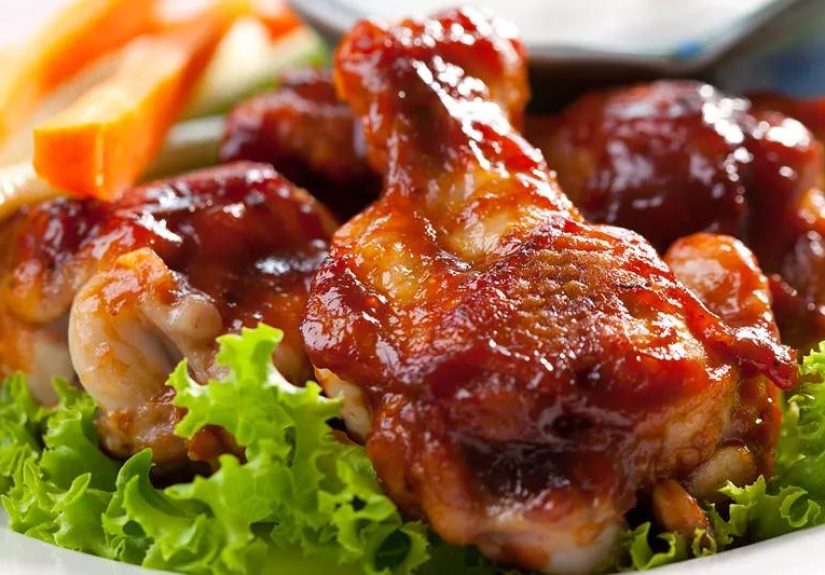
Today’s dish: a classic roommate dilemma with a side of insecurity. A guy who loves to cook offers home-cooked food to his roommate and the roommate’s girlfriendthink fried chicken, fresh bread, even a “you mentioned you like this” cheesecake. Instead of receiving a standing ovation (or at least a grateful nod), he gets the vibe that he’s committed some kind of culinary felony. Now he’s spiraling: Am I being generous… or am I being a jerk?
If you’ve ever lived with roommates, you already know the truth: food isn’t just food. Food is boundaries, money, power, culture, cleanliness, and that one saucepan nobody admits they ruined.
The Setup: How a Kind Gesture Turned Into House Drama
Picture this: You live in a rental house, you cook often, and you’re the type of person who thinks it’s polite to offer someone food when you make a big batch. Your roommate has a girlfriend who starts spending more time at your placemaybe a whole week, maybe two. You keep acting like you always do: cooking, grilling, making bread, being friendly, offering a portion to whoever’s around.
But suddenly your roommate acts weird. He insists on doing certain chores only when she’s around. He gets tense when you offer her food. He’s annoyed that she compliments your cooking. He might even imply that you’re “doing too much” or “showing him up.”
And that’s the moment you realize: this isn’t really about chicken. It’s about what the chicken represents. To you, it represents hospitality. To him, it might represent competition.
So… Is Offering Your Roommate’s Girlfriend Food a Jerk Move?
Most of the time, no
In normal adult society, offering food to a guest in your home is not villain behavior. It’s… how humans work. People offer coffee. People offer snacks. People offer “Hey, I made too muchwant some?” because the alternative is quietly eating a full tray of baked ziti while making unblinking eye contact, like a raccoon defending its territory.
But context matters
The same gesture can land differently depending on the vibe:
- Casual share: “I’m making tacos, there’s plenty if you want some.” This is normal.
- Host-level care: “I remembered you like a specific cheesecake, so I made it.” Still potentially normal, but now it’s more personal and can be misread if boundaries aren’t clear.
- Pressure or guilt: “I cooked all day for youwhy aren’t you eating?” That’s where it starts to feel controlling.
A helpful gut-check: Are you offering food as a gift, or as a test? If it’s a gift, you’re fine. If it’s a test (“If they say no, I’ll be offended,” “If they don’t praise me, they’re rude,” “If she eats it, she owes me attention”), you’re not offering foodyou’re offering a trap with a garnish.
The Real Issues Under the Sauce: Boundaries, Money, and Social “Roles”
1) The “guest problem” (aka: who lives here, really?)
When a partner starts spending lots of time at a shared home, the household dynamic changes. Even if everyone likes the guest, the home stops feeling like a two-person living arrangement and starts feeling like a semi-accidental three-person one. That can trigger territorial stress: more dishes, more bathroom time, more noise, less privacy.
Sometimes the roommate’s annoyance isn’t about you offering foodit’s about the fact that the girlfriend is “around” and your roommate is suddenly hyper-aware of how the household looks from the outside.
2) The “money cloud” hovering over every shared fridge
Food costs money, and shared living makes money feel personal. If you offer food regularly, one of two things tends to happen:
- Healthy version: People say thank you, occasionally reciprocate, and everyone understands it’s voluntary.
- Messy version: Someone starts expecting it… or resenting it… or feeling embarrassed they can’t match it.
And when a girlfriend enters the picture, your roommate might worry about optics: “If she loves his cooking, does that make me look bad?” That’s insecurity talkingbut insecurity can be loud, and it often uses food as a megaphone.
3) The “competence spotlight” effect
Cooking, fixing things, grilling, doing choresthese are everyday life skills. But in some relationships, they’re also tied to identity (“being a good partner,” “being the capable one,” “being impressive”). If your roommate only notices these things when his girlfriend is watching, he might interpret your normal behavior as performance.
Here’s the twist: you could be doing the exact same things you always do, and it still might make him feel threatenedbecause the audience changed, not the action.
The Roommate Food Rulebook (That Actually Works)
If you want fewer weird standoffs in the kitchen, you need clarity. “We’ll just vibe it out” is how you end up with a passive-aggressive Post-it that says: “Some of us DO wash our pans.”
Rule 1: Define “shared,” “ask first,” and “hands off”
- Shared items: basics everyone agrees on (salt, pepper, maybe oil, maybe coffee filters).
- Ask first: items that could be shared sometimes, but only with permission (milk, butter, eggs, leftovers).
- Hands off: personal items (special snacks, meal prep, expensive ingredients, “I will cry if this disappears” stuff).
If nothing is defined, people guess. And guessing is how you lose a $9 block of cheese and also your faith in humanity.
Rule 2: Guests don’t automatically get roommate privileges
A guest can be treated kindly without being treated as a third roommate. The difference is simple:
- Kindness: offering food when you’re already making it.
- Privilege: having free access to household groceries, using cookware endlessly, leaving messes, or “basically living here.”
If a partner is around often, it’s fair for roommates to talk about expectations: kitchen use, cleanup, grocery boundaries, and contribution. That’s not mean. That’s adulthood with receipts.
Rule 3: The cook sets the terms (politely)
If you’re cooking and offering food, you’re allowed to define what the offer means. Example:
- “I made extrahelp yourselves to a plate.”
- “There’s a loaf cooling on the counter. If you take some, just leave me a couple slices for tomorrow.”
- “This one’s my meal prephands off, please.”
Rule 4: No one is required to accept food
A normal household can handle the sentence “No thanks” without turning it into a federal case. People decline food for a million reasons: dietary restrictions, stress, disordered eating history, allergies, medication, preferences, budgeting, or simply not being hungry.
The etiquette rule is: offer once, accept the answer, move on.
Rule 5: Cleanup is part of eating
If someone eats food you made, the ideal exchange is either gratitude or effort. Sometimes both. Not necessarily money, but at least: rinse your plate, wipe the counter, don’t leave a sauce crime scene for someone else.
Scripts You Can Steal (Without Being a Food Thief)
The fastest way to ruin a living situation is to communicate only through vibes and rage-sighing. Try sentences that are clear, kind, and specific. Here are scripts that work in real kitchens:
If you want to keep offering food, but remove the weirdness
“Hey, I cook a lot and I usually offer extra. I’m not trying to make anything awkwardI just treat guests the way I was raised. If you’d rather I not offer when she’s here, tell me directly and we’ll set a clear rule.”
If you want to set a boundary about groceries
“I’m happy to share what I cook sometimes, but I want to keep groceries separate unless we agree otherwise. If anyone wants ‘shared staples,’ we can do a small monthly split.”
If the roommate seems jealous or threatened
“I’ve noticed you seem upset when I’m cooking or being friendly. I’m not competing with you. What exactly feels off to you, and what would make this comfortable?”
If you need a house rule about guests
“Can we talk about guest time in the house? I want everyone to feel at home here, including you. I also need predictable kitchen and quiet time.”
Notice the pattern? You’re not accusing. You’re describing what you see, how it affects you, and what you want to change. That keeps the conversation from turning into: “You’re a psycho” vs. “You’re a jerk” while the dishwasher watches silently.
Food Safety & Allergy Reality Check (Yes, It Matters in Roommate Situations)
Shared homes create shared risks. If you’re feeding peopleeven casuallyyou’re also taking on a small amount of responsibility: making sure the food is stored safely, served cleanly, and not accidentally dangerous.
Quick safety habits that prevent drama and illness
- Don’t leave perishables out for hours. If food has been sitting at room temp too long, it’s not “still fine,” it’s “a gamble.”
- Use shallow containers for leftovers. Food cools faster and more evenly, which is safer (and less likely to become Mystery Soup).
- Label leftovers if the house shares them. Not because you’re controlling, but because nobody wants the “Is this mine?” trial.
- Ask about allergies. Especially with peanut oil, shellfish, tree nuts, and “surprise ingredients” like fish sauce.
- Reheat thoroughly. Lukewarm leftovers are where regret lives.
Also, if the roommate’s girlfriend has dietary needs, she may decline food for safetynot because she’s judging your cooking. A polite decline is not an insult. It’s a self-preservation strategy.
When It’s Not About Food at All: Jealousy, Control, and House “Hierarchy”
If your roommate is fine eating your food when it’s just the two of you, but becomes angry when you offer the same hospitality to his girlfriend, that’s a clue. The issue may be:
- Jealousy: He worries she’ll compare him to you.
- Control: He wants to manage how she experiences the household.
- Insecurity: Your competence makes him feel small.
- Social anxiety: He’s terrified of being “shown up” in his own home.
You can’t cook your way out of someone else’s insecurity. You can be kind, you can be clear, and you can refuse to participate in weird rules like “Don’t make eye contact” or “Don’t say ‘be safe.’” Those aren’t kitchen rules. Those are control issues wearing an apron.
A Simple Roommate Agreement Add-On: Food Edition
You don’t need a 14-page contract (unless someone keeps stealing steak). You need a short, shared understanding. Here’s a practical version:
- Groceries: Separate by default. Shared staples only if everyone agrees (and contributes).
- Cooked food: Sharing is optional. If offered, it’s a giftno pressure, no expectation.
- Guests: Guests don’t use groceries without permission. Long-stay guests are discussed in advance.
- Cleanup: Whoever uses the kitchen cleans the kitchen. No “I’ll do it later” that turns into a week.
- Communication: Concerns are raised directly, respectfully, and preferably not by angry text at 1:00 a.m.
If everyone agrees to these five lines, you will prevent about 80% of roommate kitchen warsleaving only the truly unstoppable conflict: “Who keeps buying three kinds of mustard?”
Conclusion: You’re Not a JerkBut You Do Need Clarity
Offering your roommate and his girlfriend home-cooked food is not inherently rude, creepy, or “jerk-ish.” In many homes, it’s normal hospitality. The problem starts when the household doesn’t share the same expectations, or when someone’s insecurity turns generosity into “competition.”
If you’re the cook, keep your kindnessbut add structure. If you’re the roommate, speak up clearly without making the other person guess what you mean. And if you’re the girlfriend? You’re allowed to enjoy a slice of cheesecake without being drafted into the Great Roommate Ego Olympics.
The winning move isn’t to stop being nice. The winning move is to be nice and specific. That’s how you keep the peaceand the leftovers.
Experiences & Real-World-Style Examples (Extra ~)
Below are common “experience patterns” people report in shared homescomposite examples based on typical roommate dynamics. If any of these feel familiar, congratulations: you are not alone, you are not cursed, and yes, the kitchen really is where peace goes to die.
1) The “Unofficial Dinner Service”
One roommate loves cooking. They grew up in a home where feeding people was how you showed care. So they cook big, share often, and feel happy when others eat. The other roommate accepts the food… a lot. It starts with “Wow, thanks,” then turns into “What’s for dinner?” without noticing the shift. The cook quietly begins to feel used, because groceries aren’t free and time isn’t either. The non-cook feels blindsided when the cook finally says, “Hey, I can’t do this every night.” The fix is almost always the same: agree that sharing is occasional, set a staple budget if needed, and normalize saying “No worries, not tonight.”
2) The “Guest Who Basically Moved In”
A partner comes over “for the weekend.” Then it’s Monday. Then there’s a toothbrush. Then there’s a third person cooking a full meal at 11 p.m. while you’re trying to sleep. In this scenario, the food offer becomes symbolic: “Are we now feeding a third roommate who doesn’t pay rent?” If the house doesn’t address guest frequency and kitchen impact, resentment grows. The clean solution is a calm conversation: how many nights is okay, how cleanup works, and when contributions (money, groceries, or labor) become reasonable.
3) The “Kind Gesture That Feels Like Pressure”
Some people decline food because they genuinely don’t want itor because they have a complicated relationship with eating. If they feel pressured, they may avoid the kitchen altogether, creating a weird cycle where the cook feels rejected and the other person feels cornered. The best experience-based lesson here is simple: offer once, accept “no,” and keep it casual. “All good!” is the magic phrase. It gives everyone dignity. And dignity pairs beautifully with pasta.
4) The “Insecurity Spotlight”
This is the scenario closest to our headline: one roommate is competent, friendly, and consistent. The other roommate is fineuntil a romantic partner is watching. Suddenly normal life skills feel like a performance. The insecure roommate starts interpreting everything as a flex: cooking, mowing, fixing, grilling, even saying “be safe.” That can escalate into controlling behaviorlike policing friendliness, eye contact, or hospitality. In real shared homes, the healthiest outcome is usually setting boundaries: “I’m going to keep being respectful in my own home. If that bothers you, we should talk about what’s really going on.”
5) The “Food Safety Panic”
A surprisingly common experience: someone offers leftovers, someone else eats them, and then a third person says, “Wait… how long was that out?” Cue: anxiety, arguments, and a sudden interest in refrigerator thermometers. Shared homes benefit from simple habitslabeling, prompt refrigeration, and not gambling with perishable food. It’s not about being dramatic; it’s about preventing the kind of stomachache that makes you regret every life choice since middle school.
The big takeaway from these experiences is that roommate food etiquette works best when it’s explicit. People can’t meet expectations they don’t know exist. And if you’re offering home-cooked meals from a place of generosity, you’re not a jerkyou’re just operating with a different “house culture” than someone else. A short conversation can bridge that gap faster than a thousand passive-aggressive fridge notes.