Table of Contents >> Show >> Hide
- Why This Story Feels Bigger Than One Viral Moment
- Real Cases That Prove This Is Not Just Internet Fairy Dust
- How Dogs Can Notice Danger Before People Do
- The Real Lesson: Love Your Dog, But Test Your Smoke Alarms
- Why People Cannot Stop Sharing These Stories
- What These Experiences Are Really Like for the People Involved
- Final Thoughts
- SEO Tags
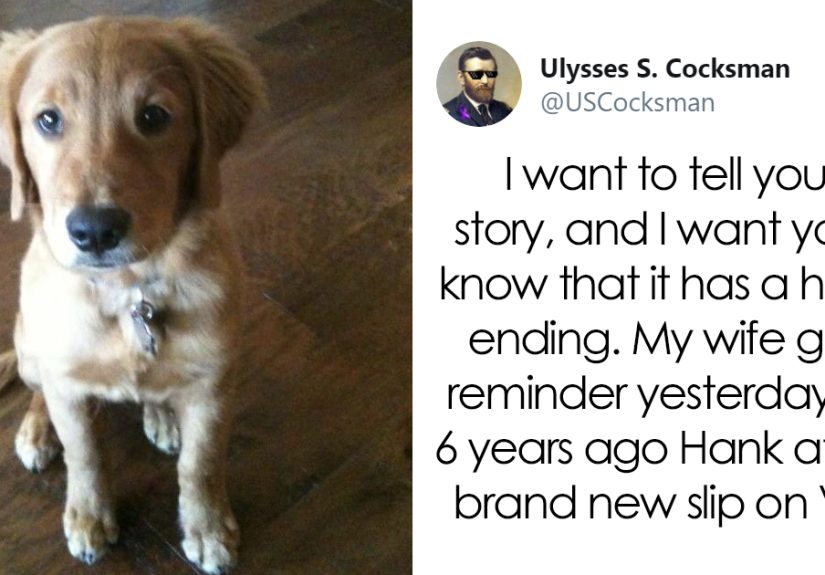
Every now and then, the internet serves up a story that makes people laugh, cry, and immediately go hug the nearest dog. This is one of those stories. A man sharing how his dog helped save the house from burning down sounds like the kind of tale designed to melt hearts on contact. And honestly, it works. It has everything: danger, loyalty, surprise, and a four-legged hero who did not ask for a medal but absolutely deserves one, plus maybe a steak.
But what makes stories like this stick is not just the emotional punch. It is the fact that they feel believable because they are. Across the United States, news outlets and fire officials have reported multiple cases in which dogs barked, scratched, nudged, or otherwise caused enough chaos to wake up their humans before a house fire turned catastrophic. That does not mean every dog is secretly a professionally trained firefighter in a fur coat. It does mean dogs can notice changes in smell, sound, and routine faster than sleepy humans who are busy being unconscious.
That is why this kind of story lands so hard. It is sweet, yes. It is dramatic, absolutely. But it also carries a real lesson about home fire safety, pet awareness, and the strange miracle of having a creature in your house that treats suspicious smoke like a full-scale personal insult.
Why This Story Feels Bigger Than One Viral Moment
At first glance, a headline about a dog saving a house seems like classic feel-good internet material. You read it, grin like a fool, and send it to three people with the message, “See? Dogs are better than all of us.” But beneath the warm fuzzies, these stories tap into something deeper. They remind people that pets are not just adorable freeloaders who shed on black clothing and pretend not to hear commands. They are family.
When a man shares a heartwarming story about his dog saving the house from burning down, readers are not just reacting to the fire. They are reacting to the bond. The dog did not calculate property value, insurance paperwork, or replacement costs. The dog simply sensed something was wrong and acted. That instinctive loyalty is what gives the story its emotional core.
There is also a second reason these stories resonate: they turn everyday life into something heroic. This was not a movie rescue involving dramatic background music and a slow-motion leap through flames. It was a normal home, a normal dog, and an abnormal emergency. The hero was not a superhero. The hero was probably a dog who spends most afternoons stealing socks and pretending the mail carrier is a national threat.
Real Cases That Prove This Is Not Just Internet Fairy Dust
Stories about dogs alerting families to house fires are not rare little myths passed around by sentimental dog lovers. They keep showing up in real reporting. That is part of what makes this type of article more than just a cute anecdote.
Dogs That Barked, Scratched, Nudged, and Refused to Be Ignored
In Wichita, Kansas, a man credited his pit bull Monroe with saving his life after the dog nudged his head and whimpered until he woke up. By the time he realized what was happening, flames were already near his bedroom and the home was filling with smoke. He got out with Monroe just in time, later calling the dog his hero. That is not poetic exaggeration. That is a man looking at the remains of his house and realizing he is still alive because his dog refused to let him sleep through disaster.
In Texas, another family said their dog kept scratching at the bedroom door as smoke spread through the house. That frantic behavior woke the household and helped them escape. In yet another Texas case, firefighters in The Woodlands publicly urged residents to make sure their smoke alarms work after a dog alerted its owners to a house fire and helped save the family. It was a powerful reminder that canine instinct can help, but smoke alarms are still the real MVPs of prevention.
Missouri had its own version of the same miracle when a dog named Red alerted a 66-year-old owner as smoke filled the home. Fire officials later said the outcome could have been very different without that early warning. That phrase shows up often in these stories, and for good reason. House fires do not leave much room for delay. They do not care if you are in deep sleep, looking for your glasses, or trying to decide whether the smell is “weird toast” or “serious emergency.”
In Indiana, a newly adopted dog named Layla Lou reportedly alerted her family to a potential house fire only days after joining the household. That one feels especially unfair to anyone trying not to cry on a weekday. Imagine adopting a dog and then immediately realizing she did not just move into your home. She may have helped save it.
San Antonio also saw a man credit his dog with alerting him that his house was on fire in the early morning hours. By the time responders arrived, the main house was destroyed. The human survived because the warning came early enough. That is the detail that matters most in almost every one of these reports: early notice. The earlier you know, the better your odds.
How Dogs Can Notice Danger Before People Do
Let us be honest: humans love to think we are the smartest creatures in the house. Then a dog hears a sound we missed, smells something we cannot detect, and suddenly we are the weak link in pajama pants. Dogs often experience the world through scent and sound in ways that make them far more sensitive to changes in the environment.
A dog may react to smoke, electrical smells, unusual popping sounds, crackling, alarm tones, or even the tension in a household before people fully understand what is happening. Some dogs become restless. Some bark. Some scratch at doors. Some whine, pace, jump on the bed, or shove their noses into sleeping humans with the urgency of a coworker who found a major spreadsheet error at 4:59 p.m.
That said, pet owners should not romanticize this into a safety plan. Your dog is not a replacement for a working smoke alarm. Your dog is a bonus layer of warning, not the whole system. Official fire safety guidance keeps repeating the same core message because it is true: working smoke alarms, a practiced fire escape plan, and fast evacuation save lives.
The Real Lesson: Love Your Dog, But Test Your Smoke Alarms
This is the part where the heartwarming story politely takes off its fluffy slippers and puts on serious shoes. If a dog saves a family from fire, that is incredible. If that same story convinces readers to test alarms, update escape plans, and include pets in emergency planning, that is even better.
According to fire safety guidance in the United States, working smoke alarms dramatically reduce the risk of dying in a home fire. Guidance from fire officials also stresses that people may have less than two minutes to escape once the alarm sounds. Two minutes is not a lot of time. That is barely enough time to find your phone, realize you left it on the charger, and argue with yourself about whether shoes are worth it.
What Homeowners and Pet Owners Should Do Right Now
First, make sure smoke alarms are installed in the right places: inside and outside sleeping areas and on every level of the home. If possible, use interconnected alarms so when one sounds, they all sound. Test them regularly. Replace them when they age out. A hero dog is wonderful, but a quiet, dead smoke detector is the kind of plot twist nobody wants.
Second, have a fire escape plan and actually practice it. Not “we should really do that someday” practice. Real practice. Know two ways out of each room when possible. Pick an outside meeting spot. Make sure everyone in the house, including kids, knows what to do. If your pet is part of the family, your pet should be part of the plan too.
Third, think about pet-specific fire safety. Keep leashes and carriers easy to grab. Know where your pets usually hide when stressed. Consider a rescue alert sticker that lets firefighters know animals are inside. If you leave pets home alone, official guidance suggests keeping them near entrances where responders can find them more easily. That is not glamorous advice, but neither is losing time during an emergency because your terrified pet vanished into the world’s smallest, darkest hiding spot.
Fourth, reduce fire risks your pets might accidentally create. Curious paws and wagging tails are not always ideal roommates for candles, stove knobs, fireplaces, loose wires, or space heaters. Your dog does not wake up thinking, “Today I shall knock a blanket onto a heater,” but chaos has never needed a formal invitation.
Why People Cannot Stop Sharing These Stories
The reason this kind of story spreads so quickly online is simple: it restores faith in something wholesome. In a world that can feel noisy, cynical, and weirdly determined to ruin everyone’s day before lunch, a loyal dog saving a home feels refreshingly pure. There is no spin, no complicated motive, and no cynical marketing angle. It is just loyalty doing what loyalty does.
It also reminds people that heroism is often messy, ordinary, and unplanned. The dog did not hold a press conference. The dog did not build a personal brand around bravery. The dog just acted. That is what makes the story so memorable. Real love often looks like interruption. It looks like barking at 2 a.m., scratching a door like rent is due, or refusing to calm down until the humans pay attention.
So yes, the story is heartwarming. But it is also clarifying. It tells us that pets notice more than we think, that fast warnings matter, and that gratitude arrives in strange forms. Sometimes it is a fire crew. Sometimes it is a neighbor. Sometimes it is a smoke alarm. And sometimes it is a dog standing beside the bed like, “Hello, I would like to formally inform you that the house is trying to become charcoal.”
What These Experiences Are Really Like for the People Involved
One reason these stories stay with readers is that the emotional aftermath is so human. The experience usually begins in confusion. Owners wake up disoriented, not instantly heroic. They hear scratching, barking, or whining and assume the dog wants out, wants water, or has chosen the worst possible hour to become emotionally needy. Then they smell smoke or see a glow where no glow should be. In that second, everything changes. The dog is no longer “being dramatic.” The dog is the reason the family now has a chance to get out.
Afterward, many people describe a strange collision of emotions. There is shock, of course, because a home fire can turn a familiar room into chaos with terrifying speed. There is grief over damage, lost belongings, and the sense that normal life just got ripped in half. But mixed into all of that is overwhelming gratitude. Owners often talk about looking at their dog differently after the fire. The same pet who steals food, hogs the bed, and barks at delivery drivers suddenly becomes the creature they credit with giving them another morning, another birthday, another ordinary cup of coffee they might not have lived to drink.
Families also tend to remember tiny details with unusual clarity. The sound of paws on hardwood. The frantic scratching at a bedroom door. The dog jumping onto the bed. The hallway smelling wrong. The weird silence right before panic takes over. These details matter because they turn a broad headline into a lived experience. “Dog saves house from fire” sounds dramatic, but the reality is often intimate. It is dark. It is fast. It is someone half-awake in socks, trying to gather family members while a pet circles with nervous energy. It is not cinematic. It is raw and immediate.
Many homeowners who go through this also become unexpectedly outspoken about fire safety afterward. Once someone has escaped a burning house, they stop treating smoke alarm maintenance like an optional weekend chore. They talk about batteries, escape routes, and meeting spots with the intensity of people who have learned the lesson the hard way. They also start telling other pet owners to include animals in evacuation plans. A lot of people assume they will “figure it out” in an emergency, but that confidence tends to evaporate when the room is smoky, time is short, and the family cat has disappeared behind a dresser.
Then there is the community response, which is often one of the most moving parts of all. Neighbors show up with blankets, food, carriers, pet supplies, and temporary places to stay. Animal lovers send treats, toys, and little gifts to the dog who sounded the alarm. Firefighters pose for photos with the canine hero. Strangers online cry in comment sections, which is both slightly chaotic and deeply sincere. These shared reactions reveal something important: people are not only touched by survival. They are touched by loyalty.
That is why stories like this do more than trend for a day. They linger. They remind us that our homes are filled with ordinary routines that can vanish in an instant, and with relationships that matter more than the stuff inside the walls. A dog cannot rebuild a house, but a dog can save the lives inside it. And for the people who live through that kind of close call, that truth tends to outshine every lost object, every singed memory, and every headache that comes after. The house may be damaged. Life may feel shaken. But the bond between human and dog comes out of the experience looking stronger, clearer, and almost sacred.
Final Thoughts
A man sharing a heartwarming story about how his dog saved his house from burning down is more than internet candy for people who already have too many dog photos in their camera roll. It is a reminder that the relationship between humans and dogs is built on trust, instinct, and a kind of loyalty that often shows up exactly when it matters most.
The best version of this story is not just that a dog became a hero. It is that readers can take something useful from it. Hug your dog. Absolutely. Tell the story. Definitely. But also test your smoke alarms, make a fire escape plan, and include your pets in it. Because the most heartwarming ending is not a viral post. It is everyone getting out safely.