Table of Contents >> Show >> Hide
- What Is a Liquid Biopsy for Lung Cancer?
- How Liquid Biopsy Works
- Types of Liquid Biopsy Used in Lung Cancer
- Why Liquid Biopsy Matters in Lung Cancer
- Common Uses of Liquid Biopsy for Lung Cancer
- Benefits of Liquid Biopsy
- Risks and Limitations of Liquid Biopsy
- Liquid Biopsy vs. Tissue Biopsy: Which Is Better?
- Questions to Ask Your Doctor
- Real-World Examples
- Patient and Caregiver Experience: What Liquid Biopsy Feels Like in Real Life
- Conclusion
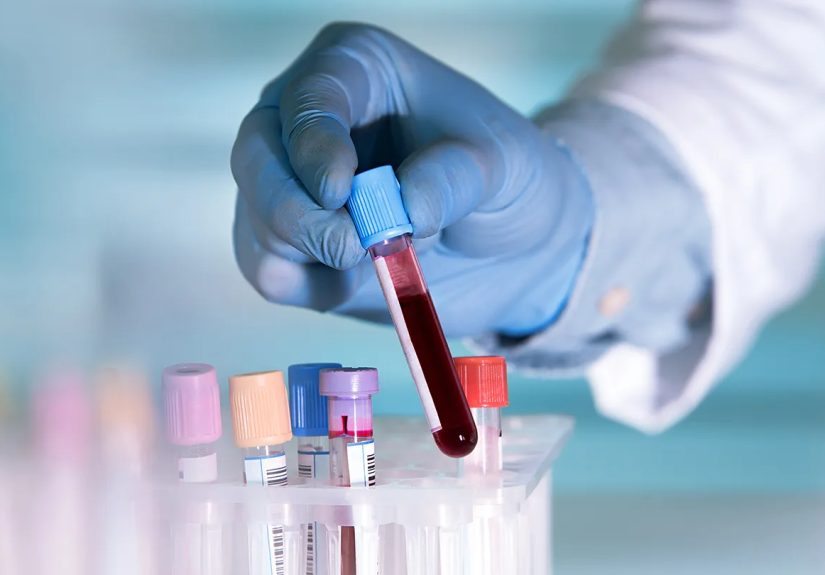
Liquid biopsy for lung cancer sounds like something a sci-fi doctor would order while holding a glowing tablet. In reality, it is much less dramatic: usually a simple blood draw that can reveal important clues about a tumor’s genetic makeup. No spaceship required. No mysterious blue serum. Just a tube of blood, advanced lab technology, and a cancer care team trying to choose the smartest next step.
For people with lung cancer, especially non-small cell lung cancer (NSCLC), treatment is no longer based only on where the cancer started or what it looks like under a microscope. Doctors now look for specific biomarkers, such as EGFR, ALK, ROS1, BRAF, MET, RET, NTRK, KRAS, and HER2 changes, because these alterations can affect which targeted therapies may work best. A liquid biopsy can sometimes find these changes faster or when tissue from a traditional biopsy is limited.
Still, liquid biopsy is not magic. It is a powerful tool, but it has limits. It can miss mutations, produce uncertain findings, and usually cannot replace a tissue biopsy when doctors need to confirm a diagnosis. Think of it as a high-tech detective, not the entire police department.
Medical note: This article is for educational purposes only and should not replace advice from an oncologist, pulmonologist, pathologist, genetic counselor, or other qualified health professional.
What Is a Liquid Biopsy for Lung Cancer?
A liquid biopsy is a laboratory test that looks for cancer-related material in a body fluid, most often blood. In lung cancer care, the test commonly analyzes cell-free DNA in plasma. Some of that DNA may come from tumor cells and is called circulating tumor DNA, or ctDNA.
Tumors can shed tiny fragments of DNA into the bloodstream as cancer cells grow, die, or break apart. By collecting blood and analyzing those fragments, doctors may learn whether a lung tumor carries mutations or gene fusions that can guide treatment. In some cases, liquid biopsy may also help monitor how cancer responds to therapy or whether resistance is developing.
Traditional tissue biopsy removes a sample directly from the tumor, often through a needle biopsy, bronchoscopy, surgery, or another procedure. Tissue remains extremely important because it shows the tumor’s architecture, cell type, and other features that blood alone cannot fully explain. Liquid biopsy, however, is less invasive and can often be repeated more easily. That matters when patients are too sick for another procedure, the tumor is hard to reach, or there simply is not enough tissue left for complete biomarker testing.
How Liquid Biopsy Works
The process usually starts with a blood draw from a vein in the arm. The sample is processed so the plasma can be separated from blood cells. The laboratory then searches for cancer-related genetic changes using methods such as polymerase chain reaction (PCR) or next-generation sequencing (NGS).
PCR-based tests may look for a small number of specific mutations, such as certain EGFR changes. NGS panels can examine many genes at once, which is useful because modern lung cancer care may involve many possible biomarkers. Some FDA-authorized blood-based tests can help identify patients who may be eligible for specific targeted treatments, while broader panels may report additional genetic alterations that require careful interpretation by the oncology team.
Results may return in days to a few weeks, depending on the test, laboratory, insurance process, and clinical setting. The report may show an actionable mutation, no detectable mutation, or findings that are uncertain. A “negative” liquid biopsy does not always mean the tumor lacks a targetable mutation. Sometimes the cancer is simply not shedding enough DNA into the blood at the time of testing. In that case, tissue testing may still be needed.
Types of Liquid Biopsy Used in Lung Cancer
1. ctDNA Blood Tests
The most widely used liquid biopsy approach in lung cancer is ctDNA testing. These tests look for tumor-derived DNA fragments floating in the blood. In advanced NSCLC, ctDNA testing can help identify mutations that may match targeted drugs. For example, EGFR mutations may point toward EGFR tyrosine kinase inhibitors, while ALK, ROS1, RET, NTRK, BRAF, MET exon 14 skipping, KRAS G12C, and HER2 alterations may open the door to other targeted strategies.
ctDNA testing is especially helpful when tissue is scarce. Lung tumors can be tricky to biopsy because they may be small, deep, near blood vessels, or located in patients who already have breathing problems. In those situations, liquid biopsy can provide valuable information without asking the patient to go through another invasive procedure.
2. Circulating Tumor Cell Tests
Circulating tumor cells, or CTCs, are whole cancer cells that have broken away from the tumor and entered the bloodstream. CTC testing is a fascinating area of research because these cells may reveal how cancer spreads, survives, or resists treatment. However, CTC tests are not as commonly used as ctDNA tests in routine lung cancer care.
One challenge is that CTCs can be rare. Finding them can feel like looking for one suspicious-looking grain of sand on a beach. Scientists are studying whether CTCs can help predict prognosis, monitor treatment, or guide therapy, but ctDNA remains the more practical liquid biopsy tool for many lung cancer decisions today.
3. RNA-Based Liquid Biopsy
Some liquid biopsy methods analyze RNA, including messenger RNA or microRNA. RNA patterns may help researchers understand gene activity, tumor behavior, and resistance mechanisms. In lung cancer, RNA-based testing may be useful for detecting certain gene fusions or studying tumor biology, although availability and clinical use vary.
4. Exosome and Vesicle Testing
Exosomes are tiny packages released by cells. They can carry DNA, RNA, proteins, and other molecules. Tumors may release exosomes into the blood, and researchers are studying whether these microscopic “message bottles” can help detect cancer, classify tumors, or track treatment response.
Exosome testing is promising, but it is still evolving. It is not yet as established in day-to-day lung cancer treatment decisions as plasma ctDNA testing.
5. Protein and Multi-Analyte Blood Tests
Some blood-based cancer tests measure proteins, methylation patterns, fragments of DNA, or combinations of biomarkers. These approaches may eventually improve early detection or monitoring, but many are still being studied. For now, liquid biopsy is most clinically useful in lung cancer when it helps identify actionable genomic alterations or monitor known disease.
Why Liquid Biopsy Matters in Lung Cancer
Lung cancer is not one single disease. Two people can both have NSCLC and yet have tumors driven by completely different molecular changes. One tumor may be fueled by an EGFR mutation, another by an ALK fusion, another by KRAS G12C, and another by no currently targetable driver at all. Treating them all the same would be like using one key for every lock in the neighborhood. Sometimes it works; often it does not.
Biomarker testing helps personalize treatment. If a liquid biopsy finds a targetable alteration, doctors may choose a targeted therapy that is more precise than standard chemotherapy for that specific molecular subtype. Targeted therapies are not gentle fairy dust; they can still have side effects. But when appropriately matched, they can produce meaningful responses in many patients.
Liquid biopsy also supports faster decision-making. In advanced lung cancer, time matters. Patients may be symptomatic, anxious, and ready for treatment to begin yesterday, preferably before lunch. A blood test may provide genomic information while tissue testing is pending, or when tissue testing fails because the sample was too small.
Common Uses of Liquid Biopsy for Lung Cancer
Choosing First-Line Treatment in Advanced NSCLC
For newly diagnosed advanced NSCLC, doctors often want broad biomarker testing before choosing therapy. Liquid biopsy may be ordered at the same time as tissue testing, especially when the tissue sample is small or results are needed quickly. If the blood test identifies an actionable driver mutation, it may help guide treatment selection.
When Tissue Is Unavailable or Inadequate
Sometimes the original biopsy confirms cancer but does not provide enough material for full molecular testing. This happens more often than patients expect. A tiny needle sample may be enough to say, “Yes, this is lung cancer,” but not enough to run every recommended biomarker test. Liquid biopsy can help fill that gap.
Monitoring Treatment Response
As treatment works, levels of ctDNA may fall. If cancer grows or becomes resistant, ctDNA may rise or show new mutations. This does not mean scans are obsolete. Imaging, symptoms, physical exams, and lab work still matter. But liquid biopsy may offer another window into how the cancer is behaving between scans.
Detecting Resistance Mutations
Lung cancer can be annoyingly clever. A targeted therapy may work beautifully for months or years, and then the tumor finds a detour. Liquid biopsy can sometimes identify resistance mutations or bypass pathways. For example, after EGFR-targeted therapy, doctors may use testing to look for new changes that explain why the cancer is progressing.
Minimal Residual Disease Research
Minimal residual disease, or MRD, refers to tiny amounts of cancer that may remain after treatment, even when scans look clear. ctDNA testing for MRD is an active area of research in lung cancer, particularly after surgery or radiation. It may one day help identify who needs additional treatment and who can avoid overtreatment. However, MRD testing in lung cancer is still evolving and should be interpreted carefully.
Benefits of Liquid Biopsy
The first benefit is obvious: it is usually easier on the patient. A blood draw is not anyone’s idea of a spa day, but compared with a lung biopsy, it is generally simpler, quicker, and less invasive.
Liquid biopsy can also capture genetic information from multiple tumor sites. A tissue biopsy samples one location. If cancer has spread to several areas, each site may not be genetically identical. ctDNA in the blood may reflect DNA shed from different tumor deposits, offering a broader snapshot of cancer heterogeneity.
Another advantage is repeatability. Doctors can order liquid biopsy again later if the disease changes, treatment stops working, or new symptoms appear. Repeating tissue biopsies can be difficult, risky, or impractical. Repeating a blood test is usually much easier.
Finally, liquid biopsy may reduce delays. When used wisely, it can help patients reach the right treatment sooner, especially when tissue testing is slow, incomplete, or impossible.
Risks and Limitations of Liquid Biopsy
False Negatives
The biggest limitation is the false negative. A liquid biopsy may find no mutation even though the tumor has one. This can happen if the tumor is not shedding enough DNA, the cancer burden is low, the sample quality is poor, or the test does not cover the relevant alteration. For this reason, a negative liquid biopsy often needs follow-up tissue testing when feasible.
False Positives and Confusing Results
Not every mutation found in blood comes from the tumor. Some genetic changes may come from blood cells, a phenomenon sometimes called clonal hematopoiesis. This can create confusion if the result is interpreted without clinical context. In plain English: the test may spot a genetic typo, but that typo may not belong to the lung cancer villain.
Not a Stand-Alone Screening Test
Liquid biopsy is not currently a replacement for recommended lung cancer screening with low-dose CT in eligible high-risk adults. Blood-based early detection tests are being studied, but early-stage tumors may shed very little DNA. A blood test that misses early cancer would make a very poor security guard.
Limited Information About Tumor Type
A tissue biopsy can show whether the cancer is adenocarcinoma, squamous cell carcinoma, small cell lung cancer, or another type. Liquid biopsy usually cannot provide the full microscopic picture. It may reveal mutations, but it cannot always explain the tumor’s structure, grade, or immune markers in the way tissue can.
Cost and Insurance Issues
Coverage can vary by test, cancer type, stage, insurance plan, and clinical reason. Some tests are covered when used as companion diagnostics for specific therapies, while others may require prior authorization or appeal. Patients should ask the oncology office whether financial assistance, billing support, or patient navigation is available.
Liquid Biopsy vs. Tissue Biopsy: Which Is Better?
The better question is not “Which test wins?” It is “Which test answers the clinical question?” Tissue biopsy is usually needed to diagnose lung cancer and determine histology. Liquid biopsy can help with molecular profiling, especially in advanced disease or when tissue is inadequate.
In many cases, the best approach is complementary testing. Tissue gives the close-up portrait. Liquid biopsy gives the blood-based molecular snapshot. Together, they may provide a more complete view of the cancer.
If a liquid biopsy finds a clearly actionable mutation, doctors may be able to act on it. If it finds nothing, doctors should be cautious before concluding that no target exists. The tumor may simply be keeping its DNA cards close to the vest.
Questions to Ask Your Doctor
Patients and caregivers do not need to become molecular biologists overnight. Still, a few good questions can make appointments more productive:
- Do I have non-small cell lung cancer or small cell lung cancer?
- Has my tumor been tested for all recommended biomarkers?
- Should I have tissue testing, liquid biopsy, or both?
- Which genes or alterations will this test look for?
- If the liquid biopsy is negative, will we still test tissue?
- Could the result change my treatment plan?
- How long will results take?
- Will insurance cover this test?
- Should I speak with a genetic counselor?
Real-World Examples
Example 1: Not Enough Tissue
A patient is diagnosed with metastatic lung adenocarcinoma from a small biopsy. The pathologist confirms cancer, but there is not enough tissue left for broad NGS testing. The oncologist orders a liquid biopsy. The blood test finds an EGFR mutation, allowing the team to choose an EGFR-targeted therapy instead of starting with a less personalized treatment plan.
Example 2: Cancer Progresses on Targeted Therapy
Another patient has ALK-positive lung cancer and responds well to targeted therapy for two years. Later, scans show progression. A liquid biopsy reveals a resistance alteration that helps the oncologist select the next treatment. In this case, the blood test acts like a molecular weather report: storm forming, change course.
Example 3: Negative Blood Test, Positive Tissue Test
A third patient receives a liquid biopsy that shows no actionable mutation. Because the care team knows false negatives happen, they send tissue for testing anyway. Tissue testing later finds a targetable alteration. This is why a negative liquid biopsy should not automatically close the case.
Patient and Caregiver Experience: What Liquid Biopsy Feels Like in Real Life
From the patient side, liquid biopsy can feel like a rare moment of simplicity in a complicated lung cancer journey. After weeks of scans, coughing, biopsies, pathology reports, insurance calls, and medical words that seem to contain every letter except the friendly ones, a blood draw may feel refreshingly normal. You sit down, roll up a sleeve, and someone collects blood. That part is usually quick. The harder part is waiting.
Waiting for liquid biopsy results can be emotionally strange. Patients may know that the test could identify a mutation with a matching targeted therapy. That possibility can bring hope. At the same time, the result might come back negative, unclear, or not useful. So the waiting period can become a mental ping-pong match: hope, worry, hope, worry, repeat. Caregivers often feel it too, even if they are trying to look calm while secretly refreshing the patient portal like it owes them money.
One practical experience many families report is confusion about terminology. “Liquid biopsy,” “biomarker testing,” “genomic testing,” “molecular profiling,” “NGS,” “ctDNA,” and “companion diagnostic” may all appear in conversations. They are related, but not identical. A helpful habit is to ask the care team to explain what the test is looking for and how the result could change treatment. A good doctor will not be offended. In fact, clear questions often make care better.
Another real-world issue is timing. Some oncologists order tissue and liquid testing at the same time to avoid delay. Others wait for tissue results first. The best strategy depends on the patient’s cancer type, stage, available tissue, symptoms, and treatment urgency. If a patient is very ill and treatment needs to start soon, a faster blood-based result may be especially valuable. If the patient is stable, the team may wait for a full set of results before choosing therapy.
There is also the insurance experience, which deserves its own tiny violin. Coverage can be straightforward, or it can involve forms, prior authorization, phone calls, and billing explanations written in a dialect known only to insurance portals. Patients should not hesitate to ask the oncology clinic whether they have a financial counselor, test navigator, or laboratory assistance program. Many testing companies also have support services that help estimate out-of-pocket costs.
For caregivers, one of the most useful roles is organization. Keep a folder with pathology reports, imaging summaries, biomarker results, treatment names, dates, and side effects. When liquid biopsy results arrive, ask for a copy. The report may be dense, but it is part of the cancer roadmap. If the patient seeks a second opinion, having these documents ready can save time and reduce repeat testing.
Emotionally, the most important thing to remember is that liquid biopsy is a tool, not a verdict on hope. A positive actionable result can open a treatment door. A negative result may simply mean tissue testing is needed. An uncertain result may require expert interpretation. The test does not define the person, the family, or the future. It provides information, and information is most powerful when paired with a thoughtful medical team.
Conclusion
Liquid biopsy for lung cancer has changed how doctors think about biomarker testing, treatment selection, and disease monitoring. It offers a less invasive way to look for tumor DNA in the blood, and it can be especially useful in advanced NSCLC when tissue is hard to obtain or insufficient for complete testing.
Its strengths are real: convenience, speed, repeatability, and the ability to detect actionable mutations. Its limitations are equally important: false negatives, confusing non-tumor findings, cost concerns, and the fact that it usually cannot replace tissue biopsy for diagnosis. The smartest use of liquid biopsy is not as a shortcut around good cancer care, but as part of a precision medicine toolkit.
For patients, the best next step is simple: ask whether comprehensive biomarker testing has been done and whether liquid biopsy makes sense for your situation. Lung cancer treatment is becoming more personalized, and liquid biopsy is one reason the map is getting clearer.