Table of Contents >> Show >> Hide
- What counts as a “late” period after stopping the pill?
- Late period after stopping birth control pill: 7 causes
- 1) Normal post-pill adjustment (your cycle is rebooting)
- 2) Pregnancy (ovulation can return before your first period)
- 3) Stress, travel, and sleep disruption
- 4) Major weight change, intense exercise, or not eating enough
- 5) PCOS or other ovulation disorders the pill used to “hide”
- 6) Thyroid imbalance
- 7) High prolactin or medication-related hormone changes
- When to call a clinician (and when to seek urgent care)
- What a clinician may check
- What you can do while you wait (no shady “period hacks” required)
- FAQs
- Conclusion (plus of real-world experiences)
Stopping the pill can feel like you fired your hormones’ event planner. One month everything is on a tidy schedule, the next month your uterus is “out of office” with no forwarding address. Annoying? Yes. Uncommon? Not really.
Many people get a period again within a few weeks after stopping birth control pills, but it can take a couple of months for cycles to feel predictable againespecially if your periods were irregular before you ever started. Most of the time, a late period after stopping the pill is a temporary timing issue. Sometimes, it’s a sign to rule out pregnancy or look for an underlying hormone imbalance that the pill was quietly masking.
Quick note: This is general education, not personal medical advice. If you’re worried, in pain, or your symptoms feel “not normal for you,” it’s always okay to ask for help.
What counts as a “late” period after stopping the pill?
First, “late” depends on your baseline. A typical menstrual cycle often ranges from about 21 to 35 days. If you were on the pill, you may have gotten a regular “withdrawal bleed” on schedule even if you weren’t naturally ovulating on schedule. So when you stop, your body is going back to its original settingswhatever those settings were.
Many reputable medical resources note that periods often resume within weeks and commonly within about three months after stopping the pill. If you don’t have a period by around three months, it’s generally recommended to rule out pregnancy (if possible) and check in with a healthcare professional.
Late period after stopping birth control pill: 7 causes
Think of the pill as a “pause button” on ovulation. When you stop, your brain–ovary communication has to restartsometimes smoothly, sometimes like an old Wi-Fi router that needs a reboot. Here are seven common reasons your period may be late after stopping birth control pills.
1) Normal post-pill adjustment (your cycle is rebooting)
The pill’s hormones leave your body quickly, but your cycle is a month-long orchestra of signals between the brain and ovaries. After stopping, it can take time for ovulation to become regular again. In the first few months, longer cycles and occasional spotting can happen. Some people notice irregular or missed periods for several months; if you reach about three months with no period, it’s smart to check in with a clinician.
Example: If your pill bleed was every 28 days, your natural cycle might be 32–35 daysor occasionally longerwhile your body settles.
2) Pregnancy (ovulation can return before your first period)
Ovulation may happen soon after stopping the pill, which means pregnancy can occur before you ever see your first post-pill period. If pregnancy is possible for you, an at-home pregnancy test is a practical first step when your period is late.
If a test is negative but your period still doesn’t come, repeating the test later or getting a clinical test can help clarify what’s going onespecially if you approach the three-month mark with no bleeding.
3) Stress, travel, and sleep disruption
Your cycle responds to stress (emotional and physical). Big life changes, travel, jet lag, or chronic sleep debt can delay ovulation by shifting the signals your brain sends to your reproductive system. When ovulation is delayed, your period is delayed.
4) Major weight change, intense exercise, or not eating enough
Your body needs adequate energy to support reproduction. Rapid weight loss, significant weight gain, restrictive eating, or intense training can disrupt ovulation and delay periods. This is one reason some athletes and people with disordered eating patterns develop missed or absent periods.
Clue: If your late period started after a big change in diet, training, or stress on your body, this cause deserves attention.
5) PCOS or other ovulation disorders the pill used to “hide”
Sometimes the pill isn’t the causeit’s the reason you didn’t notice an underlying issue. Many people start the pill to manage irregular cycles, acne, or symptoms linked to polycystic ovary syndrome (PCOS). On the pill, regular withdrawal bleeding can look like regular periods, even if ovulation wasn’t consistent.
Common PCOS clues: irregular or absent periods, persistent acne, increased hair growth in unwanted places, scalp hair thinning, or weight changes that feel unusually difficult to manage.
6) Thyroid imbalance
Thyroid hormone helps regulate metabolism, and thyroid disorders can also affect menstruationcausing irregular, heavy, light, or absent periods. If your late period comes with fatigue, constipation, feeling unusually cold or hot, hair changes, or unexplained weight shifts, ask about thyroid testing.
7) High prolactin or medication-related hormone changes
Elevated prolactin can interfere with ovulation and lead to irregular or absent periods. Some medications can raise prolactin in certain people, and (less commonly) pituitary conditions can be involved.
Clues to mention: milky nipple discharge when not pregnant or nursing, headaches, vision changes, or a new medication list.
When to call a clinician (and when to seek urgent care)
Most late periods after stopping birth control aren’t emergencies, but these situations deserve prompt attention:
- No period for about 3 months after stopping the pill (or 3 months since your last period).
- Positive pregnancy test or pregnancy symptoms with a negative/uncertain test.
- Severe pelvic or abdominal pain, dizziness, fainting, or shoulder pain (seek urgent care).
- Very heavy bleeding or bleeding that lasts much longer than your usual.
- New hormone-related symptoms such as significant hair changes, milky nipple discharge, or persistent fatigue.
What a clinician may check
Evaluation for missed periods commonly starts with:
- Pregnancy testing
- TSH (thyroid screening)
- Prolactin
Based on your symptoms, they may also discuss PCOS, review weight/exercise patterns, ask about stress and sleep, and consider other tests. The goal is to find a treatable explanationbecause “just wait forever” is not a medical plan.
What you can do while you wait (no shady “period hacks” required)
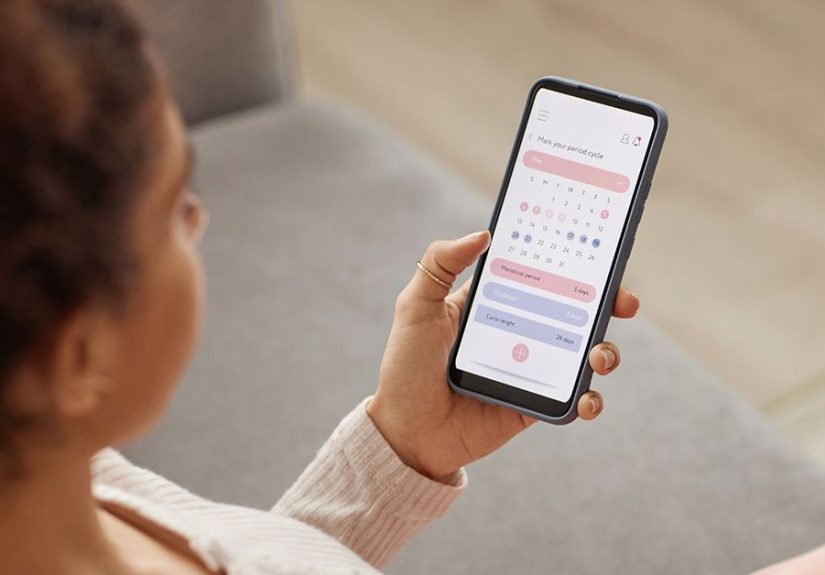
- Track dates and symptoms: start dates, flow, cramps, mood, sleep, and major stressors.
- Fuel and recover: eat regularly and prioritize sleepespecially if you’re training hard.
- Go easy on supplements: online “induce your period” products are often unproven and sometimes risky.
- Know your pre-pill pattern: if you were irregular before, that pattern can return after stopping.
FAQs
How long can it take for your period to return after stopping the pill?
Many people see bleeding again within weeks, and many return to a more predictable cycle within a few months. If you don’t have a period within about three months, it’s reasonable to take a pregnancy test (if relevant) and talk with a clinician about next steps.
Can you ovulate without having a period?
Ovulation typically happens before a period, so you can ovulateand become pregnantbefore your first post-pill period arrives.
Will my periods get heavier or more painful after stopping the pill?
They can. The pill often makes bleeding lighter and cramps milder. After stopping, your cycle may return to your pre-pill baseline, especially if you have conditions like PCOS or endometriosis.
Conclusion (plus of real-world experiences)
A late period after stopping birth control pills is often a normal “reboot.” But it can also be pregnancy, stress, lifestyle shifts, or a medical issue like PCOS, thyroid imbalance, or elevated prolactin. A calm plan helps: track your cycles, rule out pregnancy when relevant, and reach out for care if you approach three months with no period or you develop concerning symptoms.
Experiences people commonly share after stopping the pill
People’s post-pill stories vary wildly, but a few patterns are so common they deserve a highlight reel. If you’ve been doom-scrolling wondering whether you’re the only one with a “missing” period, you’re not.
“My period was late, then showed up like it had a lot to say.” Many people report a first period that’s heavier or crampier than their pill bleeds. That can make sense: the pill often thins the uterine lining and quiets ovulation. When your natural cycle returns, your flow can look more like your pre-pill baseline. One intense period isn’t automatically a crisisunless bleeding is very heavy or you feel faint or unwell.
“I had spotting and mixed signals for a while.” Another common experience is spotting, a short “almost period,” or cycles that bounce from 26 days to 40 days. This can happen during the adjustment phase, especially in the first few months. Tracking helps you see whether things are trending toward more regularity.
“My old irregular cycles came backsurprise, it was PCOS.” A lot of people realize the pill was smoothing over symptoms they didn’t connect at the time: irregular cycles, acne, or hair changes. After stopping, those patterns can reappear. Many say they felt better once they got a clear evaluation and a planwhether that meant treating PCOS directly, addressing sleep and stress, or changing nutrition and movement in a sustainable way.
“I got stuck in the stress loop.” People often describe a feedback loop: worry about a late period, sleep worse, feel more stressed, and then ovulation delays even more. A simple strategy that helps in real life is setting two dates: one to test for pregnancy (if relevant) and one to contact a clinician (for example, at the three-month mark). Then focus on steady routines in the meantime.
“My lifestyle changed, and my period followed.” Some people notice late periods after ramping up workouts, losing weight quickly, skipping meals due to a busy schedule, or getting sick. They often report that cycles improved when they ate more consistently, reduced training intensity for a while, and prioritized sleep. It’s not about “doing less”; it’s about giving your body enough fuel and recovery to run its normal systems.
“It turned out to be my thyroid or prolactin.” A smaller but important group shares that persistent missed periods led to lab testing and a diagnosis like hypothyroidism or high prolactin. In those stories, other symptoms were usually present too (fatigue, temperature sensitivity, hair changes, nipple discharge, headaches). The good news: getting an explanation often makes the situation feel less mysterious and more manageable.
“Mine came back immediatelymy friend waited two months.” Both experiences show up. Bodies differ, and your pre-pill pattern matters a lot. What most people find reassuring is having clear checkpoints: track symptoms, test for pregnancy when relevant, and get medical guidance if the delay persists or you develop new symptoms.
If you’re dealing with a late period after stopping birth control pill, aim for curious, not catastrophizing. Your body is giving you information. You can gather it, interpret it, and get help when you need itwithout panic.