Table of Contents >> Show >> Hide
- Puritan & Co., in One Sentence (With a Wink)
- Where It Lives: Inman Square, Cambridge, and a Little Local Lore
- What “Modern New England Cuisine” Actually Means
- The Room: Warm, Urban-Rustic, and Built for Conversation
- What to Eat: A Tour of the Menu’s Greatest Hits (and Why They Work)
- The Oyster Bar Energy: Brine, Deals, and a Little Theater
- What to Drink: A Beverage Program That Keeps Up
- Brunch and Sunday Prime Rib: Weekend Plans That Taste Like a Good Decision
- How to Order Like You’ve Been Here Before
- Who Puritan & Co. Is For (Spoiler: You Don’t Need a Special Occasion)
- What Makes It “Kind of Blue” (Beyond the Clever Title)
- Extra Experience Notes (Approx. ): A “Kind of Blue” Night at Puritan & Co.
- Conclusion
Some restaurants feel like a playlist: you walk in, and the mood hits before the first bite. Puritan & Co. in Cambridge,
Massachusetts is very much that kind of placewarm wood, easy energy, and a menu that riffs on New England tradition like a jazz
standard that refuses to stay stuck in 1959.
“Kind of blue” here isn’t gloomy. It’s the color of Atlantic water, oyster shells, and twilight over the Charles. It’s also the
feeling you get when a kitchen takes regional food seriouslythen loosens its tie, opens the windows, and starts cooking with
confidence instead of nostalgia.
Puritan & Co., in One Sentence (With a Wink)
Puritan & Co. is modern New England cuisine with a farmer’s-market backbone, a chef’s-technique brain, and just enough
playful swagger to keep the whole thing from turning into a history lecture.
Where It Lives: Inman Square, Cambridge, and a Little Local Lore
Puritan & Co. sits on Cambridge Street in Inman Squarea neighborhood that does “casual-cool” like it was born doing it.
The restaurant’s name nods to local history: the Puritan Cake Company once operated on the site, and the current concept leans
into the region’s identity without pretending the past was always delicious.
That last part matters. Old New England food can be incredible (hello, seafood and butter), but it can also be… aggressively
beige. Puritan & Co. keeps the soul and ditches the blandness, translating regional touchstones into plates that feel current
instead of costumed.
What “Modern New England Cuisine” Actually Means
Lots of places say “New England” and mean “lobster roll.” Puritan & Co. means something broader: the cold-water
seafood, the farm harvest, the old-school pantry staples, and the reality that modern Boston-area diners also crave brightness,
spice, and surprise.
1) Seasonality isn’t a slogan; it’s the operating system
The point of eating “regional” in New England is that the seasons are dramatic. Spring tastes like green things and brine.
Summer tastes like tomatoes and grilled everything. Fall tastes like squash, cider, and browned butter. Winter tastes like you
deserve a warm room and something rich.
A seasonal approach also makes repeat visits pay off. You’re not coming back for the exact same lineupyou’re coming back for
the kitchen’s next variation on the theme.
2) Tradition shows up as technique, not museum glass
Modern technique doesn’t have to mean foam or tweezers (though no one’s stopping you from tweezing if you must). Here, it tends
to look like smart sauces, careful timing, and dishes that taste deeply of what they’re supposed to taste likejust cleaner,
sharper, and more composed than your great-aunt’s potluck version.
3) “New England” can welcome other flavors without losing its accent
Regional cooking becomes exciting when it’s confident enough to borrow. A dish can still be anchored in local fish or local
produce while picking up spice profiles from the Mediterranean, the Middle East, or North Africa. That’s not betrayalit’s
evolution.
The Room: Warm, Urban-Rustic, and Built for Conversation
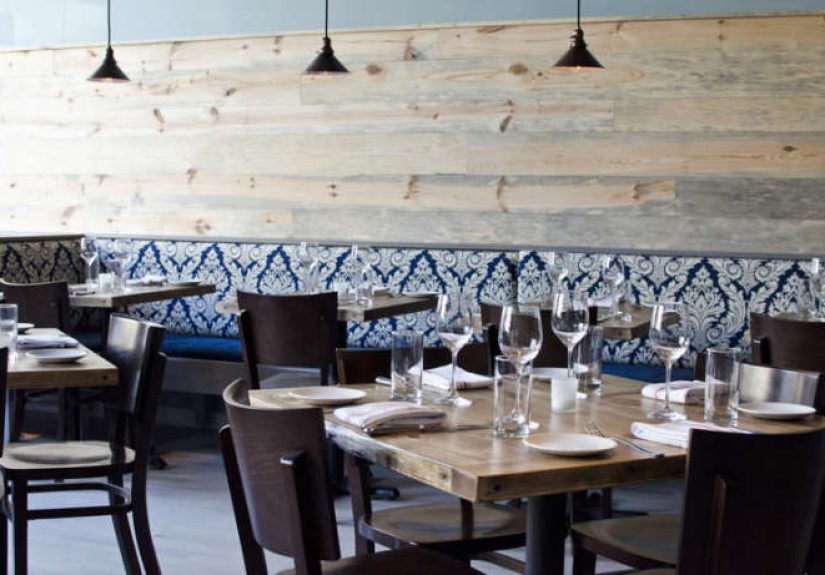
The space leans cozy and communalwood, soft lighting, and an atmosphere that encourages a “we should order one more thing”
mindset. It’s the kind of dining room where date night works, but so does a loud group of friends who can’t agree on whether to
split dessert (they should).
There’s a reason Puritan & Co. feels social: it’s designed to be. Communal tables and an easy bar presence give the room
motion, like a steady bassline under a melody of clinking glasses and happy arguments about which oyster is “the briniest.”
What to Eat: A Tour of the Menu’s Greatest Hits (and Why They Work)
Puritan & Co.’s menu is known for rotating with the seasons, but a few ideas show up again and againespecially the ones
that nail the restaurant’s core identity: New England ingredients, modern technique, and a sense of fun.
Parker House rolls: the unofficial New England love language
If modern New England cuisine had a handshake, it might be warm Parker House rolls and cultured butter. It’s familiar, but it’s
also a statement: we know where we are, and we know what comfort tastes like. Puritan & Co. has earned a reputation for
rolls that arrive warm, glossy, and hard to share without mild emotional distress.
Crudo and raw preparations that don’t whisper
One of the best modern moves is letting pristine seafood stay itselfthen building flavor around it. Think tuna crudo with
aromatic spices, fresh herbs, citrusy broths, and dairy notes that round everything out. It’s not “fancy raw fish.” It’s a
carefully tuned bite that makes the seafood taste louder, not masked.
Cod that nods to chowder, without becoming a bowl of nostalgia
This is a signature idea: taking an ultra-New England concept (clam chowder) and reimagining it as architecture around a piece
of fish. A phyllo-wrapped cod paired with chowder-like elementsbriny, creamy, potato-forwardbecomes a dish that feels both
familiar and new. It’s chowder’s cooler cousin who moved to the city and learned how to dress.
Pork, greens, cider: the “yes, we live here” trilogy
Berkshire pork, mustard greens, and cider jus is basically New England speaking in full sentences. It’s hearty but not heavy,
comforting without being sleepy. The greens bring bite, the cider brings sweetness and acidity, and the pork carries the whole
band.
Pasta that still feels coastal
New England isn’t traditionally “pasta country,” but coastal regions everywhere understand the seafood-and-noodles relationship.
A dish like potato gnocchi with crab, brown butter, leeks, and citrus cream hits that sweet spot: rich, bright, and deeply
satisfyinglike you’ve just been hugged by a lobster boat.
Vegetables that aren’t side quests
Modern New England kitchens often treat vegetables as main characters, and Puritan & Co. tends to follow that logic. A dish
like spiced broccoli with olives, feta, crispy greens, and a punchy harissa-style note proves the point: vegetables can be bold,
savory, and more interesting than whatever protein someone is pretending they “had to order.”
The Oyster Bar Energy: Brine, Deals, and a Little Theater
If New England has a national anthem, it’s probably the sound of an oyster being shucked. Puritan & Co. leans into that
lovecomplete with an Oyster Bar setup that keeps some seats for walk-ins and offers half-price oysters during an early window.
Translation: yes, you can make oysters a habit instead of a special occasion.
The broader Puritan universe has also expanded its seafood obsession with a neighboring oyster-bar concept, reinforcing the
restaurant’s idea that “local” isn’t just farmsit’s also the cold ocean doing what it does best.
What to Drink: A Beverage Program That Keeps Up
Modern New England dining isn’t complete without drinks that play well with brine, butter, acid, and smoke. Puritan & Co.
tends to balance local beer options with wines that range beyond the obvious, including bottles from smaller producers. The best
pairing mindset here is: choose what makes you want another bite, not what makes you feel like you passed a sommelier exam.
Easy pairing cheats (so you can focus on the food)
- Oysters + crisp white: Keep it bright and mineral; let the sea do the talking.
- Brown butter + light red: Enough structure to stand up, not enough to bully.
- Creamy sauces + bubbly: The palate reset you didn’t know you needed.
- Spice + off-dry white: A little sweetness can be the peace treaty.
Brunch and Sunday Prime Rib: Weekend Plans That Taste Like a Good Decision
Puritan & Co. isn’t only a dinner destination. Brunch service gives the menu a different rhythmlighter in some ways,
gloriously indulgent in others. And then there’s the kind of weekly ritual that feels almost old-fashioned (in the best way):
a Sunday prime rib dinner featuring a three-course format built around a hefty cut of beef.
If you’re trying to experience “New England comfort” without committing to a historic reenactment, this is a strong move.
How to Order Like You’ve Been Here Before
The best Puritan & Co. meals tend to follow a simple logic: start with the things that show off the kitchen’s restraint and
precision (raw seafood, bright starters), then move into the dishes that show off its comfort and depth (pasta, pork, rich fish),
and finish with something that brings you back to earth.
A reliable ordering blueprint
- Begin with oysters or a crudo. Let freshness set the tone.
- Add the rolls. Not because you “need bread,” but because joy is allowed.
- Choose one vegetable dish. It’ll likely be louder than you expectin a good way.
- Split a pasta. Especially if seafood is involved.
- Pick a hearty centerpiece. Pork chop or a composed fish dish tends to deliver.
- End with dessert and a sip. Think seasonal, creamy, or citrusywhatever feels like a clean final chord.
Who Puritan & Co. Is For (Spoiler: You Don’t Need a Special Occasion)
Puritan & Co. works for a lot of diners because it doesn’t force you to choose between “serious food” and “fun night.” It’s
a strong date spot without being stiff. It’s a great place to take out-of-towners without making them feel like they need to
whisper. It’s also the kind of restaurant locals revisit because the menu shifts, the standards are high, and the vibe stays
welcoming.
In other words: you can come hungry, curious, and slightly underdressed, and still feel like you’re doing it right.
What Makes It “Kind of Blue” (Beyond the Clever Title)
“Kind of blue” is a moodcool, composed, quietly bold. That’s what Puritan & Co. does when it’s at its best:
it takes the familiar palette of New Englandseafood, farms, butter, salt, herbsand plays it with enough improvisation to keep
you listening. You recognize the tune. You just didn’t expect that solo.
Extra Experience Notes (Approx. ): A “Kind of Blue” Night at Puritan & Co.
Picture this as a realistic, highly repeatable eveningless “once-in-a-lifetime dining pilgrimage,” more “why don’t we do this
more often?” You walk into Inman Square when the air has that coastal bite, even if the ocean is a short drive away. The street
feels lived-in, neighborly. Puritan & Co. glows like a warm lamp you want to stand near.
The first move is simple: don’t rush. If you arrive a few minutes early, treat the bar like part of the meal, not the waiting
room. Ask what’s bright and seasonal. If you’re with a friend, this is where you make the first strategic decision of the night:
you’ll be sharing, and you’ll be happier for it. If you’re on a date, this is where you learn something usefullike whether the
other person thinks ordering oysters is “too messy” (red flag) or “absolutely the point” (green flag, possibly marriage material).
When you sit, the table quickly becomes a small stage for excellent choices. Oysters arrive cold and clean, tasting like salt,
minerals, and the kind of freshness that makes you sit up straighter. Someone inevitably says, “This one is super briny,” and
everyone nods like they’re in a very tasteful committee meeting. You follow with something raw or lightly dressedmaybe a crudo
that carries citrus and herbs and a spice note that feels confident rather than chaotic. The best bites are the ones that make
you pause mid-conversation and point your fork like, “Hold on. Try this.”
Then come the rolls. Warm Parker House-style rolls have a sneaky power: they make the whole room feel happier. Butter shines.
Salt lands exactly where it should. You tell yourself you’ll “just have a little,” and then you’re negotiating for the last
piece like it’s a legal contract. The mood is officially set: cozy, indulgent, unpretentious.
Mid-meal is where Puritan & Co. really earns its reputation. A pasta dish shows up and suddenly the table is quiet.
Seafood and noodles and citrus and brown butter (or something in that family) create a kind of richness that still feels
coastallike it belongs to this part of the country even when the technique is modern. A vegetable dish arrives and surprises
you with punch: salt, spice, char, crunch. It doesn’t read as “healthy.” It reads as “delicious, full stop.”
Finally, you land on a hearty centerpiecesomething like pork with greens and a cider-leaning sauce, or a fish preparation that
subtly nods to chowder without becoming heavy. This is the part of the meal that feels like New England in winter: reassuring,
deep, and built to satisfy. You leave the table thinking you ordered too much, but you also leave the table thinking that’s not
a real problem.
Dessert (especially if it leans creamy, citrusy, or salted) ties a bow on the evening. When you step back outside, the air feels
colder than it did beforebut you’re warmer, you’re full, and you’ve got that calm, satisfied feeling that comes from food made
with actual intention. That’s the best “kind of blue”: cool outside, golden inside.
Conclusion
Puritan & Co. succeeds because it doesn’t treat New England food as a shrine. It treats it as living materialsomething to
honor, modernize, and make genuinely enjoyable right now. Whether you come for oysters, a seasonal pasta, a comforting pork chop,
or a Sunday prime rib ritual, the through-line is the same: regional ingredients, thoughtful technique, and a dining room that
feels like a good night out should feelwelcoming, lively, and quietly special.