Table of Contents >> Show >> Hide
- The Short Answer
- What Is Psyllium Husk, Exactly?
- Why So Many People Take It Every Day
- So, Is Daily Psyllium Harmful?
- When Daily Psyllium Can Be Harmful
- Common Side Effects of Daily Psyllium
- How to Use Psyllium Safely Every Day
- Psyllium Husk vs. Fiber From Food
- Who Should Check With a Clinician Before Using It Daily?
- Final Verdict
- Everyday Experiences With Daily Psyllium Husk: What People Often Notice Over Time
Psyllium husk has a reputation that is both impressive and slightly dramatic. One camp treats it like a digestive superhero. The other talks about it as if one teaspoon will instantly turn your stomach into a weather balloon. The truth, as usual, is much less theatrical and much more useful.
If you are wondering whether using psyllium husk every day is harmful, the most honest answer is this: for most healthy adults, daily psyllium is not harmful when it is taken correctly. In fact, it is one of the most commonly recommended fiber supplements for constipation and stool regularity, and it may also modestly support cholesterol management. But “not harmful” does not mean “take it however you want and hope your intestines improvise.” The details matter. Water matters. Dose matters. Your medications matter. Your symptoms matter.
So let’s separate the helpful from the harmful, the science from the supplement-marketing sparkle, and the normal side effects from the signs that mean your body is waving a little red flag.
The Short Answer
Daily psyllium husk is usually safe for most people when used as directed, especially when taken with plenty of water and introduced gradually. It is not considered inherently harmful just because it is used every day. In many cases, a daily routine is exactly how it works best.
That said, daily psyllium can become a problem if you:
- take too much too quickly,
- do not drink enough liquid,
- have trouble swallowing,
- have a bowel blockage or certain digestive conditions,
- use it to ignore ongoing constipation or rectal bleeding, or
- take it too close to certain medications.
In other words, psyllium is not the villain. Careless use is.
What Is Psyllium Husk, Exactly?
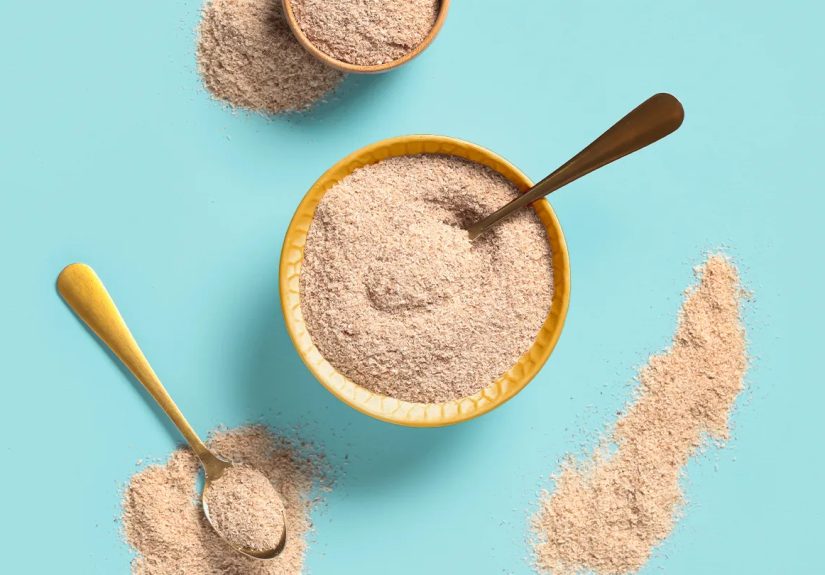
Psyllium husk is a soluble, gel-forming fiber that comes from the outer coating of the seeds of Plantago ovata. When mixed with liquid, it swells and forms a thick gel. That gel is the secret sauce. It helps hold water in stool, adds bulk, and can make bowel movements easier to pass. It can also slow digestion enough to help with stool consistency and may help lower LDL cholesterol in some people.
This is why psyllium shows up everywhere: powders, capsules, wafers, “regularity” products, cholesterol-friendly labels, and that orange-flavored canister in somebody’s kitchen that always looks slightly more serious than breakfast should.
Why So Many People Take It Every Day
1. It helps with constipation
Psyllium is best known as a bulk-forming fiber supplement. It pulls water into the stool, increases stool bulk, and helps the intestines move things along more comfortably. It is often used for chronic constipation, especially when people are not getting enough fiber from food alone.
2. It can improve stool regularity
Some people do not have full-blown constipation, but they do have “my schedule, my diet, and my digestive system are no longer speaking to each other” problems. Daily psyllium can make bowel patterns more predictable, which is why it often becomes part of a long-term routine rather than a once-in-a-while fix.
3. It may help in IBS-related constipation
Not every fiber works equally well for irritable bowel syndrome. Some rougher fibers can make bloating and discomfort worse. Psyllium is often preferred because it is a soluble fiber that tends to be gentler than many insoluble options, especially when started slowly.
4. It may support heart health
Psyllium is not just about bathrooms. It may also modestly lower LDL cholesterol, particularly when paired with a generally healthy diet. This does not make it a replacement for medical treatment, but it can be a useful support tool.
5. It can fill a fiber gap
Plenty of adults do not eat enough fiber. Psyllium can help bridge that gap. It is not a substitute for fruits, vegetables, beans, oats, and whole grains, but it can be a practical backup singer when your diet is not exactly headlining at a nutrition conference.
So, Is Daily Psyllium Harmful?
In general, no. Daily psyllium use is not considered harmful for most people when it is used as directed. In fact, some of the best results in constipation research happen when psyllium is used consistently for several weeks, not randomly once every time your digestive system gets moody.
But there is an important nuance here. Over-the-counter instructions for bulk-forming laxatives often warn against self-treating for too long without checking in with a clinician. That is not because psyllium is secretly dangerous. It is because persistent constipation, bleeding, pain, or swallowing trouble could point to another problem that should not be brushed off with a fiber drink and optimism.
So the better question is not “Is daily psyllium harmful?” It is “When does daily psyllium stop being smart and start being risky?” That is where the real conversation begins.
When Daily Psyllium Can Be Harmful
Not drinking enough water
This is the biggest issue by far. Psyllium needs liquid to do its job safely. Without enough fluid, it can swell before it moves properly through the digestive tract. That raises the risk of choking, difficulty swallowing, or even obstruction in the esophagus or intestines. This is why the label instructions are so specific about taking it with a full glass of water or other liquid.
If your relationship with hydration is already shaky, psyllium is not the supplement to treat casually.
Starting with a heroic dose
Psyllium works better when you ease into it. Starting at a high dose can leave you bloated, gassy, crampy, or suddenly far more interested in your waistband than you planned. More is not always better. Sometimes more is just louder.
Having certain medical conditions
Daily psyllium may be inappropriate or need medical supervision if you have difficulty swallowing, a history of bowel blockage, narrowing in the gut, unexplained rectal bleeding, severe stomach pain, nausea, vomiting, or certain inflammatory bowel conditions. People with diabetes, kidney disease, or complicated digestive histories should also check with a clinician before making it a daily habit.
Using it too close to some medications
Psyllium can affect how some medications are absorbed. That is one reason timing matters. Certain drugs and supplements may need to be taken at a different time of day. If you take prescription medications regularly, especially several of them, it is smart to ask your pharmacist or doctor how to space psyllium appropriately.
Ignoring symptoms that need real evaluation
If you have constipation that suddenly appears, constipation with weight loss, blood in the stool, severe pain, vomiting, or new bowel changes that hang around, psyllium should not be your only plan. A fiber supplement is helpful. It is not a detective, a colonoscopy, or a gastroenterologist.
Common Side Effects of Daily Psyllium
Even when psyllium is used correctly, side effects can happen. The most common ones are not dangerous, but they can be annoying enough to make people quit before the supplement has a chance to help.
- gas,
- bloating,
- mild stomach cramping,
- changes in bowel habits,
- diarrhea if the dose is too high for you, or
- constipation if you take it without enough liquid.
These effects are often worst in the beginning and tend to improve when people start low, increase slowly, and stay hydrated.
More serious symptoms deserve medical attention right away. These include trouble breathing, trouble swallowing, severe stomach pain, rash, intense nausea, vomiting, or any sign that the supplement is not moving through your system normally.
How to Use Psyllium Safely Every Day
Start low and go slow
The most successful daily users do not begin with a dramatic scoop-and-pray strategy. They start with a small amount, give their gut time to adjust, and only increase if needed.
Always take it with enough fluid
This rule deserves its own neon sign. Mix powders as directed and drink enough water with the dose. Then keep your daily fluid intake reasonable overall. Psyllium without water is like cement with ambition.
Follow the label unless a clinician tells you otherwise
Research often studies psyllium in the roughly 6 to 15 gram-per-day range, and some constipation studies suggest benefits are strongest at higher daily fiber intakes over several weeks. But the best personal dose is not the one that sounds impressive. It is the smallest dose that works well and feels tolerable.
Separate it from medications when appropriate
Ask your pharmacist whether psyllium should be spaced away from your regular medicines. This is especially important if you take medication for chronic conditions and already have a carefully balanced routine.
Use food first when possible
Psyllium is useful, but it should not become an excuse to live on white toast, drive-thru fries, and wishful thinking. Food sources of fiber also bring vitamins, minerals, fluids, and plant compounds that supplements do not.
Psyllium Husk vs. Fiber From Food
Psyllium is effective, convenient, and often well studied. But fiber-rich foods still win the overall health prize. Apples, beans, oats, berries, lentils, vegetables, nuts, and whole grains do more than add bulk. They support nutrition, fullness, gut health, and long-term disease prevention in ways no powder can fully copy.
Think of psyllium as a helpful assistant, not the whole department.
Who Should Check With a Clinician Before Using It Daily?
You should get personalized advice before daily psyllium use if you are pregnant or breastfeeding, have diabetes, kidney disease, heart disease, a history of bowel obstruction, difficulty swallowing, rectal bleeding, severe ongoing constipation, inflammatory bowel disease, or unexplained digestive symptoms. The same goes if you take multiple prescription medications or you are planning to give psyllium regularly to a child.
A quick check-in can prevent a very preventable problem.
Final Verdict
So, is psyllium husk used daily harmful? Usually, no. For most adults, daily psyllium is a practical and generally safe way to support regularity, improve stool consistency, and sometimes help with cholesterol goals. It becomes harmful mainly when people misuse it, overdo it, skip the water, ignore medication timing, or use it to cover symptoms that need medical attention.
The best way to think about psyllium is simple: it is a tool, not a miracle. Use it correctly, and it can be genuinely helpful. Use it carelessly, and your digestive tract may file a complaint.
Everyday Experiences With Daily Psyllium Husk: What People Often Notice Over Time
The real-life experience of taking psyllium every day is usually less dramatic than the internet makes it sound. For many people, the first few days are not magical. They are just… gassier. Someone starts taking psyllium because they are tired of unpredictable constipation, sluggish mornings, or bowel habits that seem to depend on moon phases and office stress. They expect instant perfection. Instead, the first week may bring more fullness, some bloating, and a brief period of wondering whether their supplement betrayed them. In many cases, that adjustment phase settles down when the dose is reduced, the water intake goes up, and the body gets time to adapt.
A common pattern is the “I started too aggressively” experience. This is the person who reads that fiber is healthy and decides that if one serving is good, two giant scoops must be genius. By day two, they feel puffy, uncomfortable, and deeply suspicious of all nutrition advice. Usually the problem is not psyllium itself but the speed of the increase. Once the dose is scaled back and taken with more liquid, the experience often improves a lot.
Then there is the “quiet success” group. These are people who do not become supplement evangelists. They just notice that things are easier. Bowel movements feel more predictable. Straining decreases. The sense of incomplete emptying eases up. Travel days become less chaotic. Long desk-job weeks feel less punishing. They may not describe psyllium as life-changing, but they often describe it as reliable, and honestly, reliable is a pretty great compliment in digestive health.
Some people also notice that psyllium works best when it becomes part of a bigger routine rather than a solo act. They drink more water, eat breakfast more consistently, move around during the day, and stop pretending coffee alone is a complete bowel management plan. In these cases, psyllium feels less like a rescue product and more like one helpful piece of a grown-up maintenance system.
Another common experience shows up in people using psyllium for cholesterol support or appetite control. They may notice improved fullness with meals and fewer random snack attacks in the late afternoon. That does not mean psyllium melts fat, erases poor food choices, or turns pizza into a cardiology-approved vegetable. It simply means that adding viscous fiber can make meals feel more satisfying and may support healthier choices around the edges.
Not everyone loves it, of course. Some people never enjoy the texture. Some dislike the taste. Some feel too bloated even with a slow start. Others do better with food-based fiber, a different supplement, or another constipation strategy altogether. That does not mean psyllium is harmful. It just means bodies are picky, digestion is personal, and no supplement deserves a universal fan club.
The most realistic long-term experience is this: daily psyllium tends to help the most when expectations are reasonable. It is not a miracle powder. It is not punishment dust. It is simply a well-known fiber supplement that often works pretty well when used with patience, water, and common sense.