Table of Contents >> Show >> Hide
- What Is Pho?
- Is Pho Healthy?
- Pho Nutrition: What Is Usually in the Bowl?
- Top Pho Soup Health Benefits
- The Main Downside: Pho Can Be High in Sodium
- Is Pho Good for Weight Loss?
- Is Pho Good When You Are Sick?
- Beef Pho vs. Chicken Pho: Which Is Healthier?
- How to Order a Healthier Bowl of Pho
- How to Make Pho Healthier at Home
- Who Should Be Careful With Pho?
- Common Pho Myths
- of Real-Life Pho Experience: What a Healthy Bowl Feels Like
- Final Verdict: Is Pho Healthy?
Is pho healthy? The short answer is yespho can be a wonderfully nourishing meal when it is built with quality broth, lean protein, fresh herbs, vegetables, and a reasonable portion of noodles. The longer answer is also yes, but with one tiny plot twist wearing a fish sauce hat: sodium.
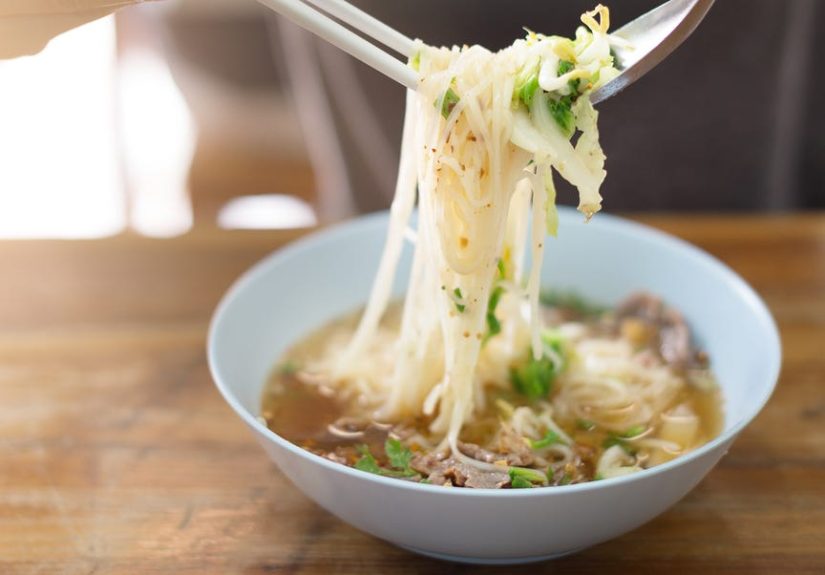
Pho, the beloved Vietnamese noodle soup, is one of those meals that feels like it was designed by a committee of grandmothers, nutritionists, and comfort-food poets. A steaming bowl usually includes aromatic broth, rice noodles, thinly sliced beef or chicken, herbs, bean sprouts, lime, chiles, and sometimes extras like brisket, meatballs, tendon, tofu, or vegetables. It is warm, filling, fragrant, and emotionally supportive in a way salads rarely manage before noon.
But because pho is often served in generous restaurant portions, the health value depends on what is in the bowl and how often you eat it. A homemade chicken pho with low-sodium broth, extra herbs, vegetables, and lean protein can be a balanced meal. A jumbo restaurant bowl with salty broth, fatty meats, heavy sauces, and extra noodles can still be delicious, but it may push sodium and calories higher than expected.
So let’s ladle into the facts: the benefits, the nutrition, the downsides, and the smartest ways to enjoy pho without turning your healthy lunch into a sodium swimming pool.
What Is Pho?
Pho is a traditional Vietnamese soup made with broth, rice noodles, herbs, and protein. The two best-known versions are pho bo, made with beef, and pho ga, made with chicken. The broth is usually simmered with aromatics such as ginger, onion, star anise, cinnamon, cloves, coriander seed, and other spices. This slow simmer gives pho its signature flavor: savory, lightly sweet, deeply aromatic, and comforting enough to make rainy days feel professionally managed.
Unlike creamy soups, pho is broth-based. That gives it an advantage because it can be satisfying without relying on heavy cream, butter, or cheese. The rice noodles provide carbohydrates for energy, the meat or tofu contributes protein, and the herbs and vegetables add freshness, texture, and micronutrients.
Is Pho Healthy?
Yes, pho can be healthy. A well-balanced bowl offers protein, fluids, carbohydrates, herbs, spices, and minerals. It can fit into many eating patterns, including high-protein diets, lower-fat meals, gluten-free diets, and comfort-food-with-common-sense lifestyles.
That said, pho is not automatically healthy just because it contains herbs and arrives in a bowl. Portion size, sodium level, meat choice, noodle quantity, and add-on sauces matter. In nutrition terms, pho is a flexible meal. It can be light and nourishing, or it can become oversized and salty. The bowl is basically a choose-your-own-adventure book, except the dragon is hoisin sauce.
Pho Nutrition: What Is Usually in the Bowl?
Exact pho nutrition varies widely by restaurant, recipe, and serving size. A smaller chicken pho may be relatively moderate in calories, while a large beef pho with fatty cuts and extra noodles can be much more calorie-dense. In general, pho contains these core components:
- Broth: Provides fluid, minerals, flavor, and warmth, but may be high in sodium.
- Rice noodles: Provide carbohydrates and energy, but not much fiber compared with whole grains.
- Protein: Beef, chicken, tofu, or seafood can support fullness and muscle maintenance.
- Herbs and vegetables: Basil, cilantro, scallions, bean sprouts, lime, onion, and chiles add flavor, vitamins, and antioxidants.
- Condiments: Fish sauce, hoisin, sriracha, and chili oil add big flavor, but can increase sodium, sugar, or calories.
A typical restaurant bowl can range from moderate to high in calories depending on size. The bigger concern for many people is sodium. Pho broth is often seasoned with salt, fish sauce, bouillon, or commercial soup base. Add hoisin and sriracha, and sodium can climb quickly. If your spoon starts tasting like it has a gym membership, the broth may be doing heavy lifting.
Top Pho Soup Health Benefits
1. Pho Can Be a Good Source of Protein
Protein is one of pho’s biggest nutritional strengths. Beef, chicken, tofu, shrimp, or other proteins help repair tissues, support muscle maintenance, and keep you full longer after eating. This is one reason pho can feel more satisfying than a plain noodle dish.
For a leaner bowl, choose chicken breast, lean steak, eye round, tofu, shrimp, or extra vegetables. If you love richer cuts like brisket or meatballs, enjoy them in smaller amounts or pair them with more herbs and sprouts. The goal is not to remove joy from the bowl. The goal is to keep joy from needing a nap afterward.
2. The Broth Helps With Hydration
Pho broth provides fluid, which can support hydration. This is especially welcome when you are recovering from a cold, dealing with a chilly day, or simply tired of pretending plain water is exciting. Warm broth can also feel soothing on the throat and stomach.
However, hydration benefits depend on sodium content. A very salty broth may make you thirsty later. If you are watching blood pressure or fluid retention, ask for low-sodium broth when available, drink less of the broth, or make pho at home where you control the salt.
3. Pho Includes Aromatic Spices With Potential Wellness Benefits
Traditional pho broth often includes ginger, star anise, cinnamon, cloves, and coriander. These spices are not magic medicine, but they do contain plant compounds associated with antioxidant and anti-inflammatory activity. Ginger, in particular, has been studied for its potential role in digestion, nausea relief, and inflammation support.
The important phrase is “support,” not “cure.” Pho is dinner, not a medical device. Still, a bowl built with real aromatics offers more than bland calories. It brings flavor complexity and plant-based compounds that make the meal more interesting nutritionally.
4. Fresh Herbs Add Flavor Without Many Calories
One of the best parts of pho is the mountain of fresh herbs served on the side. Thai basil, cilantro, mint, scallions, and lime can brighten the broth without adding many calories. Herbs also help you rely less on salty sauces because they bring fragrance, freshness, and sharpness.
If your pho arrives with a sad little herb plate, ask for more. Fresh herbs are the confetti of the soup world, except they are edible and do not haunt your carpet for three weeks.
5. Pho Can Be Naturally Gluten-Free
Because pho is usually made with rice noodles, it can be a gluten-free option. This makes it useful for people who avoid wheat. However, anyone with celiac disease or serious gluten sensitivity should still ask about broth ingredients, sauces, meatballs, and cross-contact in the kitchen. Some sauces and processed ingredients may contain wheat or gluten-containing additives.
For the safest gluten-free pho, choose a restaurant that understands gluten-free preparation or make it at home with certified gluten-free sauces and noodles.
6. It Can Be Lower in Fat Than Creamy Soups
Pho is broth-based, not cream-based. That means it can be lower in saturated fat than chowders, bisques, and creamy noodle soups. Choosing chicken, tofu, seafood, or lean beef makes it even lighter.
Fat is not the enemy, but type and amount matter. A little fat adds flavor and satisfaction. Too much fatty meat, chili oil, and rich toppings can push the bowl into heavier territory. As always, the bowl giveth and the toppings taketh away.
7. Pho Can Support Fullness
Soup can be filling because it combines volume, warmth, protein, and fluid. Pho also has different textures: silky noodles, tender meat, crunchy sprouts, fresh herbs, and hot broth. That sensory variety can make a meal more satisfying.
For stronger fullness, add extra protein and vegetables. If you only eat noodles and broth, you may feel hungry again quickly. If you include lean protein, sprouts, herbs, onions, mushrooms, bok choy, or other vegetables, the meal becomes more balanced.
The Main Downside: Pho Can Be High in Sodium
The biggest health concern with pho is sodium. Sodium is necessary for normal body function, but too much can contribute to high blood pressure in many people. Restaurant soups, broths, sauces, and prepared foods are common sodium sources.
This does not mean pho is “bad.” It means sodium awareness matters. A large restaurant bowl may contain a significant share of the recommended daily sodium limit, especially if the broth is concentrated or if you add fish sauce, hoisin, and sriracha.
How to Reduce Sodium in Pho
- Ask for less salty broth if the restaurant offers it.
- Use hoisin, sriracha, and fish sauce lightly.
- Squeeze in lime for brightness instead of adding more sauce.
- Add extra herbs, sprouts, and chiles for flavor.
- Drink only part of the broth if it tastes very salty.
- Make homemade pho with low-sodium broth or unsalted stock.
- Balance the rest of the day with lower-sodium meals.
A helpful trick is to taste before adding sauces. Many people automatically swirl in hoisin and sriracha before the first spoonful. That is like editing a movie before watching the opening scene. Taste the broth first. It may already have enough flavor.
Is Pho Good for Weight Loss?
Pho can fit into a weight-loss plan if portions are reasonable and the bowl is balanced. It has several advantages: broth adds volume, protein supports fullness, herbs add flavor with minimal calories, and you can customize the noodles and toppings.
For a lighter pho order, choose a smaller size, ask for extra vegetables, select lean protein, and consider using fewer noodles. Avoid turning the side sauces into a second soup. Hoisin sauce is tasty, but it is not a beverage, even if your heart says otherwise.
For a higher-energy meal, such as after a workout or during a busy day, a regular bowl with noodles and protein can be appropriate. The question is not “Is pho fattening?” The better question is “Does this bowl match my needs today?”
Is Pho Good When You Are Sick?
Pho can feel wonderful when you are under the weather. Warm broth may soothe the throat, provide fluids, and make eating easier when your appetite is low. Ginger and aromatics can be comforting, and chicken pho can offer protein in a gentle form.
Still, pho is not a cure for colds, flu, or infections. It can support comfort and nourishment, but it does not replace medical care, rest, or prescribed treatment. If you have a condition that requires sodium restriction, choose low-sodium broth or limit how much broth you drink.
Beef Pho vs. Chicken Pho: Which Is Healthier?
Both beef pho and chicken pho can be healthy. Chicken pho is often lighter, especially when made with skinless chicken breast. Beef pho can be rich in protein, iron, zinc, and B vitamins, but fatty cuts can add more saturated fat and calories.
If you prefer beef, choose lean slices such as eye round or sirloin. If you prefer chicken, ask for white meat if available. If you are plant-based, tofu pho or vegetable pho can be a smart option, especially when the broth is made without animal products and the bowl includes plenty of vegetables.
How to Order a Healthier Bowl of Pho
Ordering healthy pho does not require a spreadsheet, a calculator, or a dramatic farewell to noodles. Try these simple upgrades:
- Choose lean protein: Chicken breast, lean beef, tofu, or shrimp are great picks.
- Add vegetables: Ask for extra sprouts, herbs, onions, mushrooms, greens, or broccoli if available.
- Go easy on sauces: Add hoisin and sriracha in small amounts, not by the ladle.
- Watch portion size: Order a small bowl or save half if the serving is huge.
- Use lime and herbs: They add flavor without relying on sodium.
- Limit fatty add-ons: Brisket, tendon, meatballs, and fatty cuts are fine occasionally, but balance them.
How to Make Pho Healthier at Home
Homemade pho gives you the most control. You can use low-sodium broth, simmer aromatics for flavor, choose lean protein, add more vegetables, and keep sauces on the side. You can also experiment with brown rice noodles, zucchini noodles, extra greens, mushrooms, or tofu.
A simple healthy pho formula looks like this:
- Start with low-sodium chicken, beef, or vegetable broth.
- Add ginger, onion, cinnamon, star anise, cloves, and coriander seed.
- Use lean chicken, beef, tofu, shrimp, or mushrooms.
- Add rice noodles in a moderate portion.
- Finish with basil, cilantro, mint, bean sprouts, lime, jalapeno, and scallions.
- Serve sauces on the side so each person can control the amount.
The result is still pho-like, still cozy, and still slurp-worthy. It just does not require your blood pressure to file a complaint.
Who Should Be Careful With Pho?
Most healthy adults can enjoy pho as part of a balanced diet. However, certain people may need to be more careful:
- People with high blood pressure: Sodium may need to be limited.
- People with kidney disease: Sodium, fluid, and protein needs may vary.
- People with heart failure: Sodium and fluid intake may require medical guidance.
- People with diabetes: Noodle portions matter because rice noodles are a refined carbohydrate.
- People with gluten sensitivity: Confirm sauces, broth, and processed toppings are gluten-free.
If you have a medical condition, it is smart to ask a registered dietitian or healthcare provider how pho fits into your specific nutrition plan.
Common Pho Myths
Myth 1: Pho Is Always Low-Calorie
Not always. A small bowl with lean protein may be moderate in calories. A large bowl with fatty meat, extra noodles, and sweet sauces can be much higher.
Myth 2: Pho Is Unhealthy Because It Has Noodles
Noodles are not automatically unhealthy. The issue is portion size and balance. Pairing noodles with protein, herbs, and vegetables creates a more complete meal.
Myth 3: Clear Broth Means Low Sodium
Clear broth can still be salty. Sodium is invisible, sneaky, and apparently very committed to the plot.
Myth 4: Vegetarian Pho Is Always Healthier
Vegetarian pho can be healthy, but it still depends on broth, sodium, protein, and portion size. A vegetable bowl with salty broth and very little protein may not be as balanced as it looks.
of Real-Life Pho Experience: What a Healthy Bowl Feels Like
The best way to understand whether pho is healthy is to think about how it fits into real life. Imagine it is a cold morning, your inbox is already behaving badly, and breakfast cereal feels like a punishment. A bowl of pho arrives hot enough to fog your glasses. You add basil, squeeze in lime, drop in bean sprouts, and suddenly breakfast has become an event. That is one of pho’s quiet strengths: it encourages slow eating. You do not inhale pho the way you might inhale a sandwich in the car. You build it, stir it, taste it, adjust it, and enjoy it.
In my experience writing about food and nutrition, pho is one of the rare meals that can satisfy both comfort cravings and practical nutrition goals. It can be light but filling. It can be flavorful without being fried. It can be customized for a gym day, a sick day, a busy workday, or a “please do not make me cook” day. The broth gives warmth and volume, the protein makes it satisfying, and the herbs make the whole thing feel fresh instead of heavy.
The trick is learning how your bowl behaves. Some restaurant pho is beautifully balanced. Some tastes like the ocean got into a fistfight with a salt shaker. When the broth is too salty, I treat it more like a flavor bath than a drink. I enjoy the noodles, protein, herbs, and vegetables, but I do not feel obligated to finish every drop. That small habit can make a big difference.
Another useful experience: pho feels healthier when you customize it before reaching for sauces. Lime, basil, cilantro, mint, chiles, and sprouts can transform the bowl. They add brightness and crunch, while hoisin and sriracha add sweetness, heat, and sodium. I like sauces, but I use them like punctuation, not paragraphs. A little dot of hoisin for dipping meat is often better than stirring three tablespoons into the broth.
Homemade pho is also surprisingly forgiving. You may not recreate a restaurant broth that simmered for half a day, but you can build a weeknight version with low-sodium broth, charred onion, ginger, spices, chicken or tofu, rice noodles, and a big pile of herbs. It tastes fresh, feels nourishing, and makes the kitchen smell like you have your life togethereven if there is laundry on a chair somewhere.
Pho also teaches a bigger nutrition lesson: healthy eating is not about labeling foods as heroes or villains. It is about pattern, portion, and context. A salty restaurant bowl once in a while is not a crisis. A lower-sodium homemade bowl with lean protein and vegetables can be a genuinely smart meal. A huge bowl with extra noodles and heavy sauces may be better as an occasional comfort feast. Pho is flexible enough to be all of those things.
So, is pho healthy? It can be. More importantly, it can be made healthier without ruining what makes it wonderful. Keep the broth flavorful but not overly salty, choose protein wisely, invite vegetables to the party, respect the sauces, and enjoy the steam rising from the bowl. That steam is half the therapy.
Final Verdict: Is Pho Healthy?
Pho can absolutely be healthy when it is balanced and customized thoughtfully. It offers protein, hydration, herbs, spices, and satisfying warmth. It can be lower in fat than creamy soups, naturally gluten-free when prepared correctly, and easy to adapt for different diets.
The main thing to watch is sodium. Restaurant pho can be salty, and sauces can add even more. Choose lean protein, add extra herbs and vegetables, use sauces lightly, and consider making pho at home with low-sodium broth. With those simple changes, pho can be more than comfort food. It can be a nourishing, balanced, and deeply enjoyable meal.