Table of Contents >> Show >> Hide
- What BMI Actually Measures
- Where BMI Is Useful
- Where BMI Falls Short
- Can You Be Healthy With a High BMI?
- Can You Have a “Normal” BMI and Still Be Unhealthy?
- What Doctors Should Look At With BMI
- What About Children and Teens?
- So, Is BMI an Accurate Measure of Health?
- Practical Takeaways
- Experiences People Commonly Have With BMI in Real Life
- Conclusion
- SEO Tags
If body mass index had a dating profile, it would say: “Simple, dependable, occasionally misunderstood.” BMI is one of the most common tools used to talk about weight and health, and it has stuck around for a reason. It is quick, cheap, and easy to calculate. A clinician can use it in seconds. A public health agency can use it across millions of people. A website can calculate it before your coffee gets cold.
But here is the catch: easy does not always mean complete. BMI can be useful, yet still miss important parts of the story. It cannot tell how much of your weight comes from fat versus muscle. It cannot show where fat is stored. It cannot measure cholesterol, blood sugar, blood pressure, fitness, inflammation, sleep quality, or how you actually feel when you walk up a flight of stairs without sounding like a malfunctioning accordion.
So, is BMI an accurate measure of health? The best answer is this: BMI is a helpful screening tool, but it is not a full health diagnosis. It can point to risk, especially at the population level, but it should never be the only number used to judge an individual’s health. To understand why, let’s look at where BMI works, where it falls short, and what a smarter health assessment looks like.
What BMI Actually Measures
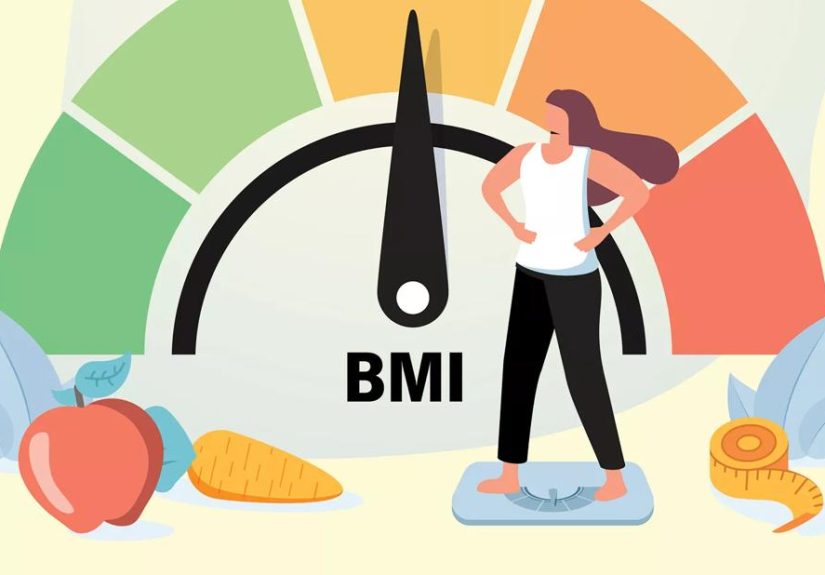
BMI is a calculation based on height and weight. For adults, the standard categories are familiar: under 18.5 is underweight, 18.5 to under 25 is considered healthy weight, 25 to under 30 is overweight, and 30 or higher falls into the obesity range. These categories are widely used because they give healthcare professionals a fast way to sort risk and begin a conversation.
That last phrase matters: begin a conversation. BMI was never meant to be a crystal ball or a moral report card. At its best, it is a first-pass screening measure. Think of it as a smoke alarm. If it goes off, you pay attention. But you still need to check whether the problem is burnt toast, an actual kitchen fire, or your teenager trying to make midnight pizza again.
Where BMI Is Useful
Before we pile on BMI too hard, it is worth giving the tool some credit. BMI does have real strengths.
It is fast and affordable
Unlike imaging tests or advanced body composition scans, BMI does not require expensive equipment. That makes it practical in primary care offices, schools, wellness programs, and large health surveys.
It can flag possible risk
A higher BMI is often associated with a greater chance of health problems such as type 2 diabetes, high blood pressure, heart disease, sleep apnea, osteoarthritis, fatty liver disease, kidney disease, and some cancers. A very low BMI can raise concerns too, especially when it is linked with malnutrition, frailty, or illness.
It works reasonably well at the population level
Public health experts still use BMI because it helps track trends across large groups. If obesity rates rise across a population, BMI is a practical way to spot that pattern. In other words, BMI is often better for describing big-picture health patterns than for judging one specific human being named Chris who lifts weights, skips breakfast, sleeps five hours, and insists energy drinks count as hydration.
Where BMI Falls Short
This is where the story gets more interesting. BMI can estimate risk, but it cannot describe your body with much nuance. That is why many experts say it should not be used alone.
BMI does not separate fat from muscle
Two people can have the exact same BMI and very different bodies. One might have a high amount of muscle and relatively low body fat. Another might have less muscle and more fat. BMI treats them as if they are basically twins in the health-risk department, which is clearly not always true.
This is one reason athletes and very muscular people often get misclassified. A linebacker, a bodybuilder, or a dedicated recreational lifter may land in the “overweight” or even “obesity” category without having excess body fat. Their BMI looks alarming on paper, while their waist size, lab work, and cardiovascular fitness may look much better in real life.
BMI does not show where fat is stored
Not all body fat carries the same health risk. Fat stored around the abdomen, especially visceral fat around internal organs, is generally more concerning than fat stored elsewhere. This is why waist circumference matters so much. A person can have a “normal” BMI but still carry too much abdominal fat and face meaningful cardiometabolic risk. That is one of the biggest reasons BMI alone can be misleading.
BMI can be less accurate across age groups
Older adults often have less muscle mass and more body fat than younger adults with the same BMI. So, a BMI that looks “fine” may hide low muscle mass or rising frailty. On the flip side, some research suggests that older adults may not fit neatly into the same risk patterns as younger adults. Age changes the meaning of the number.
BMI does not account well for racial and ethnic differences
Another limitation is that BMI cutoffs do not fit every population equally well. Experts have raised concerns that standard BMI thresholds may overestimate risk for some groups and underestimate it for others. For example, some Asian adults may face health risks at lower BMI levels than the usual cutoffs suggest. That means the same BMI number may not carry the same meaning for everyone.
BMI does not measure actual health behaviors
BMI says nothing about whether you exercise, whether your blood pressure is controlled, whether your blood sugar is stable, or whether your diet mainly consists of vegetables and lean protein versus drive-thru regret. Someone can have a higher BMI and still have strong fitness markers and healthy habits. Someone else can have a normal BMI while sleeping poorly, carrying excess belly fat, being sedentary, and showing early signs of metabolic trouble.
Can You Be Healthy With a High BMI?
Sometimes, yes. But that answer needs context.
A high BMI does not automatically mean a person is unhealthy. Some people with higher BMIs have normal blood pressure, healthy cholesterol, good glucose control, solid fitness levels, and little abdominal fat. BMI alone cannot tell you any of that.
Still, it is also too simplistic to swing to the opposite extreme and say BMI does not matter at all. In many cases, excess body fat does raise health risk, particularly when it is stored around the waist and accompanied by high blood pressure, high blood sugar, abnormal cholesterol, sleep problems, or inflammatory conditions. So the real issue is not whether BMI is useless. The issue is whether it is enough on its own. It is not.
Can You Have a “Normal” BMI and Still Be Unhealthy?
Absolutely. This is one of the most important things people miss in the BMI debate.
A person can fall into the healthy BMI range and still have elevated body fat, especially abdominal fat, along with poor metabolic health. They may have high triglycerides, low HDL cholesterol, insulin resistance, fatty liver disease, or high blood pressure. On the outside, the number looks reassuring. On the inside, the dashboard lights may already be blinking.
This is why a normal BMI should not become a free pass to ignore other health markers. Health is not a one-number game. It is more like a group project, and unfortunately blood sugar, sleep, stress, movement, muscle mass, genetics, and waist size all showed up to contribute.
What Doctors Should Look At With BMI
If BMI is only one piece of the puzzle, what are the other pieces? A better health assessment often includes the following:
Waist circumference
This helps estimate abdominal fat. In standard U.S. guidance, a waist circumference above 35 inches for many non-pregnant women or above 40 inches for many men is associated with higher health risk, though ethnicity-specific differences matter.
Body composition
Body fat percentage, lean mass, and other body composition measures can provide far more detail than BMI alone. These may be estimated with skinfold measurements, bioelectrical impedance, DEXA scans, or other tools.
Blood pressure and lab work
Cholesterol, triglycerides, fasting glucose, A1C, kidney function, and liver markers often reveal much more about cardiometabolic health than a scale number ever could.
Medical history and family history
Genetics, medications, hormone conditions, menopause, sleep apnea, mental health, and past medical issues all shape a person’s risk profile.
Fitness and daily function
How well you move, recover, sleep, and handle everyday activity matters. A person’s endurance, strength, and quality of life can tell a deeper story than BMI alone.
What About Children and Teens?
BMI is used differently in kids. For children and adolescents, clinicians do not use the standard adult cutoffs. Instead, BMI is assessed by age- and sex-specific percentiles because growing bodies change constantly. That means a child’s BMI has to be interpreted in the context of development, not compared to adult categories.
Even here, BMI is still a screening tool, not a diagnosis by itself. Growth patterns, puberty, nutrition, activity, sleep, family history, and emotional well-being all matter. A number on a growth chart can be informative, but it should not replace thoughtful pediatric care.
So, Is BMI an Accurate Measure of Health?
The most honest answer is: sometimes, but not by itself.
BMI is accurate enough to be useful as a screening tool. It can identify patterns. It can highlight possible risk. It can help clinicians decide when to look closer. But it becomes inaccurate when people treat it like a final verdict on individual health.
If you want the smart version of the answer, it is this: BMI can start the conversation, but it should not end it.
A better question than “What is my BMI?” might be: How is my overall health looking? That question leads to more useful follow-ups. What is my waist circumference? How are my labs? Am I strong? Am I active? How is my blood pressure? Am I sleeping well? How do I feel in my body? What is my doctor seeing that a calculator cannot?
That approach is less dramatic than worshipping or trashing BMI entirely, but it is a lot more accurate. And in health, boringly accurate tends to beat confidently wrong every time.
Practical Takeaways
- BMI is useful for screening, but it is not a diagnosis.
- A higher BMI may suggest elevated risk, but it does not prove poor health on its own.
- A normal BMI does not guarantee good health, especially if abdominal fat or poor lab markers are present.
- Waist circumference, body composition, blood pressure, blood sugar, cholesterol, fitness, and medical history all matter.
- For children and teens, BMI must be interpreted using age- and sex-specific percentiles.
- The best health assessment is individualized, not reduced to one number.
Experiences People Commonly Have With BMI in Real Life
Talking about BMI in theory is one thing. Living with it is another. In real life, people often experience BMI as helpful, frustrating, confusing, or all three before lunch.
Take the classic gym regular. This person works out four or five times a week, has visible muscle, normal blood pressure, and strong lab results. Then they enter their height and weight into a BMI calculator and get labeled “overweight.” Their first reaction is usually some version of, “Excuse me?” That frustration is understandable. For muscular people, BMI can feel like a tool that forgot muscle exists.
Then there is the opposite experience: someone whose BMI sits in the “normal” range, so they assume everything is fine. But during a routine checkup, their doctor notices a larger waist circumference, rising fasting glucose, or borderline cholesterol. That person often feels blindsided. They thought the scale had given them a gold star. Instead, they learn that body fat distribution and metabolic health can matter more than the number they were relying on.
Older adults often have a different experience entirely. Many say BMI stops making intuitive sense as they age. They may weigh less than they did years ago, yet feel weaker, lose muscle, and notice that their body composition has changed. Others are told their BMI is “too high,” even though they are mobile, independent, and doing well overall. For them, the conversation around health usually works better when it focuses on strength, balance, energy, fall risk, and chronic disease markers instead of one rigid chart.
Parents also run into confusion. A child’s BMI is not read the same way as an adult’s, so many parents see a percentile and immediately panic, or shrug it off because they are not sure what it means. In practice, pediatric BMI works best when it opens a broader conversation about growth, sleep, activity, family history, food environment, and emotional health, not when it becomes a scarlet letter attached to a school form.
And then there is the emotional side. Some people feel motivated when BMI gives them a wake-up call. Others feel shamed, dismissed, or overly simplified by it. That reaction matters. Health conversations go badly when a person feels reduced to a number. The most productive experiences usually happen when BMI is used as a neutral data point rather than a character judgment. Nobody became healthier because a chart made them feel terrible.
In everyday life, the best use of BMI is surprisingly humble. It can be a starting clue. It can tell you when to look deeper. It can help track trends over time. But the people who seem to get the most value from it are the ones who do not stop there. They also check their waist size, blood pressure, fitness, lab work, sleep, and how their body actually functions day to day. That is where the real story lives. BMI may get the microphone first, but it should not be the only one speaking.
Conclusion
BMI is neither a perfect villain nor a perfect hero. It is a blunt tool with real value and obvious blind spots. Used wisely, it can help flag potential health concerns. Used alone, it can oversimplify people and miss important risks. The best approach is not to throw BMI in the trash or frame it like a sacred artifact. It is to put it in its proper place: useful, limited, and far better when paired with waist circumference, body composition, lab results, fitness, and clinical judgment.
If you have ever wondered whether BMI is an accurate measure of health, the clearest answer is this: it is accurate enough to start the conversation, but not enough to finish it.