Table of Contents >> Show >> Hide
- What Is Insomnia?
- Why Anxiety Is One of the Most Common Insomnia Causes
- Stress: The Body’s Built-In Alarm System
- Caffeine: The Sneaky Sleep Thief
- How Anxiety, Stress, and Caffeine Work Together
- Other Insomnia Causes to Keep on Your Radar
- Practical Ways to Reduce Insomnia From Anxiety, Stress, and Caffeine
- When to Get Medical Help
- Real-Life Experiences: How Insomnia Feels When Anxiety, Stress, and Caffeine Take Over
- Conclusion: Better Sleep Starts With Understanding the Cause
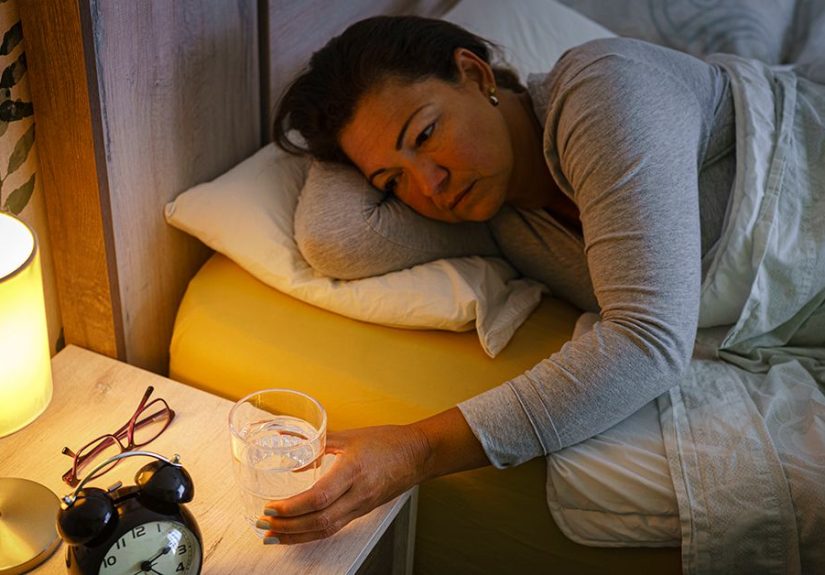
Insomnia has a talent for arriving at the worst possible time. It waits until your head hits the pillow, the room goes quiet, and your brain suddenly decides to host a midnight conference titled “Every Problem Since 2009.” If you have ever stared at the ceiling while calculating how many hours of sleep you would get if you fell asleep right now, you already know the frustration.
Insomnia is more than one bad night. It can mean trouble falling asleep, staying asleep, waking too early, or sleeping poorly enough that the next day feels like walking through peanut butter. While medical conditions, medications, irregular schedules, pain, alcohol, and sleep environment can all play a role, three of the most common insomnia causes are anxiety, stress, and caffeine. They are also deeply connected. Stress keeps the body on alert. Anxiety keeps the mind scanning for danger. Caffeine keeps the nervous system revved up like it just heard boss music in a video game.
The good news is that understanding the cause of insomnia gives you a better chance of improving it. Sleep is not a switch you force off; it is a biological process you support. Let’s unpack how anxiety, stress, and caffeine interfere with sleepand what practical steps can help you reclaim your nights.
What Is Insomnia?
Insomnia is a common sleep disorder that affects the quality, timing, or amount of sleep. Some people lie awake for hours before falling asleep. Others fall asleep quickly but wake at 2 or 3 a.m. with a brain that suddenly wants to review tax documents, text messages, and the meaning of life. Some wake too early and cannot drift back off. The result is often daytime fatigue, irritability, poor focus, low motivation, headaches, and a strong emotional bond with coffee.
Insomnia can be short-term or chronic. Short-term insomnia may show up during a stressful week, after travel, during illness, or after a major life change. Chronic insomnia usually means sleep problems happen at least several nights per week and persist for months. In many cases, chronic insomnia begins with a temporary trigger but continues because the brain starts associating bedtime with struggle. That is when the bed stops feeling like a cozy landing pad and starts feeling like a final exam.
Why Anxiety Is One of the Most Common Insomnia Causes
Anxiety and insomnia often travel together. Anxiety activates the body’s threat-detection system, which is useful if you are crossing a busy street, but not so useful when you are trying to sleep under a weighted blanket. When anxiety is high, the nervous system may remain in a state of hyperarousal. Heart rate may increase, muscles may tense, breathing may feel shallow, and the mind may race through worries, “what ifs,” and worst-case scenarios.
Racing Thoughts at Night
Nighttime can make anxious thoughts louder. During the day, work, errands, conversations, and screens provide distraction. At night, the lights go off and the mental volume goes up. A small concern can turn into a full documentary series: “What if I messed up that email?” becomes “What if everyone thinks I’m incompetent?” becomes “Should I move to a cabin and raise goats?” It sounds dramatic, but anyone with sleep anxiety knows this spiral can feel painfully real at 1:17 a.m.
Anxiety can make it hard to fall asleep, but it can also cause frequent awakenings. People may wake during the night and immediately start checking how much time is left before the alarm. This creates performance pressure around sleep. The more urgently you try to sleep, the more awake you may feel. Sleep is annoyingly rebellious that way.
The Anxiety-Sleep Cycle
Poor sleep can worsen anxiety the next day. When you are sleep-deprived, emotional regulation becomes harder. Small inconveniences feel bigger. Decisions feel heavier. Social interactions feel more draining. Then, as bedtime approaches, anxiety may increase because you remember the previous sleepless night. The thought “What if I can’t sleep again?” becomes a trigger by itself.
This anxiety-sleep cycle is one reason insomnia can become self-reinforcing. It is not simply that anxiety causes insomnia; insomnia can also feed anxiety. Breaking the loop often requires calming both the mind and the behaviors that accidentally train the brain to stay alert in bed.
Stress: The Body’s Built-In Alarm System
Stress is one of the most common causes of short-term insomnia. Work deadlines, financial concerns, family responsibilities, school pressure, conflict, grief, moving, job changes, and health worries can all disrupt sleep. Stress tells the body, “Stay ready.” Unfortunately, sleep requires the opposite message: “You are safe enough to power down.”
When stress hormones and mental tension remain elevated, the body may resist deep relaxation. You might feel exhausted but wired, which is one of insomnia’s cruelest tricks. The eyes burn, the body aches, and yet the brain is tapping its tiny clipboard saying, “Before we sleep, let’s solve the entire future.”
Acute Stress vs. Chronic Stress
Acute stress is temporary. For example, you may sleep poorly before a job interview, a medical appointment, or an important exam. Once the event passes, sleep often improves. Chronic stress is different. If the stressful situation continues for weeks or months, the nervous system may stay on high alert. Over time, the brain may become conditioned to treat bedtime as problem-solving time.
Chronic stress can also lead to behaviors that worsen insomnia. You may nap too late because you are exhausted. You may work in bed because the day felt too short. You may scroll at night because your brain wants an escape hatch. You may drink more caffeine because you are tired, then sleep worse because of the caffeine, then need even more caffeine the next day. That is not a lifestyle; that is a subscription plan nobody remembers signing up for.
Stress and the Bedtime Brain
Stress often becomes loud at night because there is finally space to think. The brain tries to process unresolved tasks, conflicts, and fears. This is why a “worry window” earlier in the evening can help. Spend 10 to 15 minutes writing down concerns, possible next steps, and what can wait until tomorrow. The goal is not to solve everything. The goal is to show your brain that the meeting has already happened and does not need to reconvene at midnight.
Caffeine: The Sneaky Sleep Thief
Caffeine is not evil. For many adults, moderate caffeine can improve alertness, mood, and focus. Coffee is also emotionally important. For some people, the morning cup is less a beverage and more a personality stabilizer. The problem is timing, dose, and sensitivity.
Caffeine promotes wakefulness by blocking adenosine, a chemical that builds up during the day and helps create sleep pressure. Think of adenosine as the body’s “you are getting sleepy” messenger. Caffeine puts that messenger on mute. You may feel more alert, but the underlying need for sleep has not disappeared. It is just waiting backstage with jazz hands.
Why Afternoon Caffeine Can Ruin Bedtime
Caffeine can remain active in the body for hours. Its half-life varies widely from person to person, meaning some people clear it quickly while others still feel its effects much later. Research has shown that caffeine taken even six hours before bedtime can disrupt sleep. That 3 p.m. latte may seem innocent, but for sensitive sleepers it can be the reason bedtime turns into a staring contest with the ceiling.
Caffeine does not only make it harder to fall asleep. It can reduce total sleep time, increase nighttime awakenings, and make sleep feel less refreshing. People sometimes underestimate this because they can still fall asleep after coffee. But falling asleep is not the same as sleeping well. Caffeine may quietly reduce sleep depth and continuity, leaving you tired the next day and wondering why your eight hours felt like a poorly organized nap.
How Much Caffeine Is Too Much?
For most healthy adults, up to 400 milligrams of caffeine per day is often cited as an amount not generally associated with dangerous effects. But “most adults” is not “all adults.” People vary in caffeine sensitivity based on genetics, age, pregnancy status, medications, anxiety levels, liver metabolism, and how regularly they consume caffeine.
Common caffeine sources include coffee, espresso, energy drinks, black tea, green tea, cola, pre-workout supplements, chocolate, and some medications. Energy drinks deserve special caution because they may combine caffeine with other stimulants, large sugar loads, and marketing that whispers, “You can become a productivity superhero.” Your nervous system may disagree.
How Anxiety, Stress, and Caffeine Work Together
These three insomnia causes often overlap. Stress increases fatigue, fatigue increases caffeine use, caffeine increases physical alertness, and physical alertness can mimic anxiety symptoms. A racing heart from caffeine may be interpreted as panic. A jittery body may make worries feel more urgent. Then poor sleep increases next-day stress tolerance problems, and the cycle continues.
Here is a common pattern: you sleep poorly because of work stress. The next morning, you drink extra coffee to function. By afternoon, you are still tired, so you add another cup or an energy drink. That night, caffeine delays sleep, and anxiety about not sleeping kicks in. The next morning, you wake up exhausted and repeat the routine. It is a loop with a loyalty program.
The solution is not always to remove caffeine completely or eliminate stress overnight. That would be lovely, and also we would all like a personal assistant dragon. The practical approach is to reduce the strongest triggers, rebuild predictable sleep cues, and address anxiety or stress directly instead of hoping sleep will magically fix itself.
Other Insomnia Causes to Keep on Your Radar
Although this article focuses on anxiety, stress, and caffeine, insomnia can have many causes. Medical conditions such as chronic pain, acid reflux, asthma, restless legs syndrome, sleep apnea, thyroid problems, hormonal changes, and certain neurological conditions can disrupt sleep. Depression and post-traumatic stress disorder can also affect sleep patterns. Some medications, including certain antidepressants, stimulants, blood pressure medicines, steroids, and decongestants, may contribute to insomnia.
Sleep environment matters too. Noise, light, room temperature, an uncomfortable mattress, a snoring partner, pets performing parkour at 3 a.m., or a bedroom used as an office can all train the brain to stay alert. Irregular schedules, shift work, jet lag, long naps, and too much screen time before bed may also interfere with the body’s internal clock.
If insomnia is frequent, severe, or affecting daily life, it is wise to speak with a healthcare professional. This is especially important if you snore loudly, gasp during sleep, feel extremely sleepy during the day, have mood changes, or suspect medication side effects. Insomnia is common, but that does not mean you have to simply endure it.
Practical Ways to Reduce Insomnia From Anxiety, Stress, and Caffeine
1. Create a Caffeine Curfew
Start by tracking your caffeine for one week. Note what you drink, how much, and when. Many people are surprised to find caffeine hiding in afternoon tea, soda, chocolate, pre-workout powder, or “just one tiny espresso” that somehow has the confidence of a marching band.
A reasonable first step is to avoid caffeine in the afternoon and evening. Sensitive sleepers may need to stop by late morning. If you are used to heavy caffeine intake, reduce gradually to avoid headaches and fatigue. Try replacing afternoon caffeine with water, herbal tea, a short walk, sunlight exposure, or a protein-rich snack.
2. Use a Consistent Wake Time
A consistent wake time helps anchor the body’s circadian rhythm. Sleeping in for hours on weekends can feel wonderful in the moment, but it may create “social jet lag” and make Sunday night sleep harder. If your sleep is chaotic, focus first on waking at roughly the same time each day. Bedtime often becomes easier once the wake time stabilizes.
3. Give Stress a Place to Go
Stress loves an open tab. If you do not give it a place earlier in the day, it may open 37 tabs at bedtime. Try a brief evening reset: write tomorrow’s top three tasks, list worries, and add one next action for each. For example, instead of “I’m behind at work,” write “Email manager at 9 a.m. to clarify priority.” Specific next steps calm the brain better than vague panic.
4. Build a Wind-Down Routine
A wind-down routine tells the brain that sleep is approaching. This does not need to be fancy. You do not need candles, silk pajamas, and a moonlit harpist. A simple routine can include dimming lights, putting away work, taking a warm shower, stretching gently, reading something calming, or listening to quiet audio. Repetition matters more than glamour.
5. Keep the Bed for Sleep
If you spend hours awake in bed worrying, working, scrolling, or watching videos, the brain may learn that bed means “alert time.” When you cannot sleep, it can help to get out of bed after a while and do something quiet in low light until sleepiness returns. This technique, often used in cognitive behavioral therapy for insomnia, helps rebuild the bed-sleep connection.
6. Stop Clock-Watching
Checking the time during the night usually increases pressure. Each glance becomes a tiny math problem: “If I fall asleep in seven minutes, I can still get five hours and thirteen minutes.” This does not soothe the nervous system. Turn the clock away, put your phone out of reach, and remind yourself that rest still has value even when sleep is imperfect.
7. Consider CBT-I for Chronic Insomnia
Cognitive behavioral therapy for insomnia, often called CBT-I, is widely recommended as a first-line treatment for chronic insomnia. It addresses the thoughts and behaviors that keep insomnia going. CBT-I may include sleep scheduling, stimulus control, relaxation strategies, cognitive restructuring, and sleep education. It is not simply “think positive and buy a lavender pillow.” It is a structured, evidence-based approach that helps retrain sleep patterns.
When to Get Medical Help
Occasional insomnia is common. But if sleep problems last for weeks, interfere with work or school, affect mood, or make driving unsafe, talk with a healthcare professional. You should also seek help if insomnia comes with panic attacks, depression symptoms, trauma symptoms, chronic pain, breathing pauses during sleep, or restless legs. Treating the underlying cause is often more effective than chasing sleep with random remedies.
Sleep medications may be useful for some people in specific situations, but they are not the only option and are not always the best long-term strategy. Over-the-counter sleep aids, alcohol, and unverified supplements can create side effects or new sleep problems. A clinician can help identify whether anxiety treatment, medication review, CBT-I, sleep apnea evaluation, or lifestyle changes are most appropriate.
Real-Life Experiences: How Insomnia Feels When Anxiety, Stress, and Caffeine Take Over
The following examples are realistic composite experiences, not medical case histories. They show how insomnia causes can overlap in everyday life.
The Anxious Overthinker
Maya is tired by 10 p.m., but the moment she gets into bed, her mind becomes a courtroom. Did she sound rude in that meeting? Why did her friend reply with a period instead of an exclamation point? What if tomorrow goes badly? She tries to force herself to sleep, but every minute awake feels like proof that tomorrow will be awful. By midnight, she is not only anxious about lifeshe is anxious about sleep itself.
For someone like Maya, the most helpful change may be reducing the pressure around bedtime. A worry journal at 8 p.m., a calm routine, and moving problem-solving out of bed can help. CBT-I techniques may also teach her to challenge catastrophic thoughts such as “If I do not sleep perfectly, I cannot function.” The goal is not to eliminate every thought. The goal is to lower the brain’s threat level enough for sleep to arrive naturally.
The Stressed Professional
Jordan works long hours and treats bedtime like the finish line of a marathon. Unfortunately, he sprints right through it. He answers emails in bed, checks project updates at midnight, and keeps a laptop on the nightstand “just in case.” His body is exhausted, but his brain still thinks it is on duty. When he wakes at 3 a.m., he immediately starts planning tomorrow’s tasks.
Jordan’s insomnia is not mysterious; his bedroom has become a branch office. A better plan would include a work shutdown ritual. He could write tomorrow’s priorities, close his laptop outside the bedroom, and set a firm boundary for late-night messages. Even 30 minutes of protected wind-down time can send a powerful signal: the workday is over, and the nervous system is allowed to stand down.
The Caffeine Cycler
Elena sleeps badly, so she drinks a large coffee in the morning. By lunch she is dragging, so she adds another. Around 4 p.m., she grabs an energy drink because the day is not done and her brain has become mashed potatoes. At night, she feels tired but strangely alert. She falls asleep late, wakes unrefreshed, and repeats the cycle. She believes caffeine is saving her, but it is also quietly stealing from tomorrow.
For Elena, quitting caffeine overnight might backfire. A gradual approach is smarter: keep the morning coffee, reduce the second dose, replace the energy drink, and set a caffeine cutoff. She might also use sunlight, movement, hydration, and a protein snack for afternoon energy. After a week or two, she may notice that better sleep creates more natural daytime alertness, which reduces the need for emergency caffeine.
The Sunday Night Sleepless Pattern
Chris sleeps late on weekends, drinks coffee after brunch, naps during the afternoon, and then wonders why Sunday night feels impossible. By bedtime, his body clock is confused and his brain is already rehearsing Monday. He is not broken. His schedule is simply sending mixed signals.
Chris may benefit from a steadier wake time, earlier caffeine cutoff, shorter naps, and a Sunday evening planning routine. Instead of letting Monday anxiety ambush him in bed, he can prepare clothes, write a short task list, and create a calm transition. Sometimes insomnia improves not from one heroic change, but from several small boring ones. Boring is underrated. Boring is often where sleep lives.
Conclusion: Better Sleep Starts With Understanding the Cause
Insomnia can feel personal, as if your brain has betrayed you and joined a secret nighttime club. But insomnia usually has patterns, and patterns can be changed. Anxiety keeps the mind alert. Stress keeps the body prepared for action. Caffeine blocks sleep pressure and can linger long after the last sip. Together, they can create a cycle of sleepless nights and exhausted days.
The path forward begins with curiosity, not self-blame. Track your caffeine. Notice when stress spikes. Pay attention to anxious bedtime thoughts. Build a consistent wake time, protect your bedroom from work and scrolling, and create a wind-down routine that your brain can recognize. If insomnia continues, consider professional help, especially CBT-I or evaluation for medical and mental health causes.
You do not have to become a perfect sleeper. You do not need an elaborate nighttime ritual that looks like a spa commercial. Start with the basics: less late caffeine, fewer bedtime worries, more consistent routines, and the courage to ask for help when sleep becomes a chronic struggle. Your bed should not feel like a battlefield. With the right changes, it can become what it was meant to be: a place where your brain finally stops holding meetings.