Table of Contents >> Show >> Hide
- Why Crushes Feel So Loud (and Why That’s Normal)
- 14 Steps to Stop Having Crushes (Without Becoming a Robot)
- Step 1: Name the crushout loud or on paper
- Step 2: Decide what you actually want
- Step 3: Do a gentle reality check (not a roast)
- Step 4: Reduce “accidental intimacy”
- Step 5: Stop feeding the algorithm (yes, social media counts)
- Step 6: Create a “thought speed bump” for rumination
- Step 7: Reframe the meaning of the crush
- Step 8: Replace the crush habit with a better obsession
- Step 9: Use micro-exposure to normalcy
- Step 10: Practice cognitive defusion (a fancy term for “thoughts aren’t facts”)
- Step 11: Set boundaries that match your goal
- Step 12: Get curious about your attachment pattern
- Step 13: Upgrade your environment
- Step 14: If it’s intense or persistent, talk to a professional
- Common Mistakes That Keep Crushes Alive
- A Quick 7-Day Reset Plan (If You Want Structure)
- Experience-Based Examples: What “Getting Over a Crush” Often Looks Like (500+ Words)
- Conclusion
- SEO Tags
Crushes are basically your brain’s way of saying, “Hello, I would like to hyperfocus on a human being now.”
Sometimes that’s adorable. Sometimes it’s distracting. And sometimes it’s downright inconvenientlike when your crush is
unavailable, inappropriate, or living rent-free in your head while you’re trying to, you know, function.
Here’s the honest truth: you can’t always command a crush to disappear on schedule. But you can
stop feeding it, reduce the intensity, and retrain your attention so the crush loses power. Think of it less like
“delete this feeling” and more like “mute notifications, close the tabs, and reclaim my brain.”
Why Crushes Feel So Loud (and Why That’s Normal)
A crush often mixes curiosity, hope, novelty, and imagination. The problem is that imagination is an overachiever:
it can turn a few good conversations into a full mental movie franchisecomplete with sequels you didn’t approve.
Add uncertainty (Do they like me back? What if…?), and your mind may keep checking for “updates” like it’s refreshing
a webpage.
If your feelings feel more obsessive than sweetconstant checking, spiraling thoughts, intense longingsome people use
the term limerence to describe that kind of fixation. Whether it’s a casual crush or something more intense,
the steps below help you regain control of your attention and choices.
14 Steps to Stop Having Crushes (Without Becoming a Robot)
Step 1: Name the crushout loud or on paper
Start simple: “I have a crush on ___.” Labeling reduces the fog. It shifts your brain from “This is fate!” to
“This is a feeling.” Feelings are real, but they’re not always instructions. Bonus points if you add:
“This is temporary and manageable.”
Step 2: Decide what you actually want
Ask: Do I want this crush to become a relationship, or do I want it to stop? If the person is unavailable,
inappropriate, or not good for you, commit to “I’m letting this go.” Clarity is rocket fuel for moving on.
Step 3: Do a gentle reality check (not a roast)
Crushes tend to spotlight someone’s best moments and crop out the rest. Make a two-column list:
Facts I know vs. Stories I’m telling myself. The goal isn’t to shame yourselfit’s to
separate evidence from fantasy.
Step 4: Reduce “accidental intimacy”
If your crush grows every time you have long one-on-one chats, inside jokes, or late-night texting, that’s not
“random”that’s reinforcement. Create small boundaries: shorter conversations, more group settings, fewer private
moments. You’re not being rude; you’re being strategic.
Step 5: Stop feeding the algorithm (yes, social media counts)
Rewatching their stories, rereading messages, scrolling their photos, checking who liked whatthis is basically
“crush cardio.” It builds endurance you do not need. Mute, unfollow, hide, or set app limits. If that feels extreme,
try a 14-day “no checking” challenge.
Step 6: Create a “thought speed bump” for rumination
When you notice the mental replay starting, interrupt it with a consistent cue:
“Not helpful,” “Later,” or “That’s the crush loop.” Then redirect to a pre-chosen action: drink water, stretch,
text a friend, do a 2-minute tidy, step outside. The key is consistency, not perfection.
Step 7: Reframe the meaning of the crush
Sometimes a crush is less about them and more about what they representconfidence, kindness, popularity,
stability, excitement, being seen. Identify the “symbol” and brainstorm how to get that need met elsewhere.
Example: if the crush represents “I want to feel chosen,” focus on friendships and activities where you already are.
Step 8: Replace the crush habit with a better obsession
Your brain hates a vacuum. If you remove your favorite daydream, add something compelling:
a new hobby, a fitness goal, a creative project, a skill you can level up. You’re not “distracting yourself”
you’re rebuilding your identity beyond the crush.
Step 9: Use micro-exposure to normalcy
If you can’t avoid the person (school, work, friend group), aim for neutral exposure: see them as a regular human,
not a mystical rare Pokémon. Short, polite interactions. No “special” treatment. The more normal you act, the more
normal your nervous system feels.
Step 10: Practice cognitive defusion (a fancy term for “thoughts aren’t facts”)
When your mind says, “I need them to like me,” try: “I’m having the thought that I need them to like me.”
That tiny sentence creates distance. You can also picture the thought as a subtitle on a movie screenpresent,
but not in control of the plot.
Step 11: Set boundaries that match your goal
If your goal is to stop having crushes, your boundaries should reduce emotional fuel. Examples:
no late-night texting, no flirty “just us” hangouts, no using them as your default emotional support. Boundaries
aren’t punishments; they’re guardrails.
Step 12: Get curious about your attachment pattern
If you regularly develop intense crushes on unavailable people, that pattern may be protecting you from real
vulnerability. Ask: Do I like the safety of wanting someone I can’t actually have? If yes, work on tolerating
healthier closenessslowly, with support if needed.
Step 13: Upgrade your environment
Change the cues that trigger the crush: take a different route, sit elsewhere, switch playlists, rearrange your room,
replace “their” hangout spot with a new one. Novelty helps your brain stop auto-loading the same emotional program.
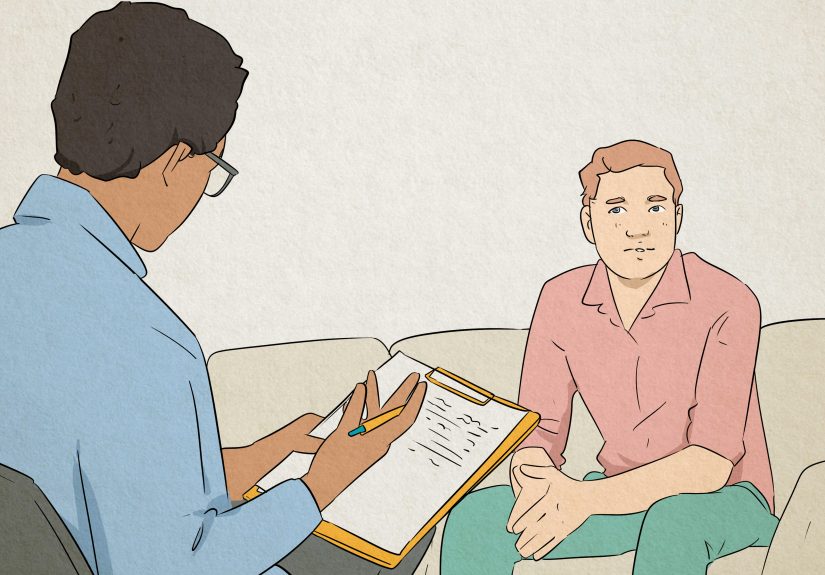
Step 14: If it’s intense or persistent, talk to a professional
If your crush feels obsessive, interferes with sleep or school/work, or triggers anxiety and spiraling thoughts,
a therapist can help with evidence-based tools (like CBT strategies and mindfulness-based approaches). Getting help
isn’t “dramatic.” It’s efficient.
Common Mistakes That Keep Crushes Alive
- Keeping “hope” as a hobby: rereading tiny signals like they’re secret love letters.
- Using the crush as an emotional escape: daydreaming to avoid stress, loneliness, or boredom.
- Confusing intensity with compatibility: butterflies are not a background check.
- Trying to force feelings away: suppression often makes thoughts rebound stronger.
A Quick 7-Day Reset Plan (If You Want Structure)
- Day 1: Label the crush + write Facts vs. Stories.
- Day 2: Mute/unfollow + remove easy triggers.
- Day 3: Pick a replacement goal (hobby/skill/fitness) and schedule it.
- Day 4: Practice defusion: “I’m having the thought that…”
- Day 5: Set one boundary (no late-night texting, no checking).
- Day 6: Change one environment cue (route, seat, routine).
- Day 7: Review progress + decide the next boundary.
Experience-Based Examples: What “Getting Over a Crush” Often Looks Like (500+ Words)
People often expect the crush to vanish overnightlike flipping a switch. In real life, it’s usually more like
turning down the volume one notch at a time. Here are a few experience-based scenarios that reflect what many
people report as they learn how to stop having crushes.
Example 1: The “Same Class, Same Problem” Crush. A student realizes their crush spikes every time
they sit near the person, laugh at their jokes, and replay the interaction for hours later. The breakthrough isn’t
“being colder”; it’s changing the setup. They sit elsewhere, keep conversations friendly but brief, and stop
scanning for signs of interest. At first, the brain protests: “But what if today is the day something happens?”
That’s the craving talking. After a week or two of fewer triggers, the crush becomes less intrusive. They still
notice the personbut the mind stops writing fan fiction during math.
Example 2: The “We Text All Night” Crush. Someone starts crushing on a friend because late-night
messages feel intimate and comforting. The crush grows, not because the friend is perfect, but because the routine
creates closeness and anticipation. What helps is a boundary that protects both people: they stop texting after a
certain time, move heavier conversations to daytime, and spend more time with other friends. The feelings don’t
evaporate instantly, but they stop escalating. The person learns an important lesson: sometimes you’re not addicted
to the personyou’re addicted to the emotional ritual.
Example 3: The “Social Media Magnifier” Crush. A crush gets worse because of constant online
checking: stories, comments, posts, “who liked what,” and the occasional spiral into comparing yourself with
everyone they follow. The fix is boring but powerful: mute, hide, and limit exposure. The first few days feel like
withdrawalmore curiosity, more “just one peek.” Then something surprising happens: with fewer reminders, the mind
naturally stops pinging the topic as often. People in this situation often report that their mood improves too,
because they’re no longer using the internet to poke a tender bruise.
Example 4: The “Unavailable Person” Crush. Sometimes the person is taken, not interested, or
emotionally unavailable. The hardest part is accepting that hope is keeping the pain alive. Many people describe
progress starting when they shift from “How can I make them like me?” to “How can I respect myself?” They stop
engineering coincidences, stop waiting for messages, and build a fuller schedule so their life isn’t organized
around someone else’s attention. Over time, the crush fadesnot because they found the person unattractive, but
because they stopped treating them like the main character.
Across these experiences, the pattern is consistent: people feel better when they reduce triggers,
interrupt rumination, and redirect energy into friendships, goals, and self-respect.
Most crushes don’t need a dramatic ending. They just need fewer calories.
Conclusion
Learning how to stop having a crush isn’t about being emotionlessit’s about being in charge of what you feed.
When you reduce exposure, break the rumination loop, reality-check the fantasy, and invest in your own life,
crushes usually shrink to a normal, quiet “oh, they’re cute” instead of a full-time job. And if it feels bigger
than you can manage alone, support from a mental health professional can speed up the process.